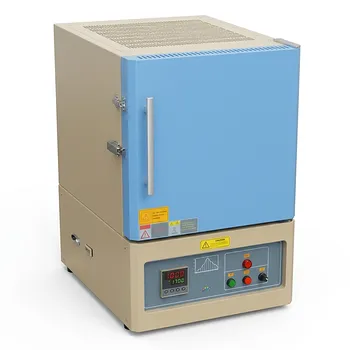
What are the primary functions of a Muffle furnace in oxide calcination? Achieve high purity and phase control.
Updated 3 months ago
The primary function of a Muffle furnace in oxide calcination is to provide a stable, uniform, and isolated high-temperature environment that facilitates the precise thermal decomposition of precursors. It delivers the thermal energy necessary to break molecular bonds, drive off volatiles like water and organic matter, and manage the phase transformation rates required to achieve specific crystal structures and material activity.
A Muffle furnace acts as a controlled thermochemical reactor that isolates samples from external contaminants while providing the uniform thermal field needed for complete chemical conversion. By regulating temperature and atmosphere, it ensures that precursor materials transform into high-purity oxide powders with the desired stoichiometry and morphology.
Establishing a Uniform Thermal Field
Creating a Stable Static Environment
A Muffle furnace utilizes heating elements enclosed by refractory materials to generate a highly stable thermal environment. This design ensures that heat is distributed evenly throughout the chamber, preventing localized hot spots that could lead to non-uniform material properties.
Multi-Sided Heat Transfer
Modern box muffle furnaces often employ multi-sided heating technology to provide a uniform thermal field across large batches. Heat is transferred to the precursor powders via conduction, convection, and radiation, ensuring consistent energy exposure for every particle in the sample.
Driving Decomposition and Volatile Removal
Breaking and Recombining Molecular Bonds
The furnace provides the high-intensity thermal energy required for the breaking and recombination of molecular bonds within the precursor. This process is essential for transforming complex salts or hydroxides into stable, simplified oxide structures.
Eliminating Volatile Components
During calcination, the Muffle furnace ensures that volatiles such as water, organic matter, and carbon dioxide are thoroughly removed. This dehydration and debinding phase is critical for achieving the chemical purity necessary for subsequent synthesis steps.
Facilitating Oxidation Reactions
Beyond simple decomposition, the furnace provides the necessary air environment or controlled atmosphere for complete oxidation. This is particularly vital when converting commercial hydroxide or hydroxycarbonate precursors into their final oxide states.
Controlling Phase Transformation and Activity
Regulating Crystal Structure
By precisely managing heating rates and isothermal holding times, the Muffle furnace controls the rate of phase transformation. This precision allows researchers to tailor the final crystal structure and oxygen vacancy concentration of the material.
Activating Material Functionality
The furnace facilitates the formation of active phases, such as the calcium oxide crystalline phase or complex mixed frameworks like CuO-ZnO. It also enables specialized interactions, such as Strong Metal-Support Interactions (SMSI), which are essential for high-performance catalytic interfaces.
Ensuring Sample Purity through Isolation
Isolation from Combustion Byproducts
The "muffle" design specifically isolates the sample from fuel sources and combustion byproducts like soot, ash, and gases. This mechanism is crucial for preventing contamination that would otherwise degrade the performance of high-purity inorganic materials.
Maintaining Chemical Stoichiometry
Because the heating environment is enclosed and controlled, the furnace helps maintain the accurate chemical stoichiometry of the powder. This prevents the unintended loss of elements or the introduction of impurities during the high-temperature treatment.
Understanding the Trade-offs
Static Environment Limitations
While the static nature of a Muffle furnace provides stability, it can lead to thermal or gas concentration gradients within deep powder beds. Unlike rotary kilns, there is no mechanical agitation, which may necessitate thin sample layering for complete reaction uniformity.
Heating and Cooling Rate Constraints
Rapid temperature changes can cause thermal shock to the refractory lining or the sample crucibles. Precise programming is required to balance the need for speed with the physical limitations of the furnace materials and the desired crystallization kinetics.
How to Apply This to Your Project
Recommendations Based on Material Goals
- If your primary focus is high-purity catalysis: Utilize the furnace’s isolation capabilities to prevent soot contamination and focus on precise isothermal holding to regulate oxygen vacancies.
- If your primary focus is phase-pure ceramic powders: Prioritize the multi-sided heating features and programmable temperature ramps to ensure uniform phase transformation across the entire batch.
- If your primary focus is volatile removal (debinding): Ensure the furnace is used in a well-ventilated area or with an exhaust system to safely manage the release of water vapor and organic binders.
The Muffle furnace remains the definitive tool for oxide synthesis by providing the precise energy and environment required to transform raw precursors into functional high-performance materials.
Summary Table:
| Key Function | Mechanism | Process Benefit |
|---|---|---|
| Thermal Uniformity | Multi-sided heating elements | Prevents hot spots; ensures consistent material properties. |
| Volatile Removal | High-intensity thermal energy | Eliminates H2O, CO2, and organics for chemical purity. |
| Phase Control | Precise ramp & soak timing | Tailors crystal structure and oxygen vacancy concentration. |
| Sample Isolation | Refractory muffle design | Prevents contamination from combustion byproducts and soot. |
Elevate Your Material Research with THERMUNITS Thermal Solutions
As a leading manufacturer of high-temperature laboratory equipment, THERMUNITS provides the precision and reliability required for advanced material science and industrial R&D. Our comprehensive range of furnace systems—including Muffle, Vacuum, Atmosphere, Tube, Rotary, and Hot Press furnaces, CVD/PECVD systems, Dental Furnaces, and Vacuum Induction Melting (VIM) furnaces—is designed to help you achieve perfect stoichiometry and phase purity in every batch.
Whether you are synthesizing high-performance catalysts, ceramic powders, or complex oxide precursors, our thermal processing experts are ready to optimize your workflow.
Ready to upgrade your lab? Contact THERMUNITS today to find your perfect heat treatment solution!
References
- Jianqing Li, Fei Du. Engineering Detrimental Functional Groups in Conductive Additives Toward High‐Performance All‐Solid‐State Batteries. DOI: 10.1002/chem.202400074
Mentioned Products
- 1200C Muffle Furnace 12x8x5 7.2L Heating Chamber with Quartz Observation Window and Vent Port
- High Temperature 1200C Muffle Furnace 27L Volume 12x12x12 Chamber with Programmable PID Controller for Laboratory Material Science
- 1750C Compact Muffle Furnace 1.7L Ultra High Temperature Laboratory Sintering System for Advanced Ceramics and Material Science Research
- 1200C High Temperature 125L Muffle Furnace 5 Side Heating for Large Batch Sintering with Optional Alloy Debinding Chamber
- 1200°C High Temperature Muffle Furnace 19L Chamber with 50 Segment Programmable Controller
People Also Ask
- What is the function of an experimental muffle furnace in the conversion of FeOOH to α-Fe2O3? Optimize Phase Transition
- Why is a muffle furnace required for MoO2@HCNF pre-oxidation? Crucial Steps for High-Performance Composites
- What is the function of a high-temperature Muffle furnace in removing residual solvents? Essential Bismuth Synthesis
- What is the function of Muffle furnace calcination? Essential steps for Pr-doped SrFeMoO6 Perovskite synthesis.
- Why is the muffle design advantageous for the production of ceramics and glass? Ensure Purity and Structural Integrity

Tech Team · ThermUnits
Last updated on Jun 02, 2026
Related Products
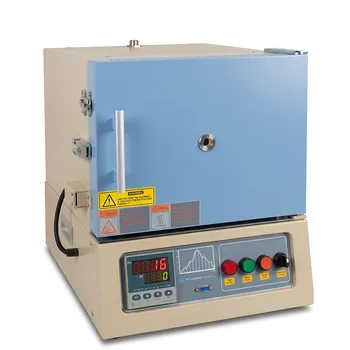
1200C Muffle Furnace 12x8x5 7.2L Heating Chamber with Quartz Observation Window and Vent Port
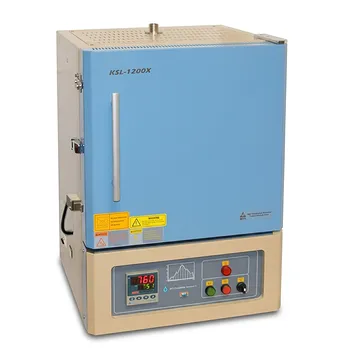
High Temperature 1200C Muffle Furnace 27L Volume 12x12x12 Chamber with Programmable PID Controller for Laboratory Material Science
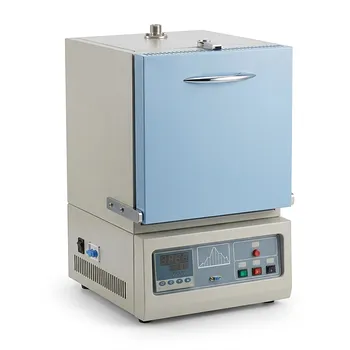
1750C Compact Muffle Furnace 1.7L Ultra High Temperature Laboratory Sintering System for Advanced Ceramics and Material Science Research
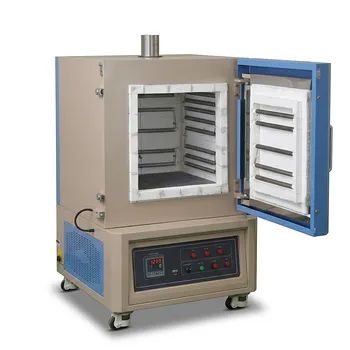
1200C High Temperature 125L Muffle Furnace 5 Side Heating for Large Batch Sintering with Optional Alloy Debinding Chamber
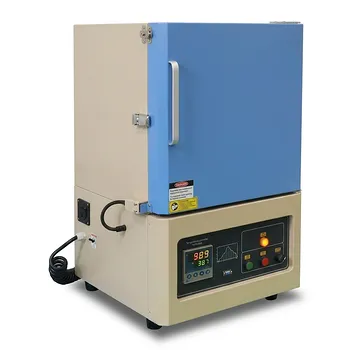
1200°C High Temperature Muffle Furnace 19L Chamber with 50 Segment Programmable Controller
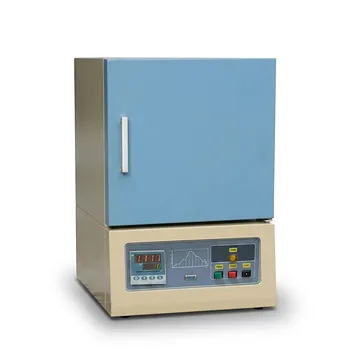
Ultra High Temperature Bench Top Muffle Furnace 1750C Sintering System with Kanthal Super Heating Elements and Precision Digital Control
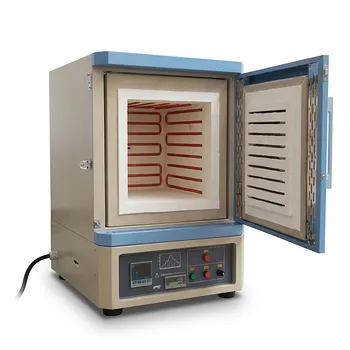
Five Side Heating Muffle Furnace 1200C High Uniformity 64L Chamber 16x16x16 Inch Industrial Heat Treatment
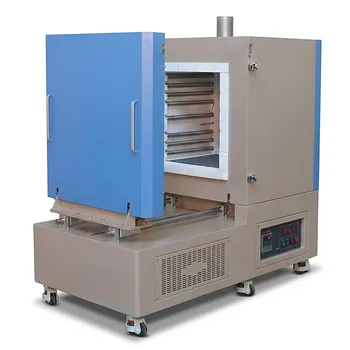
1200C Five Side Heating Muffle Furnace with Sliding Door 125L Volume High Temperature Heat Treatment System for Large Scale Sintering and Annealing
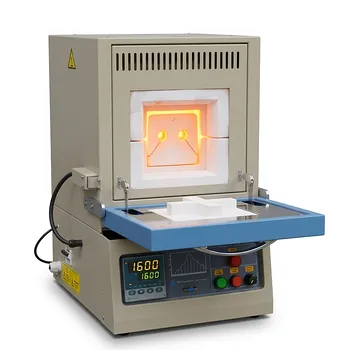
High Temperature Compact Muffle Furnace 1700 C with 30 Segment Programmable Controller and 1.7L Cubic Chamber
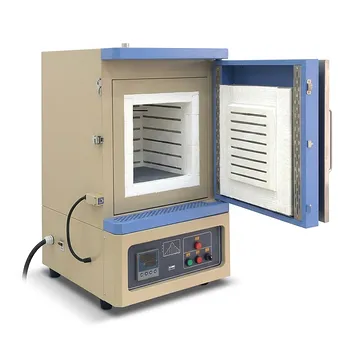
Five Side Heating Muffle Furnace High Purity Alumina Fiber 27L Chamber 1200C High Temperature Thermal Processing System for Sintering Annealing and Materials Research
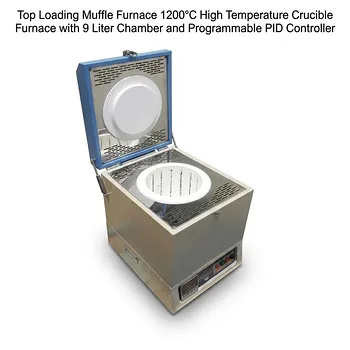
Top Loading Muffle Furnace 1200°C High Temperature Crucible Furnace with 9 Liter Chamber and Programmable PID Controller
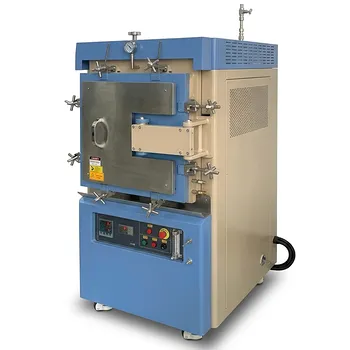
Atmosphere Controlled Muffle Furnace 1700C Maximum Temperature 80L High Capacity Vacuum Inert Gas Box Furnace
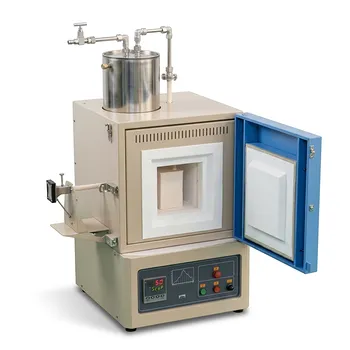
High Temperature Bench Top Muffle Furnace 1700C with Integrated Evaporating Particle Collection and 8x8x8 Alumina Fiber Chamber
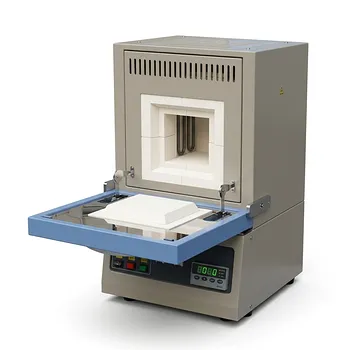
Five Sided Heating Muffle Furnace High Uniformity 1200C Lab Box Furnace 27L Alumina Fiber Chamber
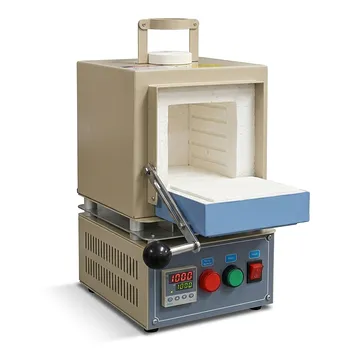
Compact 1000C Muffle Furnace with Programmable Controller and 2 Inch Top Port for Vacuum and Atmosphere Material Research
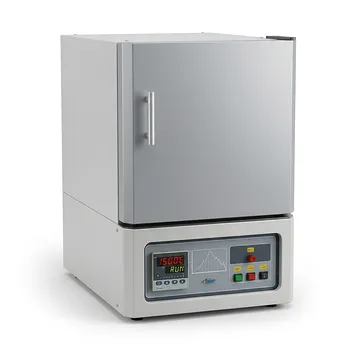
High Temperature 1500C Benchtop Muffle Furnace 3.6L Alumina Fiber Chamber Programmable Controller Sintering Annealing Carbonization Thermal Processing System
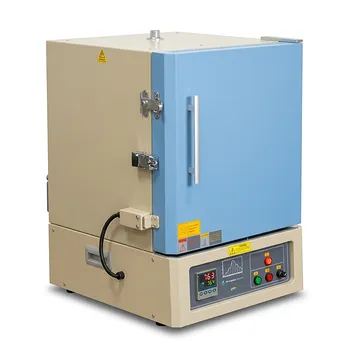
Large Capacity 1200C Muffle Furnace 64 Liter Chamber with Digital PID Controller and Built In Venting Port
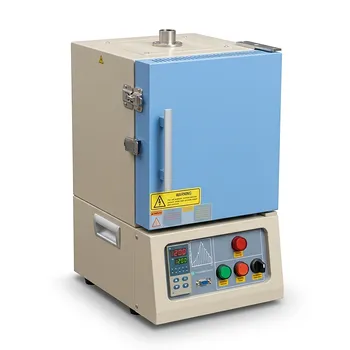
1200°C Small Box Furnace 4.2 Liter Programmable Muffle Furnace with High Purity Alumina Insulation and PID Control
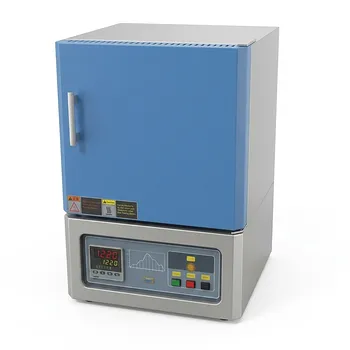
High Temperature Benchtop Muffle Furnace 1700C 10L Chamber Alumina Fiber Insulation MoSi2 Heating Elements