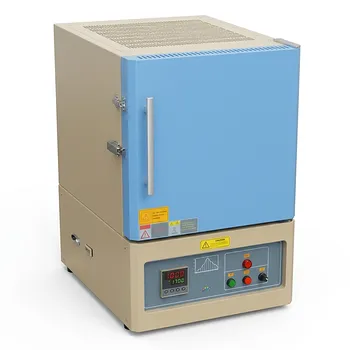
What is the function of an experimental muffle furnace in the conversion of FeOOH to α-Fe2O3? Optimize Phase Transition
Updated 3 months ago
The experimental muffle furnace serves as the primary thermal processing environment for the phase transformation and structural refinement of iron-based precursors. It specifically facilitates the dehydration of iron oxyhydroxide (FeOOH) into hematite (α-Fe2O3) through a controlled two-stage sintering process in an air atmosphere. By applying precise temperatures—typically starting at 550°C for phase conversion and followed by 700°C for crystalline optimization—the furnace ensures the material achieves the structural integrity and electronic properties required for high-performance applications.
The muffle furnace provides the precise thermal energy needed to drive the chemical dehydration of FeOOH and the subsequent physical reorganization of its crystal lattice into stable α-Fe2O3. This process is critical for eliminating internal defects and maximizing the efficiency of charge carrier transport within the material.
Facilitating the Chemical and Phase Transition
Dehydration and Initial Transformation
At the first critical temperature threshold, usually around 550°C, the muffle furnace provides the thermal energy necessary to break chemical bonds in the FeOOH precursor. This stage induces dehydration, where water molecules are expelled from the lattice, triggering a transition from an amorphous or oxyhydroxide state into the hematite (α-Fe2O3) phase.
Precision Temperature Control
The furnace maintains a stable thermal field and a consistent air atmosphere, which are essential for uniform phase distribution. Without this precision, the transformation might be incomplete, leading to a mixture of phases that can degrade the material’s electrochemical or catalytic performance.
Enhancing Material Crystallinity and Morphology
Grain Boundary Optimization
A second, higher-temperature treatment (often at 700°C) is utilized to "heal" the crystal structure. This high-temperature soak allows for the reorganization of grain boundaries, which reduces the number of structural "traps" that hinder electron movement.
Reducing Internal Structural Defects
By providing a controlled cooling and heating rate, the muffle furnace minimizes internal structural defects. This refinement is vital for applications like photoanodes, where the transport efficiency of photogenerated carriers is directly dependent on the perfection of the crystal lattice.
Understanding the Trade-offs and Limitations
Sintering and Surface Area Loss
While higher temperatures improve crystallinity, they also promote particle sintering. Excessive heat or prolonged duration in the muffle furnace can cause nanoparticles to fuse, significantly reducing the effective surface area and the number of active catalytic sites.
Temperature Uniformity Risks
In larger or lower-quality muffle furnaces, thermal gradients can occur where the center of the sample is cooler than the edges. This inconsistency leads to non-uniform crystallinity, potentially resulting in a material that performs inconsistently across different batches.
How to Apply This to Your Project
When utilizing a muffle furnace for iron oxide synthesis, your specific temperature and duration settings should be dictated by your end-use requirements.
- If your primary focus is maximizing catalytic surface area: Use a lower-range temperature (around 400°C to 550°C) to ensure full dehydration while preventing excessive grain growth and sintering.
- If your primary focus is electronic conductivity and carrier transport: Prioritize a two-stage sintering process with a final high-temperature step (700°C or higher) to optimize crystallinity and minimize internal defects.
- If your primary focus is phase purity: Ensure the furnace atmosphere is consistent (typically air) and use longer isothermal durations to allow the entire volume of the precursor to reach the transition temperature.
The muffle furnace is the foundational tool that converts a chemical precursor into a high-performance functional ceramic through controlled thermal energy.
Summary Table:
| Process Stage | Typical Temp | Primary Function |
|---|---|---|
| Dehydration | 550°C | Breaks chemical bonds in FeOOH; initiates transformation to α-Fe2O3. |
| Crystalline Optimization | 700°C | Heals grain boundaries and reduces internal structural defects. |
| Structural Refinement | Controlled Rate | Maximizes charge carrier transport and ensures phase purity. |
| Particle Management | Variable | Balances high crystallinity with the prevention of excessive sintering. |
Elevate Your Material Research with THERMUNITS
Achieve unmatched precision in your phase transformation processes with THERMUNITS, a leading manufacturer of high-temperature laboratory equipment for material science and industrial R&D.
Our advanced thermal processing solutions—including Muffle, Vacuum, Atmosphere, Tube, and Rotary furnaces, as well as CVD/PECVD systems and Hot Press furnaces—are designed to provide the stable thermal fields required for critical transitions like converting FeOOH to α-Fe2O3. Whether you are optimizing catalytic surface area or electronic conductivity, our equipment ensures uniform heating and superior structural integrity.
Ready to enhance your lab's thermal capabilities?
Contact our expert team today to find the perfect heat treatment solution for your specific application.
References
- Juan Wu, Weisheng Liu. Enhanced photoelectrochemical water splitting performance of α-Fe<sub>2</sub>O<sub>3</sub> photoanodes through Co-modification with Co single atoms and g-C<sub>3</sub>N<sub>4</sub>. DOI: 10.1039/d4sc03442b
Mentioned Products
- 1200C Muffle Furnace 12x8x5 7.2L Heating Chamber with Quartz Observation Window and Vent Port
- High Temperature 1200C Muffle Furnace 27L Volume 12x12x12 Chamber with Programmable PID Controller for Laboratory Material Science
- 1750C Compact Muffle Furnace 1.7L Ultra High Temperature Laboratory Sintering System for Advanced Ceramics and Material Science Research
- 1200C High Temperature 125L Muffle Furnace 5 Side Heating for Large Batch Sintering with Optional Alloy Debinding Chamber
- 1200°C High Temperature Muffle Furnace 19L Chamber with 50 Segment Programmable Controller
People Also Ask
- Why is a muffle furnace required for MoO2@HCNF pre-oxidation? Crucial Steps for High-Performance Composites
- What is the function of a high-temperature Muffle furnace in removing residual solvents? Essential Bismuth Synthesis
- What is the function of Muffle furnace calcination? Essential steps for Pr-doped SrFeMoO6 Perovskite synthesis.
- What are the primary functions of a Muffle furnace in oxide calcination? Achieve high purity and phase control.
- Why is the muffle design advantageous for the production of ceramics and glass? Ensure Purity and Structural Integrity

Tech Team · ThermUnits
Last updated on Jun 03, 2026
Related Products
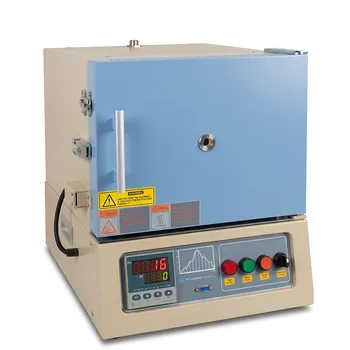
1200C Muffle Furnace 12x8x5 7.2L Heating Chamber with Quartz Observation Window and Vent Port
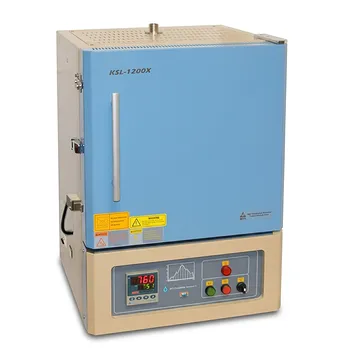
High Temperature 1200C Muffle Furnace 27L Volume 12x12x12 Chamber with Programmable PID Controller for Laboratory Material Science
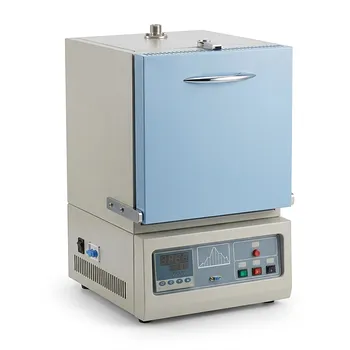
1750C Compact Muffle Furnace 1.7L Ultra High Temperature Laboratory Sintering System for Advanced Ceramics and Material Science Research
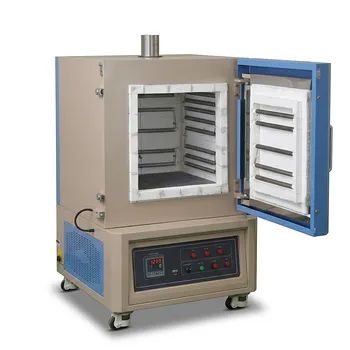
1200C High Temperature 125L Muffle Furnace 5 Side Heating for Large Batch Sintering with Optional Alloy Debinding Chamber
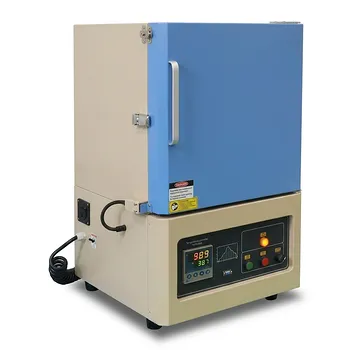
1200°C High Temperature Muffle Furnace 19L Chamber with 50 Segment Programmable Controller
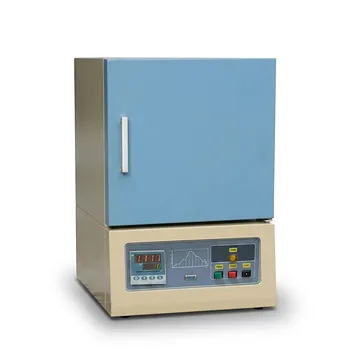
Ultra High Temperature Bench Top Muffle Furnace 1750C Sintering System with Kanthal Super Heating Elements and Precision Digital Control
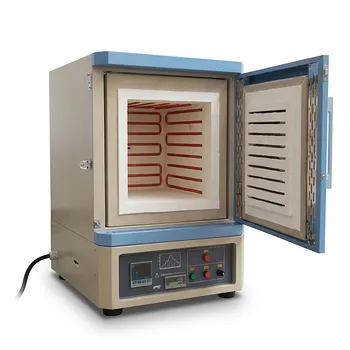
Five Side Heating Muffle Furnace 1200C High Uniformity 64L Chamber 16x16x16 Inch Industrial Heat Treatment
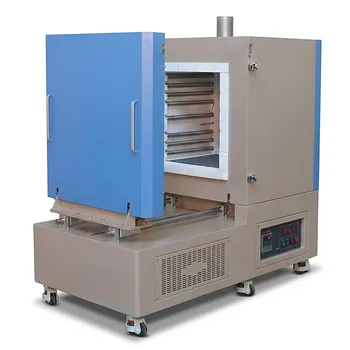
1200C Five Side Heating Muffle Furnace with Sliding Door 125L Volume High Temperature Heat Treatment System for Large Scale Sintering and Annealing
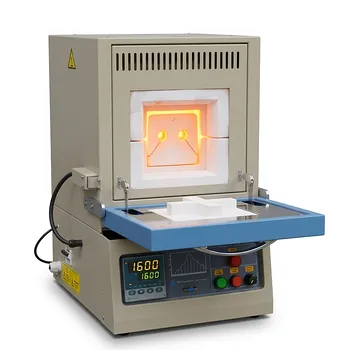
High Temperature Compact Muffle Furnace 1700 C with 30 Segment Programmable Controller and 1.7L Cubic Chamber
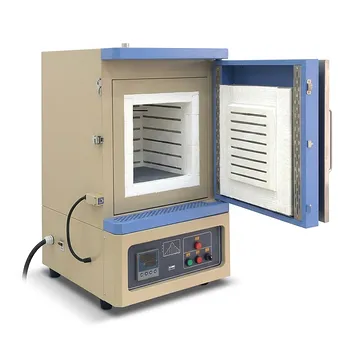
Five Side Heating Muffle Furnace High Purity Alumina Fiber 27L Chamber 1200C High Temperature Thermal Processing System for Sintering Annealing and Materials Research
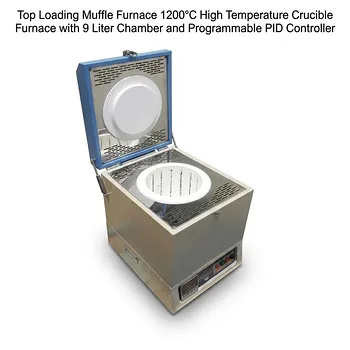
Top Loading Muffle Furnace 1200°C High Temperature Crucible Furnace with 9 Liter Chamber and Programmable PID Controller
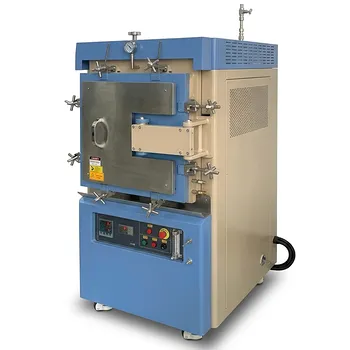
Atmosphere Controlled Muffle Furnace 1700C Maximum Temperature 80L High Capacity Vacuum Inert Gas Box Furnace
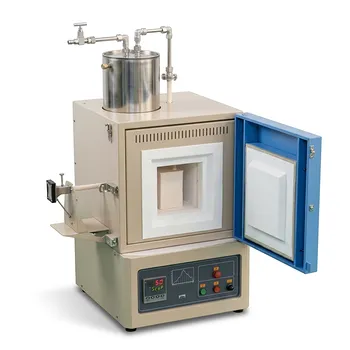
High Temperature Bench Top Muffle Furnace 1700C with Integrated Evaporating Particle Collection and 8x8x8 Alumina Fiber Chamber
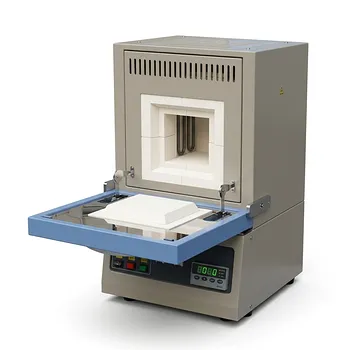
Five Sided Heating Muffle Furnace High Uniformity 1200C Lab Box Furnace 27L Alumina Fiber Chamber
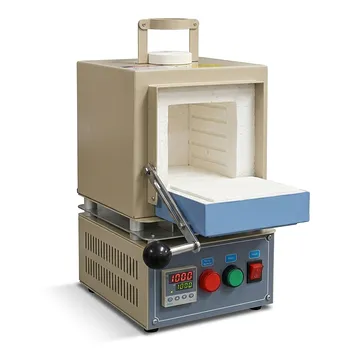
Compact 1000C Muffle Furnace with Programmable Controller and 2 Inch Top Port for Vacuum and Atmosphere Material Research
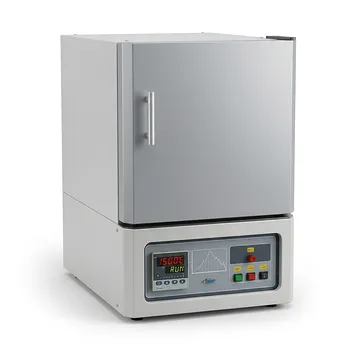
High Temperature 1500C Benchtop Muffle Furnace 3.6L Alumina Fiber Chamber Programmable Controller Sintering Annealing Carbonization Thermal Processing System
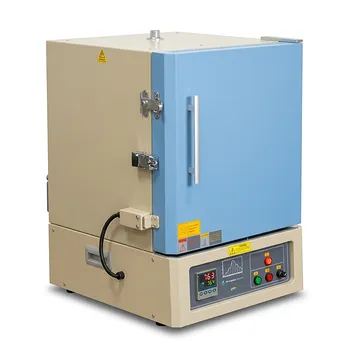
Large Capacity 1200C Muffle Furnace 64 Liter Chamber with Digital PID Controller and Built In Venting Port
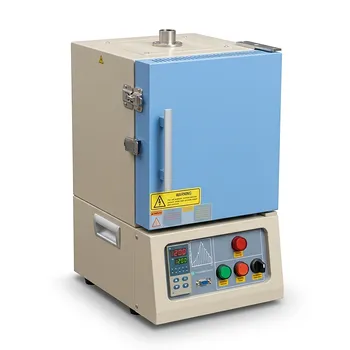
1200°C Small Box Furnace 4.2 Liter Programmable Muffle Furnace with High Purity Alumina Insulation and PID Control
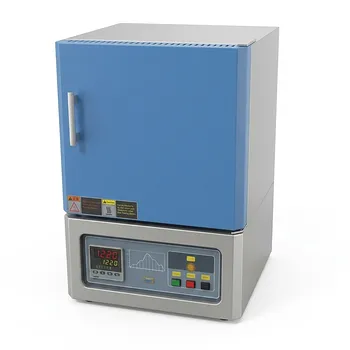
High Temperature Benchtop Muffle Furnace 1700C 10L Chamber Alumina Fiber Insulation MoSi2 Heating Elements