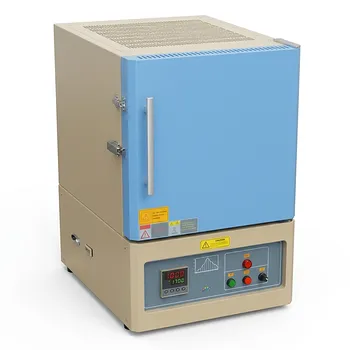
Why is a muffle furnace required for MoO2@HCNF pre-oxidation? Crucial Steps for High-Performance Composites
Updated 3 months ago
The muffle furnace is essential for MoO2@HCNF synthesis because it provides the stable, uniform air thermal field required to convert Polyacrylonitrile (PAN) into a heat-resistant ladder structure. At approximately 270°C, this controlled environment facilitates a critical cyclization reaction that prevents the nanofibers from melting or collapsing during the subsequent high-temperature carbonization phase.
Core Takeaway: The muffle furnace acts as a precision reactor that chemically stabilizes the polymer precursor through cyclization. This step transforms the material into a heat-resistant framework, ensuring the final composite retains its specific hollow nanofiber morphology.
The Role of Thermal Uniformity in Chemical Transformation
Establishing a Stable Air Environment
A muffle furnace is uniquely suited for this process because it maintains a consistent air thermal field across the entire sample. This uniformity is vital for ensuring that the chemical reactions occur simultaneously and evenly throughout the composite material.
Driving the Cyclization Reaction
During the pre-oxidation step, the Polyacrylonitrile (PAN) within the nanofibers must undergo a specific chemical change. The furnace provides the sustained heat necessary to trigger cyclization, where linear molecular chains transform into a more stable cyclic structure.
Formation of the Ladder Structure
This reaction converts the thermoplastic polymer into a heat-resistant ladder structure. This molecular "laddering" is what gives the fibers the physical and chemical stamina to survive the extreme temperatures of the next production stage.
Preserving the Hollow Nanofiber Morphology
Preventing Structural Collapse
Without the stabilization provided by the muffle furnace, the PAN fibers would remain thermoplastic. During high-temperature carbonization, these untreated fibers would simply melt or adhere to each other, destroying the desired architecture.
Maintaining the Hollow Core
The MoO2@HCNF composite relies on a well-defined hollow structure for its performance. The pre-oxidation step "locks" the geometry of the fibers in place, ensuring the hollow center remains open and functional after the organic components are carbonized.
Facilitating Phase Transformation
The controlled environment of the furnace also supports the phase transformation of precursor materials. By strictly limiting grain growth and promoting atomic diffusion, the furnace ensures the resulting MoO2 particles are uniform and well-integrated into the carbon skeleton.
Understanding the Trade-offs and Limitations
Precision vs. Throughput
While the muffle furnace offers superior temperature control, it is often a batch process that can be time-consuming. Precise heating curves and specific holding times are mandatory; rushing this process can lead to incomplete cyclization and structural failure.
The Risk of Over-Oxidation
If the temperature exceeds the narrow window (e.g., significantly higher than 270-280°C), the material may undergo excessive oxidation. This can degrade the polymer backbone rather than stabilizing it, leading to brittle fibers that cannot support the MoO2 nanoparticles.
Temperature Gradients
In larger or lower-quality furnaces, internal temperature gradients can occur. If one section of the sample is cooler than the other, the resulting MoO2@HCNF composite will have inconsistent mechanical and electrochemical properties across the batch.
How to Apply This to Your Synthesis Process
To ensure the successful synthesis of MoO2@HCNF composite materials, the thermal treatment must be handled with high precision.
- If your primary focus is structural integrity: Ensure the muffle furnace is calibrated to maintain exactly 270-280°C in an air atmosphere to guarantee complete cyclization without melting.
- If your primary focus is uniform particle distribution: Utilize the furnace’s precise heating curves to limit initial grain growth, which keeps the MoO2 particles small and highly reactive.
- If your primary focus is electrical conductivity: Focus on the duration of the pre-oxidation step to build a robust ladder structure that will eventually yield a continuous, highly conductive carbon skeleton.
A properly executed pre-oxidation step in a muffle furnace is the foundational requirement for transforming a fragile polymer precursor into a high-performance, structurally stable composite.
Summary Table:
| Process Feature | Muffle Furnace Role | Critical Benefit |
|---|---|---|
| Thermal Uniformity | Maintains a stable air thermal field | Ensures simultaneous and even chemical reactions |
| PAN Cyclization | Provides sustained heat (~270°C) | Transforms linear chains into a heat-resistant ladder structure |
| Morphology Control | "Locks" hollow nanofiber geometry | Prevents melting or structural collapse during carbonization |
| Phase Transformation | Precise temperature control | Limits grain growth for uniform MoO2 particle integration |
Elevate Your Material Research with THERMUNITS Precision Heating
Successful synthesis of complex materials like MoO2@HCNF demands uncompromising thermal precision. THERMUNITS is a leading manufacturer of high-temperature laboratory equipment specifically designed for material science and industrial R&D.
Whether you are performing critical pre-oxidation in a Muffle Furnace, carbonization in a Vacuum or Atmosphere Furnace, or advanced thin-film deposition via CVD/PECVD systems, our solutions ensure the structural integrity and performance of your composites. We also offer Tube, Rotary, Hot Press, and Dental furnaces, as well as vacuum induction melting (VIM) and high-quality thermal elements.
Ready to optimize your heat treatment process? Contact our expert team today to find the perfect thermal processing solution for your laboratory and enhance your lab's efficiency.
References
- Na Feng, Bing Liu. Stable Structure and Fast Ion Diffusion: A Flexible MoO2@Carbon Hollow Nanofiber Film as a Binder-Free Anode for Sodium-Ion Batteries with Superior Kinetics and Excellent Rate Capability. DOI: 10.3390/polym16111452
Mentioned Products
- 1200C Muffle Furnace 12x8x5 7.2L Heating Chamber with Quartz Observation Window and Vent Port
- High Temperature 1200C Muffle Furnace 27L Volume 12x12x12 Chamber with Programmable PID Controller for Laboratory Material Science
- 1750C Compact Muffle Furnace 1.7L Ultra High Temperature Laboratory Sintering System for Advanced Ceramics and Material Science Research
- 1200C High Temperature 125L Muffle Furnace 5 Side Heating for Large Batch Sintering with Optional Alloy Debinding Chamber
- 1200°C High Temperature Muffle Furnace 19L Chamber with 50 Segment Programmable Controller
People Also Ask
- What is the function of an experimental muffle furnace in the conversion of FeOOH to α-Fe2O3? Optimize Phase Transition
- What is the function of a high-temperature Muffle furnace in removing residual solvents? Essential Bismuth Synthesis
- What is the function of Muffle furnace calcination? Essential steps for Pr-doped SrFeMoO6 Perovskite synthesis.
- What are the primary functions of a Muffle furnace in oxide calcination? Achieve high purity and phase control.
- Why is the muffle design advantageous for the production of ceramics and glass? Ensure Purity and Structural Integrity

Tech Team · ThermUnits
Last updated on Jun 02, 2026
Related Products
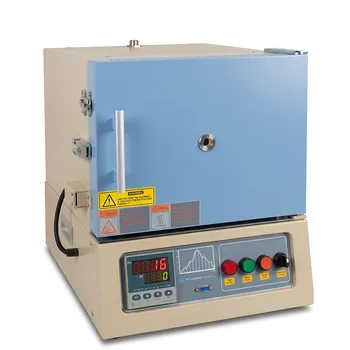
1200C Muffle Furnace 12x8x5 7.2L Heating Chamber with Quartz Observation Window and Vent Port
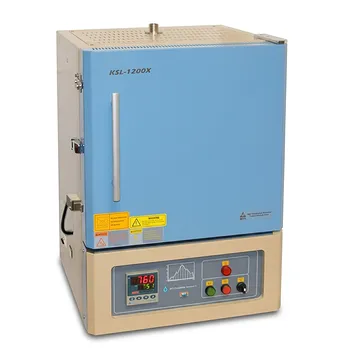
High Temperature 1200C Muffle Furnace 27L Volume 12x12x12 Chamber with Programmable PID Controller for Laboratory Material Science
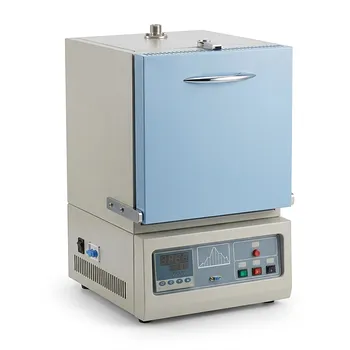
1750C Compact Muffle Furnace 1.7L Ultra High Temperature Laboratory Sintering System for Advanced Ceramics and Material Science Research
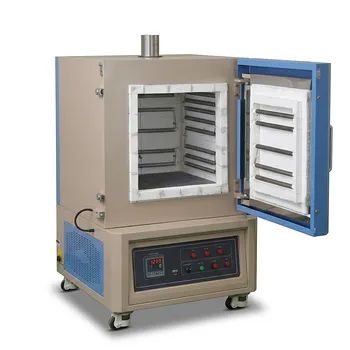
1200C High Temperature 125L Muffle Furnace 5 Side Heating for Large Batch Sintering with Optional Alloy Debinding Chamber
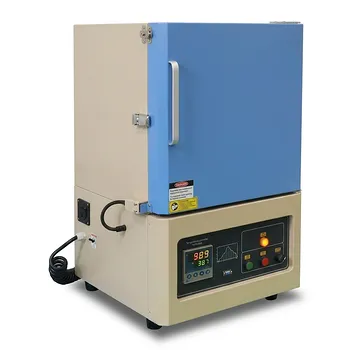
1200°C High Temperature Muffle Furnace 19L Chamber with 50 Segment Programmable Controller
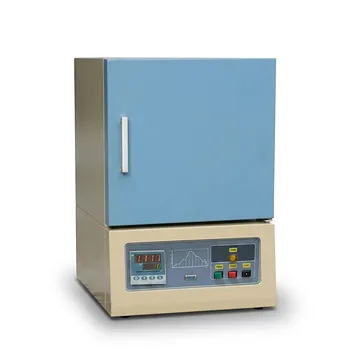
Ultra High Temperature Bench Top Muffle Furnace 1750C Sintering System with Kanthal Super Heating Elements and Precision Digital Control
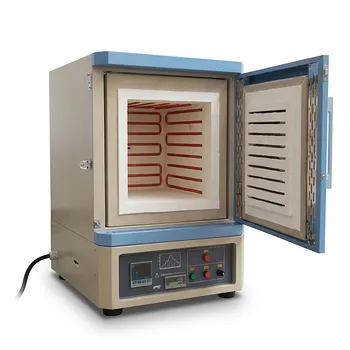
Five Side Heating Muffle Furnace 1200C High Uniformity 64L Chamber 16x16x16 Inch Industrial Heat Treatment
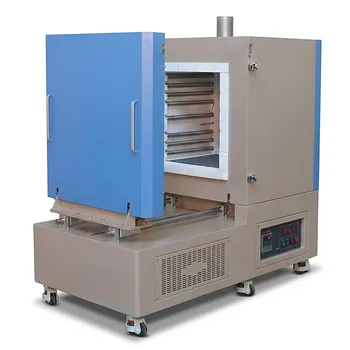
1200C Five Side Heating Muffle Furnace with Sliding Door 125L Volume High Temperature Heat Treatment System for Large Scale Sintering and Annealing
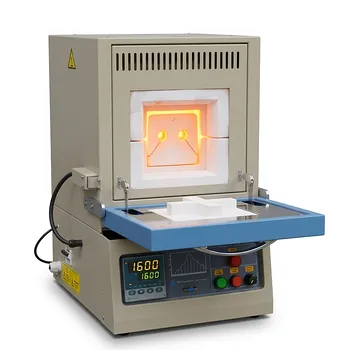
High Temperature Compact Muffle Furnace 1700 C with 30 Segment Programmable Controller and 1.7L Cubic Chamber
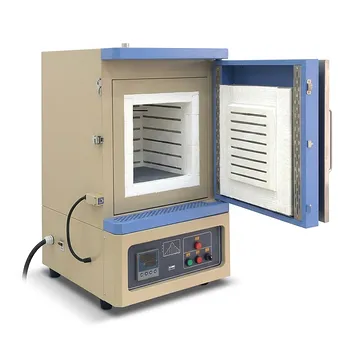
Five Side Heating Muffle Furnace High Purity Alumina Fiber 27L Chamber 1200C High Temperature Thermal Processing System for Sintering Annealing and Materials Research
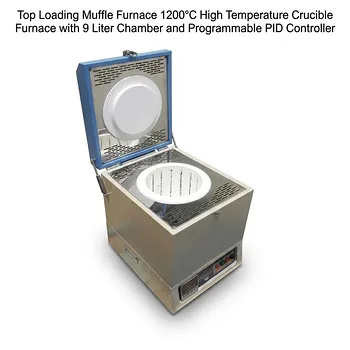
Top Loading Muffle Furnace 1200°C High Temperature Crucible Furnace with 9 Liter Chamber and Programmable PID Controller
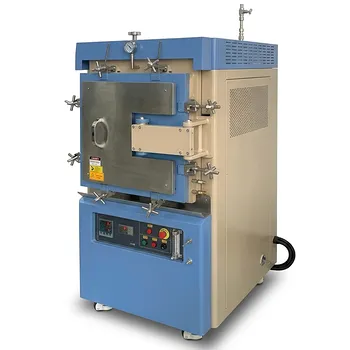
Atmosphere Controlled Muffle Furnace 1700C Maximum Temperature 80L High Capacity Vacuum Inert Gas Box Furnace
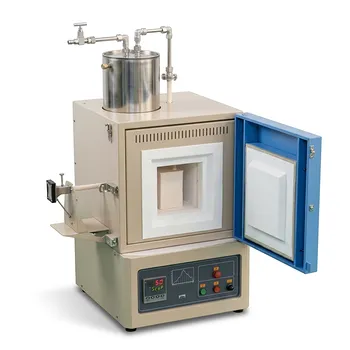
High Temperature Bench Top Muffle Furnace 1700C with Integrated Evaporating Particle Collection and 8x8x8 Alumina Fiber Chamber
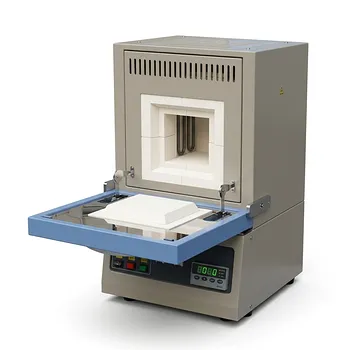
Five Sided Heating Muffle Furnace High Uniformity 1200C Lab Box Furnace 27L Alumina Fiber Chamber
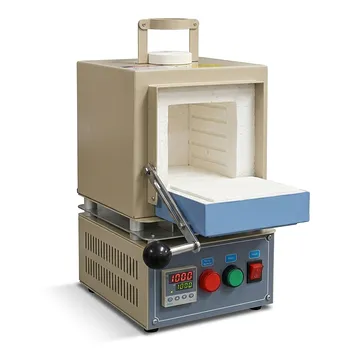
Compact 1000C Muffle Furnace with Programmable Controller and 2 Inch Top Port for Vacuum and Atmosphere Material Research
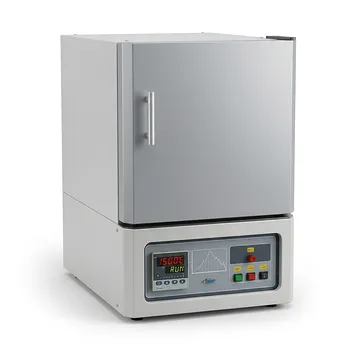
High Temperature 1500C Benchtop Muffle Furnace 3.6L Alumina Fiber Chamber Programmable Controller Sintering Annealing Carbonization Thermal Processing System
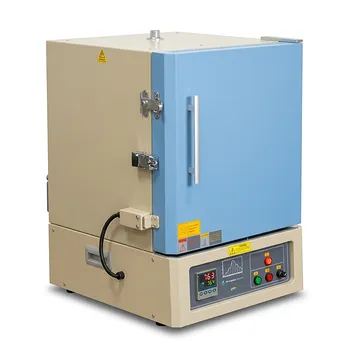
Large Capacity 1200C Muffle Furnace 64 Liter Chamber with Digital PID Controller and Built In Venting Port
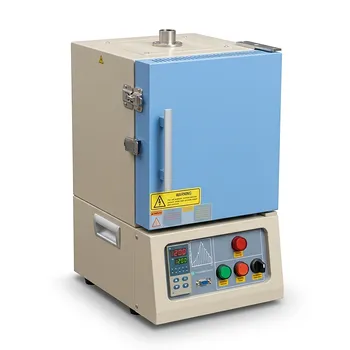
1200°C Small Box Furnace 4.2 Liter Programmable Muffle Furnace with High Purity Alumina Insulation and PID Control
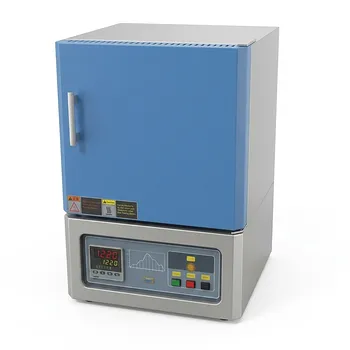
High Temperature Benchtop Muffle Furnace 1700C 10L Chamber Alumina Fiber Insulation MoSi2 Heating Elements