How does a water-cooled aluminum chamber protect the integrity of the high-temperature experimental system? Expert Guide
Updated 3 months ago
The water-cooled aluminum chamber acts as a thermal buffer by utilizing continuous water circulation to intercept and dissipate heat before it reaches sensitive system boundaries. By installing these chambers at the ends of the reaction tube, the system effectively isolates extreme experimental temperatures from the delicate sealing and monitoring hardware. This mechanism is the primary line of defense against structural failure and vacuum loss in high-temperature environments.
A water-cooled aluminum chamber preserves system integrity by maintaining temperature-sensitive seals and sensors within their safe operational limits, preventing thermal degradation and ensuring a hermetically sealed environment.
The Mechanics of Thermal Dissipation
Strategic Placement for Heat Interception
The chambers are positioned specifically at the ends of the reaction tube, which are the critical junctions where the internal environment meets the external atmosphere. This placement creates a thermal "dead zone" that prevents high temperatures from migrating toward the edges of the apparatus.
Active Cooling via Continuous Circulation
Heat is removed through the process of forced convection as cooling water flows through the aluminum housing. Because aluminum has high thermal conductivity, it efficiently draws heat away from the tube and transfers it to the moving water, which carries the energy out of the system.
Protecting the System’s Airtight Seal
Preventing Polymer Degradation
Standard sealing components, such as fluoroelastomer or silicone O-rings, have strict thermal thresholds. Without active cooling, the high temperatures of the reaction tube would cause these polymers to melt, harden, or become brittle, leading to a catastrophic loss of sealing capability.
Maintaining Atmospheric Control
The primary function of these seals is to ensure system airtightness, which is vital for experiments requiring a vacuum or a specific gas composition. By keeping the O-rings at a safe temperature, the aluminum chamber ensures that the experimental atmosphere remains uncontaminated and stable throughout the process.
Safeguarding Optical and Sensing Equipment
Protection of Optical Windows
Many high-temperature systems utilize optical windows for visual observation or laser diagnostics. These windows are often sensitive to thermal gradients; the water-cooled chamber ensures the mounting points remain cool, preventing thermal stress that could crack the glass or distort the view.
Ensuring Sensor Reliability
High-precision sensors are often rated for much lower temperatures than the reaction itself. By maintaining a localized cool zone, the chamber allows these sensors to operate within their safe limits, ensuring that the data collected remains accurate and that the hardware is not permanently damaged by heat soak.
Understanding the Trade-offs and Risks
The Risk of Coolant Failure
The most significant vulnerability of this design is its total dependency on water flow. If the circulation pump fails or a line becomes clogged, the heat will rapidly reach the O-rings, potentially causing an immediate breach of the system.
Condensation Management
In humid environments, the temperature of the aluminum chamber can drop below the dew point if the cooling water is too cold. This can lead to condensation on the exterior or interior of the chamber, which might interfere with optical measurements or cause corrosion over long periods.
How to Apply This to Your Project
To ensure the long-term integrity of your high-temperature system, consider these recommendations based on your operational goals:
- If your primary focus is long-term vacuum stability: Ensure that your water-cooling loop includes a flow-rate sensor and an automatic system cutoff to prevent seal failure in the event of a pump malfunction.
- If your primary focus is data accuracy from optical sensors: Monitor the temperature of the cooling water to prevent it from reaching the dew point, thereby avoiding condensation on your optical windows.
- If your primary focus is minimizing maintenance costs: Regularly inspect the fluoroelastomer O-rings for signs of hardening, even with active cooling, to ensure that thermal cycling hasn't compromised the material over time.
By effectively managing heat at the system boundaries, you ensure that your experimental results are driven by the conditions inside the tube rather than the failure of the hardware containing them.
Summary Table:
| Component | Protection Mechanism | Key Benefit |
|---|---|---|
| O-ring Seals | Thermal Buffering | Prevents polymer melting and maintains vacuum integrity |
| Optical Windows | Forced Convection | Reduces thermal stress and prevents glass cracking |
| Precision Sensors | Localized Cooling | Ensures data accuracy and prevents hardware heat damage |
| System Boundaries | Heat Interception | Isolates extreme internal heat from external hardware |
Maximize Your Research Precision with THERMUNITS
Ensure the longevity and accuracy of your high-temperature experiments with expert-engineered thermal solutions. THERMUNITS is a leading manufacturer of high-performance laboratory equipment for material science and industrial R&D. We offer a comprehensive range of systems including Muffle, Vacuum, Atmosphere, Tube, Rotary, and Hot Press furnaces, as well as CVD/PECVD systems and Dental Furnaces.
Whether you require an electric rotary kiln, a vacuum induction melting furnace (VIM), or specialized thermal elements, our equipment is designed to maintain the highest standards of system integrity and atmospheric control.
Ready to optimize your lab's thermal processing? Contact our technical team today to discuss your specific requirements and discover how our advanced heating and cooling technologies can empower your next breakthrough.
References
- B. V. Rangavittal, Björn Glaser. Experimental Determination of Slag Emissivities for Enhanced Slag Control by Infrared‐Based Systems. DOI: 10.1002/srin.202400277
Mentioned Products
- Five Side Heating Muffle Furnace High Purity Alumina Fiber 27L Chamber 1200C High Temperature Thermal Processing System for Sintering Annealing and Materials Research
- High Temperature 1800C Compact Muffle Furnace with Kanthal Super 1900 Heating Elements and 1.7L Alumina Chamber
- High Temperature 1700C Six Zone Split Tube Furnace with Alumina Tube and Water Cooled Flanges
- High Temperature Benchtop Muffle Furnace 1700C 10L Chamber Alumina Fiber Insulation MoSi2 Heating Elements
- 1800C Bench Top Muffle Furnace with Kanthal Super 1900 Heating Elements and 3.6L Alumina Fiber Chamber
People Also Ask
- What are the typical operating temperature ranges for standard and advanced muffle furnaces? Expert Temperature Guide.
- In what ways do muffle furnaces support aerospace and advanced materials testing? Essential High-Temp Validation Tools
- How does the heating mechanism of a muffle furnace differ from that of an open-flame furnace? Indirect vs Direct Heat
- What is the role of the muffle furnace in h-BN precursor preparation? Optimize Morphology and Chemical Purity.
- Why is the muffle design advantageous for the production of ceramics and glass? Ensure Purity and Structural Integrity

Tech Team · ThermUnits
Last updated on Jun 03, 2026
Related Products
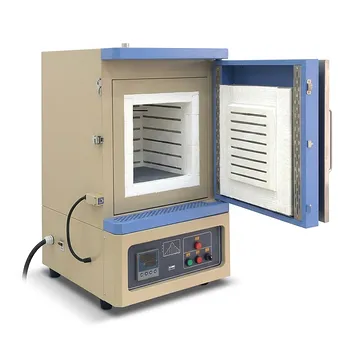
Five Side Heating Muffle Furnace High Purity Alumina Fiber 27L Chamber 1200C High Temperature Thermal Processing System for Sintering Annealing and Materials Research
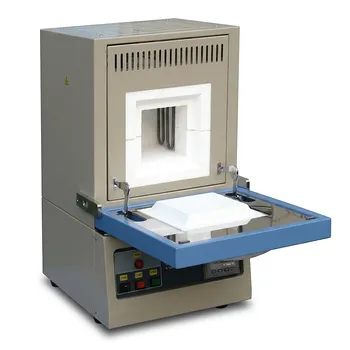
High Temperature 1800C Compact Muffle Furnace with Kanthal Super 1900 Heating Elements and 1.7L Alumina Chamber
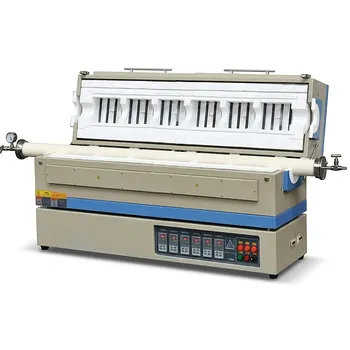
High Temperature 1700C Six Zone Split Tube Furnace with Alumina Tube and Water Cooled Flanges
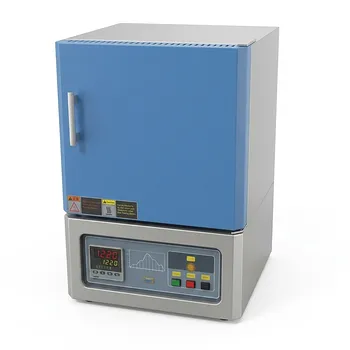
High Temperature Benchtop Muffle Furnace 1700C 10L Chamber Alumina Fiber Insulation MoSi2 Heating Elements
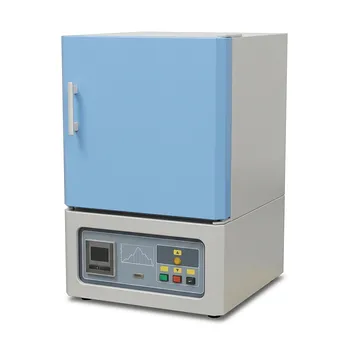
1800C Bench Top Muffle Furnace with Kanthal Super 1900 Heating Elements and 3.6L Alumina Fiber Chamber
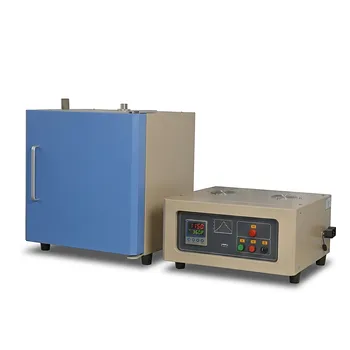
High Temperature Muffle Furnace with Alloy Chamber for Debinding and Sintering Applications
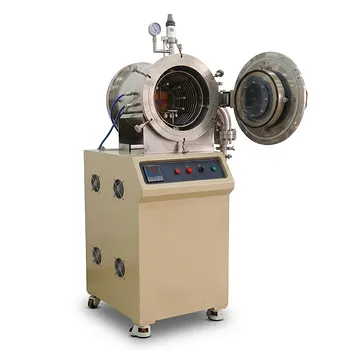
High Temperature Cold Wall High Vacuum Chamber Furnace 1400C for Advanced Material Processing
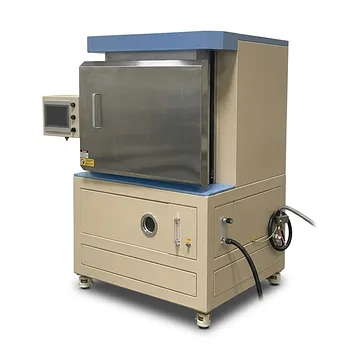
1650C High Temperature Atmosphere Controlled Box Furnace with 65L Chamber for Advanced Material Sintering and Industrial Heat Treatment
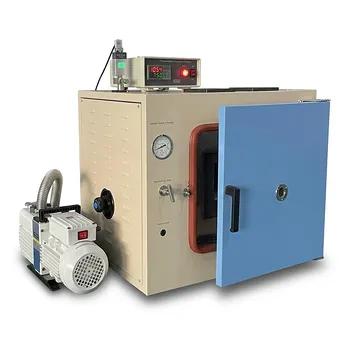
Compact High Vacuum Box Furnace 1050C Max 6.2L Ceramic Chamber Stainless Steel Shell Programmable Temperature Controller for Material Science Research
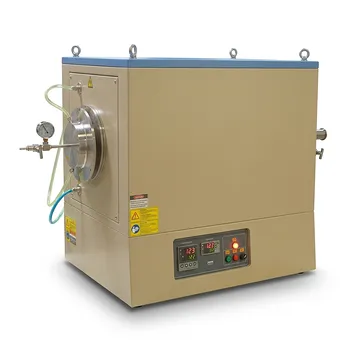
1100°C Large Diameter Quartz Tube Furnace with 24 Inch Heating Zone and Water Cooled Flanges
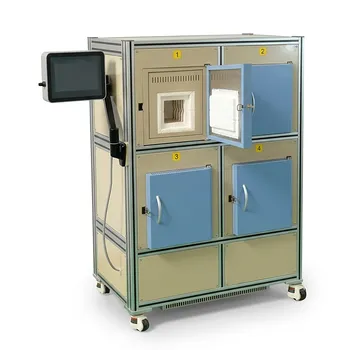
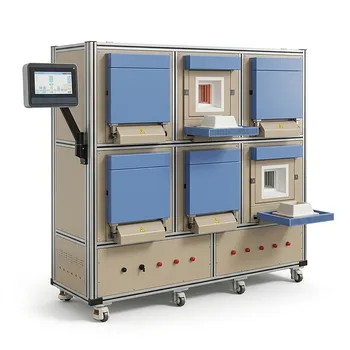
High Temperature Four Chamber Box Furnace for High Throughput Materials Research and Space Saving Thermal Processing
Five Side Heating Muffle Furnace 1200C High Uniformity 64L Chamber 16x16x16 Inch Industrial Heat Treatment
1200C Muffle Furnace 12x8x5 7.2L Heating Chamber with Quartz Observation Window and Vent Port