How does high-temperature heating equipment ensure the performance of platinum (Pt) reference counter electrodes? Pt Tips
Updated 3 months ago
Precision thermal processing is the critical factor in transforming a passive chemical precursor into a high-performance electrocatalytic surface. High-temperature heating equipment ensures the performance of platinum (Pt) counter electrodes by facilitating a controlled thermal decomposition process. By maintaining a steady environment of 450°C for 45 minutes, the equipment reduces the platinum precursor into a dense layer of nano-platinum particles, which provide the catalytic activity necessary for efficient electrochemical reactions.
Core Takeaway: The performance of a platinum counter electrode depends on the complete reduction of precursors into nano-structured particles. High-temperature equipment provides the precise thermal energy required to trigger this decomposition, ensuring maximum electrocatalytic efficiency for the triiodide-to-iodide reduction reaction.
The Role of Thermal Decomposition in Electrode Fabrication
Converting Precursors to Catalytic Sites
In its initial state, the platinum precursor coated on a substrate lacks the necessary properties to facilitate electron transfer. The heating equipment provides the activation energy required to break chemical bonds within the precursor. This process, known as thermal decomposition, strips away stabilizing agents and ligands, leaving behind pure platinum.
Achieving Nanostructured Surfaces
The specific temperature profile ensures that the resulting platinum is not a smooth, bulk metal, but a collection of nano-platinum particles. These nanoparticles significantly increase the effective surface area of the electrode. A higher surface area provides more active sites for chemical reactions, directly enhancing the electrode's performance.
Precision Control: Why 450°C and 45 Minutes Matter
Ensuring Complete Reduction
If the temperature is too low or the duration too short, the precursor may only partially decompose. The equipment’s ability to maintain 450°C ensures that the chemical reduction is absolute, leaving no unreacted precursor that could foul the electrolyte. This consistency is vital for the long-term stability of the electrochemical cell.
Catalyzing the Triiodide to Iodide Reaction
The ultimate goal of this thermal process is to enable the effective catalysis of the reduction reaction of triiodide to iodide. This specific redox reaction is the engine of many electrochemical systems, such as dye-sensitized solar cells. Properly heated nano-platinum particles lower the overpotential required for this reaction, maximizing the system's overall energy efficiency.
Common Pitfalls and Technical Trade-offs
The Risk of Thermal Sintering
While high heat is necessary for decomposition, excessive temperatures or prolonged exposure can lead to sintering. This occurs when individual nanoparticles begin to fuse together, reducing the total surface area and degrading catalytic performance. Precise equipment timing is essential to stop the process once the precursor is fully reduced but before sintering begins.
Substrate Compatibility and Stress
Not all substrates can withstand high thermal loads; heating a substrate to 450°C introduces thermal stress. If the heating or cooling cycles are too rapid, the platinum layer may delaminate or the substrate itself may crack. Effective heating equipment must provide controlled ramp rates to manage the differing thermal expansion coefficients between the platinum and the underlying material.
Optimizing Your Platinum Electrode Preparation
Achieving the best results with platinum counter electrodes requires balancing chemical conversion with material integrity.
- If your primary focus is Maximum Catalytic Activity: Ensure the equipment is calibrated to hit exactly 450°C to facilitate the finest possible nano-platinum particle distribution.
- If your primary focus is Long-term Durability: Prioritize the full 45-minute soak time to ensure no precursor residue remains to interfere with the electrolyte over time.
- If your primary focus is Substrate Integrity: Use equipment with programmable cooling stages to prevent the platinum layer from flaking due to rapid thermal contraction.
By mastering the thermal decomposition window, you ensure your platinum electrodes provide the high electrocatalytic activity required for demanding electrochemical applications.
Summary Table:
| Parameter | Optimal Setting | Impact on Performance |
|---|---|---|
| Temperature | 450°C | Ensures complete thermal decomposition of Pt precursors. |
| Duration | 45 Minutes | Facilitates formation of dense nano-platinum particles. |
| Surface Structure | Nanostructured | Maximizes active sites for triiodide-to-iodide reduction. |
| Control Focus | Ramp & Soak Rates | Prevents thermal stress, sintering, and layer delamination. |
Elevate Your Material Research with THERMUNITS Precision Heating
Achieving the perfect nanostructured surface for platinum electrodes requires the uncompromising temperature stability and precision control that only professional-grade equipment can provide.
THERMUNITS is a leading manufacturer of high-temperature laboratory equipment specifically designed for material science and industrial R&D. We offer a comprehensive suite of thermal processing solutions to optimize your electrode fabrication, including:
- High-Precision Muffle & Tube Furnaces: Perfect for the 450°C thermal decomposition window.
- Vacuum & Atmosphere Furnaces: Prevent oxidation and contamination during sensitive heat treatments.
- Advanced CVD/PECVD Systems: For sophisticated thin-film and nanoparticle deposition.
- Specialized Solutions: Including Rotary kilns, Hot Press furnaces, and Vacuum Induction Melting (VIM) systems.
Whether you are refining catalytic efficiency or scaling up industrial electrochemical cells, THERMUNITS provides the reliability your research demands.
Ready to optimize your thermal processing? Contact our engineering team today to discuss your specific requirements and find the ideal heating solution for your lab.
References
- Khom Narayan Chaudhary, Prakash Joshi. Carbon derived from Jute Sacks For Low-Cost and Efficient Counter Electrodes of Dye-Sensitized Solar Cells. DOI: 10.56042/ijpap.v62i10.11987
Mentioned Products
- Electric Rotary Kiln Continuous Working Small Rotary Furnace Heating Pyrolysis Plant
- Heavy Duty 15 KW Induction Heater 30-80 kHz Three Phase 220V with Precision Timer Control
- 15KW 1700C Max Induction Heater 6 Inch Tube with Dose Feeding and Melt Stirring Function
- Desktop High Frequency Induction Heater for Precision Metal Melting and Laboratory Thermal Processing 0.6 to 1.1MHz
- High Frequency Induction Heating System 7 KW Bench Top Heater with Automatic Timer Control and Dual Station Configuration
People Also Ask
- What thermal efficiency can be expected from an electric rotary kiln compared to fuel-fired alternatives? Gain 95% efficiency.
- How does the use of an electric rotary kiln facilitate CO2 capture in cement and lime production? Achieve High-Purity CCUS
- What are the maintenance and service life advantages of an electric rotary kiln? 25+ Year Longevity & Low Maintenance
- How does the electric rotary kiln support environmental compliance and sustainability? Achieve Zero-Emission Production
- What are the primary components and heating mechanisms of an electric rotary kiln? Optimize High-Purity Heat Treatment

Tech Team · ThermUnits
Last updated on Jun 02, 2026
Related Products
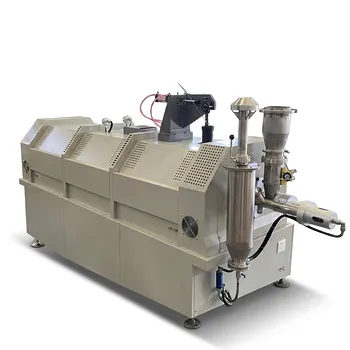
Electric Rotary Kiln Continuous Working Small Rotary Furnace Heating Pyrolysis Plant
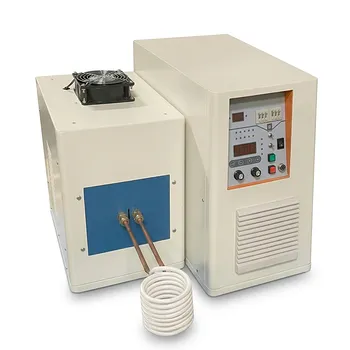
Heavy Duty 15 KW Induction Heater 30-80 kHz Three Phase 220V with Precision Timer Control
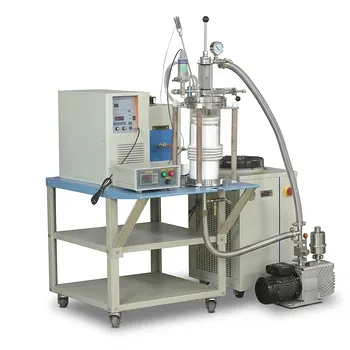
15KW 1700C Max Induction Heater 6 Inch Tube with Dose Feeding and Melt Stirring Function
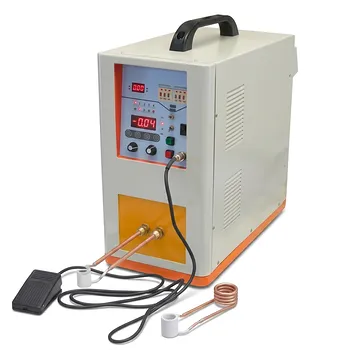
Desktop High Frequency Induction Heater for Precision Metal Melting and Laboratory Thermal Processing 0.6 to 1.1MHz
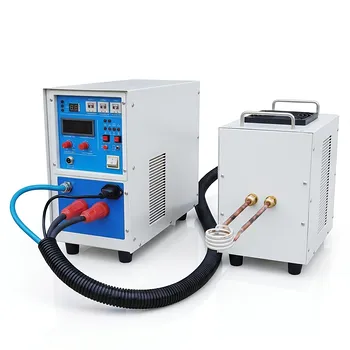
High Frequency Induction Heating System 7 KW Bench Top Heater with Automatic Timer Control and Dual Station Configuration
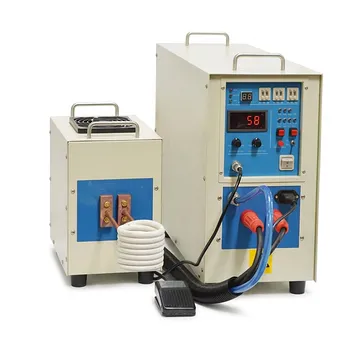
High Frequency Desktop Induction Heater 15 KVA Induction Heating System with Automatic Timer Control for Material Research and Metal Melting
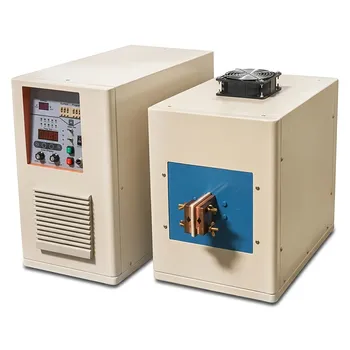
High Frequency Desktop Induction Heater 35KW 30-80 KHz with Precision Timer Control for Industrial Material Research and Metal Processing
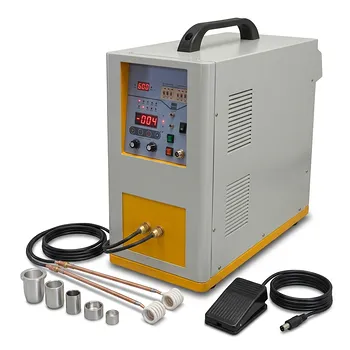
Desktop High Frequency Induction Heater 6KW 100-500kHz for Precision Metal Melting and Heat Treatment
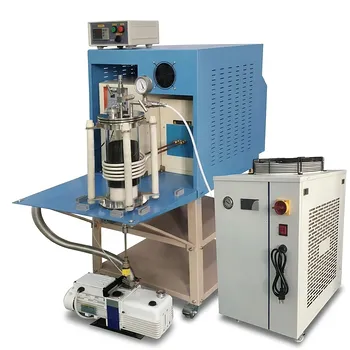
15KW Induction Heating System with 5 Inch Quartz Tube and 2200C Temperature Controller
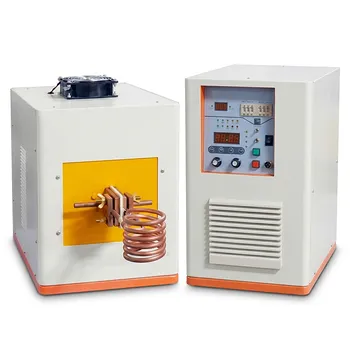
30KW High Frequency Induction Heater for Metal Melting and Industrial Heat Treatment 80-200kHz
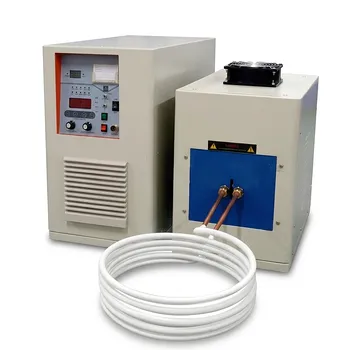
High Power 25KW Induction Heating System with Precision Timer Control and 80kHz Frequency for Metal Melting and Heat Treatment
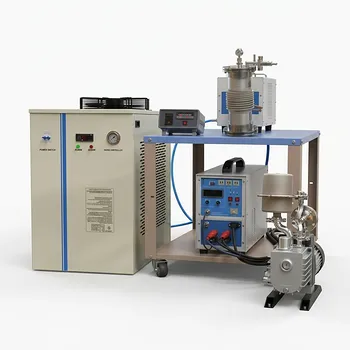
Induction Heating System with Temperature Control for High Temperature Vacuum Sintering and Melting