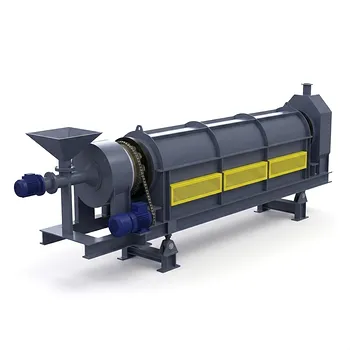
How does the rotation speed of a rotary furnace affect the material processing? Optimize Residence Time & Heat Uniformity
Updated 5 months ago
Rotation speed is the primary mechanism for controlling Mean Residence Time (MRT) and thermal uniformity in a rotary furnace. By adjusting the revolutions per minute (RPM)—typically within a range of 0.5 to 5 RPM—operators can precisely dictate how quickly material moves through the heated chamber and the rate at which fresh particle surfaces are exposed to the process atmosphere.
Core Takeaway: The rotation speed of a rotary furnace serves as the "throttle" for chemical and thermal kinetics, directly balancing material throughput against the necessity for uniform heat distribution and complete reaction time.
The Relationship Between Speed and Residence Time
Defining Mean Residence Time (MRT)
Rotational angular velocity is the most significant operational parameter affecting how long a material stays inside the furnace. Increasing the rotation speed causes particles to move more rapidly across the internal heating surfaces, which significantly reduces the total residence time.
Flexibility in Industrial Calcination
Variable-speed motors allow industrial furnaces to accommodate varying calcination requirements for different raw materials. By adjusting the motor frequency, facilities can rapidly switch production processes without physical reconfigurations of the kiln.
Controlling Material Flow Rate
Beyond just timing, rotation speed dictates the volumetric flow rate of the material through the chamber. This mechanical control ensures that the furnace can handle continuous processing of large batches while maintaining a consistent output volume.
Enhancing Heat Transfer and Mixing
Overcoming Static Limitations
Unlike static furnaces where heat must penetrate a stationary bed of material, a rotary furnace uses mechanical agitation. This movement continuously brings "cold" material from the core to the surface, overcoming the inherent heat transfer limitations of bulk processing.
Eliminating Hotspots
The dynamic movement of the powder or granular layer ensures excellent heat uniformity. By preventing material from stagnating against the heating elements, the rotation discourages the formation of hotspots that can lead to uneven product quality or localized melting.
Gas-Solid Interaction
For processes requiring controlled atmospheres, such as carbothermal reduction or hydrogen atmospheres, rotation is critical. The constant tumbling ensures that every particle is uniformly exposed to the surrounding gases, ensuring consistent reaction kinetics throughout the batch.
Understanding the Trade-offs and Pitfalls
The Risk of Short-Circuiting
If the rotation speed is set too high, the material may pass through the furnace too quickly to achieve the required chemical transformation. This "short-circuiting" results in under-processed material that fails to meet purity or structural specifications.
Material Segregation and Dusting
Extremely high speeds can cause mechanical dusting, where fine particles become entrained in the gas flow and are carried out of the furnace. Conversely, speeds that are too low may lead to material "caking" or sticking to the tube walls, especially in specialty chemical production.
Mechanical Wear and Stress
Operating at the higher end of the RPM range increases the load on the riding rings (tyres) and support rollers. While the system is designed for durability, sustained high-speed operation can accelerate the wear on the girth gear and drive system, leading to increased maintenance costs.
How to Apply This to Your Process
Choosing the correct rotation speed depends entirely on your material's thermal properties and the specific chemical reaction you are targeting.
- If your primary focus is Maximum Throughput: Increase the rotation speed to the highest stable RPM while monitoring the output for complete calcination or reaction.
- If your primary focus is High-Purity Synthesis: Maintain a lower, more consistent rotation speed to maximize the gas-solid interaction time and ensure total thermal uniformity.
- If your primary focus is Processing Sticky or Fine Feeds: Use a moderate speed in conjunction with internal lifters to ensure the material remains agitated and does not adhere to the tube walls.
Ultimately, mastering the rotation speed allows you to transform a simple heating chamber into a precision-tuned chemical reactor.
Summary Table:
| Speed Setting | Impact on MRT | Heat Uniformity | Primary Application |
|---|---|---|---|
| Low (0.5 - 1 RPM) | Long | Very High | High-purity synthesis & total chemical transformation |
| Medium (2 - 3 RPM) | Moderate | Balanced | Standard calcination & industrial chemical processing |
| High (4 - 5 RPM) | Short | Variable | Maximum throughput & bulk material processing |
Achieve precision in every batch with THERMUNITS, a leading manufacturer of high-temperature laboratory equipment for material science and industrial R&D. Whether you need an advanced Rotary Furnace to control residence time or specialized Vacuum, Atmosphere, Tube, or Hot Press furnaces, we provide the comprehensive thermal processing solutions your research demands. Our expertise also covers CVD/PECVD systems, Dental Furnaces, and Vacuum Induction Melting (VIM) units.
Contact our expert team today to discuss your heat treatment requirements and discover how our high-performance equipment can accelerate your innovation!
Mentioned Products
- 900°C Max Rotary Tube Furnace with 8 Inch 310S Alloy Tube and Optional Multi Zone Heating for Industrial Material Calcination
- 1500C 3-Zone Rotary Tube Furnace 60mm with Automatic Powder Feeding and Receiving System for Continuous Material Synthesis
- High Temperature 1700C Dual Zone Rotary Tube Furnace with 60mm Alumina Tube and Precision Rotation Control
- Mini Rotary Tubular Furnaces for Precision Powder Heat Treatment and Thermogravimetric Analysis
- Three Zone Rotary Tube Furnace for High Temperature Powder Processing and Material Research
People Also Ask
- How does a rotary tube furnace improve the processing of granular materials? Enhance Uniformity and Reaction Kinetics
- Why use a rotary tube furnace for FACS carbonization? Ensure uniform morphology and prevent sphere agglomeration.
- Why is the precise optimization of residence time essential in the catalyst calcination process? Maximize Your Yields.
- In what ways do rotary tube furnaces enhance chemical and specialty mineral processing? Drive Precision and Uniformity.
- What parameters must operators control to maintain product quality in a rotary furnace? Master Your Heat Treatment.

Tech Team · ThermUnits
Last updated on Apr 14, 2026
Related Products
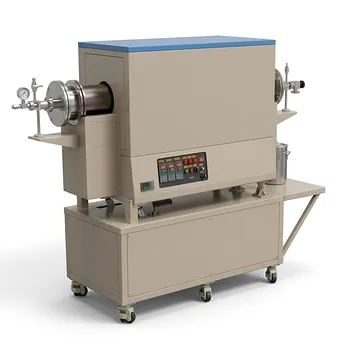
900°C Max Rotary Tube Furnace with 8 Inch 310S Alloy Tube and Optional Multi Zone Heating for Industrial Material Calcination
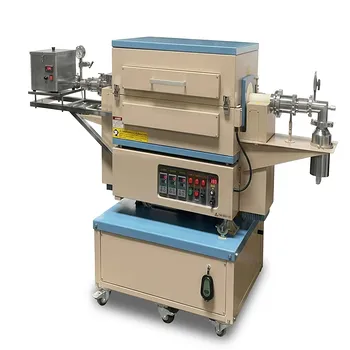
1500C 3-Zone Rotary Tube Furnace 60mm with Automatic Powder Feeding and Receiving System for Continuous Material Synthesis
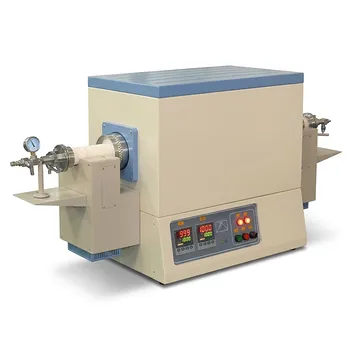
High Temperature 1700C Dual Zone Rotary Tube Furnace with 60mm Alumina Tube and Precision Rotation Control
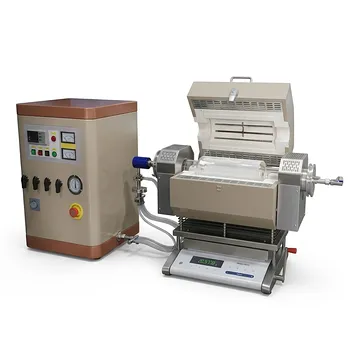
Mini Rotary Tubular Furnaces for Precision Powder Heat Treatment and Thermogravimetric Analysis
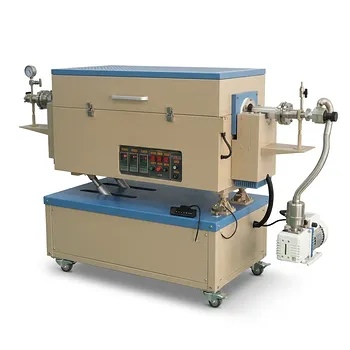
Three Zone Rotary Tube Furnace for High Temperature Powder Processing and Material Research
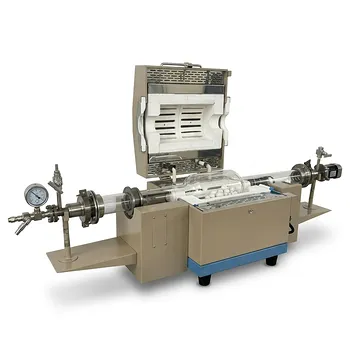
High Temperature Rotary Tube Furnace with Integrated Ball Milling and Gas Flow Function for Powder Nitriding
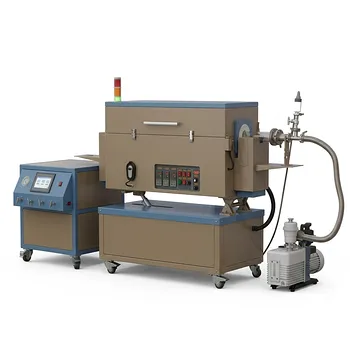
5 Inch Three Zone Rotary Tube Furnace with Integrated Gas Delivery System and 1200C Capability for Advanced Material CVD Processing
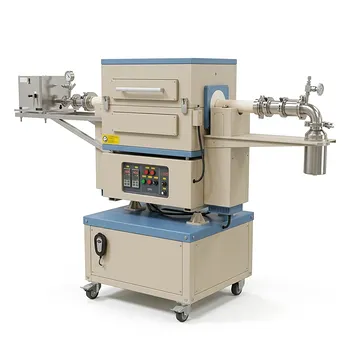
1500C Max Dual Zone Rotary Tube Furnace with 60 mm OD Alumina Tube for High Temperature Material Synthesis
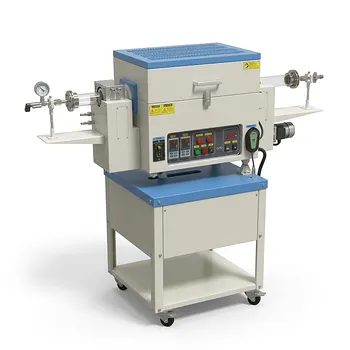
4 Inch Two Zone Rotary CVD Tube Furnace for High Temperature Battery Material Synthesis and Advanced Material Calcination
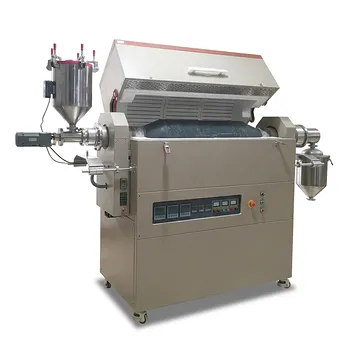
High Temperature Tilting Rotary Tubular Furnace for Continuous Powder Thermal Processing and Controlled Atmosphere Sintering
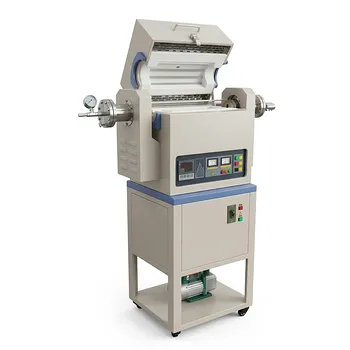
High Temperature Rotary Tilt Tubular Furnaces for Advanced Powder Sintering and Material Processing
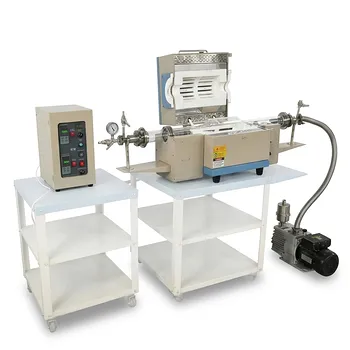
Two Zone Rotary Tube Furnace for Powder CVD Coating and Core Shell Material Synthesis 1100C
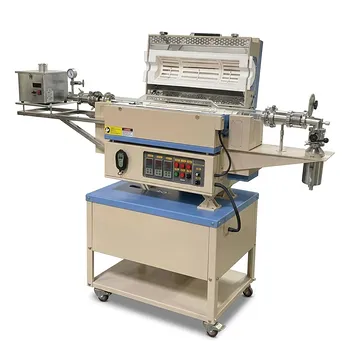
5 Inch Rotary Tube Furnace with Automatic Feeding and Receiving System 1200C Three Zone CVD Powder Processing
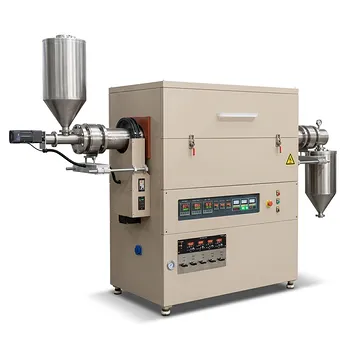
High Temperature Tilting Rotary Tube Furnace with Integrated Mass Flow Control and Multi Zone Heating
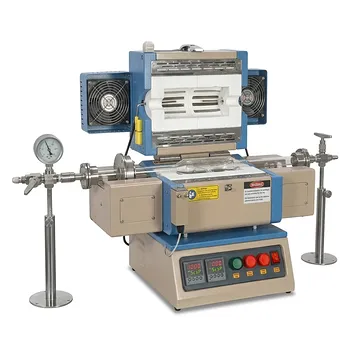
Dual Zone Rotary Tube Furnace for Uniform Powder Calcination 1000C 2 Inch Quartz Tube
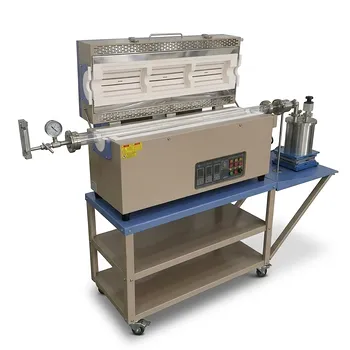
5 Inch Two Zone Rotary Tube Furnace 1100C for Powder CVD and Material Synthesis
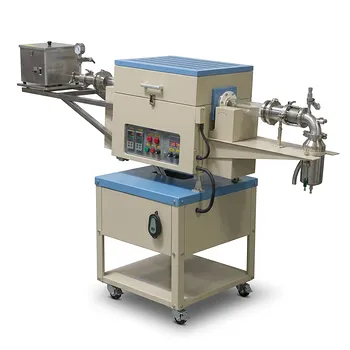
Two Zone Rotary CVD Furnace with Automatic Feeding and Receiving System for Powder Processing
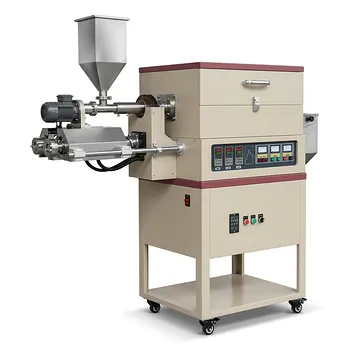
Laboratory Tilting Rotary Tubular Furnaces for Material Science and Industrial Heat Treatment
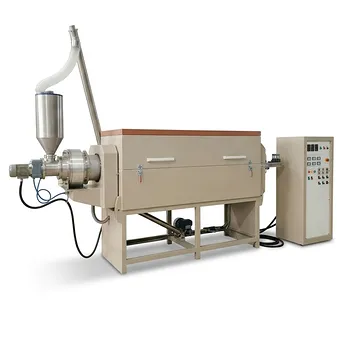
Continuous Feeding Rotary Tube Furnace for Industrial Powder Heat Treatment and Material Research