Why is the continuous flow of high-purity nitrogen necessary during the laboratory tube furnace activation process? Key Tips
Updated 3 months ago
The necessity of a continuous nitrogen flow stems from its dual role as a chemical shield and a molecular transport mechanism. During high-temperature activation, this inert stream prevents the immediate incineration of carbon materials and ensures that volatile reaction products do not stifle the chemical process or damage the furnace components.
Core Takeaway: Continuous high-purity nitrogen flow maintains an anaerobic environment to prevent material combustion while actively purging volatile by-products that would otherwise inhibit reaction equilibrium or degrade the furnace's structural integrity.
The Protective Barrier Against Oxidation
Preventing Material Loss Through Combustion
At the elevated temperatures required for activation (often exceeding 500°C), carbonaceous materials become highly reactive. Without a continuous flow of nitrogen to displace atmospheric oxygen, these materials would undergo oxidative combustion, effectively turning your sample into ash rather than activated carbon.
Preservation of the Carbon Skeleton
The goal of activation is to develop a precise internal pore structure and a robust carbon framework. By maintaining an oxygen-free environment, nitrogen ensures that the thermal energy focuses on pyrolysis and pore formation rather than non-selective burning, which maximizes both the yield and the quality of the final product.
Safeguarding Metal Species and Catalysts
In processes involving metallic components, such as zero-valent iron or nickel, nitrogen prevents the oxidation of metal species. This inert atmosphere allows carbon sources to transform into protective layers, like graphene shells, which are essential for the electrical conductivity and chemical stability of advanced catalysts.
Dynamic Gas Exchange and Reaction Equilibrium
Purging Inhibitory Volatile By-products
The activation reaction naturally generates gaseous by-products, including hydrogen (H2), carbon monoxide (CO), and water vapor. If these gases remain stagnant within the tube, they can shift the chemical equilibrium, slowing down the reaction or causing undesirable side reactions that compromise the sample's purity.
Preventing Secondary Deposition
A constant nitrogen stream acts as a "molecular broom," sweeping volatiles toward the furnace exhaust. This prevents these gaseous species from undergoing secondary deposition back onto the sample, which would otherwise block the newly formed pores and reduce the total surface area of the activated carbon.
Mitigating Equipment Corrosion
Many volatiles released during thermal treatment are chemically aggressive or corrosive at high temperatures. Continuous nitrogen flow protects the internal structural integrity of the furnace by ensuring these corrosive vapors are quickly removed from the heating zone before they can react with the furnace tube or heating elements.
Understanding the Trade-offs
Flow Rate Management
While nitrogen flow is essential, the rate of flow must be carefully calibrated. Excessive flow rates can lead to unwanted cooling of the sample zone, creating temperature gradients that result in uneven activation, while insufficient flow allows stagnant "dead zones" where oxygen or volatiles can accumulate.
Gas Purity Requirements
The term "high-purity" (typically 99.99% or higher) is a technical requirement, not a suggestion. Even trace amounts of oxygen in lower-grade nitrogen can cause partial oxidation at high temperatures, leading to a significant decrease in the mechanical strength and adsorption performance of the carbon framework.
How to Apply This to Your Project
Making the Right Choice for Your Goal
- If your primary focus is maximizing carbon yield: Maintain a consistent, high-purity nitrogen flow to ensure every gram of precursor is carbonized rather than oxidized.
- If your primary focus is developing high surface area/porosity: Ensure your flow rate is high enough to effectively purge all volatile "pore-blocking" by-products during the peak reaction phase.
- If your primary focus is protecting sensitive metal catalysts: Use ultra-high-purity nitrogen and verify the seal integrity of your tube furnace to prevent even minor oxygen ingress.
Proper management of the nitrogen atmosphere is the fundamental difference between controlled material synthesis and simple combustion.
Summary Table:
| Function | Benefit | Impact on Quality |
|---|---|---|
| Oxidation Prevention | Displaces atmospheric oxygen at high temps | Prevents material loss and incineration |
| Volatile Purging | Removes H2, CO, and water vapor | Prevents pore blocking and secondary deposition |
| Atmospheric Purity | Maintains 99.99% anaerobic environment | Maximizes mechanical strength and adsorption |
| Equipment Protection | Sweeps corrosive vapors from heating zone | Extends furnace tube and element lifespan |
Elevate Your Material Research with THERMUNITS
Achieve precision in every activation process with high-performance thermal solutions from THERMUNITS. As a leading manufacturer of high-temperature laboratory equipment, we specialize in providing the stability and atmosphere control necessary for advanced material science and industrial R&D.
Our comprehensive range includes Tube Furnaces, Vacuum and Atmosphere Furnaces, CVD/PECVD systems, and Rotary Kilns, all designed to handle rigorous high-purity nitrogen flows and complex heat treatments. Whether you are synthesizing activated carbon or protecting sensitive catalysts, our equipment ensures uniform heating and structural integrity.
Ready to optimize your lab’s thermal processing? Contact our experts today to find the perfect furnace solution for your specific research needs!
References
- M. M. El-Maadawy, Ahmed Taha. Conversion of carbon black recovered from waste tires into activated carbon <i>via</i> chemical/microwave methods for efficient removal of heavy metal ions from wastewater. DOI: 10.1039/d4ra00172a
Mentioned Products
- High Temperature Tube Furnace 1500C with Sliding Flanges and 50mm OD for Rapid Thermal Processing Fast Heating and Cooling
- Vertical 1700C Vacuum and Atmosphere Tube Furnace with 80mm Alumina Tube
- 1100C Tube Furnace with Vacuum Flange and Programmable Temperature Controller for Material Science and Industrial Heat Treatment
- Compact High Temperature 1600C Tube Furnace with 50mm Alumina Tube and Vacuum Flanges for Material Sintering
- 900°C Max Rotary Tube Furnace with 8 Inch 310S Alloy Tube and Optional Multi Zone Heating for Industrial Material Calcination
People Also Ask
- How are high-temperature tube furnaces utilized to repair etching damage? Precision Lattice Restoration Solutions
- What role does a high-temperature tube furnace play in CVD synthesis of silicon nanowires? Master VLS Growth Precision.
- What core conditions does a high-temperature tube furnace provide for rGO aerogels? Mastering Precision Synthesis.
- What role does a high-temperature tube furnace play in the sulfidation heat treatment of CoS@C/MXene nanocomposites? Guide
- How does precision tube furnace control influence CoFe nanoparticle formation? Master Your Bimetallic Synthesis.

Tech Team · ThermUnits
Last updated on Jun 02, 2026
Related Products
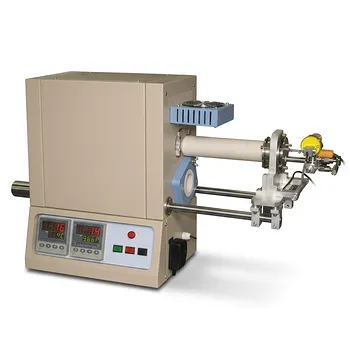
High Temperature Tube Furnace 1500C with Sliding Flanges and 50mm OD for Rapid Thermal Processing Fast Heating and Cooling

Vertical 1700C Vacuum and Atmosphere Tube Furnace with 80mm Alumina Tube
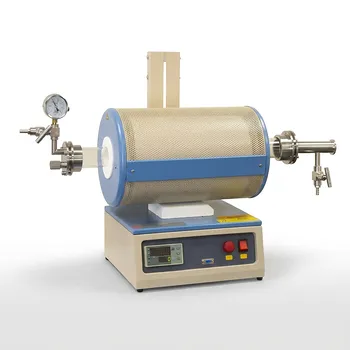
1100C Tube Furnace with Vacuum Flange and Programmable Temperature Controller for Material Science and Industrial Heat Treatment

Compact High Temperature 1600C Tube Furnace with 50mm Alumina Tube and Vacuum Flanges for Material Sintering
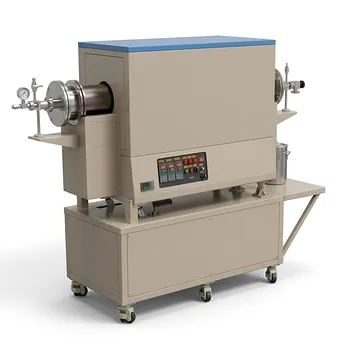
900°C Max Rotary Tube Furnace with 8 Inch 310S Alloy Tube and Optional Multi Zone Heating for Industrial Material Calcination
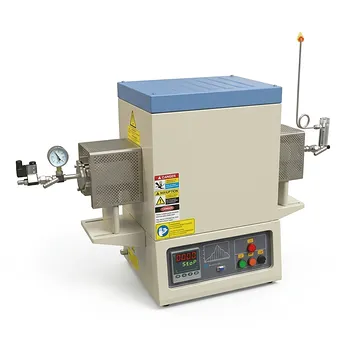
1700C Hydrogen Gas Tube Furnace with 60mm Alumina Process Tube and Integrated Hydrogen Safety Detector

High Temperature 1700C Tube Furnace with High Vacuum Turbomolecular Pump System and Multi Channel Mass Flow Controller Gas Mixer
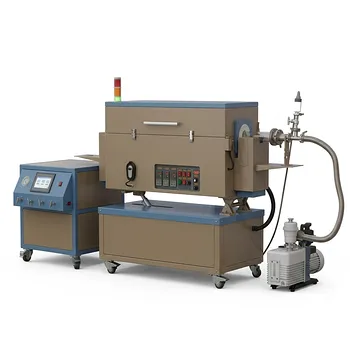
5 Inch Three Zone Rotary Tube Furnace with Integrated Gas Delivery System and 1200C Capability for Advanced Material CVD Processing
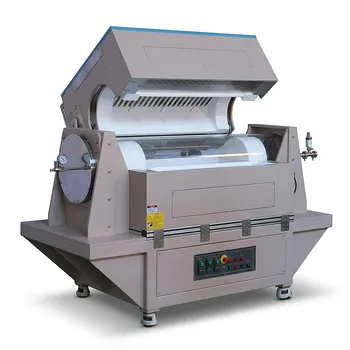
Three Zone Tube Furnace with 11 Inch or 15 Inch Quartz Tube and Hinged Flanges for Vacuum Atmosphere Heat Treatment
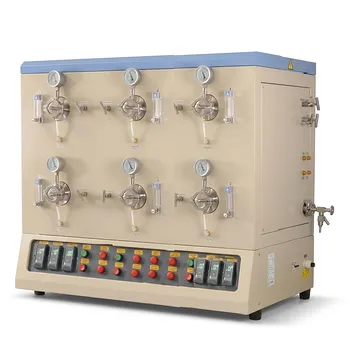
1200C High Throughput Multi Channel Tube Furnace with 50mm Quartz Tubes for Annealing and Material Phase Diagram Research
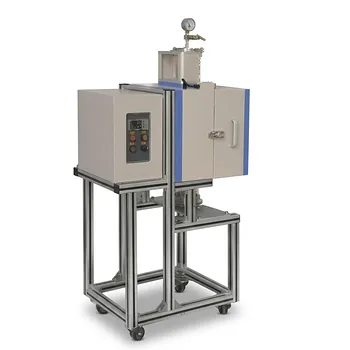
1200°C 5 Inch Vertical Quartz Tube Furnace with Stainless Steel Vacuum Flanges

1800C High Temperature Compact Vacuum Tube Furnace with 60mm OD Alumina Tube and Kanthal MoSi2 Heating Elements

High Temperature 1700C Benchtop Tube Furnace with 5 Inch Heating Zone High Purity Alumina Tube and Vacuum Sealing Flanges
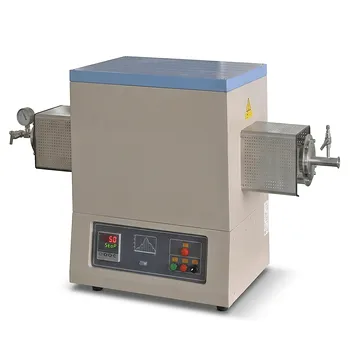
High Temperature 1700C Tube Furnace with 4 Inch OD Alumina Tube and Vacuum Sealing Flanges
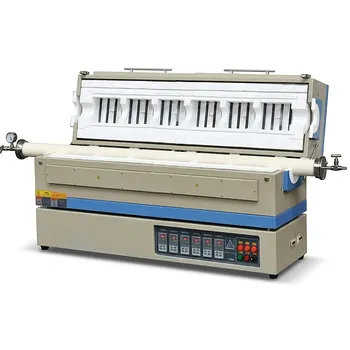
High Temperature 1700C Six Zone Split Tube Furnace with Alumina Tube and Water Cooled Flanges
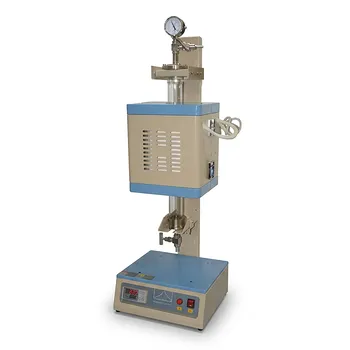
Compact Vertical Split Quartz Tube Furnace with Stainless Steel Vacuum Flanges for Rapid Thermal Quenching and Controlled Atmosphere Material Processing
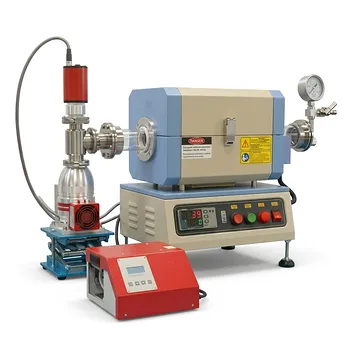
High Vacuum Compact Tube Furnace 1200C with Integrated Turbo Pump System and 8 Inch Heating Zone
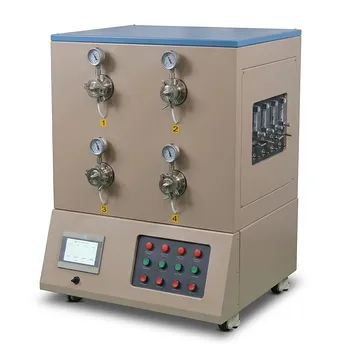
High Throughput 1200C Four Channel Tube Furnace with 3 Inch Quartz Tubes for Multi Zone Annealing and Material Research

High Temperature Automated 5 Inch Tube Furnace for Autonomous Material Research and Advanced Laboratory R&D
