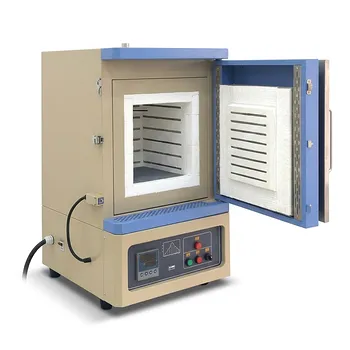
How is a muffle furnace used to evaluate ash content? Optimize Purity in Activated Carbon Production
Updated 6 months ago
The high-temperature muffle furnace is the indispensable tool for quantifying the inorganic fraction of biomass precursors. It subjects samples to controlled, oxidative combustion—typically at a constant temperature of 600°C—to completely eliminate organic matter. By weighing the residual mineral matter (ash), researchers can determine the precursor's purity and evaluate the effectiveness of pre-treatment processes like acid washing.
A muffle furnace provides the stable oxidative environment required to isolate inorganic minerals from organic biomass. This process is essential for verifying the quality of raw materials and optimizing the chemical treatments used to produce high-purity activated carbon.
The Mechanics of Ash Determination
Achieving Complete Oxidative Combustion
The muffle furnace operates by providing a stable oxidative atmosphere where biomass samples are heated in the presence of air. This environment triggers forced thermal decomposition, ensuring that all carbonaceous and organic components are entirely oxidized and volatilized.
As the organic matter is removed, only the non-combustible inorganic minerals remain in the crucible. These residuals typically consist of oxides such as calcium oxide and iron oxide, which represent the total ash content of the original sample.
Temperature Precision and Stabilization
While temperatures can range from 550°C to as high as 900°C depending on the specific protocol, a stable 600°C environment is often the benchmark for biomass analysis. Maintaining a constant temperature is vital to ensure that the mineralization reaction is uniform across all samples.
High-end furnaces ensure a uniform temperature field, which prevents localized under-heating or over-heating. This precision allows for the accurate separation of mineral components, which is necessary for scientific characterization and subsequent ash melting point testing.
The Role of Ash Analysis in Activated Carbon Production
Validating Impurity Removal Processes
A primary use of ash evaluation is to verify the effectiveness of impurity removal treatments, such as acid washing with agents like H2SO4. By comparing the ash content before and after treatment, researchers can quantify exactly how much inorganic matter was successfully leached out.
Lower ash content in the precursor directly correlates to higher purity in the final activated carbon product. This data is critical for industrial applications where specific mineral levels must be strictly controlled to prevent interference with adsorption properties.
Optimizing Carbonization Parameters
The data gathered from the muffle furnace allows for the optimization of carbonization and activation settings. If a precursor has a high initial ash content, process parameters may need adjustment to account for the mineral fillers that will remain in the biochar.
Understanding the ash profile also helps in identifying how the raw material source and growth environment impact the final product. This allows manufacturers to select biomass precursors that will yield the most efficient and porous activated carbon.
Understanding Technical Trade-offs and Pitfalls
Temperature Sensitivity and Mineral Volatilization
Selecting the correct temperature is a delicate balance; while higher temperatures (800°C+) ensure complete carbon removal, they risk volatilizing certain inorganic salts. If the temperature is too high, the recorded ash weight may be lower than the true mineral content due to the loss of volatile minerals.
Residence Time and Sample Uniformity
Short heating cycles can lead to incomplete combustion, leaving residual carbon in the ash and skewing results. Many protocols require a prolonged heating period—sometimes up to 5 hours—to guarantee that the organic components are fully removed and the residue is purely inorganic.
How to Apply This to Your Project
When utilizing a muffle furnace for biomass evaluation, your specific goal should dictate your procedural approach:
- If your primary focus is Pre-treatment Efficacy: Conduct ash analysis both before and after acid washing at 600°C to calculate the percentage of mineral reduction.
- If your primary focus is Final Product Purity: Utilize higher temperatures (up to 800°C) to ensure every trace of carbon is removed, providing a "worst-case" view of residual inorganic content.
- If your primary focus is Process Consistency: Standardize your furnace residence time to 5 hours at a set temperature to ensure repeatable data across different batches of raw material.
The precision of your ash evaluation determines the reliability of your carbonization strategy and the ultimate quality of your activated carbon.
Summary Table:
| Parameter | Typical Value / Setting | Purpose & Significance |
|---|---|---|
| Standard Temperature | 600°C (Benchmark) | Ensures complete mineralization without volatilizing salts |
| Atmosphere | Oxidative (Air) | Triggers forced thermal decomposition of organic matter |
| Residence Time | Up to 5 Hours | Guarantees complete combustion and repeatable data |
| Primary Goal | Ash Determination | Quantifies inorganic fraction to verify precursor purity |
| Key Outcome | Process Optimization | Validates impurity removal (acid washing) and carbonization settings |
Elevate Your Material Research with THERMUNITS
As a leading manufacturer of high-temperature laboratory equipment, THERMUNITS provides the precision tools needed for advanced material science and industrial R&D. Our high-performance Muffle Furnaces are engineered for superior temperature uniformity, ensuring your biomass ash analysis is accurate and repeatable.
Beyond ash determination, we offer a comprehensive range of thermal processing solutions tailored for your lab:
- Furnace Systems: Muffle, Vacuum, Atmosphere, Tube, Rotary, and Hot Press furnaces.
- Advanced Technology: CVD/PECVD systems, Dental Furnaces, and Vacuum Induction Melting (VIM).
- Industrial Solutions: Electric rotary kilns and high-quality Thermal Elements.
Maximize your laboratory efficiency and product purity with equipment designed for excellence. Contact THERMUNITS today to discuss your specific heat treatment requirements!
References
- Teruhisa Hongo, Yuuki Kitakaze. Activated carbon from waste leaves of Japanese leeks: Preparation and <i>p</i>-cresol adsorption capacity. DOI: 10.7209/carbon.040101
Mentioned Products
- High Temperature Benchtop Muffle Furnace 1500C with 3.6L Chamber and Quartz Observation Window
- High Temperature 1200C Muffle Furnace 27L Volume 12x12x12 Chamber with Programmable PID Controller for Laboratory Material Science
- High Temperature Compact Muffle Furnace 1700 C with 30 Segment Programmable Controller and 1.7L Cubic Chamber
- 1200°C High Temperature Muffle Furnace 19L Chamber with 50 Segment Programmable Controller
- High Temperature 1500C Benchtop Muffle Furnace 3.6L Alumina Fiber Chamber Programmable Controller Sintering Annealing Carbonization Thermal Processing System
People Also Ask
- Why is annealing in a high-temperature muffle furnace necessary for SiO2/Si substrate pretreatment before monolayer WS2 synthesis?
- What is the purpose of using muffle or tube furnaces in glass synthesis? Achieve Precise Melt-Quenching & Homogeneity
- What role does a high-temperature muffle furnace play in the synthesis of Melem precursors? Precision Polymerization.
- What is the function of a high-temp muffle furnace in Ni-V oxide synthesis? Optimize your material's performance.
- What is the function of a muffle furnace in aluminoborosilicate glass prep? Stabilize Raw Materials for Superior Purity

Tech Team · ThermUnits
Last updated on Apr 14, 2026
Related Products
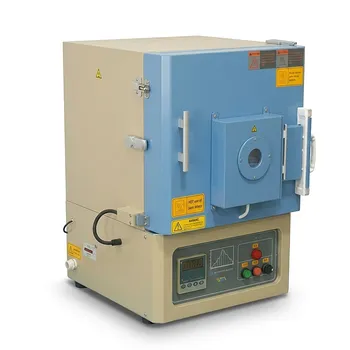
High Temperature Benchtop Muffle Furnace 1500C with 3.6L Chamber and Quartz Observation Window
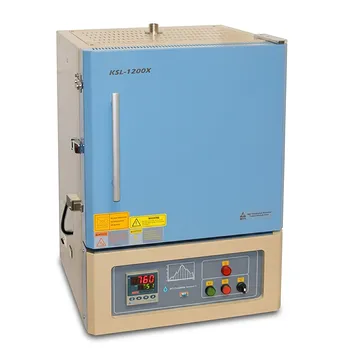
High Temperature 1200C Muffle Furnace 27L Volume 12x12x12 Chamber with Programmable PID Controller for Laboratory Material Science
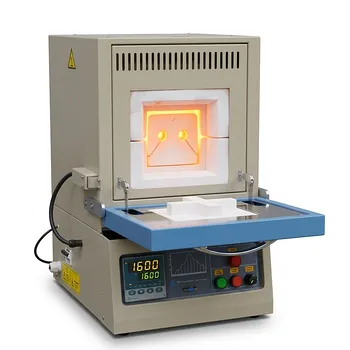
High Temperature Compact Muffle Furnace 1700 C with 30 Segment Programmable Controller and 1.7L Cubic Chamber
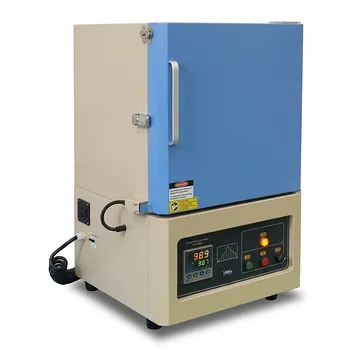
1200°C High Temperature Muffle Furnace 19L Chamber with 50 Segment Programmable Controller
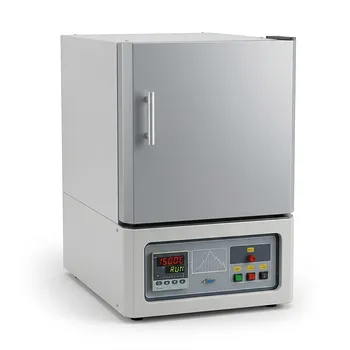
High Temperature 1500C Benchtop Muffle Furnace 3.6L Alumina Fiber Chamber Programmable Controller Sintering Annealing Carbonization Thermal Processing System
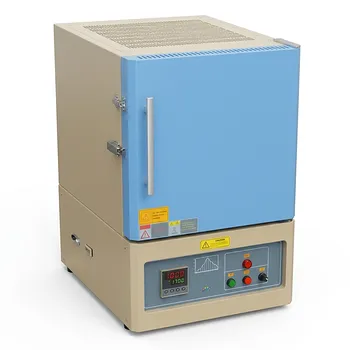
Large Bench Top 1700C High Temperature Muffle Furnace with 19L Chamber for Advanced Material Sintering and Annealing
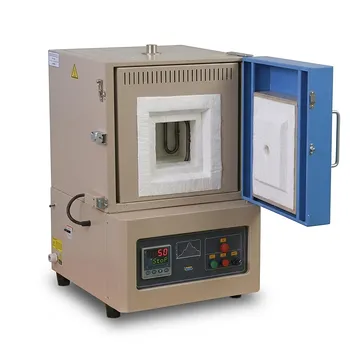
1800°C Bench Top Ultra High Temperature Muffle Furnace with Sapphire Observation Window and Top Feeding Port for Materials Research and Thermal Processing
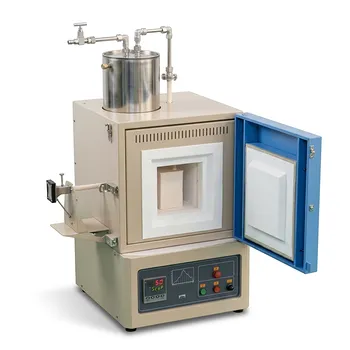
High Temperature Bench Top Muffle Furnace 1700C with Integrated Evaporating Particle Collection and 8x8x8 Alumina Fiber Chamber
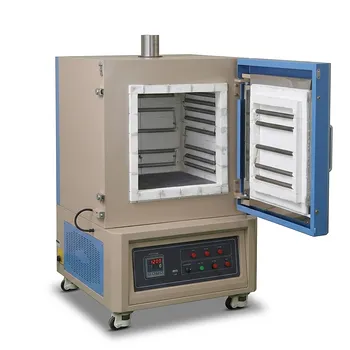
1200C High Temperature 125L Muffle Furnace 5 Side Heating for Large Batch Sintering with Optional Alloy Debinding Chamber
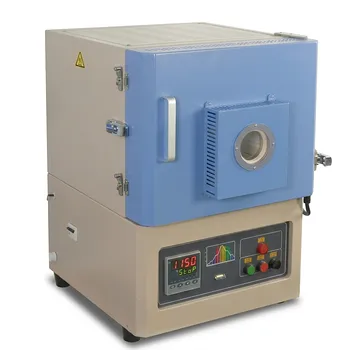
High Temperature Benchtop Muffle Furnace with Quartz Observation Window for Thermal Imaging and Material Analysis
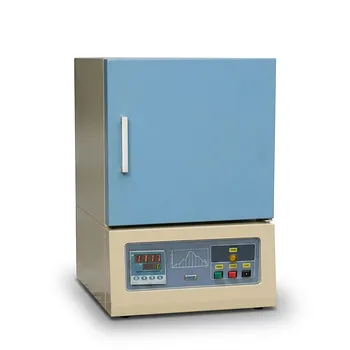
Ultra High Temperature Bench Top Muffle Furnace 1750C Sintering System with Kanthal Super Heating Elements and Precision Digital Control
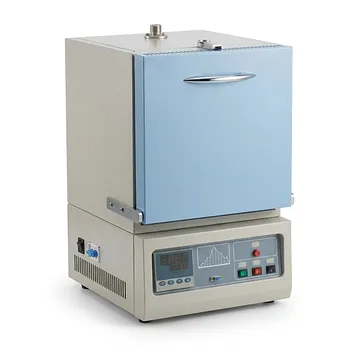
1750C Compact Muffle Furnace 1.7L Ultra High Temperature Laboratory Sintering System for Advanced Ceramics and Material Science Research
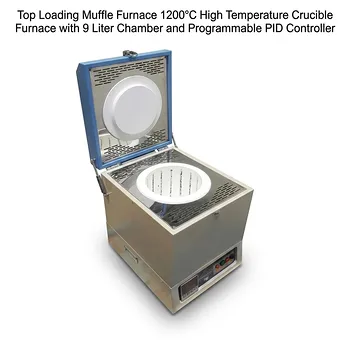
Top Loading Muffle Furnace 1200°C High Temperature Crucible Furnace with 9 Liter Chamber and Programmable PID Controller
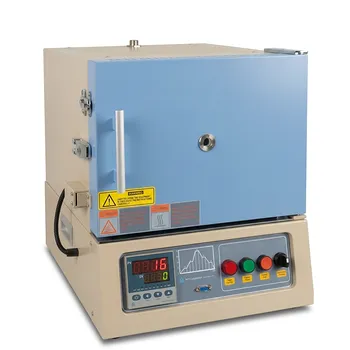
1200C Muffle Furnace 12x8x5 7.2L Heating Chamber with Quartz Observation Window and Vent Port
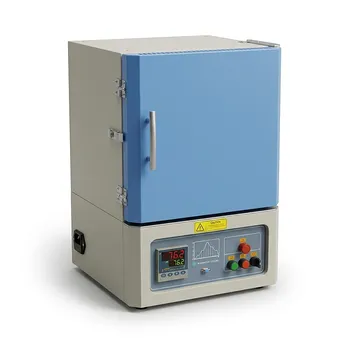
1750C Bench Top Muffle Furnace 3.6L High Grade Molybdenum Disilicide Heating Elements Laboratory Heat Treatment Equipment
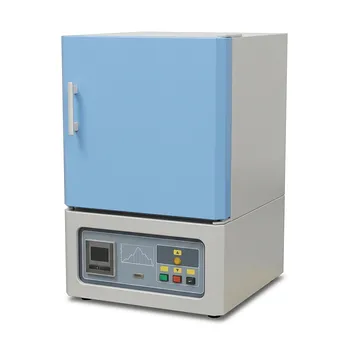
1800C Bench Top Muffle Furnace with Kanthal Super 1900 Heating Elements and 3.6L Alumina Fiber Chamber
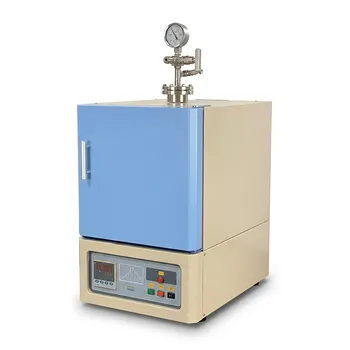
Hybrid High Temperature Muffle and Tube Furnace with 1500C Capability and Vacuum Flange Assembly
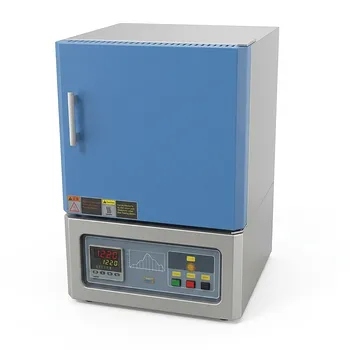
High Temperature Benchtop Muffle Furnace 1700C 10L Chamber Alumina Fiber Insulation MoSi2 Heating Elements
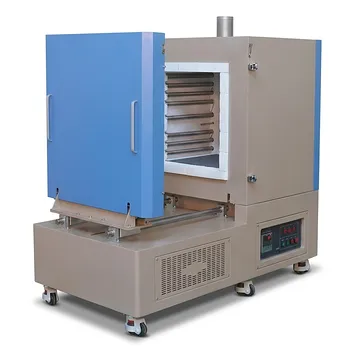
1200C Five Side Heating Muffle Furnace with Sliding Door 125L Volume High Temperature Heat Treatment System for Large Scale Sintering and Annealing