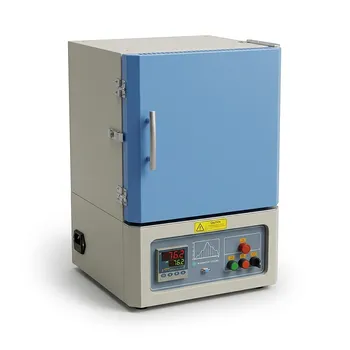
What is the purpose of using muffle or tube furnaces in glass synthesis? Achieve Precise Melt-Quenching & Homogeneity
Updated 3 months ago
The primary purpose of using high-temperature muffle or vertical tube furnaces in the synthesis of lead alumino-borate and lead gallo-borate glasses is to facilitate the melt-quenching process. These furnaces provide a precisely controlled thermal environment, often reaching up to 1400°C, which is necessary to break the crystalline bonds of raw material precursors and transform them into a fully homogeneous, disordered liquid network. This structural transformation is the essential prerequisite for forming a high-quality amorphous glass matrix.
High-temperature furnaces serve as the central thermal processing unit, ensuring that solid oxides are converted into a uniform melt. This process is critical for achieving the chemical homogeneity and disordered atomic structure required for stable glass formation.
Achieving Structural Transformation and Melting
Breaking Crystalline Structures
The synthesis of lead alumino-borate and lead gallo-borate glasses requires high-intensity heat to disrupt the stable lattice of solid precursors.
By reaching temperatures up to 1400°C, muffle and vertical tube furnaces provide the energy needed to break these crystalline bonds. This allows the materials—including lead oxide (PbO), boron oxide (B2O3), and aluminum or gallium oxides—to transition into a fluid state.
Creating a Disordered Liquid Network
Once the crystalline structures are broken, the furnace maintains the materials in a liquid state to foster the development of a disordered network.
This liquid phase is the foundation of the amorphous state; without this high-temperature treatment, the final product would retain crystalline inclusions, compromising the glass's optical and physical integrity.
Ensuring Chemical Homogeneity and Stability
Facilitating Complete Melting
A primary role of the furnace is to ensure that all raw components are fully melted into a single liquid phase.
Muffle and tube furnaces provide the stable, high-temperature environment required to prevent localized cooling or incomplete reactions. This ensures that the gallium or aluminum ions are evenly distributed throughout the borate network.
Pre-treatment and Decarbonization
Before the final melt, these furnaces are often used for calcination and decarbonization of the raw batch.
This process removes adsorbed water and decomposes precursors like boric acid or carbonates into their respective oxides. This step is vital for producing chemically stable initial components and preventing bubbles or impurities in the final glass.
Phase Evolution Control
The furnace allows researchers to observe and control the phase evolution from solid sintered products to eutectic melts.
By utilizing precise temperature gradients, the furnace ensures the material reaches a completely clear glassy state before quenching. This control is essential for evaluating the melting characteristics and thermal behavior of the specific glass batch.
Understanding the Trade-offs and Challenges
Volatility of Lead Oxide
One significant challenge in using high-temperature furnaces for these specific glasses is the volatility of lead oxide (PbO).
At temperatures near 1400°C, lead can evaporate, potentially altering the intended chemical composition of the glass. Tight temperature control and minimized dwell times are necessary to balance full melting against compositional drift.
Thermal Gradients and Stress
Muffle furnaces can sometimes exhibit temperature gradients within the chamber if not properly calibrated.
Uneven heating can lead to incomplete homogenization or the survival of residual crystalline phases. Vertical tube furnaces often provide better uniformity for small batches but may limit the volume of material that can be processed at once.
Making the Right Choice for Your Goal
How to Apply This to Your Synthesis
To achieve the best results in the synthesis of lead-based borate glasses, your equipment choice and protocol should align with your specific material requirements.
- If your primary focus is Maximum Homogeneity: Utilize a vertical tube furnace for its superior temperature uniformity and ability to maintain a stable environment for extended durations.
- If your primary focus is Pre-treatment and Calcination: Use a high-temperature muffle furnace to decompose carbonates and remove moisture from large batches of raw materials.
- If your primary focus is Preventing Lead Volatility: Optimize the furnace settings to reach the minimum effective melting temperature quickly, reducing the time the melt spends at peak heat.
The precise thermal control provided by high-temperature furnaces is the defining factor in successfully transforming crystalline precursors into a uniform, high-performance amorphous glass.
Summary Table:
| Process | Primary Purpose | Key Thermal Benefit |
|---|---|---|
| Melt-Quenching | Crystalline bond disruption | Reaches essential 1400°C threshold |
| Calcination | Decarbonization & moisture removal | Stable pre-treatment environment |
| Homogenization | Chemical uniformity | Prevents localized cooling/residue |
| Phase Evolution | Amorphous state formation | Precise gradient control |
Elevate Your Glass Synthesis with THERMUNITS Precision
Achieving the perfect amorphous matrix for lead-based glasses requires the uncompromising thermal accuracy found in THERMUNITS' high-temperature solutions. As a leading manufacturer for material science and industrial R&D, we provide specialized Muffle, Tube, Vacuum, and Atmosphere furnaces designed to handle critical processes like melt-quenching and calcination up to 1400°C.
From Vertical Tube furnaces offering superior uniformity to CVD/PECVD systems and Electric Rotary Kilns, our comprehensive range of thermal processing equipment ensures chemical homogeneity and prevents compositional drift in your most sensitive materials.
Ready to optimize your heat treatment workflow? Contact THERMUNITS Today to discuss your specific requirements and discover how our advanced laboratory equipment can enhance your research and production efficiency.
References
- Arun Krishnamurthy, Scott Kroeker. Composition‐dependent structural role of lead in aluminoborate and galloborate glasses: A solid‐state NMR study. DOI: 10.1111/jace.19694
Mentioned Products
- High Temperature 1700C Bench Top Muffle Furnace with Alumina Fiber Insulation and 3.6L Chamber Capacity for Precision Sintering and Heat Treatment
- 1200°C High Temperature Muffle Furnace 19L Chamber with 50 Segment Programmable Controller
- High Temperature 1500C Benchtop Muffle Furnace 3.6L Alumina Fiber Chamber Programmable Controller Sintering Annealing Carbonization Thermal Processing System
- Large Bench Top 1700C High Temperature Muffle Furnace with 19L Chamber for Advanced Material Sintering and Annealing
- High Temperature Muffle Furnace with Dual Controllers and 36L Large Chamber 1700C Max
People Also Ask
- What role does a high-temperature muffle furnace play in evaluating the mineral composition of rock samples? LOI & XRF Guide
- What is the function of a high-temperature muffle furnace in phosphorus-modified zeolite catalyst preparation?
- What is the function of a high-temp muffle furnace in Ni-V oxide synthesis? Optimize your material's performance.
- What is the function of a muffle furnace in aluminoborosilicate glass prep? Stabilize Raw Materials for Superior Purity
- What role does a high-temperature muffle furnace play in the synthesis of Melem precursors? Precision Polymerization.

Tech Team · ThermUnits
Last updated on Jun 03, 2026
Related Products
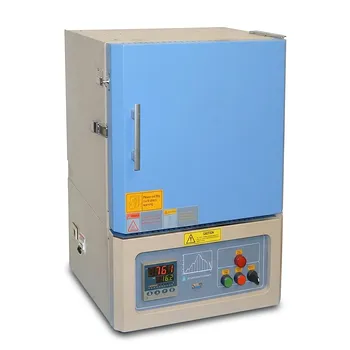
High Temperature 1700C Bench Top Muffle Furnace with Alumina Fiber Insulation and 3.6L Chamber Capacity for Precision Sintering and Heat Treatment
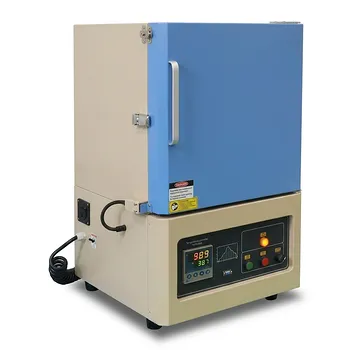
1200°C High Temperature Muffle Furnace 19L Chamber with 50 Segment Programmable Controller
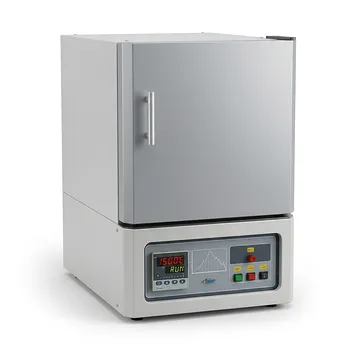
High Temperature 1500C Benchtop Muffle Furnace 3.6L Alumina Fiber Chamber Programmable Controller Sintering Annealing Carbonization Thermal Processing System
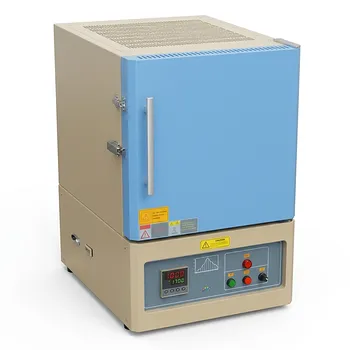
Large Bench Top 1700C High Temperature Muffle Furnace with 19L Chamber for Advanced Material Sintering and Annealing
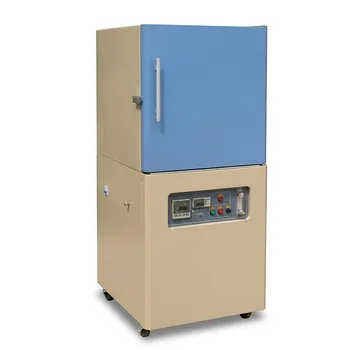
High Temperature Muffle Furnace with Dual Controllers and 36L Large Chamber 1700C Max
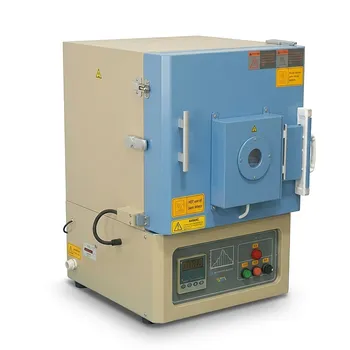
High Temperature Benchtop Muffle Furnace 1500C with 3.6L Chamber and Quartz Observation Window
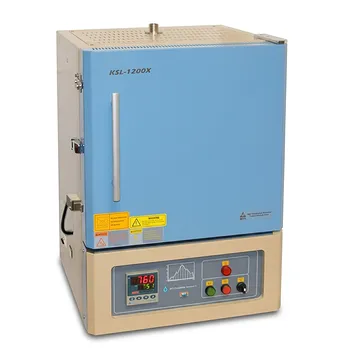
High Temperature 1200C Muffle Furnace 27L Volume 12x12x12 Chamber with Programmable PID Controller for Laboratory Material Science
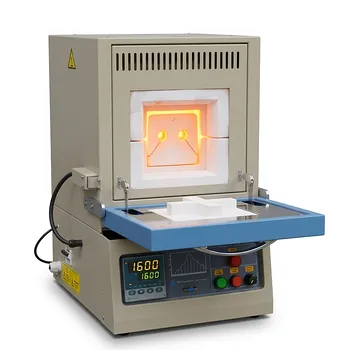
High Temperature Compact Muffle Furnace 1700 C with 30 Segment Programmable Controller and 1.7L Cubic Chamber
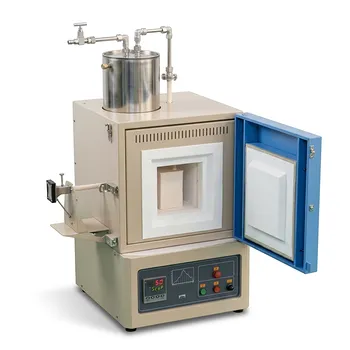
High Temperature Bench Top Muffle Furnace 1700C with Integrated Evaporating Particle Collection and 8x8x8 Alumina Fiber Chamber
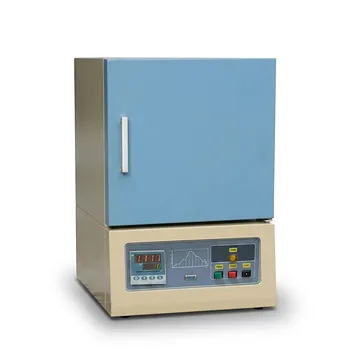
Ultra High Temperature Bench Top Muffle Furnace 1750C Sintering System with Kanthal Super Heating Elements and Precision Digital Control
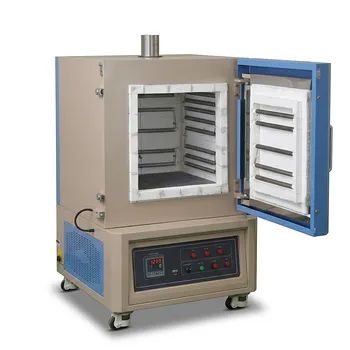
1200C High Temperature 125L Muffle Furnace 5 Side Heating for Large Batch Sintering with Optional Alloy Debinding Chamber
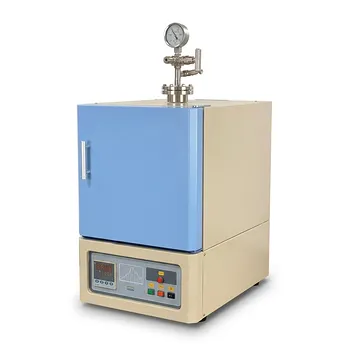
Hybrid High Temperature Muffle and Tube Furnace with 1500C Capability and Vacuum Flange Assembly
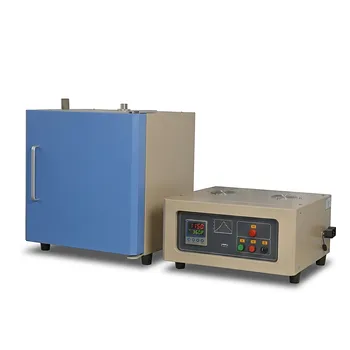
High Temperature Muffle Furnace with Alloy Chamber for Debinding and Sintering Applications
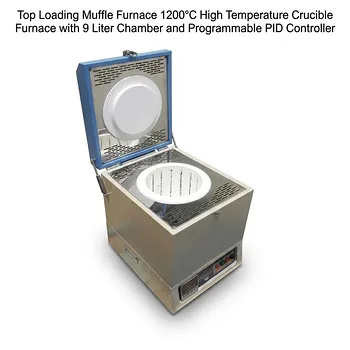
Top Loading Muffle Furnace 1200°C High Temperature Crucible Furnace with 9 Liter Chamber and Programmable PID Controller
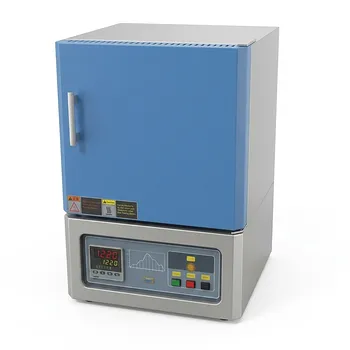
High Temperature Benchtop Muffle Furnace 1700C 10L Chamber Alumina Fiber Insulation MoSi2 Heating Elements
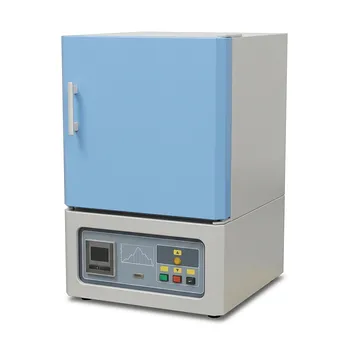
1800C Bench Top Muffle Furnace with Kanthal Super 1900 Heating Elements and 3.6L Alumina Fiber Chamber
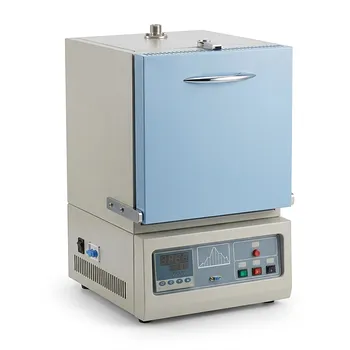
1750C Compact Muffle Furnace 1.7L Ultra High Temperature Laboratory Sintering System for Advanced Ceramics and Material Science Research
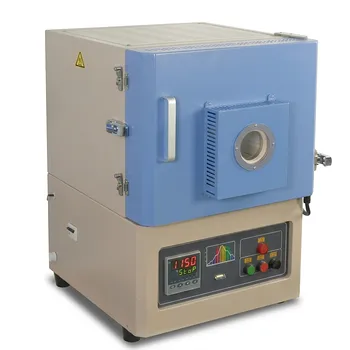
High Temperature Benchtop Muffle Furnace with Quartz Observation Window for Thermal Imaging and Material Analysis
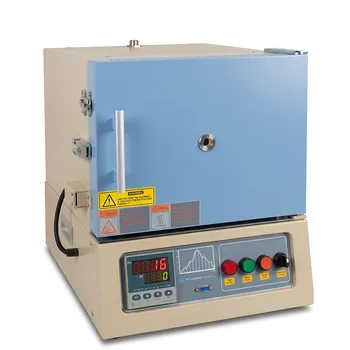
1200C Muffle Furnace 12x8x5 7.2L Heating Chamber with Quartz Observation Window and Vent Port