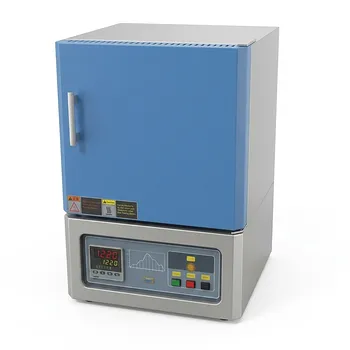
How is a muffle furnace utilized in the final formation of Ni-In2O3 heterojunction catalysts? Precise Thermal Engineering
Updated 3 months ago
The muffle furnace acts as the critical thermal reactor for phase transformation and interface engineering. In the synthesis of Ni-In2O3 heterojunction catalysts, the furnace is utilized to calcine dried precursors at a precise temperature—typically 400 °C—within an air atmosphere. This thermal treatment triggers the decomposition of metal precursors into their oxide states while simultaneously anchoring them to a support, such as g-C3N4, to create a stable, crystalline heterojunction with photothermal activity.
The muffle furnace facilitates a controlled oxidative environment that converts amorphous metal precursors into a stable Ni-In2O3 crystalline phase. This process is essential for establishing the tight heterojunction interfaces required for efficient catalytic performance.
The Role of Controlled Calcination in Oxide Synthesis
Conversion of Precursor Species
The primary function of the muffle furnace is to provide the thermal energy necessary to convert chemical precursors into functional oxides. At 400 °C, metal salts, hydroxides, or carbonates undergo thermal decomposition, resulting in the formation of NiO and In2O3.
Removal of Residual Organics and Templates
High-temperature treatment effectively removes organic templates, residual solvents, or moisture from the synthesis process. This step is vital for clearing porosity and ensuring that the final catalyst surface is free of impurities that could block active sites.
Inducing Crystallinity
The stable thermal environment of the furnace allows the material to transition from an amorphous state into a stable crystalline phase. This crystallization is fundamental to the catalyst's mechanical strength and long-term stability during chemical reactions.
Engineering the Heterojunction Interface
Creating Tight Interfacial Contact
The furnace promotes the migration of atoms at the boundaries between the nickel-indium oxides and the support material (like g-C3N4). This creates tight heterojunction interfaces, which are necessary for the rapid transfer of electrons and holes during photothermal catalysis.
Strengthening Support Interaction
Thermal treatment ensures that the active Ni-In2O3 components are firmly anchored to the catalyst support. Without this high-temperature "sealing" process, the active components might detach or leach during liquid-phase or gas-phase reactions.
Phase Stabilization
By maintaining a constant temperature, the muffle furnace ensures the formation of specific active phases, such as the anatase phase in TiO2-based systems or specific oxide states in Ni-In systems. This precision prevents the formation of inactive phases that would lower the catalyst's efficiency.
Understanding the Trade-offs and Pitfalls
The Risk of Over-Sintering
While heat is necessary for crystallization, excessive temperatures or prolonged residence times can lead to sintering. This process causes small particles to fuse together, drastically reducing the specific surface area and the number of available active sites.
Atmospheric Sensitivity
Calcination in a muffle furnace typically occurs in an air atmosphere to promote oxidation. If the furnace seal is compromised or the atmosphere is not controlled, the precursors may not fully convert to the desired Ni-In2O3 stoichiometry, leading to a mixture of undesired metallic or sub-oxide phases.
Heating Rate Control
Rapid heating can cause structural defects or uneven crystallization within the catalyst pores. Precise control over the ramp rate is essential to ensure a uniform distribution of the Ni-In2O3 species across the entire surface of the support material.
How to Apply This to Your Catalyst Synthesis
Recommendations Based on Project Goals
- If your primary focus is maximum surface area: Utilize the lowest effective calcination temperature (e.g., 350 °C–400 °C) and shorter dwell times to prevent particle agglomeration.
- If your primary focus is long-term structural stability: Opt for a higher calcination temperature (e.g., 500 °C+) to ensure deep anchoring of the active species to the support, even if it results in a slight loss of surface area.
- If your primary focus is photothermal charge transfer: Prioritize the formation of the heterojunction by ensuring the precursors are thoroughly mixed before entering the furnace to maximize interfacial contact.
Properly calibrated thermal treatment in a muffle furnace is the definitive step that transforms a mixture of chemicals into a high-performance, structurally sound heterojunction catalyst.
Summary Table:
| Process Stage | Furnace Role | Key Catalyst Outcome |
|---|---|---|
| Precursor Conversion | Provides thermal energy (e.g., 400°C) | Decomposition into NiO and In2O3 oxides |
| Crystallization | Controlled thermal environment | Transition from amorphous to stable crystalline phase |
| Interface Engineering | Promoting atomic migration | Creation of tight, active heterojunction interfaces |
| Purification | High-temperature oxidation | Removal of organic templates and clearing of porosity |
Optimize Your Catalyst Synthesis with THERMUNITS
Precision is paramount in the synthesis of high-performance heterojunction catalysts. THERMUNITS is a leading manufacturer of high-temperature laboratory equipment, providing the advanced thermal solutions necessary for material science and industrial R&D. Our high-performance Muffle, Vacuum, Tube, and Atmosphere furnaces offer the uniform heating and precise atmosphere control required to achieve stable Ni-In2O3 crystalline phases without the risk of over-sintering.
From CVD/PECVD systems to electric rotary kilns and vacuum induction melting (VIM) furnaces, we empower researchers to master phase stabilization and interface engineering.
Ready to enhance your lab's heat treatment capabilities? Contact our technical experts today to find the perfect furnace for your research!
References
- Xuekai Shan, Qi Xu. Photothermal CO2 Hydrogenation to Methanol over Ni-In2O3/g-C3N4 Heterojunction Catalysts. DOI: 10.3390/catal14110756
Mentioned Products
- 1200C Muffle Furnace 12x8x5 7.2L Heating Chamber with Quartz Observation Window and Vent Port
- High Temperature 1200C Muffle Furnace 27L Volume 12x12x12 Chamber with Programmable PID Controller for Laboratory Material Science
- 1750C Compact Muffle Furnace 1.7L Ultra High Temperature Laboratory Sintering System for Advanced Ceramics and Material Science Research
- 1200C High Temperature 125L Muffle Furnace 5 Side Heating for Large Batch Sintering with Optional Alloy Debinding Chamber
- Ultra High Temperature Bench Top Muffle Furnace 1750C Sintering System with Kanthal Super Heating Elements and Precision Digital Control
People Also Ask
- What is the function of an experimental muffle furnace in the conversion of FeOOH to α-Fe2O3? Optimize Phase Transition
- Why is a muffle furnace required for MoO2@HCNF pre-oxidation? Crucial Steps for High-Performance Composites
- What is the function of a high-temperature Muffle furnace in removing residual solvents? Essential Bismuth Synthesis
- What is the function of Muffle furnace calcination? Essential steps for Pr-doped SrFeMoO6 Perovskite synthesis.
- What are the primary functions of a Muffle furnace in oxide calcination? Achieve high purity and phase control.

Tech Team · ThermUnits
Last updated on Jun 03, 2026
Related Products
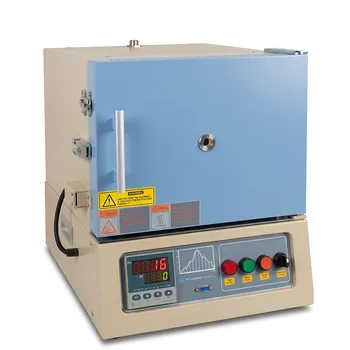
1200C Muffle Furnace 12x8x5 7.2L Heating Chamber with Quartz Observation Window and Vent Port
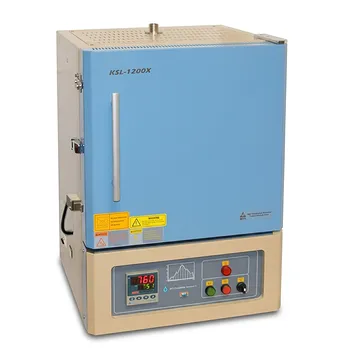
High Temperature 1200C Muffle Furnace 27L Volume 12x12x12 Chamber with Programmable PID Controller for Laboratory Material Science
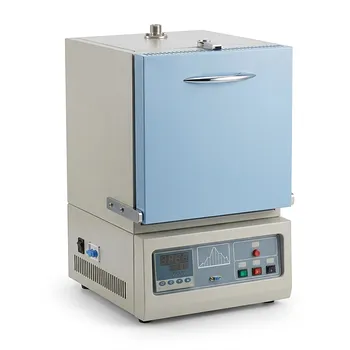
1750C Compact Muffle Furnace 1.7L Ultra High Temperature Laboratory Sintering System for Advanced Ceramics and Material Science Research
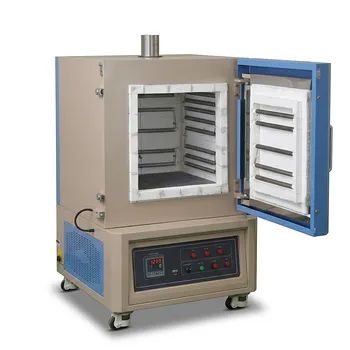
1200C High Temperature 125L Muffle Furnace 5 Side Heating for Large Batch Sintering with Optional Alloy Debinding Chamber
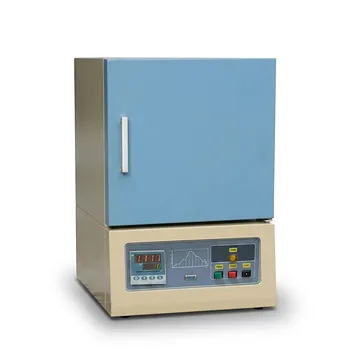
Ultra High Temperature Bench Top Muffle Furnace 1750C Sintering System with Kanthal Super Heating Elements and Precision Digital Control
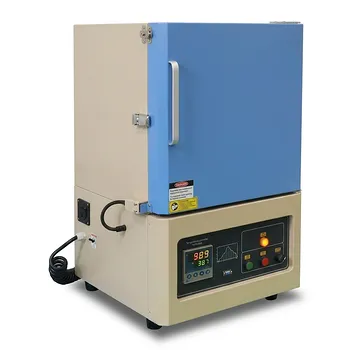
1200°C High Temperature Muffle Furnace 19L Chamber with 50 Segment Programmable Controller
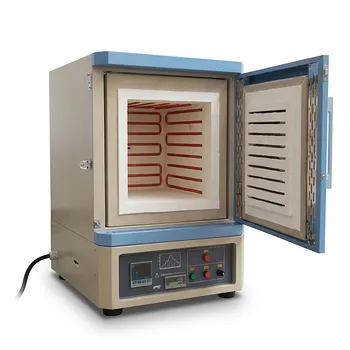
Five Side Heating Muffle Furnace 1200C High Uniformity 64L Chamber 16x16x16 Inch Industrial Heat Treatment
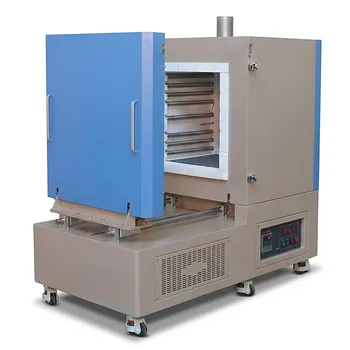
1200C Five Side Heating Muffle Furnace with Sliding Door 125L Volume High Temperature Heat Treatment System for Large Scale Sintering and Annealing
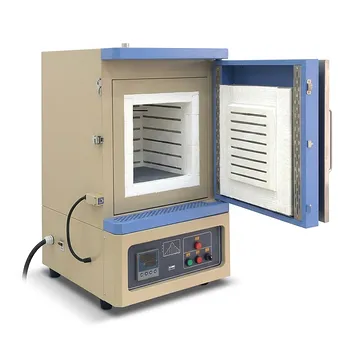
Five Side Heating Muffle Furnace High Purity Alumina Fiber 27L Chamber 1200C High Temperature Thermal Processing System for Sintering Annealing and Materials Research
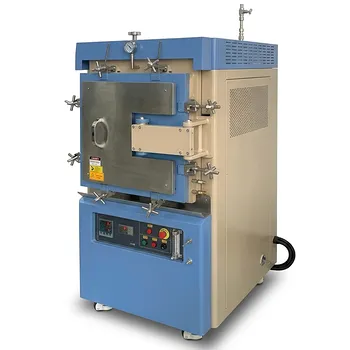
Atmosphere Controlled Muffle Furnace 1700C Maximum Temperature 80L High Capacity Vacuum Inert Gas Box Furnace
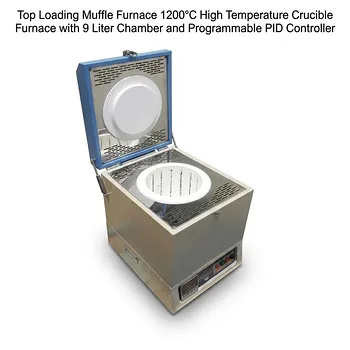
Top Loading Muffle Furnace 1200°C High Temperature Crucible Furnace with 9 Liter Chamber and Programmable PID Controller
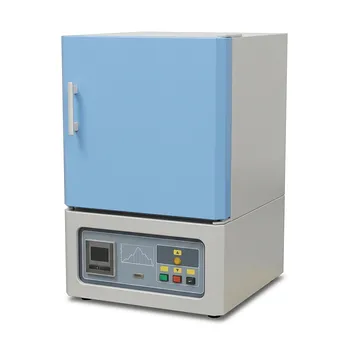
1800C Bench Top Muffle Furnace with Kanthal Super 1900 Heating Elements and 3.6L Alumina Fiber Chamber
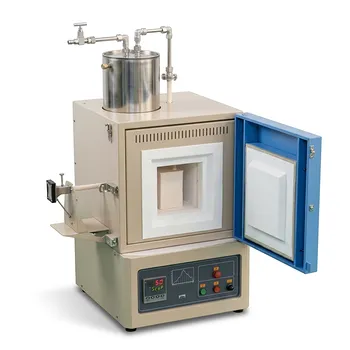
High Temperature Bench Top Muffle Furnace 1700C with Integrated Evaporating Particle Collection and 8x8x8 Alumina Fiber Chamber
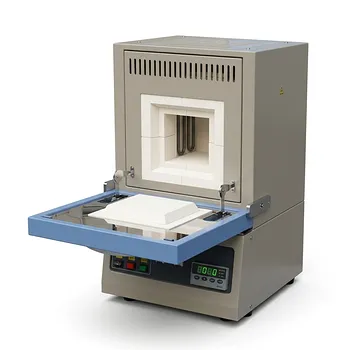
Five Sided Heating Muffle Furnace High Uniformity 1200C Lab Box Furnace 27L Alumina Fiber Chamber
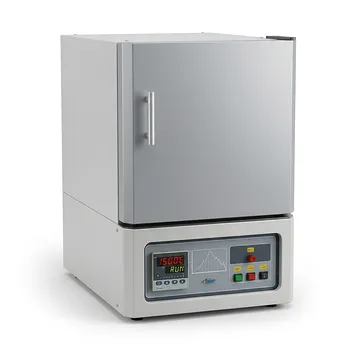
High Temperature 1500C Benchtop Muffle Furnace 3.6L Alumina Fiber Chamber Programmable Controller Sintering Annealing Carbonization Thermal Processing System
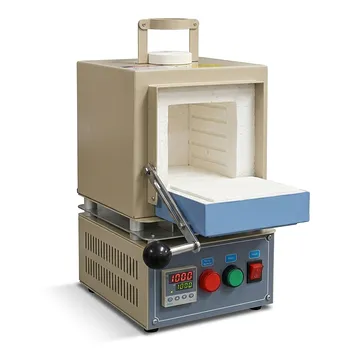
Compact 1000C Muffle Furnace with Programmable Controller and 2 Inch Top Port for Vacuum and Atmosphere Material Research
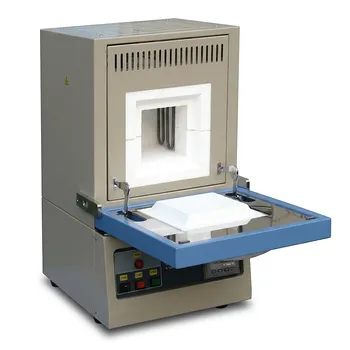
High Temperature 1800C Compact Muffle Furnace with Kanthal Super 1900 Heating Elements and 1.7L Alumina Chamber
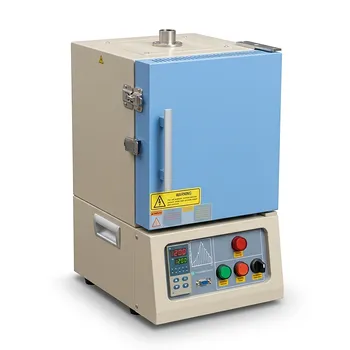
1200°C Small Box Furnace 4.2 Liter Programmable Muffle Furnace with High Purity Alumina Insulation and PID Control
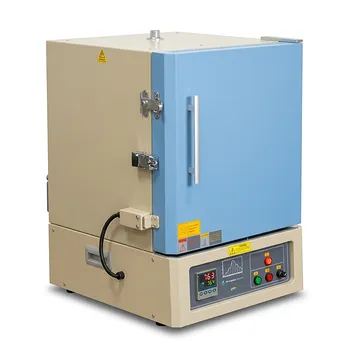
Large Capacity 1200C Muffle Furnace 64 Liter Chamber with Digital PID Controller and Built In Venting Port