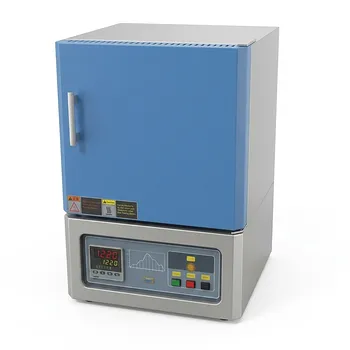
How is a muffle furnace utilized to evaluate the high-temperature service reliability of porous Co-Al materials? Lab Guide
Updated 3 months ago
The muffle furnace serves as a controlled environmental simulator for material validation. It evaluates the high-temperature reliability of porous Co-Al materials by providing a constant thermal field (typically 650 °C) in an air atmosphere to test oxidation resistance over extended durations, such as 96 hours. This process allows researchers to quantify oxidation weight gain and analyze the formation of protective oxide layers, which are critical metrics for determining the material's operational lifespan in filtration and separation applications.
The muffle furnace acts as the primary tool for accelerated life testing, enabling the quantitative assessment of how oxidation kinetics and microstructural changes—specifically the growth of Al2O3 films—affect the long-term integrity of porous Co-Al structures.
Simulating Service Conditions for Porous Materials
Establishing Constant High-Temperature Fields
The muffle furnace is utilized to maintain a stable and uniform temperature, often set at 650 °C for Co-Al alloys. This stability is essential to ensure that any observed changes in the material are a result of time-dependent oxidation rather than temperature fluctuations.
Replicating Atmospheric Exposure
By providing an enclosed air atmosphere, the furnace simulates the oxygen-rich environments these materials face in industrial filtration. This exposure triggers the chemical reactions necessary to observe how the alloy surface interacts with oxygen at high heat.
Facilitating Long-Duration Testing
Reliability cannot be determined in a short window; therefore, the furnace is used for extended soaking periods (e.g., 96 hours or more). This duration is sufficient to observe the transition from initial oxidation to the steady-state growth of protective layers.
Key Metrics for Evaluating Reliability
Formation of the Al2O3 Protective Film
The primary indicator of reliability is the development of a dense Aluminum Oxide (Al2O3) film. The muffle furnace allows researchers to verify if this film is continuous and adherent enough to prevent further degradation of the underlying porous structure.
Monitoring Oxidation Weight Gain Rates
By weighing specimens before and after furnace exposure, researchers calculate the weight gain rate. A lower rate generally indicates superior high-temperature stability, as it suggests the material is not being rapidly consumed by uncontrolled oxidation.
Assessing the Impact of Residual Cobalt
Porous Co-Al materials often contain residual Cobalt (Co), which can influence oxidation behavior. The furnace environment helps researchers identify how these residual elements affect the scale of the oxide layers and whether they lead to the formation of less stable phases like CoO or Co3O4.
Understanding the Trade-offs and Limitations
Static vs. Dynamic Simulation
A muffle furnace provides a static thermal environment, which may not fully replicate the high-velocity gas flows found in some filtration systems. While excellent for chemical stability testing, it does not account for the mechanical erosion caused by moving particulates or high-pressure differentials.
Atmospheric Constraints
Standard muffle furnaces operate in an ambient air atmosphere. If the intended service environment involves corrosive gases (such as sulfur or chlorides), a standard furnace may underestimate the degradation rate unless it is equipped with specialized gas-tight seals and atmosphere controllers.
Surface vs. Bulk Analysis
In porous materials, the high surface area means that oxidation occurs throughout the internal pores, not just on the exterior. While the furnace provides the heat, researchers must supplement furnace testing with cross-sectional microscopy to ensure the "core" of the porous structure is as reliable as the surface.
How to Apply This to Your Project
Evaluating Material Durability
To effectively use a muffle furnace for evaluating porous Co-Al materials, your methodology should align with your specific reliability targets.
- If your primary focus is long-term filtration stability: Conduct oxidation tests for at least 100 hours at 650 °C to ensure the Al2O3 layer remains dense and does not flake off under thermal cycling.
- If your primary focus is structural integrity under heat: Monitor the mass loss and pore size distribution after furnace exposure to ensure that oxide growth has not restricted the necessary permeability of the material.
- If your primary focus is chemical purity: Use the furnace to perform Loss on Ignition (LOI) or calcination steps to ensure all volatile contaminants are removed before the material enters service.
By precisely controlling the thermal environment, the muffle furnace transforms from a simple oven into a sophisticated diagnostic tool for predicting material failure.
Summary Table:
| Evaluation Aspect | Function in Reliability Testing | Key Performance Metric |
|---|---|---|
| Thermal Field | Maintains stable 650°C for Co-Al alloys | Temperature Uniformity |
| Atmosphere | Simulates air exposure in industrial filtration | Oxidation Chemical Reaction |
| Duration | Long-term soaking (e.g., 96 hours) | Transition to Steady-State |
| Oxidation Analysis | Measures weight gain and mass loss | Al2O3 Protective Film Growth |
| Microstructure | Identifies effects of residual Cobalt (Co) | Phase Stability (CoO/Co3O4) |
Elevate Your Material Research with THERMUNITS
Precision is paramount when evaluating the high-temperature reliability of advanced materials like porous Co-Al alloys. THERMUNITS is a leading manufacturer of high-performance thermal processing equipment designed for material science and industrial R&D.
Our comprehensive range includes Muffle, Vacuum, Atmosphere, Tube, Rotary, and Hot Press furnaces, as well as CVD/PECVD systems, and Vacuum Induction Melting (VIM) furnaces. We provide the stable thermal fields and atmospheric control necessary for accurate accelerated life testing and oxidation kinetics analysis.
Ready to optimize your laboratory’s heat treatment workflow?
Contact THERMUNITS Today to discover how our advanced solutions can enhance your research accuracy and industrial efficiency.
References
- Yonghao Yu, Chunmin Yang. Highly Porous Co-Al Intermetallic Created by Thermal Explosion Using NaCl as a Space Retainer. DOI: 10.3390/ma17174380
Mentioned Products
- 1200C Muffle Furnace 12x8x5 7.2L Heating Chamber with Quartz Observation Window and Vent Port
- High Temperature 1200C Muffle Furnace 27L Volume 12x12x12 Chamber with Programmable PID Controller for Laboratory Material Science
- 1750C Compact Muffle Furnace 1.7L Ultra High Temperature Laboratory Sintering System for Advanced Ceramics and Material Science Research
- 1200C High Temperature 125L Muffle Furnace 5 Side Heating for Large Batch Sintering with Optional Alloy Debinding Chamber
- Ultra High Temperature Bench Top Muffle Furnace 1750C Sintering System with Kanthal Super Heating Elements and Precision Digital Control
People Also Ask
- What is the function of an experimental muffle furnace in the conversion of FeOOH to α-Fe2O3? Optimize Phase Transition
- Why is a muffle furnace required for MoO2@HCNF pre-oxidation? Crucial Steps for High-Performance Composites
- What is the function of a high-temperature Muffle furnace in removing residual solvents? Essential Bismuth Synthesis
- What is the function of Muffle furnace calcination? Essential steps for Pr-doped SrFeMoO6 Perovskite synthesis.
- What are the primary functions of a Muffle furnace in oxide calcination? Achieve high purity and phase control.

Tech Team · ThermUnits
Last updated on Jun 02, 2026
Related Products
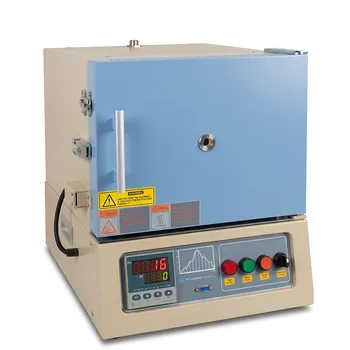
1200C Muffle Furnace 12x8x5 7.2L Heating Chamber with Quartz Observation Window and Vent Port
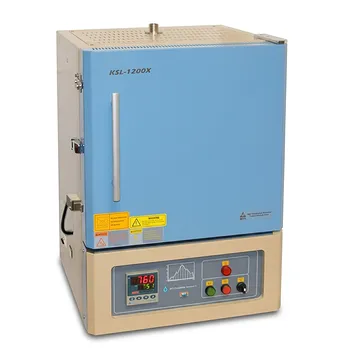
High Temperature 1200C Muffle Furnace 27L Volume 12x12x12 Chamber with Programmable PID Controller for Laboratory Material Science
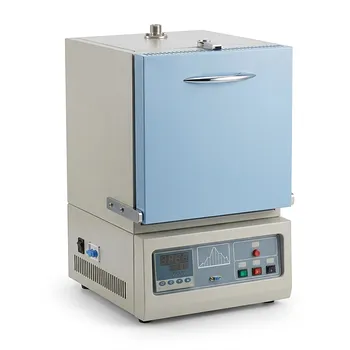
1750C Compact Muffle Furnace 1.7L Ultra High Temperature Laboratory Sintering System for Advanced Ceramics and Material Science Research
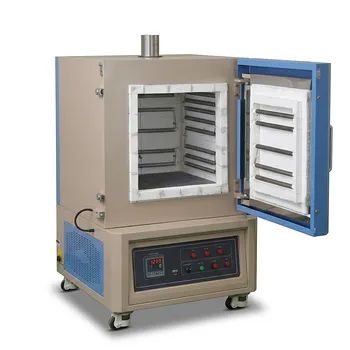
1200C High Temperature 125L Muffle Furnace 5 Side Heating for Large Batch Sintering with Optional Alloy Debinding Chamber
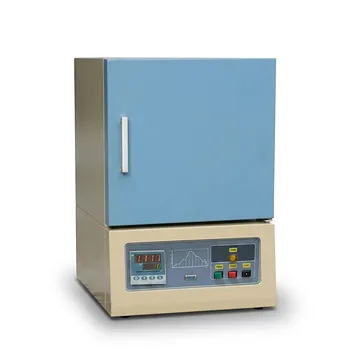
Ultra High Temperature Bench Top Muffle Furnace 1750C Sintering System with Kanthal Super Heating Elements and Precision Digital Control
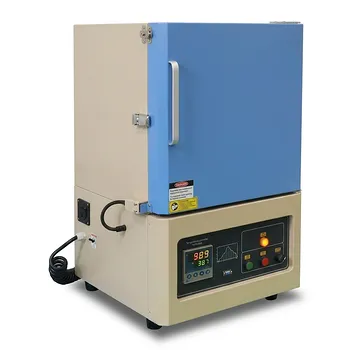
1200°C High Temperature Muffle Furnace 19L Chamber with 50 Segment Programmable Controller
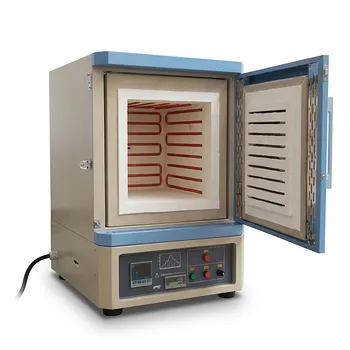
Five Side Heating Muffle Furnace 1200C High Uniformity 64L Chamber 16x16x16 Inch Industrial Heat Treatment
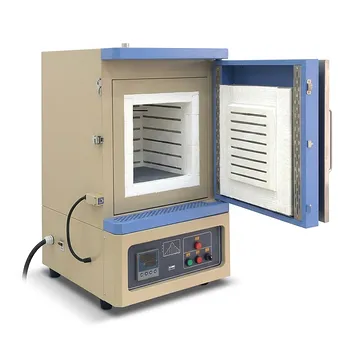
Five Side Heating Muffle Furnace High Purity Alumina Fiber 27L Chamber 1200C High Temperature Thermal Processing System for Sintering Annealing and Materials Research
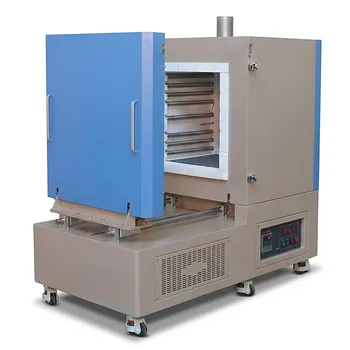
1200C Five Side Heating Muffle Furnace with Sliding Door 125L Volume High Temperature Heat Treatment System for Large Scale Sintering and Annealing
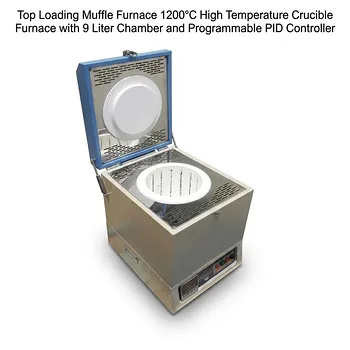
Top Loading Muffle Furnace 1200°C High Temperature Crucible Furnace with 9 Liter Chamber and Programmable PID Controller
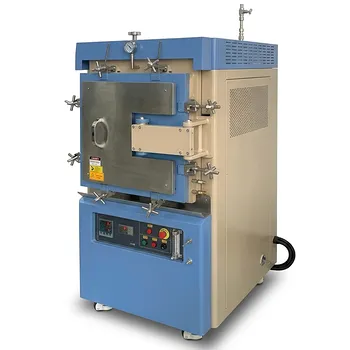
Atmosphere Controlled Muffle Furnace 1700C Maximum Temperature 80L High Capacity Vacuum Inert Gas Box Furnace
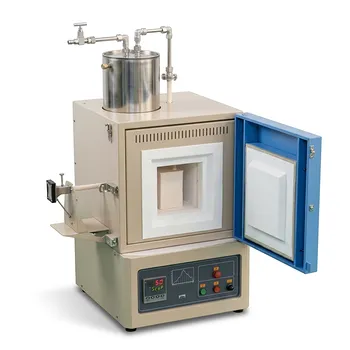
High Temperature Bench Top Muffle Furnace 1700C with Integrated Evaporating Particle Collection and 8x8x8 Alumina Fiber Chamber
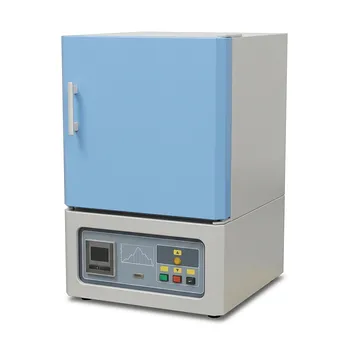
1800C Bench Top Muffle Furnace with Kanthal Super 1900 Heating Elements and 3.6L Alumina Fiber Chamber
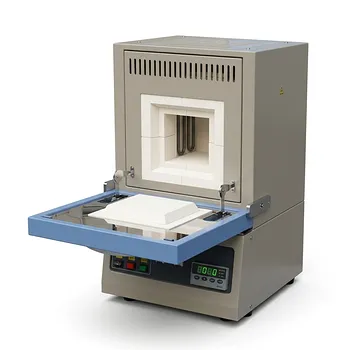
Five Sided Heating Muffle Furnace High Uniformity 1200C Lab Box Furnace 27L Alumina Fiber Chamber
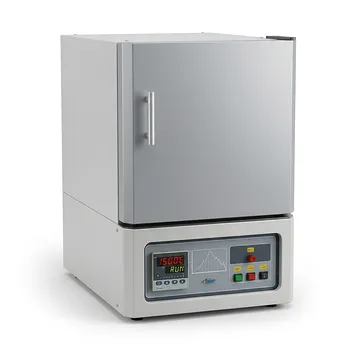
High Temperature 1500C Benchtop Muffle Furnace 3.6L Alumina Fiber Chamber Programmable Controller Sintering Annealing Carbonization Thermal Processing System
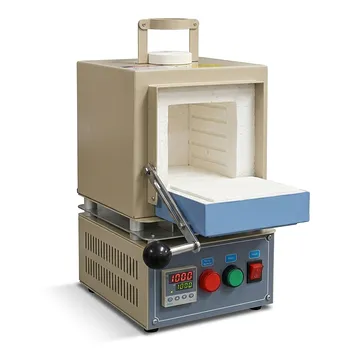
Compact 1000C Muffle Furnace with Programmable Controller and 2 Inch Top Port for Vacuum and Atmosphere Material Research
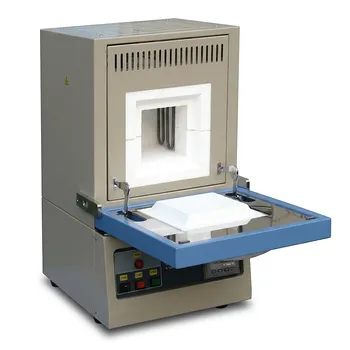
High Temperature 1800C Compact Muffle Furnace with Kanthal Super 1900 Heating Elements and 1.7L Alumina Chamber
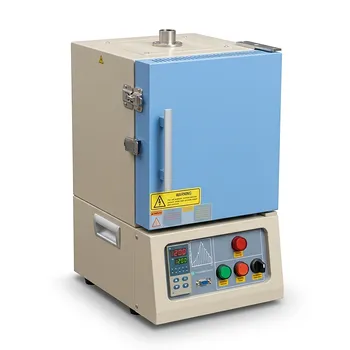
1200°C Small Box Furnace 4.2 Liter Programmable Muffle Furnace with High Purity Alumina Insulation and PID Control
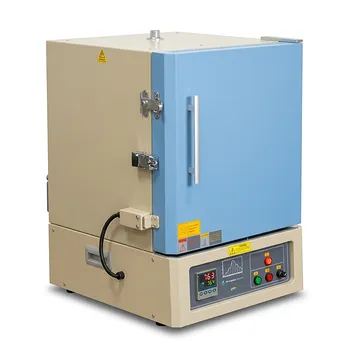
Large Capacity 1200C Muffle Furnace 64 Liter Chamber with Digital PID Controller and Built In Venting Port