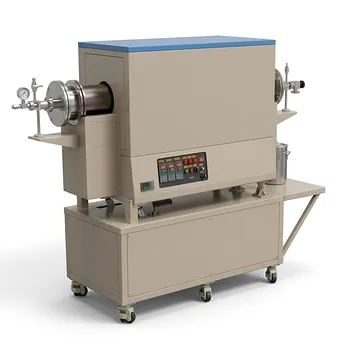
What are the advantages of rotary furnaces for activated carbon? Achieve Superior Pore Structure and Uniformity
Updated 3 months ago
The fundamental advantage of a rotary electric furnace lies in its ability to eliminate the heat and mass transfer gradients inherent in static systems. By continuously tumbling the material, these furnaces ensure that every particle of the carbon precursor experiences identical thermal conditions and gas exposure. This results in activated carbon with superior pore structure, higher chemical uniformity, and significantly shorter processing times compared to traditional static bed reactions.
Rotary mechanisms solve the core limitation of static beds by providing dynamic, refreshed contact between solid particles and activation gases. This transition from a static to a dynamic environment is the key to achieving high-quality, reproducible material properties in activated carbon production.
Optimizing Thermal and Mass Transfer Dynamics
Elimination of Temperature Gradients
In a traditional static furnace, materials in the center of a pile often remain cooler than those on the surface, leading to uneven carbonization. The rotary mechanism continuously tumbles the feedstock, ensuring that every grain makes contact with the heated walls and the surrounding atmosphere.
Enhanced Gas-Solid Interaction
Static beds often suffer from channeling, where activation gases take the path of least resistance, leaving some material unreacted. The constant movement in a rotary kiln ensures that the activation gas (such as steam or CO2) is uniformly distributed, promoting thorough and efficient pore development.
Rapid Achievement of Equilibrium
Because the material is constantly refreshed and exposed to the reaction environment, the time required to reach chemical equilibrium is significantly reduced. This kinetic efficiency allows for faster processing cycles without sacrificing the quality of the final product.
Ensuring Material Uniformity and Quality
Superior Pore Structure Development
The dynamic nature of the rotary furnace prevents localized overheating, which can cause pore collapse or uneven sintering. This leads to a more homogeneous pore size distribution, which is critical for specific adsorption applications in activated carbon.
Consistency of Chemical Properties
Rotary processing improves the consistency of the resulting carbon's chemical signature, including the H:C atomic ratio and the distribution of surface functional groups. This level of precision is often impossible to achieve in static furnaces where "pockets" of material may undergo different degrees of pyrolysis.
Improved Process Reproducibility
For researchers and manufacturers, the ability to replicate results across different batches is vital. The rotary design ensures that large batches of raw materials are treated identically, minimizing the variability that typically plagues static batch processing.
Enhancing Operational Efficiency
High Thermal Efficiency
Rotary furnaces are designed for high thermal performance, often reaching efficiencies between 50% and 70%. By maximizing the contact between the heat source and the material, energy waste is significantly minimized compared to box-style furnaces.
Effective Removal of Volatiles
During the pre-carbonization phase, the rotary motion helps effectively strip away volatile components. This allows the carbon skeleton to form a stable spatial structure, providing a solid foundation for subsequent high-temperature activation steps.
Versatility in Feedstock Handling
These systems are uniquely capable of handling various forms of biomass, such as powdered raw materials or corn straw, without the risk of clumping. The tumbling action prevents the accumulation of material that usually causes uneven heating in powdered beds.
Understanding the Trade-offs
Mechanical Complexity and Maintenance
The inclusion of moving parts at high temperatures introduces mechanical wear that is not present in static furnaces. Seals, bearings, and drive mechanisms require regular inspection and maintenance to ensure vacuum or atmospheric integrity.
Risk of Particle Attrition
The constant tumbling action, while beneficial for heat transfer, can cause physical degradation of fragile carbon precursors. This mechanical stress may result in an increase in "fines" (very small dust particles), which might be undesirable depending on the required mesh size of the final product.
Initial Capital Investment
Experimental rotary furnaces generally command a higher initial price point than basic static box furnaces. This cost reflects the specialized engineering required to maintain uniform rotation and precise temperature control simultaneously.
How to Apply This to Your Project
Making the Right Choice for Your Goal
- If your primary focus is high-purity research or precise pore engineering: The rotary furnace is essential for ensuring that every milligram of your sample is treated with identical precision.
- If your primary focus is rapid screening of diverse biomass feedstocks: Use the rotary mechanism to quickly process different materials while maintaining high thermal efficiency and volatile removal.
- If your primary focus is large-scale industrial consistency: Prioritize the rotary kiln design to ensure that single-batch products meet strict quality benchmarks and avoid localized defects.
Choosing a rotary mechanism over a static bed is a strategic move that prioritizes chemical homogeneity and process efficiency over mechanical simplicity.
Summary Table:
| Feature | Rotary Mechanism Furnace | Traditional Static Furnace |
|---|---|---|
| Heat Transfer | Dynamic & uniform; no gradients | Static; prone to temperature pockets |
| Gas Interaction | Excellent; avoids gas channeling | Poor; uneven gas-solid contact |
| Material Quality | High chemical & pore uniformity | Variable consistency within batches |
| Process Speed | Faster achievement of equilibrium | Slower due to limited mass transfer |
| Efficiency | High thermal efficiency (50-70%) | Lower efficiency; more energy waste |
Optimize Your Research with THERMUNITS Precision Solutions
As a leading manufacturer of high-temperature laboratory equipment for material science and industrial R&D, THERMUNITS offers a comprehensive range of thermal processing solutions. Our specialized Rotary Furnaces and Electric Rotary Kilns are specifically designed to overcome the limitations of static beds, providing the dynamic environment necessary for high-quality activated carbon and advanced material synthesis.
From Vacuum, Atmosphere, and Tube furnaces to CVD/PECVD systems and Hot Press furnaces, we provide the tools required for reproducible, high-performance results. Contact our technical team today to discuss how our heat treatment equipment can enhance your laboratory's efficiency and material quality.
References
- Taher Selmi, Alain Celzard. Enhancing micropollutant removal efficiency using sustainable activated charcoal. DOI: 10.1016/j.jece.2024.114855
Mentioned Products
- Electric Rotary Kiln Small Rotary Furnace for Activated Carbon Regeneration
- High Temperature Dual Zone Rotating Tube Furnace 1500C Silicon Carbide Heating for Advanced Material Synthesis
- 5 Inch Two Zone Rotary Tube Furnace 1100C for Powder CVD and Material Synthesis
- Two Zone Rotary Tube Furnace for Powder CVD Coating and Core Shell Material Synthesis 1100C
- 1500C 3-Zone Rotary Tube Furnace 60mm with Automatic Powder Feeding and Receiving System for Continuous Material Synthesis
People Also Ask
- What are the primary components and heating mechanisms of an electric rotary kiln? Optimize High-Purity Heat Treatment
- Which minerals and specialty chemicals are commonly processed using electric rotary kilns? Precision Thermal Processing Guide
- What are the maintenance and service life advantages of an electric rotary kiln? 25+ Year Longevity & Low Maintenance
- How does the use of an electric rotary kiln facilitate CO2 capture in cement and lime production? Achieve High-Purity CCUS
- What thermal efficiency can be expected from an electric rotary kiln compared to fuel-fired alternatives? Gain 95% efficiency.

Tech Team · ThermUnits
Last updated on Jun 02, 2026
Related Products
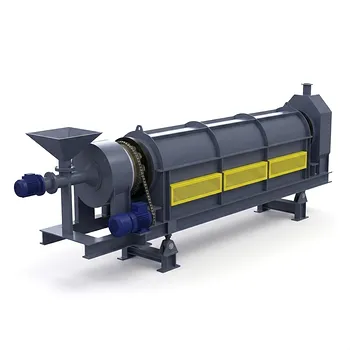
Electric Rotary Kiln Small Rotary Furnace for Activated Carbon Regeneration
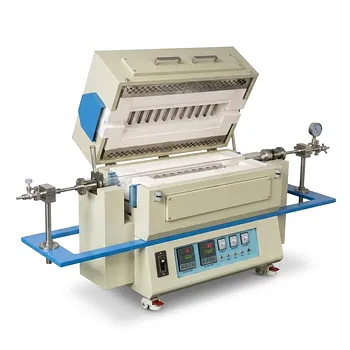
High Temperature Dual Zone Rotating Tube Furnace 1500C Silicon Carbide Heating for Advanced Material Synthesis
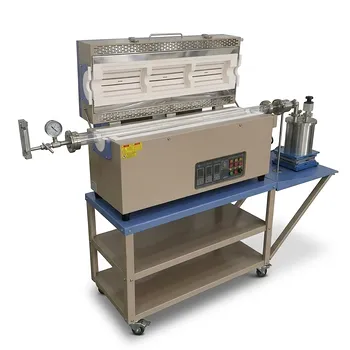
5 Inch Two Zone Rotary Tube Furnace 1100C for Powder CVD and Material Synthesis
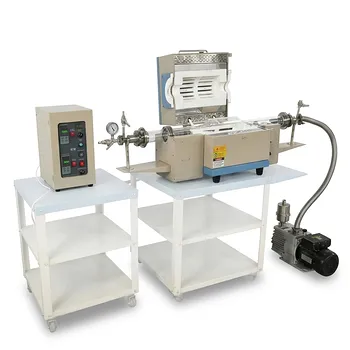
Two Zone Rotary Tube Furnace for Powder CVD Coating and Core Shell Material Synthesis 1100C
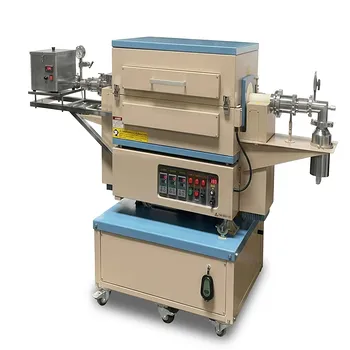
1500C 3-Zone Rotary Tube Furnace 60mm with Automatic Powder Feeding and Receiving System for Continuous Material Synthesis
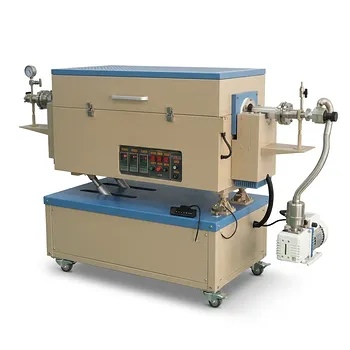
Three Zone Rotary Tube Furnace for High Temperature Powder Processing and Material Research
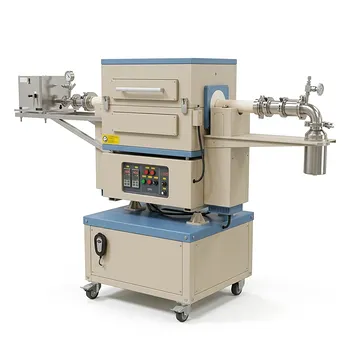
1500C Max Dual Zone Rotary Tube Furnace with 60 mm OD Alumina Tube for High Temperature Material Synthesis
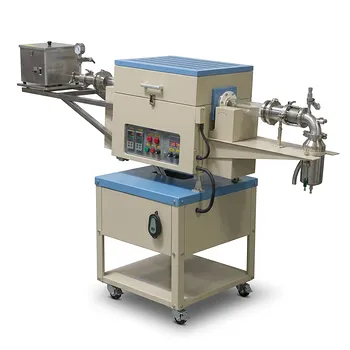
Two Zone Rotary CVD Furnace with Automatic Feeding and Receiving System for Powder Processing
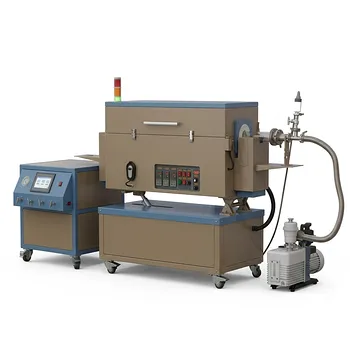
5 Inch Three Zone Rotary Tube Furnace with Integrated Gas Delivery System and 1200C Capability for Advanced Material CVD Processing
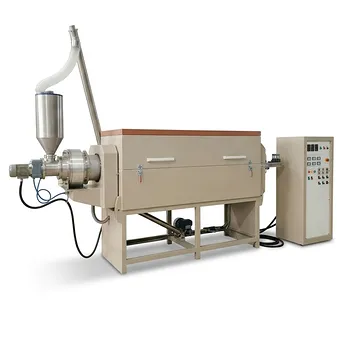
Continuous Feeding Rotary Tube Furnace for Industrial Powder Heat Treatment and Material Research
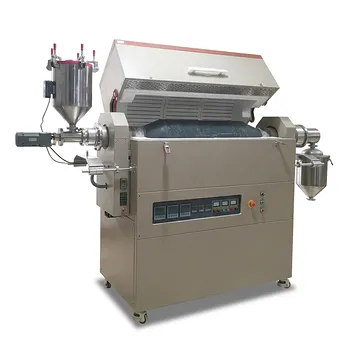
High Temperature Tilting Rotary Tubular Furnace for Continuous Powder Thermal Processing and Controlled Atmosphere Sintering
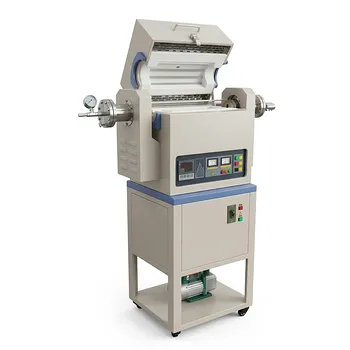
High Temperature Rotary Tilt Tubular Furnaces for Advanced Powder Sintering and Material Processing
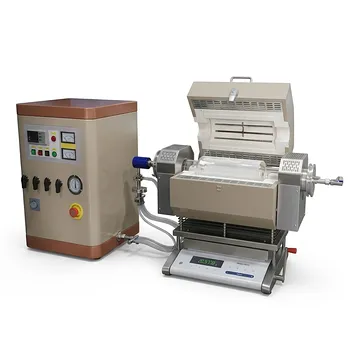
Mini Rotary Tubular Furnaces for Precision Powder Heat Treatment and Thermogravimetric Analysis
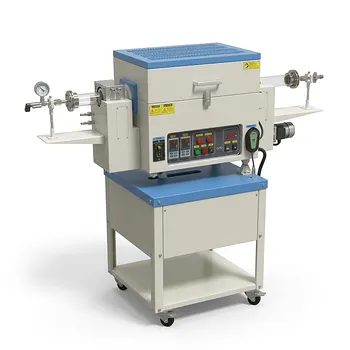
4 Inch Two Zone Rotary CVD Tube Furnace for High Temperature Battery Material Synthesis and Advanced Material Calcination
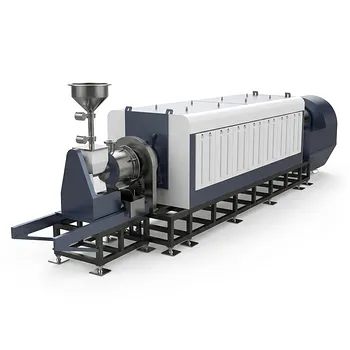
Electric Rotary Kiln Small Rotary Furnace Biomass Pyrolysis Plant
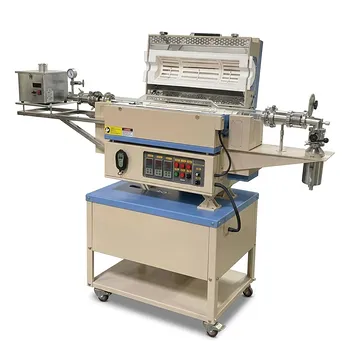
5 Inch Rotary Tube Furnace with Automatic Feeding and Receiving System 1200C Three Zone CVD Powder Processing
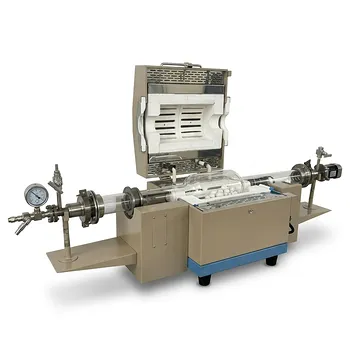
High Temperature Rotary Tube Furnace with Integrated Ball Milling and Gas Flow Function for Powder Nitriding
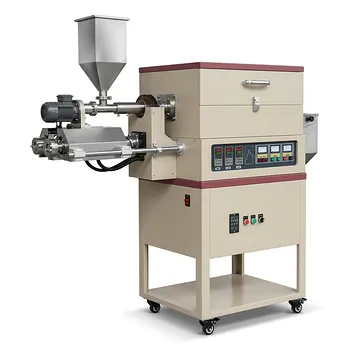
Laboratory Tilting Rotary Tubular Furnaces for Material Science and Industrial Heat Treatment
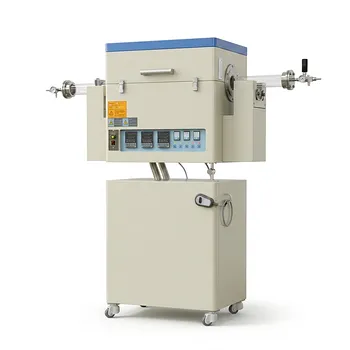
Three Temperature Zone Rotating Tube Furnace for Material Sintering and Controlled Atmospheric Heat Treatment