What are the primary functions of a High-Frequency Induction Melting Furnace in LMD? Achieve Precision Microstructures
Updated 3 months ago
The High-Frequency Induction Melting Furnace is the thermal engine of the Liquid Metal Dealloying (LMD) process. It provides the precise temperature stabilization—specifically at points like 850°C for Ca-Mg baths—required to drive the selective leaching of precursor atoms and the structural reorganization of the target metal. This creates the necessary environment for forming a uniform, bicontinuous composite skeleton with minimal defects.
Core Takeaway: In LMD, the induction furnace acts as a high-precision thermal reactor that facilitates the "uphill" diffusion of target atoms and the leaching of precursor elements while maintaining the extreme thermal stability required for a uniform microstructure.
Precision Thermal Management and Kinetics
The furnace’s most critical role is maintaining the specific energetic state required for the dealloying reaction to occur.
Maintaining Isothermal Stability
The furnace ensures the melt, such as a Ca-Mg eutectic bath, remains at a stable 850°C throughout the reaction. This stability is vital because even minor temperature fluctuations can disrupt the delicate balance of atomic movement, leading to non-uniformity in the resulting material.
Rapid Thermal Response
High-frequency induction heating is characterized by its rapid response time, allowing the system to compensate for heat loss almost instantaneously. This minimizes temperature gradients within the melt, which is conducive to forming a uniform composite precursor skeleton.
Facilitating Atomic Transport and Diffusion
The furnace provides the thermal dynamics necessary for the physical transformation of the alloy at the atomic level.
Driving Selective Leaching
The heat generated facilitates the diffusion of copper atoms (or other soluble elements) from the precursor into the liquid metal melt. This "leaching" is the fundamental mechanism that creates the porous or composite structure.
Enabling Uphill Diffusion
The furnace provides the energy required for the uphill diffusion and aggregation of target atoms, such as titanium, at the solid-liquid interface. This counter-intuitive movement of atoms is what allows the target metal to reorganize into a structured, solid framework as the other elements dissolve.
Environmental and Compositional Integrity
Beyond heat, the induction furnace controls the physical and chemical environment of the molten pool.
Electromagnetic Stirring and Homogeneity
The induction process generates eddy currents that create an intense electromagnetic stirring effect. This ensures that the alloying elements are fully dissolved and uniformly distributed, preventing the macro-segregation that often plagues large-scale melting.
Atmospheric Protection and Purity
When configured as a vacuum induction furnace, the equipment creates a sealed environment to prevent the oxidative loss of active elements like iron or nickel. It effectively removes dissolved gases—such as oxygen, nitrogen, and hydrogen—ensuring the final alloy meets high-purity, aerospace-grade standards.
Understanding the Trade-offs
While highly efficient, using a high-frequency induction furnace for LMD requires careful calibration.
- Heating Intensity vs. Structural Fragility: The intense electromagnetic stirring that ensures chemical homogeneity can sometimes be too violent for the delicate, porous structures being formed during dealloying.
- Energy and Material Limits: This method is highly efficient for conductive metallic materials but cannot be used for non-conductive precursors without a susceptor.
- Thermal Overshoot: The rapid heating capability requires sophisticated control systems to prevent "overshooting" the target temperature, which could lead to unwanted grain growth or the total melting of the target skeleton.
How to Apply This to Your Project
When selecting or configuring an induction furnace for dealloying, your goals will dictate the priority of these functions.
- If your primary focus is structural uniformity: Prioritize the rapid response characteristics and frequency tuning to ensure minimal temperature fluctuations during the isothermal hold.
- If your primary focus is chemical purity: Utilize a vacuum-sealed induction environment to eliminate external interference factors and prevent the oxidation of the molten bath.
- If your primary focus is preventing segregation: Leverage the electromagnetic stirring effect to ensure that high-density alloying elements are fully dissolved and distributed throughout the molten pool.
By mastering the thermal and kinetic control offered by induction heating, researchers can achieve a level of microstructural precision that is impossible with conventional heating methods.
Summary Table:
| Key Function | Mechanism | Impact on LMD Process |
|---|---|---|
| Thermal Stability | Maintains exact isothermal state (e.g., 850°C) | Ensures uniform bicontinuous composite skeletons. |
| Atomic Transport | Facilitates selective leaching & uphill diffusion | Drives the reorganization of target metal atoms. |
| Fluid Dynamics | Electromagnetic stirring via eddy currents | Prevents macro-segregation and ensures homogeneity. |
| Environmental Control | Vacuum-sealed induction environment | Eliminates oxidative loss and removes dissolved gases. |
| Rapid Response | Instantaneous heat loss compensation | Minimizes temperature gradients within the melt. |
Elevate Your Material Science Research with THERMUNITS
As a leading manufacturer of high-temperature laboratory equipment, THERMUNITS provides the precision and reliability required for advanced processes like Liquid Metal Dealloying. Our Vacuum Induction Melting Furnaces (VIM) and high-frequency systems are engineered to offer the exact thermal stability and atmospheric purity needed for aerospace-grade R&D.
From Muffle, Vacuum, and Atmosphere furnaces to specialized CVD/PECVD systems, Rotary kilns, and Hot Press furnaces, we offer a comprehensive suite of thermal processing solutions. Whether you are focused on structural uniformity or chemical purity, our equipment is designed to enhance your lab's efficiency and results.
Ready to optimize your heat treatment process? Contact our experts today to discover the perfect solution for your research and industrial needs!
References
- Kook Noh Yoon, Eun Soo Park. Water‐Etched Porous Ti: Surface Manipulation of Ti Foam Fabricated by Liquid Metal Dealloying Technique. DOI: 10.1002/smtd.202401092
Mentioned Products
- Induction Melting Casting Furnace 1750C Vacuum High Frequency Metal Processing Unit
- High Throughput Induction Melting and Casting Furnace for Superalloy Research 1700C Atmosphere Controlled Multi Sample System
- 1900C Maximum High Temperature 7KW Vacuum Induction Melting System with 60mm Quartz Tube and Manual Temperature Control for Metallic Alloy Research
- High Temperature Induction Melting System with Multi Cavity Crucible and 15KW Precision Digital Temperature Control
- Atmosphere Controlled Induction Melting Granulating Casting Furnace 1500C 5kg Capacity
People Also Ask
- What are the key structural components that make up a Vacuum Induction Melting (VIM) furnace system? Full Guide
- What is the primary role of a Vacuum Induction Melting furnace in the smelting of Fe-Cr-N alloys? Ensuring High Purity
- How does a Vacuum Induction Melting furnace heat materials while preventing atmospheric contamination? Achieve High Purity
- What technical advantages does Vacuum Induction Melting offer regarding alloy homogeneity and purity? Enhance Performance
- How does the skin effect influence VIM frequency selection? Optimize Heat Penetration & Stirring Efficiency

Tech Team · ThermUnits
Last updated on Jun 02, 2026
Related Products
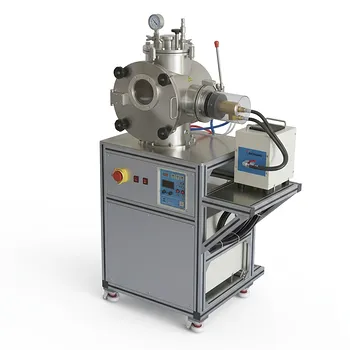
Induction Melting Casting Furnace 1750C Vacuum High Frequency Metal Processing Unit
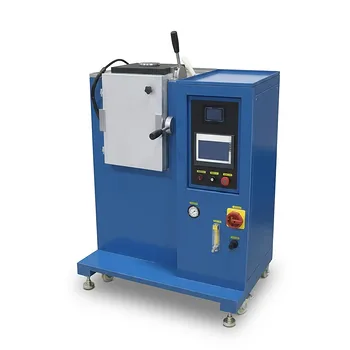
High Throughput Induction Melting and Casting Furnace for Superalloy Research 1700C Atmosphere Controlled Multi Sample System
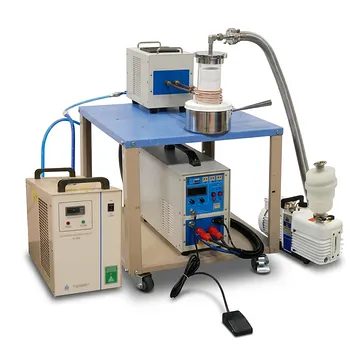
1900C Maximum High Temperature 7KW Vacuum Induction Melting System with 60mm Quartz Tube and Manual Temperature Control for Metallic Alloy Research
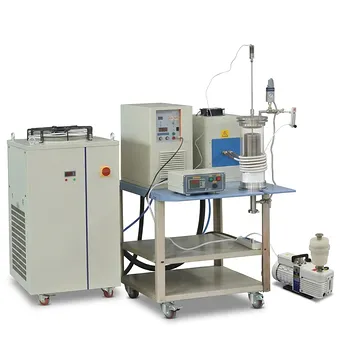
High Temperature Induction Melting System with Multi Cavity Crucible and 15KW Precision Digital Temperature Control
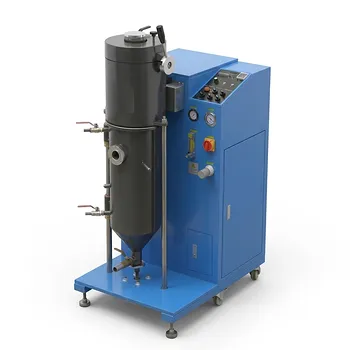
Atmosphere Controlled Induction Melting Granulating Casting Furnace 1500C 5kg Capacity
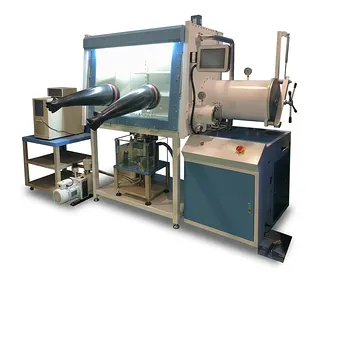
High Temperature Induction Melting System with Integrated Ultra High Purity Glove Box for Metallic Alloy Processing
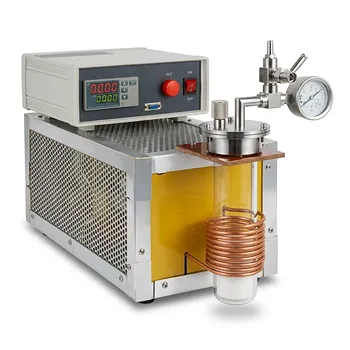
High Temperature Mini Induction Heating Furnace 1600C Laboratory Material Melting System
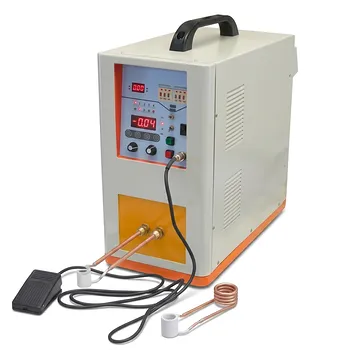
Desktop High Frequency Induction Heater for Precision Metal Melting and Laboratory Thermal Processing 0.6 to 1.1MHz
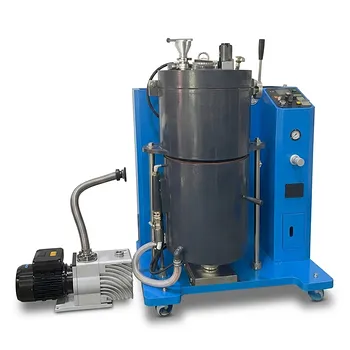
Atmosphere Controlled Induction Melting Casting System 1600C 10L Capacity
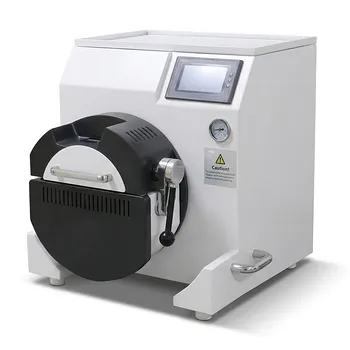
Desktop Induction Melting Furnace with Automatic Rotary Casting Function up to 1700C for Advanced Metal Alloy Research
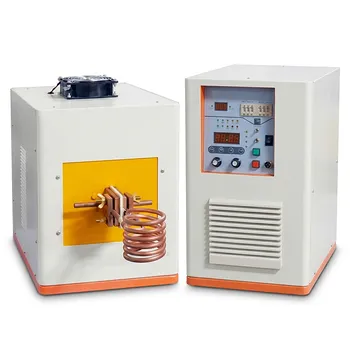
30KW High Frequency Induction Heater for Metal Melting and Industrial Heat Treatment 80-200kHz
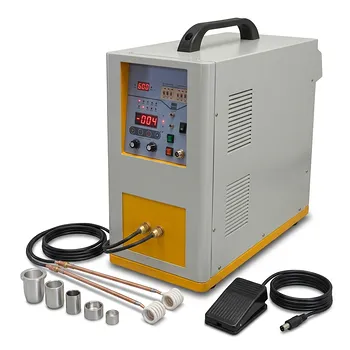
Desktop High Frequency Induction Heater 6KW 100-500kHz for Precision Metal Melting and Heat Treatment
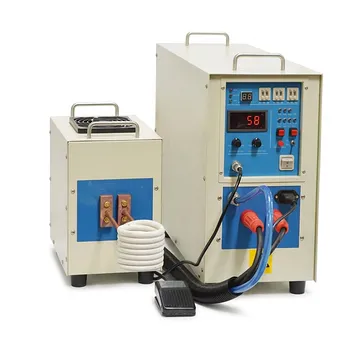
High Frequency Desktop Induction Heater 15 KVA Induction Heating System with Automatic Timer Control for Material Research and Metal Melting
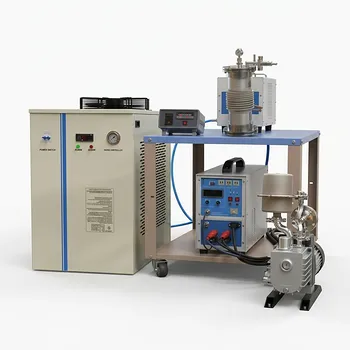
Induction Heating System with Temperature Control for High Temperature Vacuum Sintering and Melting
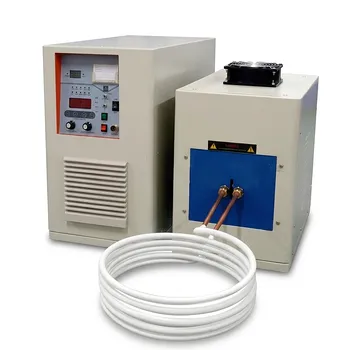
High Power 25KW Induction Heating System with Precision Timer Control and 80kHz Frequency for Metal Melting and Heat Treatment
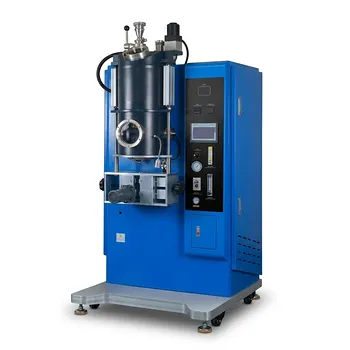
Atmosphere Controlled Continuous Casting Furnace with Secondary Charge Function for Induction Melting and Metal Alloy Wire Production
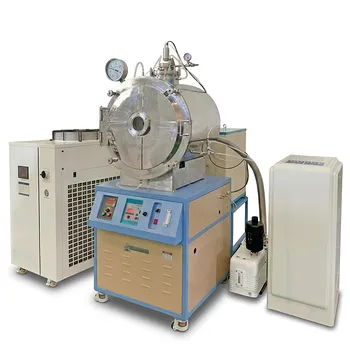
Ultra High Temperature Induction Heated Vacuum Furnace with Molten Salt Electrolysis Capability and 3000 Degree Precision Control
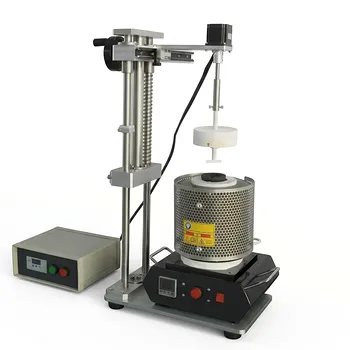
1100C Crucible Melting Furnace with Stirring Function for Glovebox and Air Sensitive Alloy Research
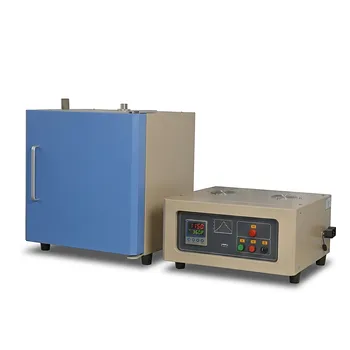
High Temperature Muffle Furnace with Alloy Chamber for Debinding and Sintering Applications