How does a Vacuum Induction Melting furnace heat materials while preventing atmospheric contamination? Achieve High Purity
Updated 5 months ago
A Vacuum Induction Melting (VIM) furnace heats conductive materials through electromagnetic induction while maintaining a high-vacuum environment to eliminate atmospheric gases. This dual-action process uses a water-cooled copper coil to generate heat directly within the metal charge, while a sealed chamber prevents oxidation and removes dissolved impurities.
Core Takeaway: VIM technology combines contactless volumetric heating with a low-pressure environment to produce high-purity alloys. By eliminating oxygen and nitrogen while ensuring chemical uniformity through electromagnetic stirring, it serves as a critical tool for high-performance engineering.
The Physics of Induction Heating
Faraday’s Law and Eddy Currents
The process begins with a water-cooled copper coil surrounding a refractory-lined crucible. When an alternating current—typically at a medium frequency of 500 to 3000 Hz—flows through this coil, it generates a rapidly oscillating magnetic field.
According to Faraday's Law, this magnetic field penetrates the conductive metal charge inside the crucible. This induces internal electrical loops known as eddy currents within the metal itself.
Volumetric Joule Heating
The heat is not applied to the surface by an external flame or element; instead, it is generated internally through the Joule effect. As eddy currents encounter the electrical resistance of the metal, they convert electrical energy into thermal energy ($I^2R$ heating).
Because this heat is generated volumetrically within the charge, the process is highly efficient. This "contactless" method ensures that the heat source itself does not introduce contaminants into the melt.
Achieving Atmospheric Isolation
The Vacuum Chamber Environment
To prevent contamination, the entire melting assembly is housed within a sealed vacuum chamber. This environment is typically maintained at a pressure of $10^{-2}$ to $10^{-3}$ torr or lower.
By removing air from the chamber, the system eliminates the primary sources of oxidation and nitridation. This is essential for processing reactive metals and "superalloys" that would degrade if exposed to oxygen at high temperatures.
Degassing and Impurity Removal
The vacuum does more than just protect the metal; it actively refines it. The low-pressure environment forces dissolved gases like oxygen, nitrogen, and hydrogen to migrate out of the molten metal.
Furthermore, volatile impurities with high vapor pressures are evaporated and discharged from the melt. This results in a finished product with significantly higher purity and microstructural density than air-melted alternatives.
Enhancing Material Uniformity
The Electromagnetic Stirring Effect
The same induction currents used for heating also provide a mechanical benefit known as electromagnetic stirring. The interaction between the magnetic field and the induced currents creates a stirring motion within the liquid pool.
This motion ensures that the temperature remains consistent throughout the melt. More importantly, it guarantees that alloying elements are distributed with complete uniformity, which is vital for the predictable performance of aerospace components.
Understanding the Trade-offs
Volatilization of Desired Elements
While the vacuum is excellent for removing impurities, it can also cause the unintended evaporation of beneficial alloying elements. Metals with high vapor pressures, such as manganese or chromium, may deplete if the vacuum level and temperature are not precisely controlled.
Refractory Interactions
Although the induction coil does not touch the metal, the refractory-lined crucible does. At extreme temperatures, the molten metal can react with the ceramic lining, potentially introducing small amounts of oxygen or inclusions.
Operational Complexity
Maintaining a deep vacuum and managing high-frequency power systems requires significant capital investment and specialized maintenance. The process is generally slower and more expensive than atmospheric melting, making it reserved for high-value materials.
How to Apply This to Your Project
If you are evaluating whether Vacuum Induction Melting is the right process for your specific application, consider the following goals:
- If your primary focus is gas-sensitive alloys: Utilize VIM to ensure that hydrogen embrittlement and nitrogen porosity are eliminated during the melting stage.
- If your primary focus is chemical homogeneity: Leverage the electromagnetic stirring inherent in VIM to produce large batches of alloys with perfectly uniform element distribution.
- If your primary focus is extreme purity: Focus on the vacuum's ability to "boil off" volatile trace impurities that cannot be removed through traditional slag-based refining.
By mastering the balance between electromagnetic power and vacuum depth, engineers can produce the foundational materials required for the world's most demanding environments.
Summary Table:
| Feature | Mechanism | Key Benefit |
|---|---|---|
| Induction Heating | Eddy currents & Joule effect | Contactless, volumetric heating; no external contaminants |
| Vacuum Environment | $10^{-2}$ to $10^{-3}$ torr | Prevents oxidation/nitridation; removes dissolved gases |
| Electromagnetic Stirring | Magnetic field interaction | Ensures chemical homogeneity and uniform temperature |
| Impurity Removal | Low-pressure evaporation | Discharges volatile impurities for superior material density |
Elevate Your Material Purity with THERMUNITS
Are you looking to eliminate gas contamination and achieve perfect chemical uniformity in your high-performance alloys? THERMUNITS is a leading manufacturer of high-temperature laboratory equipment for material science and industrial R&D. We specialize in providing advanced thermal processing solutions tailored to your specific needs.
Our comprehensive range includes:
- Vacuum Induction Melting (VIM) Furnaces for high-purity alloy production.
- Muffle, Atmosphere, Tube, and Rotary Furnaces for versatile heat treatment.
- CVD/PECVD Systems & Hot Press Furnaces for advanced thin-film and material synthesis.
- Dental Furnaces, Electric Rotary Kilns, and high-quality Thermal Elements.
Partner with THERMUNITS to leverage our expertise in vacuum technology and induction heating. Contact us today to find the perfect furnace for your project!
Mentioned Products
- 1900C Maximum High Temperature 7KW Vacuum Induction Melting System with 60mm Quartz Tube and Manual Temperature Control for Metallic Alloy Research
- Induction Melting Casting Furnace 1750C Vacuum High Frequency Metal Processing Unit
- High Temperature Induction Melting System with Integrated Ultra High Purity Glove Box for Metallic Alloy Processing
- Atmosphere Controlled Induction Melting Granulating Casting Furnace 1500C 5kg Capacity
- Atmosphere Controlled Induction Melting Casting System 1600C 10L Capacity
People Also Ask
- What is the primary role of a Vacuum Induction Melting furnace in the smelting of Fe-Cr-N alloys? Ensuring High Purity
- What are the key structural components that make up a Vacuum Induction Melting (VIM) furnace system? Full Guide
- How does the skin effect influence VIM frequency selection? Optimize Heat Penetration & Stirring Efficiency
- What technical advantages does Vacuum Induction Melting offer regarding alloy homogeneity and purity? Enhance Performance
- Explain the physical principle behind heat generation in a Vacuum Induction Melting (VIM) furnace: A Technical Guide

Tech Team · ThermUnits
Last updated on Apr 14, 2026
Related Products
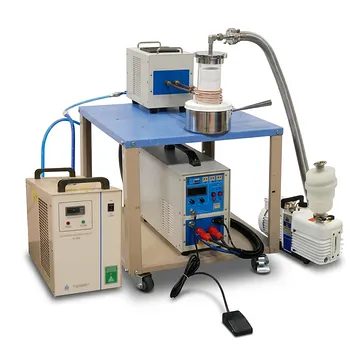
1900C Maximum High Temperature 7KW Vacuum Induction Melting System with 60mm Quartz Tube and Manual Temperature Control for Metallic Alloy Research
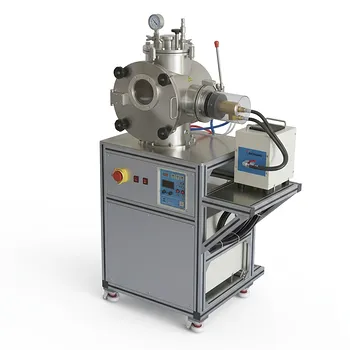
Induction Melting Casting Furnace 1750C Vacuum High Frequency Metal Processing Unit
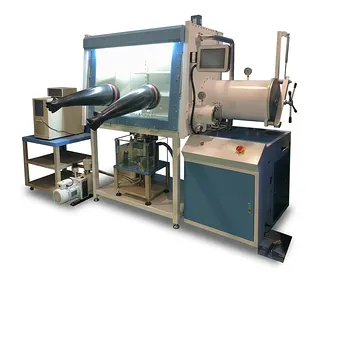
High Temperature Induction Melting System with Integrated Ultra High Purity Glove Box for Metallic Alloy Processing
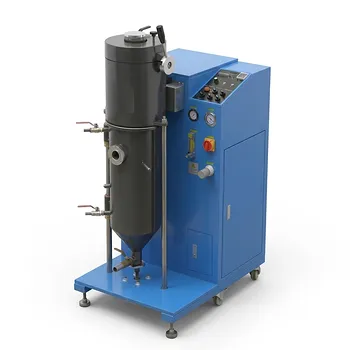
Atmosphere Controlled Induction Melting Granulating Casting Furnace 1500C 5kg Capacity
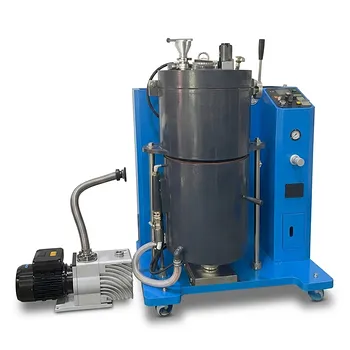
Atmosphere Controlled Induction Melting Casting System 1600C 10L Capacity
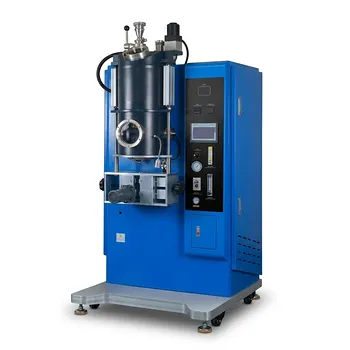
Atmosphere Controlled Continuous Casting Furnace with Secondary Charge Function for Induction Melting and Metal Alloy Wire Production
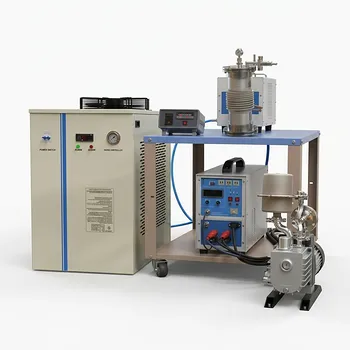
Induction Heating System with Temperature Control for High Temperature Vacuum Sintering and Melting
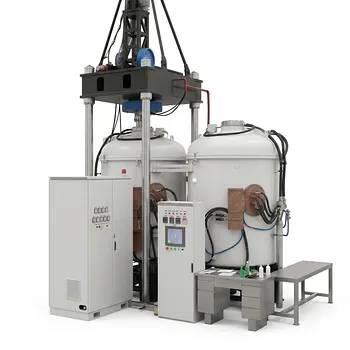
High Pressure 600T Vacuum Induction Hot Press Furnace for Advanced Material Heat Treatment and Sintering
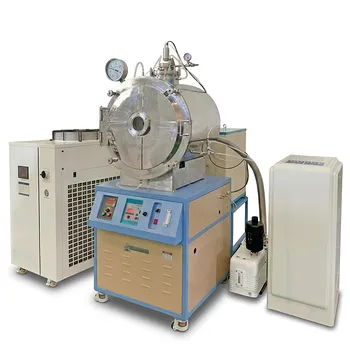
Ultra High Temperature Induction Heated Vacuum Furnace with Molten Salt Electrolysis Capability and 3000 Degree Precision Control
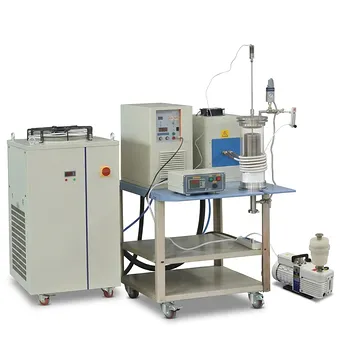
High Temperature Induction Melting System with Multi Cavity Crucible and 15KW Precision Digital Temperature Control
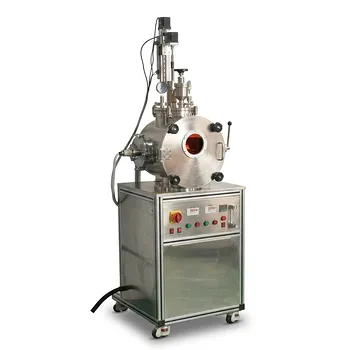
High Vacuum Melting Casting Furnace with Mechanical Stirring and Secondary Charge for Metallic Alloy Research
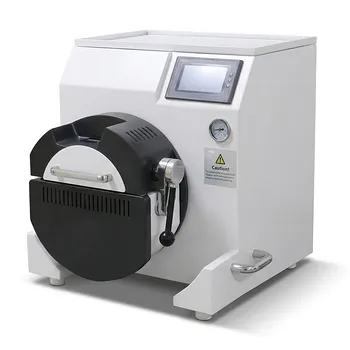
Desktop Induction Melting Furnace with Automatic Rotary Casting Function up to 1700C for Advanced Metal Alloy Research
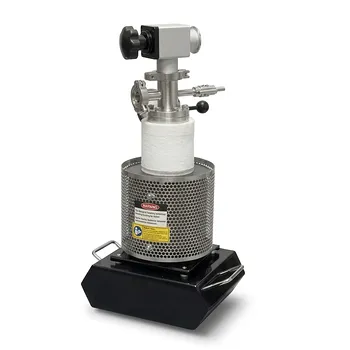
High Temperature 1100C Compact Top Loading Vertical Vacuum Tube Furnace for High Vacuum Noble Metal Melting and Material Research
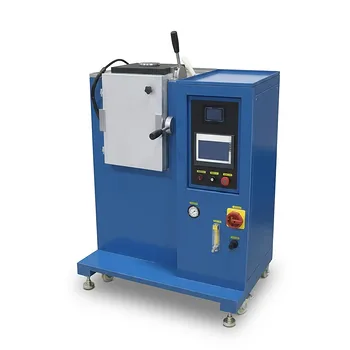
High Throughput Induction Melting and Casting Furnace for Superalloy Research 1700C Atmosphere Controlled Multi Sample System
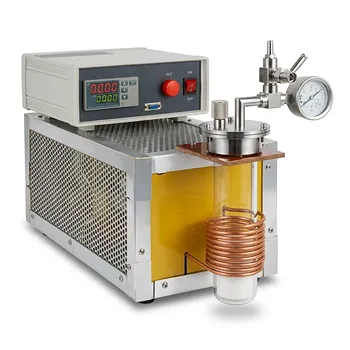
High Temperature Mini Induction Heating Furnace 1600C Laboratory Material Melting System
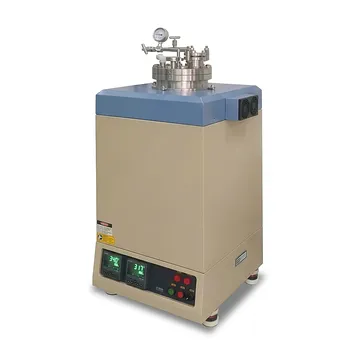
High Temperature 1000C Vacuum Furnace with 8 Inch ID Chamber for Material Sintering and Research Annealing
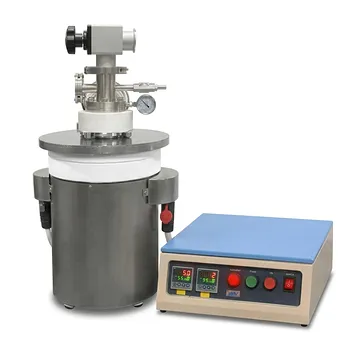
1100C High Temperature Vacuum Crucible Furnace with Quartz Chamber for Thermal Processing and Sintering
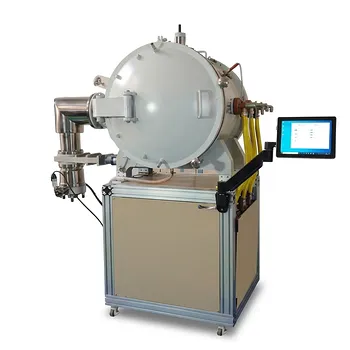
High Temperature Cold Wall Vacuum Furnace for Advanced Material Sintering and Annealing 1600C Heating Area 200x200x300mm
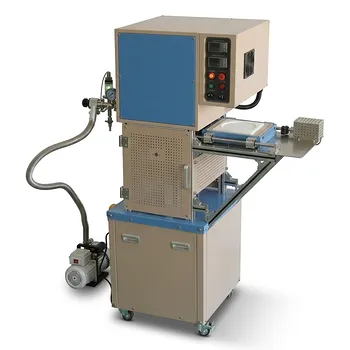
1200°C Bottom Loading Vacuum Furnace with Rapid Gas Cooling and 8.6 Inch Diameter Quartz Chamber
