What is the primary role of a Vacuum Induction Melting furnace in the smelting of Fe-Cr-N alloys? Ensuring High Purity
Updated 3 months ago
The primary role of a Vacuum Induction Melting (VIM) furnace in the smelting of Fe-Cr-N alloys is to provide a low-oxygen, high-purity environment that prevents the oxidative loss of chromium. By operating under controlled vacuum conditions, the VIM furnace ensures the precise chemical composition of the melt and eliminates gas impurities like oxygen and hydrogen. This process creates a clean, homogeneous metallic substrate that is essential for the successful incorporation of nitrogen in subsequent processing steps.
Core Takeaway: The VIM furnace acts as the critical quality-control stage in Fe-Cr-N production, utilizing a vacuum to protect reactive alloying elements from oxidation while ensuring a chemically uniform base material for high-pressure nitriding.
Maintaining Chemical Integrity and Purity
Prevention of Oxidative Loss
Chromium is highly reactive at high temperatures and easily forms oxides if exposed to atmospheric oxygen. The vacuum environment of the VIM furnace eliminates this risk, ensuring that the intended ratio of ferrochromium remains within the alloy rather than being lost to slag.
Minimizing Atmospheric Impurities
Beyond preventing oxidation, the VIM furnace effectively removes or prevents the absorption of impurity gases such as hydrogen and oxygen. This level of purity is vital for the mechanical integrity of the final alloy, as these impurities can cause brittleness or internal defects.
High-Purity Raw Material Processing
The VIM process is specifically designed to handle electrolytic iron and other high-purity precursors. By maintaining a clean melting environment, the furnace preserves the high quality of these starting materials throughout the transition to a liquid state.
Achieving Structural and Chemical Homogeneity
Precision Composition Control
Fe-Cr-N alloys require exact ratios of iron and chromium to achieve specific material properties. The VIM furnace allows for precise adjustments to the alloy composition, ensuring that the final ingot matches the theoretical design with minimal variance.
The Role of Electromagnetic Stirring
The induction heating process naturally generates electromagnetic stirring within the melt. This physical agitation ensures that the iron and chromium are thoroughly mixed, resulting in a high degree of chemical homogeneity across the entire ingot.
Stable Substrate for Nitriding
A VIM furnace produces a uniform metallic substrate, which is a prerequisite for subsequent high-pressure nitriding. Without this consistent base, the diffusion of nitrogen into the alloy would be uneven, leading to localized failures or inconsistent performance.
Understanding the Trade-offs
Refractory Material Interactions
While the vacuum prevents atmospheric contamination, the high temperatures can cause the melt to react with the furnace's refractory lining. This interaction can sometimes introduce trace ceramic impurities, requiring careful selection of crucible materials.
Cost and Complexity
VIM technology is significantly more expensive and complex than open-air induction melting. The requirement for vacuum seals, specialized pumps, and controlled atmospheres increases the operational cost per kilogram of alloy produced.
Batch Size Constraints
VIM furnaces are typically designed for batch processing rather than continuous production. This limitation can affect the throughput for large-scale industrial applications, making it more suitable for high-value research or specialty alloy production.
Applying VIM Technology to Your Project
Recommendations for Material Development
- If your primary focus is maximizing alloy purity: Utilize high-vacuum settings and premium electrolytic precursors to ensure the lowest possible gas impurity levels.
- If your primary focus is precise nitrogen control: Use the VIM furnace to create a perfectly homogeneous Fe-Cr substrate before moving to a specialized high-pressure nitriding chamber.
- If your primary focus is research into material deformation: Leverage the electromagnetic stirring of the VIM to ensure that any observed behaviors are due to the alloy's structure rather than chemical segregation.
The Vacuum Induction Melting furnace remains the definitive standard for producing the high-quality, high-purity base materials necessary for the advancement of Fe-Cr-N alloy technology.
Summary Table:
| Key Feature | Functional Role | Benefit for Fe-Cr-N Alloys |
|---|---|---|
| Vacuum Environment | Prevents atmospheric oxygen contact | Eliminates oxidative loss of Chromium |
| Induction Heating | Facilitates electromagnetic stirring | Ensures chemical and structural homogeneity |
| Degassing Capability | Removes hydrogen and oxygen | Minimizes brittleness and internal defects |
| Composition Control | Precise adjustment of alloy ratios | Provides a stable substrate for nitriding |
Elevate Your Material Research with THERMUNITS Precision
Achieving the perfect Fe-Cr-N alloy requires uncompromising control over purity and homogeneity. THERMUNITS is a leading manufacturer of high-temperature laboratory equipment, specialized in empowering material science and industrial R&D. Our high-performance Vacuum Induction Melting (VIM) furnaces are engineered to provide the ultra-clean environment necessary for advanced metallurgy.
Beyond VIM technology, we offer a comprehensive suite of thermal solutions, including:
- Muffle, Vacuum, Atmosphere, and Tube Furnaces
- CVD/PECVD Systems & Rotary Kilns
- Hot Press & Dental Furnaces
- Thermal Elements & Laboratory Heat Treatment Equipment
Ready to optimize your smelting process? Contact our technical experts today to discuss how our customized thermal solutions can enhance your lab's efficiency and material quality.
References
- Philip König, Sebastian Weber. Bainite Formation in a Carbon-Free Fe–Cr–N System. DOI: 10.1007/s11661-024-07365-0
Mentioned Products
- 1900C Maximum High Temperature 7KW Vacuum Induction Melting System with 60mm Quartz Tube and Manual Temperature Control for Metallic Alloy Research
- Induction Melting Casting Furnace 1750C Vacuum High Frequency Metal Processing Unit
- High Temperature Induction Melting System with Integrated Ultra High Purity Glove Box for Metallic Alloy Processing
- Atmosphere Controlled Induction Melting Casting System 1600C 10L Capacity
- Atmosphere Controlled Induction Melting Granulating Casting Furnace 1500C 5kg Capacity
People Also Ask
- How does a Vacuum Induction Melting furnace heat materials while preventing atmospheric contamination? Achieve High Purity
- What are the key structural components that make up a Vacuum Induction Melting (VIM) furnace system? Full Guide
- How does the skin effect influence VIM frequency selection? Optimize Heat Penetration & Stirring Efficiency
- What technical advantages does Vacuum Induction Melting offer regarding alloy homogeneity and purity? Enhance Performance
- Explain the physical principle behind heat generation in a Vacuum Induction Melting (VIM) furnace: A Technical Guide

Tech Team · ThermUnits
Last updated on Jun 02, 2026
Related Products
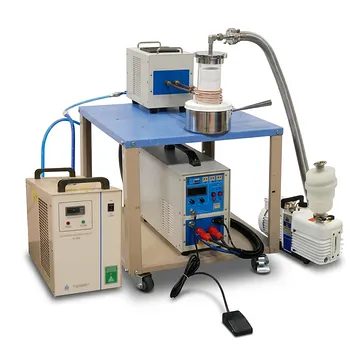
1900C Maximum High Temperature 7KW Vacuum Induction Melting System with 60mm Quartz Tube and Manual Temperature Control for Metallic Alloy Research
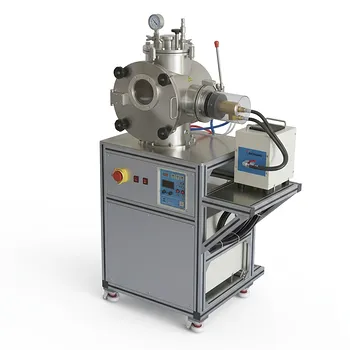
Induction Melting Casting Furnace 1750C Vacuum High Frequency Metal Processing Unit
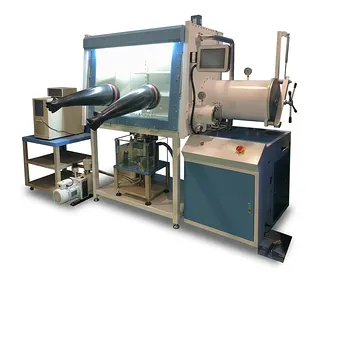
High Temperature Induction Melting System with Integrated Ultra High Purity Glove Box for Metallic Alloy Processing
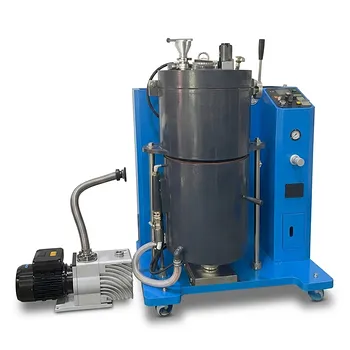
Atmosphere Controlled Induction Melting Casting System 1600C 10L Capacity
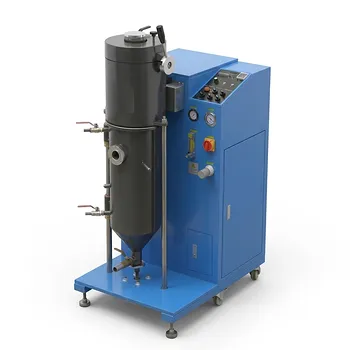
Atmosphere Controlled Induction Melting Granulating Casting Furnace 1500C 5kg Capacity
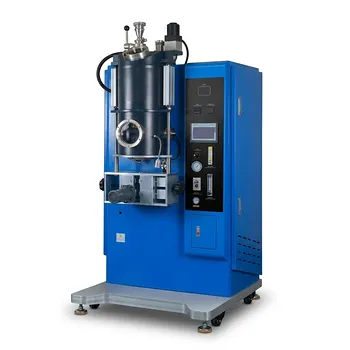
Atmosphere Controlled Continuous Casting Furnace with Secondary Charge Function for Induction Melting and Metal Alloy Wire Production
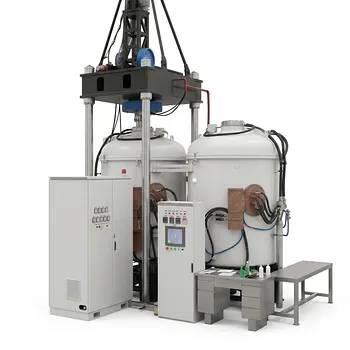
High Pressure 600T Vacuum Induction Hot Press Furnace for Advanced Material Heat Treatment and Sintering
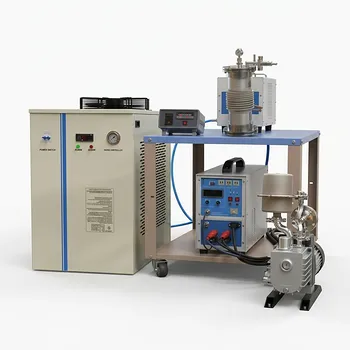
Induction Heating System with Temperature Control for High Temperature Vacuum Sintering and Melting
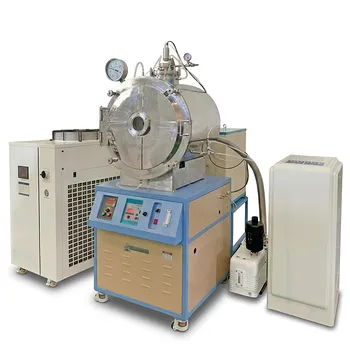
Ultra High Temperature Induction Heated Vacuum Furnace with Molten Salt Electrolysis Capability and 3000 Degree Precision Control
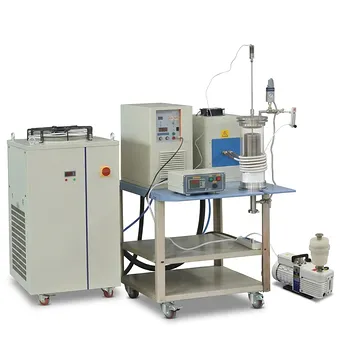
High Temperature Induction Melting System with Multi Cavity Crucible and 15KW Precision Digital Temperature Control
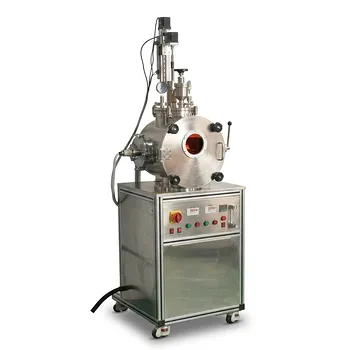
High Vacuum Melting Casting Furnace with Mechanical Stirring and Secondary Charge for Metallic Alloy Research
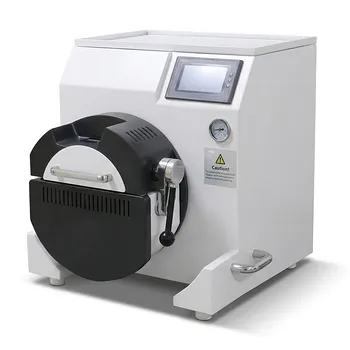
Desktop Induction Melting Furnace with Automatic Rotary Casting Function up to 1700C for Advanced Metal Alloy Research
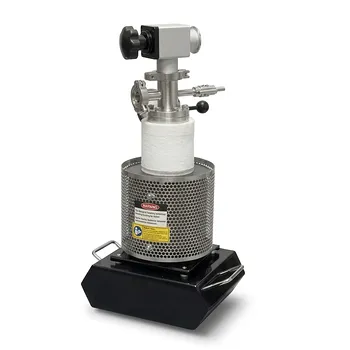
High Temperature 1100C Compact Top Loading Vertical Vacuum Tube Furnace for High Vacuum Noble Metal Melting and Material Research
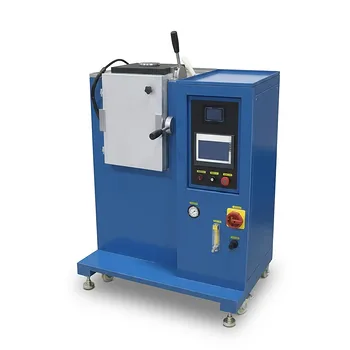
High Throughput Induction Melting and Casting Furnace for Superalloy Research 1700C Atmosphere Controlled Multi Sample System
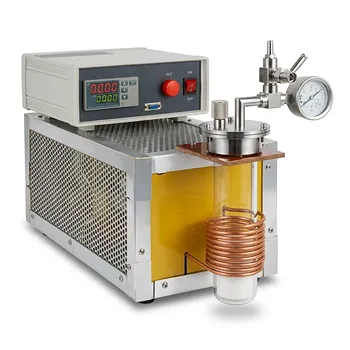
High Temperature Mini Induction Heating Furnace 1600C Laboratory Material Melting System
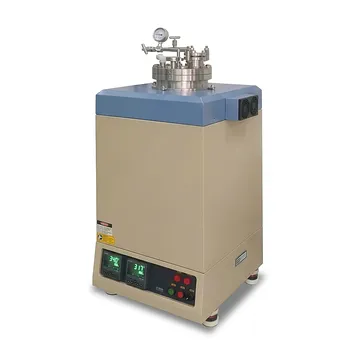
High Temperature 1000C Vacuum Furnace with 8 Inch ID Chamber for Material Sintering and Research Annealing
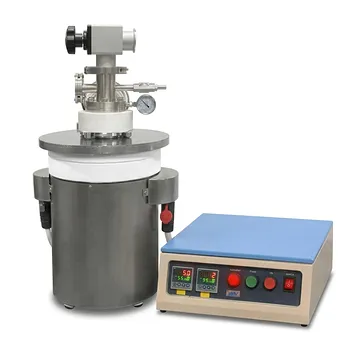
1100C High Temperature Vacuum Crucible Furnace with Quartz Chamber for Thermal Processing and Sintering
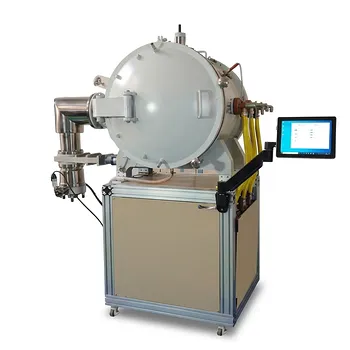
High Temperature Cold Wall Vacuum Furnace for Advanced Material Sintering and Annealing 1600C Heating Area 200x200x300mm
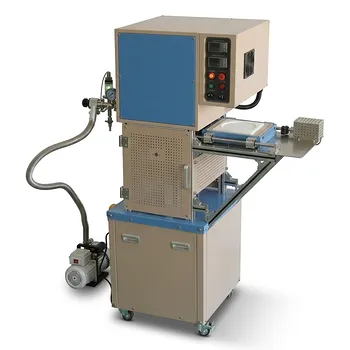
1200°C Bottom Loading Vacuum Furnace with Rapid Gas Cooling and 8.6 Inch Diameter Quartz Chamber
