What are the sequential steps of heat transfer in an electric muffle furnace? 4 Key Stages for Thermal Precision
Updated 5 months ago
To understand the thermal dynamics of an electric muffle furnace, you must view it as a four-stage sequential energy conversion process. It begins with Joule heating in the resistive elements, followed by conduction through refractory materials, transition to radiant and convective emission within the chamber, and concludes with the uniform absorption of energy by the sample.
The heat transfer sequence follows a precise path from electrical resistance to thermal radiation. By isolating the heating elements from the chamber, the muffle furnace ensures that samples are heated through indirect environmental energy rather than direct contact.
The Four-Step Heat Transfer Sequence
Step 1: Conversion of Electrical Energy via Joule Heating
The process initiates when alternating current (AC) passes through high-resistance heating elements. These elements convert electrical energy into thermal energy, a phenomenon known as Joule heating.
Step 2: Thermal Conduction Through Refractory Materials
The heat generated by the elements does not enter the chamber directly; instead, it must travel through the furnace's refractory lining. This conduction phase ensures the energy is softened and distributed across the exterior of the muffle walls.
Step 3: Radiative and Convective Distribution
Once the muffle walls reach temperature, they begin to emit blackbody radiation inward toward the center of the chamber. Simultaneously, air or gas molecules within the muffle create convection currents that help distribute heat throughout the internal atmosphere.
Step 4: Uniform Absorption by the Sample
In the final stage, the workpiece or sample absorbs this radiant and convective energy from all directions. This allows for high thermal uniformity because the sample is not in direct contact with the primary heat source.
Technical Dynamics of the Heating Chamber
The Dominance of Radiation at High Temperatures
While convection plays a role, radiation becomes the dominant heat transfer mechanism once temperatures exceed 600 °C. At these levels, the infrared energy emitted by the muffle walls provides the majority of the thermal work.
The Role of Minor Conduction
Inside the chamber, conduction is considered a minor factor in the overall heating of the sample. It occurs primarily at the physical contact points where the sample touches crucibles, trays, or internal shelves.
Thermal Uniformity and Isolation
The "muffle" design acts as a physical barrier that protects the sample from combustion contaminants or direct electrical exposure. This isolation is what enables the consistent, multi-directional energy profile required for sensitive laboratory processes.
Understanding the Trade-offs and Limitations
Thermal Inertia and Response Times
Because the heat must conduct through thick refractory materials (Step 2), muffle furnaces often exhibit high thermal inertia. This means they take longer to reach a target temperature and longer to cool down than open-element designs.
Temperature Gradients Near the Door
Despite the goal of uniform heating, the area near the furnace door often represents a "cold spot" due to heat leakage. This can disrupt the radiant balance of Step 3 if the door seal is compromised or if the refractory material is poorly maintained.
Material Compatibility and Outgassing
High-temperature radiation can cause certain samples to outgas, which may coat the muffle walls over time. If these walls become contaminated, their emissivity changes, potentially hindering the efficiency of the radiation phase.
Optimizing Your Furnace Operations
Selecting the right operating parameters depends on your specific material requirements and the desired speed of your process.
- If your primary focus is high-temperature precision: Ensure the sample is placed in the center of the chamber to maximize the benefits of multi-directional blackbody radiation.
- If your primary focus is rapid heating cycles: Consider the thermal mass of your crucibles, as high-mass containers can slow down the final absorption stage (Step 4).
- If your primary focus is atmosphere purity: Use the muffle's isolation properties to introduce inert gases, which will assist in convective heat transfer while preventing oxidation.
Mastering the sequence of heat transfer allows you to manipulate the furnace environment for maximum thermal consistency and sample integrity.
Summary Table:
| Step | Process Stage | Heat Transfer Mechanism | Key Function |
|---|---|---|---|
| 1 | Electrical Conversion | Joule Heating | Heating elements convert AC current into thermal energy. |
| 2 | Wall Heating | Conduction | Energy travels through refractory lining to muffle walls. |
| 3 | Chamber Distribution | Radiation & Convection | Muffle walls emit blackbody radiation (dominant >600°C). |
| 4 | Sample Intake | Uniform Absorption | Sample absorbs multi-directional energy for high uniformity. |
Elevate Your Material Research with THERMUNITS
Optimize your laboratory's thermal consistency and sample integrity with advanced solutions from THERMUNITS. As a leading manufacturer of high-temperature laboratory equipment for material science and industrial R&D, we offer a comprehensive range of thermal processing systems, including:
- Furnaces: Muffle, Vacuum, Atmosphere, Tube, Rotary, and Hot Press.
- Specialized Systems: CVD/PECVD systems, Dental Furnaces, Electric Rotary Kilns, and Vacuum Induction Melting (VIM) furnaces.
- Components: High-quality Thermal Elements and heat treatment accessories.
Whether you need precise radiative heating or specialized atmosphere control, our engineering expertise ensures superior performance for your most sensitive processes.
Contact THERMUNITS today for a customized thermal solution!
Mentioned Products
- High Temperature 1200C Muffle Furnace 27L Volume 12x12x12 Chamber with Programmable PID Controller for Laboratory Material Science
- Compact 1000C Muffle Furnace with Programmable Controller and 2 Inch Top Port for Vacuum and Atmosphere Material Research
- 1200C Muffle Furnace 12x8x5 7.2L Heating Chamber with Quartz Observation Window and Vent Port
- 1200C High Temperature 125L Muffle Furnace 5 Side Heating for Large Batch Sintering with Optional Alloy Debinding Chamber
- 1200C Five Side Heating Muffle Furnace with Sliding Door 125L Volume High Temperature Heat Treatment System for Large Scale Sintering and Annealing
People Also Ask
- Why is annealing in a high-temperature muffle furnace necessary for SiO2/Si substrate pretreatment before monolayer WS2 synthesis?
- What is the purpose of using muffle or tube furnaces in glass synthesis? Achieve Precise Melt-Quenching & Homogeneity
- What role does a high-temperature muffle furnace play in evaluating the mineral composition of rock samples? LOI & XRF Guide
- What role does a high-temperature muffle furnace play in the synthesis of Melem precursors? Precision Polymerization.
- What is the function of a muffle furnace in aluminoborosilicate glass prep? Stabilize Raw Materials for Superior Purity

Tech Team · ThermUnits
Last updated on Apr 14, 2026
Related Products
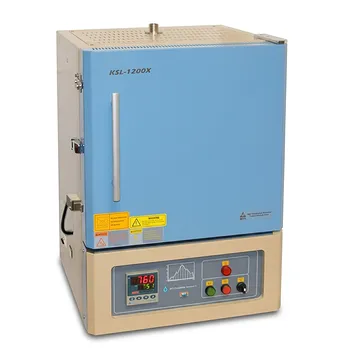
High Temperature 1200C Muffle Furnace 27L Volume 12x12x12 Chamber with Programmable PID Controller for Laboratory Material Science
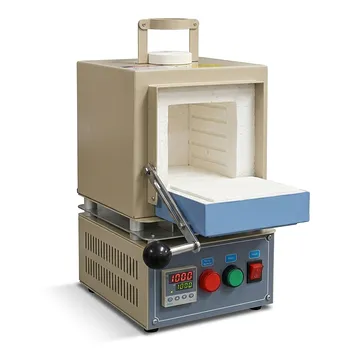
Compact 1000C Muffle Furnace with Programmable Controller and 2 Inch Top Port for Vacuum and Atmosphere Material Research
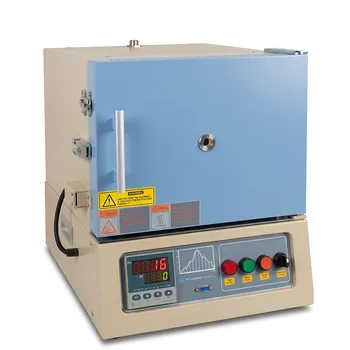
1200C Muffle Furnace 12x8x5 7.2L Heating Chamber with Quartz Observation Window and Vent Port
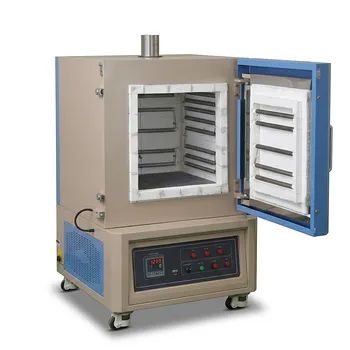
1200C High Temperature 125L Muffle Furnace 5 Side Heating for Large Batch Sintering with Optional Alloy Debinding Chamber
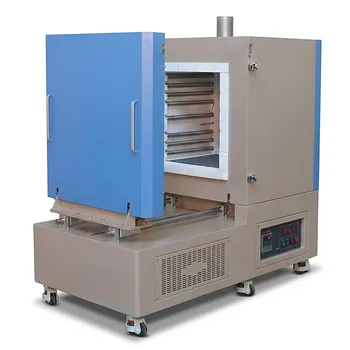
1200C Five Side Heating Muffle Furnace with Sliding Door 125L Volume High Temperature Heat Treatment System for Large Scale Sintering and Annealing
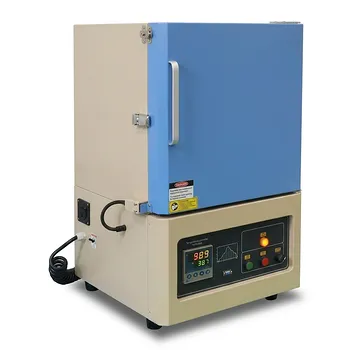
1200°C High Temperature Muffle Furnace 19L Chamber with 50 Segment Programmable Controller
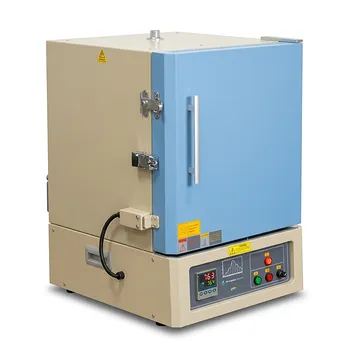
Large Capacity 1200C Muffle Furnace 64 Liter Chamber with Digital PID Controller and Built In Venting Port
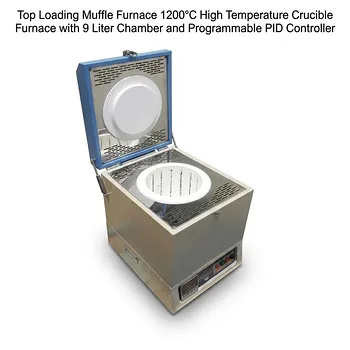
Top Loading Muffle Furnace 1200°C High Temperature Crucible Furnace with 9 Liter Chamber and Programmable PID Controller
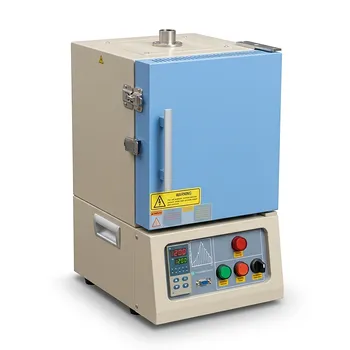
1200°C Small Box Furnace 4.2 Liter Programmable Muffle Furnace with High Purity Alumina Insulation and PID Control
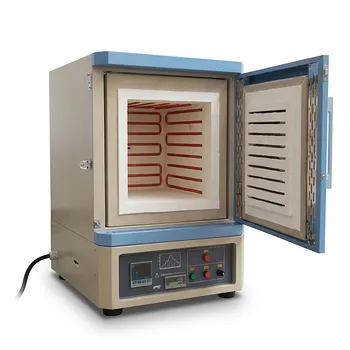
Five Side Heating Muffle Furnace 1200C High Uniformity 64L Chamber 16x16x16 Inch Industrial Heat Treatment
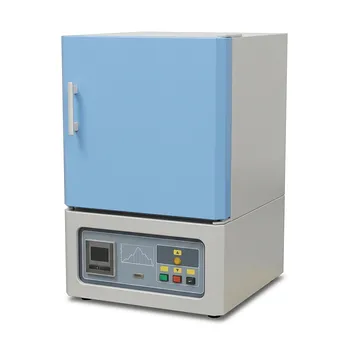
1800C Bench Top Muffle Furnace with Kanthal Super 1900 Heating Elements and 3.6L Alumina Fiber Chamber
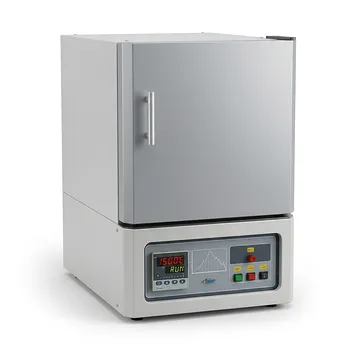
High Temperature 1500C Benchtop Muffle Furnace 3.6L Alumina Fiber Chamber Programmable Controller Sintering Annealing Carbonization Thermal Processing System
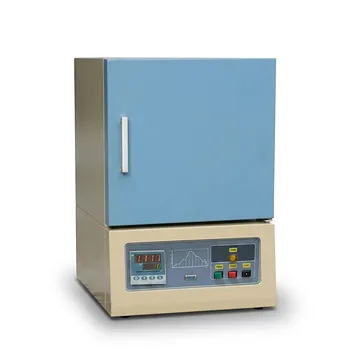
Ultra High Temperature Bench Top Muffle Furnace 1750C Sintering System with Kanthal Super Heating Elements and Precision Digital Control
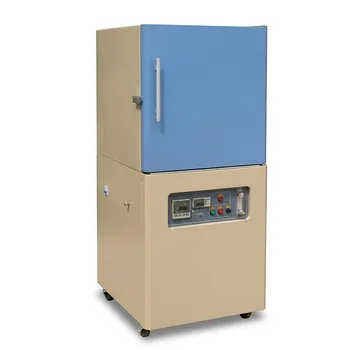
High Temperature Muffle Furnace with Dual Controllers and 36L Large Chamber 1700C Max
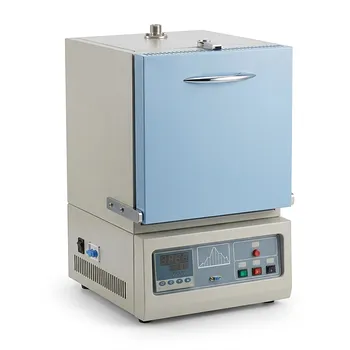
1750C Compact Muffle Furnace 1.7L Ultra High Temperature Laboratory Sintering System for Advanced Ceramics and Material Science Research
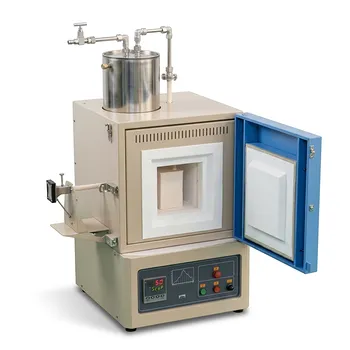
High Temperature Bench Top Muffle Furnace 1700C with Integrated Evaporating Particle Collection and 8x8x8 Alumina Fiber Chamber
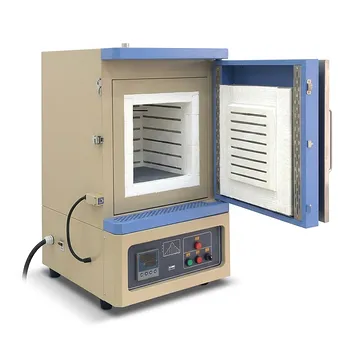
Five Side Heating Muffle Furnace High Purity Alumina Fiber 27L Chamber 1200C High Temperature Thermal Processing System for Sintering Annealing and Materials Research
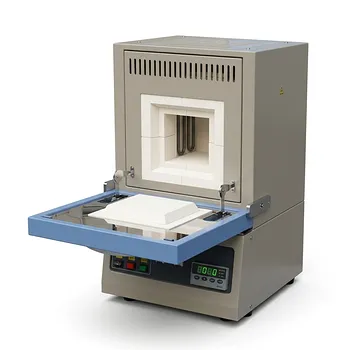
Five Sided Heating Muffle Furnace High Uniformity 1200C Lab Box Furnace 27L Alumina Fiber Chamber
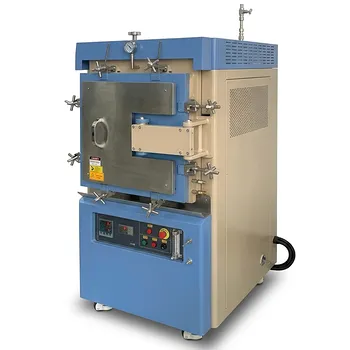
Atmosphere Controlled Muffle Furnace 1700C Maximum Temperature 80L High Capacity Vacuum Inert Gas Box Furnace