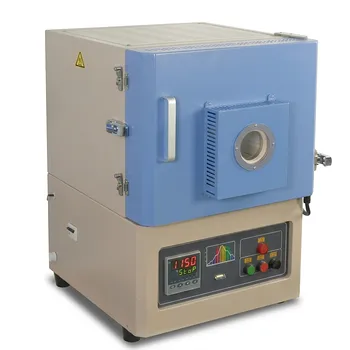
Why is a high-temperature muffle furnace required for high-entropy oxides? Mastering Entropy-Driven Stabilization
Updated 3 months ago
High-entropy oxide synthesis demands precise thermodynamic control. A high-temperature muffle furnace is required because it provides the sustained thermal energy (typically above 800°C) necessary to overcome mixing enthalpy and allow configurational entropy to stabilize the system. This environment is essential to induce the formation of a single-phase solid solution while preventing the natural tendency of the materials to undergo phase separation.
The muffle furnace acts as the primary thermodynamic engine for high-entropy oxide (HEO) formation. By maintaining a constant, high-temperature environment, it enables entropy to override enthalpy, ensuring that multiple metallic cations integrate into a single, stable crystal lattice rather than remaining as a mixture of individual oxides.
The Thermodynamics of Entropy-Driven Stabilization
Overcoming the Enthalpy Barrier
In solid-state chemistry, different oxides naturally prefer to stay separate due to their specific lattice energies or mixing enthalpy. A muffle furnace provides the intense thermal energy required to break these initial bonds and force the components to interact.
The Critical Role of Configurational Entropy
According to thermodynamic principles, as temperature increases, the influence of configurational entropy grows. Above a critical threshold—typically 800°C—this entropy becomes high enough to offset the system's energy requirements, effectively "locking" the different cations into a single-phase structure.
Inhibiting Phase Separation
Without the constant, high-temperature environment of the furnace, the system would succumb to phase separation. The furnace ensures the material stays within the temperature regime where the single-phase solid solution is the most energetically favorable state.
Facilitating Solid-State Diffusion and Kinetics
Overcoming Kinetic Barriers
Solid raw materials do not react easily at room temperature because atoms cannot move freely. The muffle furnace provides the activation energy necessary to overcome these kinetic barriers, allowing atoms to vibrate and move across interfaces.
Promoting Cation Migration
For a high-entropy oxide to form, various metal cations must migrate and rearrange themselves within a single crystal lattice. Sustained heating at temperatures up to 1200°C facilitates this atomic diffusion, ensuring the cations are distributed uniformly throughout the structure.
Driving Lattice Reorganization
The stable thermal field within the furnace allows for lattice reorganization of precursor powders. This process transforms a collection of separate bimetallic oxides into a sophisticated ternary or multicomponent solid solution with desired sensing or catalytic properties.
Achieving Structural Homogeneity and Phase Purity
Precise Temperature Gradients
Modern muffle furnaces use precise temperature control curves to manage how a material heats and cools. This precision ensures that phase transitions and crystal growth occur within preset gradients, leading to a more uniform final product.
Regulating Crystal Growth Kinetics
By maintaining a constant temperature, the furnace regulates the kinetics of crystal growth. This control is vital for achieving high crystallinity and ensuring that the final material possesses the specific oxidation states and layered structures required for high-performance applications.
Ensuring Chemical Homogeneity
A stable high-temperature environment promotes thorough chemical reactions between solid-phase components. This results in phase purity, meaning the final material is free from unwanted secondary phases that could degrade its mechanical or catalytic properties.
Understanding the Trade-offs and Challenges
Equipment Wear and Energy Demands
Operating at temperatures above 800°C for extended periods (often 24 hours or more) places significant thermal stress on the furnace heating elements and insulation. This necessitates high-quality materials and frequent maintenance to ensure temperature uniformity is maintained over time.
Risk of Element Volatilization
At extreme temperatures, certain precursor elements may become volatile and evaporate before they can integrate into the lattice. This can lead to stoichiometric imbalances, where the final ratio of metals in the oxide does not match the intended design.
Potential for Grain Coarsening
While high heat is necessary for synthesis, excessive time at peak temperature can lead to over-sintering. This results in excessively large grain sizes, which can reduce the surface area and diminish the effectiveness of materials intended for catalysis or sensing.
Optimizing Your Synthesis for Specific Results
To achieve the best results in high-entropy oxide synthesis, your furnace parameters should align with your specific material goals.
- If your primary focus is Phase Purity: Maintain the temperature at the higher end of the range (e.g., 1000°C–1100°C) to ensure entropy fully offsets enthalpy and prevents secondary phase formation.
- If your primary focus is Nanostructure Control: Use a shorter "soak time" at 800°C to allow for phase formation while limiting the time available for grain coarsening and crystal growth.
- If your primary focus is Chemical Stoichiometry: Utilize a sealed or controlled atmosphere within the muffle furnace to prevent the volatilization of sensitive cations during long heating cycles.
By mastering the thermal environment of the muffle furnace, researchers can successfully navigate the complex thermodynamic landscape required to create stable, high-performance high-entropy oxides.
Summary Table:
| Factor | Furnace Role | Impact on HEO Synthesis |
|---|---|---|
| Thermodynamics | Sustained Heat (>800°C) | Overcomes enthalpy; enables entropy-driven stabilization. |
| Kinetics | Activation Energy | Facilitates atomic diffusion and metal cation migration. |
| Microstructure | Precise Temp Control | Ensures structural homogeneity and prevents phase separation. |
| Phase Purity | Stable Thermal Field | Drives lattice reorganization into a single-phase solid solution. |
Elevate Your Material Research with THERMUNITS Precision Furnaces
As a global leader in high-temperature laboratory equipment, THERMUNITS understands that achieving phase-pure high-entropy oxides requires uncompromising thermal stability. We provide material science researchers and industrial R&D teams with the high-performance tools needed to master entropy-driven stabilization.
Our Thermal Processing Solutions Include:
- Precision Furnaces: Muffle, Vacuum, Atmosphere, Tube, Rotary, and Hot Press systems.
- Advanced Systems: CVD/PECVD, Vacuum Induction Melting (VIM), and Dental Furnaces.
- Reliability: Durable thermal elements designed for extended high-temperature cycles (800°C–1800°C+).
Ensure your synthesis results are consistent, homogeneous, and pure. Contact THERMUNITS today to discuss your specific heat treatment requirements with our technical experts!
References
- Lishan Dong, Zhifeng Wang. Porous High-Entropy Oxide Anode Materials for Li-Ion Batteries: Preparation, Characterization, and Applications. DOI: 10.3390/ma17071542
Mentioned Products
- 1200C High Temperature Muffle Furnace with Motorized Door and Automated PC Control for Industrial Sintering and Material Processing 27 Liter
- High Temperature 1700C Bench Top Muffle Furnace with Alumina Fiber Insulation and 3.6L Chamber Capacity for Precision Sintering and Heat Treatment
- High Temperature 1500C Benchtop Muffle Furnace 3.6L Alumina Fiber Chamber Programmable Controller Sintering Annealing Carbonization Thermal Processing System
- 1200°C High Temperature Muffle Furnace 19L Chamber with 50 Segment Programmable Controller
- Large Bench Top 1700C High Temperature Muffle Furnace with 19L Chamber for Advanced Material Sintering and Annealing
People Also Ask
- What is the role of a High-Temperature Muffle Furnace in the synthesis of bulk graphitic carbon nitride (CN)? Expert Guide
- What safety features are standard in high-temperature muffle furnaces? Essential Guide to Laboratory Equipment Safety
- What is the purpose of preheating charcoal in a high-temperature muffle furnace? Ensure Accuracy in Zinc Reduction.
- What is the role of a high-temperature muffle furnace or tube furnace in the preparation of Na2WO4/SiO2 catalysts?
- What role does a high-temperature muffle furnace play in ash content analysis? Ensure Purity & Adsorption Efficiency

Tech Team · ThermUnits
Last updated on Jun 02, 2026
Related Products
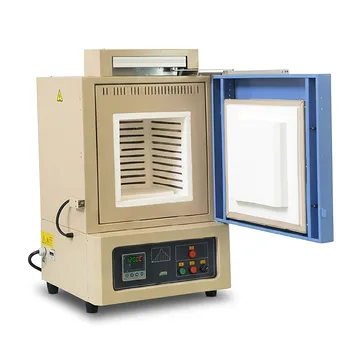
1200C High Temperature Muffle Furnace with Motorized Door and Automated PC Control for Industrial Sintering and Material Processing 27 Liter
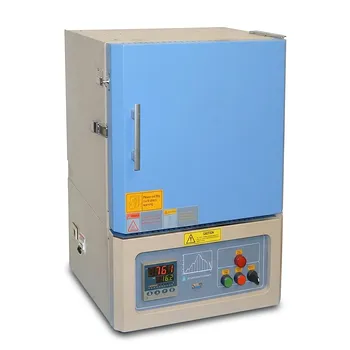
High Temperature 1700C Bench Top Muffle Furnace with Alumina Fiber Insulation and 3.6L Chamber Capacity for Precision Sintering and Heat Treatment
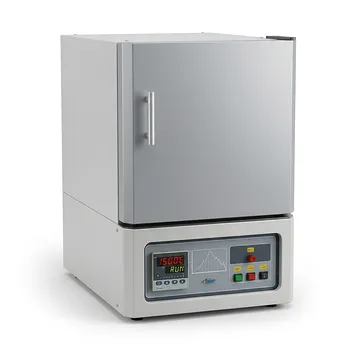
High Temperature 1500C Benchtop Muffle Furnace 3.6L Alumina Fiber Chamber Programmable Controller Sintering Annealing Carbonization Thermal Processing System
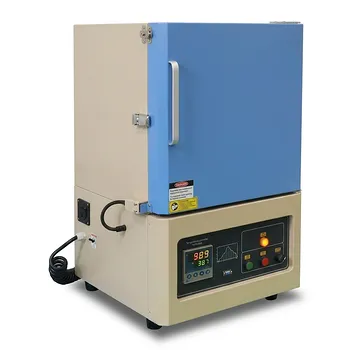
1200°C High Temperature Muffle Furnace 19L Chamber with 50 Segment Programmable Controller
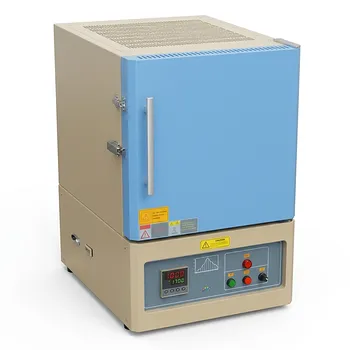
Large Bench Top 1700C High Temperature Muffle Furnace with 19L Chamber for Advanced Material Sintering and Annealing
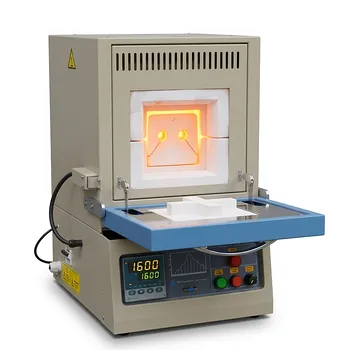
High Temperature Compact Muffle Furnace 1700 C with 30 Segment Programmable Controller and 1.7L Cubic Chamber
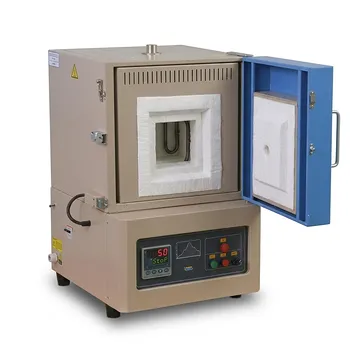
1800°C Bench Top Ultra High Temperature Muffle Furnace with Sapphire Observation Window and Top Feeding Port for Materials Research and Thermal Processing
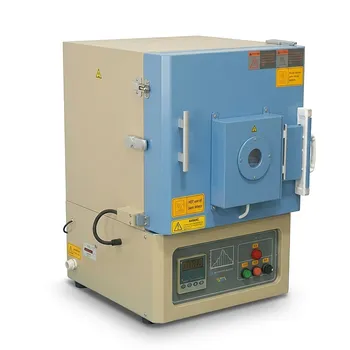
High Temperature Benchtop Muffle Furnace 1500C with 3.6L Chamber and Quartz Observation Window
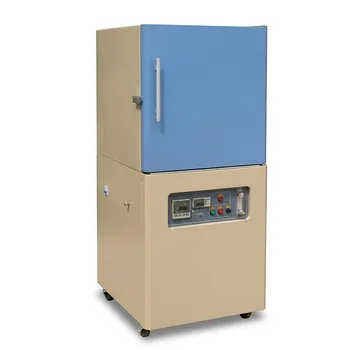
High Temperature Muffle Furnace with Dual Controllers and 36L Large Chamber 1700C Max
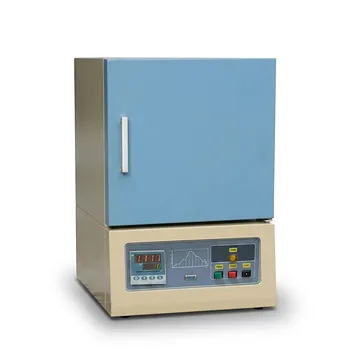
Ultra High Temperature Bench Top Muffle Furnace 1750C Sintering System with Kanthal Super Heating Elements and Precision Digital Control
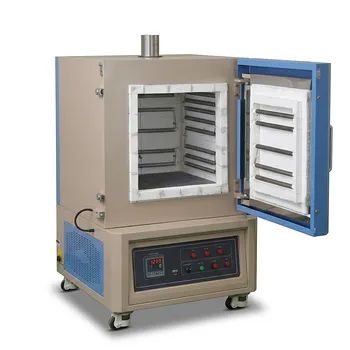
1200C High Temperature 125L Muffle Furnace 5 Side Heating for Large Batch Sintering with Optional Alloy Debinding Chamber
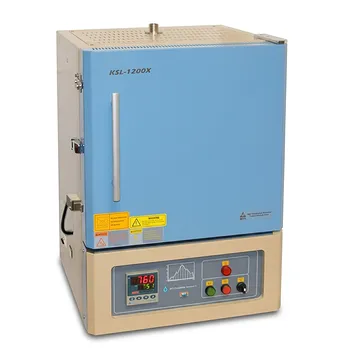
High Temperature 1200C Muffle Furnace 27L Volume 12x12x12 Chamber with Programmable PID Controller for Laboratory Material Science
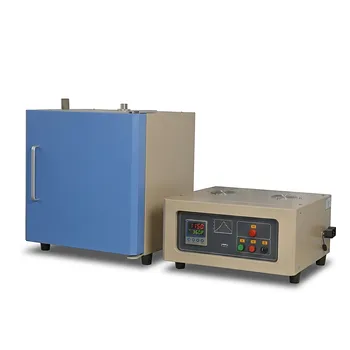
High Temperature Muffle Furnace with Alloy Chamber for Debinding and Sintering Applications
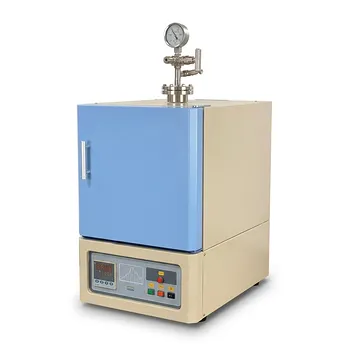
Hybrid High Temperature Muffle and Tube Furnace with 1500C Capability and Vacuum Flange Assembly
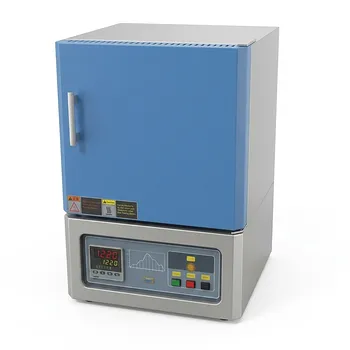
High Temperature Benchtop Muffle Furnace 1700C 10L Chamber Alumina Fiber Insulation MoSi2 Heating Elements
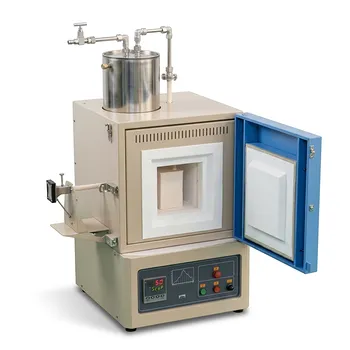
High Temperature Bench Top Muffle Furnace 1700C with Integrated Evaporating Particle Collection and 8x8x8 Alumina Fiber Chamber
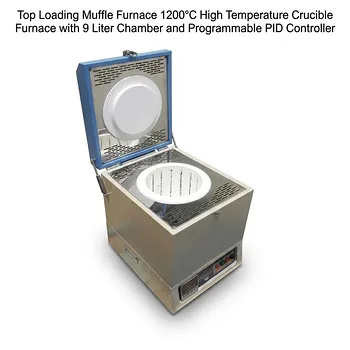
Top Loading Muffle Furnace 1200°C High Temperature Crucible Furnace with 9 Liter Chamber and Programmable PID Controller
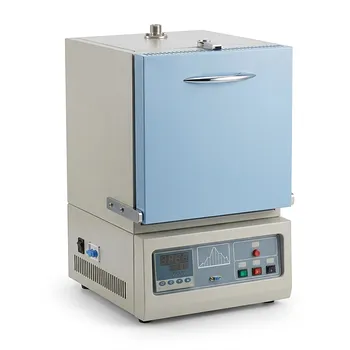
1750C Compact Muffle Furnace 1.7L Ultra High Temperature Laboratory Sintering System for Advanced Ceramics and Material Science Research
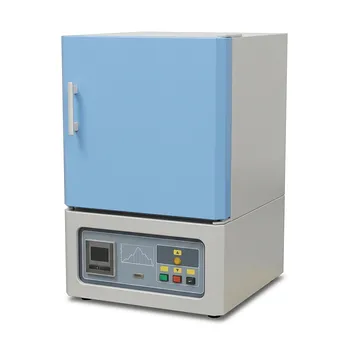
1800C Bench Top Muffle Furnace with Kanthal Super 1900 Heating Elements and 3.6L Alumina Fiber Chamber