What are the structural features and functions of the cylindrical shell in an electric rotary kiln? Design Insights
Updated 5 months ago
The cylindrical shell serves as the primary structural vessel for an electric rotary kiln, designed to withstand immense mechanical stress and extreme thermal loads.
Constructed from rolled mild-steel plates typically 15 to 30 mm thick, the shell provides the necessary rigidity to support weights exceeding 1,000 tonnes. Its design integrates a slight inclination and a specialized internal lining to facilitate material processing while protecting the outer structure from thermal failure.
The shell is a precision-engineered tube that balances high-load structural support with critical thermal insulation, ensuring the kiln can operate continuously at temperatures up to 1400 °C without compromising its mechanical integrity.
Structural Architecture of the Kiln Shell
Material Composition and Thickness
The shell is fabricated from rolled mild-steel plates welded into a heavy-walled cylinder. The thickness, ranging from 15 to 30 mm, is calculated to resist the bending moments caused by the kiln's length and the weight of the internal material.
Internal Refractory Lining
To survive operating temperatures between 1000 and 1400 °C, the shell is lined with 80 to 300 mm of refractory bricks or castables. This lining acts as a thermal barrier, ensuring the outer steel surface stays below 350 °C to maintain its structural strength.
Inclination and Support Systems
The entire cylinder is mounted at a slight angle of 1 to 4 degrees to the horizontal. It is supported by 2 to 8 steel tyres (riding rings) that rest on machined rollers, allowing the shell to rotate while gravity slowly moves the material through the kiln.
Operational Functions and Dynamics
Rotational Mechanics and Material Flow
A variable-speed electric motor drives the shell through a gear train and girth gear at speeds of 0.5 to 5 rpm. This rotation is essential for mixing the material and ensuring it is exposed to uniform heat as it travels down the kiln's incline.
Managing Thermal Expansion
During operation, the shell undergoes thermal expansion of 0.1% to 0.5% of its total length. The support system and riding rings must be designed to accommodate this growth without causing the steel to buckle or the drive gears to misalign.
Emergency Safeguards
If a power outage occurs, an auxiliary drive with backup power is engaged to maintain a slow, constant rotation. This prevents the shell from warping due to uneven cooling and stops material from fusing to the internal lining.
Understanding the Trade-offs
Weight vs. Structural Rigidity
While thicker steel increases the shell's lifespan and resistance to deformation, it also adds significantly to the total mass of the kiln. This requires larger motors, more robust rollers, and higher energy consumption to overcome rotational inertia.
Insulation vs. Mounting Requirements
A thicker refractory lining provides better insulation and protects the steel, but it reduces the internal volume available for material processing. Furthermore, the outer shell must be kept cool enough to allow for the safe mounting of external heating elements.
Best Practices for Shell Integrity
To maximize the performance and longevity of an electric rotary kiln shell, consider the following strategic priorities:
- If your primary focus is Equipment Longevity: Prioritize the maintenance of the refractory lining to prevent "hot spots" that can lead to permanent shell warping.
- If your primary focus is Operational Safety: Ensure the auxiliary drive is tested regularly to prevent catastrophic shell deformation during unplanned power failures.
- If your primary focus is Process Efficiency: Optimize the rotation speed between 0.5 and 5 rpm to balance material throughput with uniform heat distribution.
By maintaining the delicate balance between thermal protection and mechanical support, the kiln shell remains the reliable foundation of the entire thermal process.
Summary Table:
| Feature | Specification/Function | Benefit |
|---|---|---|
| Shell Material | 15-30 mm Rolled Mild-Steel | High structural rigidity for heavy loads |
| Internal Lining | 80-300 mm Refractory Layer | Protects shell from temps up to 1400°C |
| Inclination | 1 to 4 Degree Angle | Facilitates gravity-driven material flow |
| Rotation Speed | 0.5 to 5 RPM | Ensures uniform heating and mixing |
| Support System | Steel Tyres & Rollers | Maintains alignment during thermal expansion |
Elevate Your R&D with THERMUNITS Precision Engineering
As a leading manufacturer of high-temperature laboratory equipment, THERMUNITS provides robust thermal processing solutions tailored for material science and industrial R&D. Our precision-engineered electric rotary kilns are designed for durability and uniform heat distribution, ensuring your critical processes achieve peak efficiency.
Beyond rotary kilns, our comprehensive range includes:
- Muffle, Vacuum, and Atmosphere Furnaces
- Tube & Hot Press Furnaces
- CVD/PECVD Systems
- Dental & Vacuum Induction Melting (VIM) Furnaces
- High-Quality Thermal Elements
Ready to optimize your lab’s heat treatment performance? Contact our expert team today to find the perfect solution for your research and production needs!
Mentioned Products
- Electric Rotary Kiln Small Rotary Furnace for Activated Carbon Regeneration
- Electric Rotary Kiln Small Rotary Furnace Biomass Pyrolysis Plant
- Electric Rotary Kiln Continuous Working Small Rotary Furnace Heating Pyrolysis Plant
- 900°C Max Rotary Tube Furnace with 8 Inch 310S Alloy Tube and Optional Multi Zone Heating for Industrial Material Calcination
- Three Zone Rotary Tube Furnace for High Temperature Powder Processing and Material Research
People Also Ask
- What are the primary components and heating mechanisms of an electric rotary kiln? Optimize High-Purity Heat Treatment
- Which minerals and specialty chemicals are commonly processed using electric rotary kilns? Precision Thermal Processing Guide
- What are the maintenance and service life advantages of an electric rotary kiln? 25+ Year Longevity & Low Maintenance
- How does the use of an electric rotary kiln facilitate CO2 capture in cement and lime production? Achieve High-Purity CCUS
- What thermal efficiency can be expected from an electric rotary kiln compared to fuel-fired alternatives? Gain 95% efficiency.

Tech Team · ThermUnits
Last updated on Apr 14, 2026
Related Products
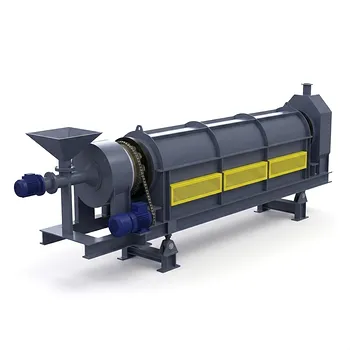
Electric Rotary Kiln Small Rotary Furnace for Activated Carbon Regeneration
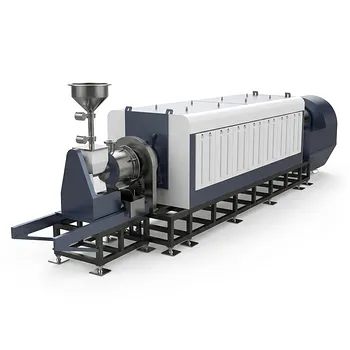
Electric Rotary Kiln Small Rotary Furnace Biomass Pyrolysis Plant
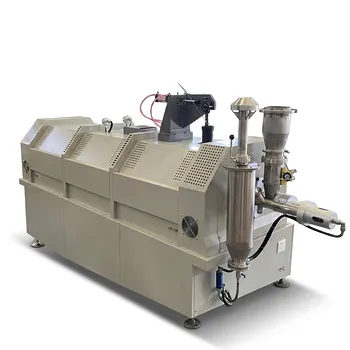
Electric Rotary Kiln Continuous Working Small Rotary Furnace Heating Pyrolysis Plant
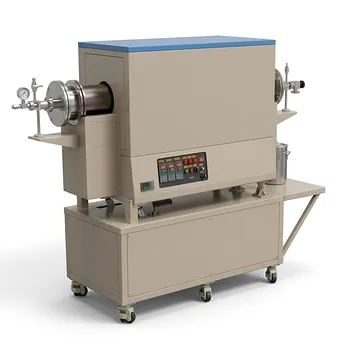
900°C Max Rotary Tube Furnace with 8 Inch 310S Alloy Tube and Optional Multi Zone Heating for Industrial Material Calcination
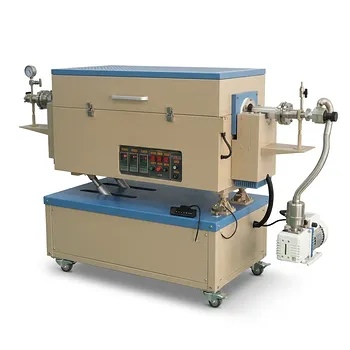
Three Zone Rotary Tube Furnace for High Temperature Powder Processing and Material Research
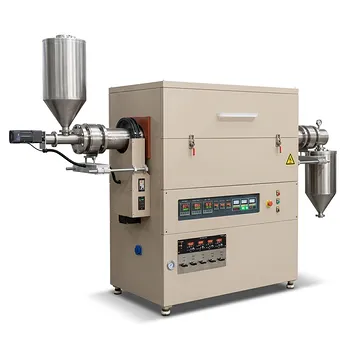
High Temperature Tilting Rotary Tube Furnace with Integrated Mass Flow Control and Multi Zone Heating
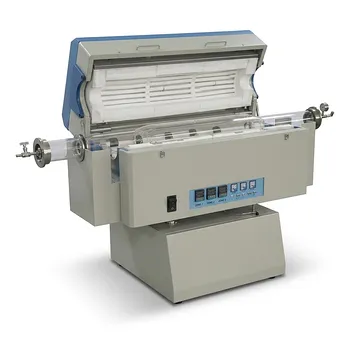
Large Three Temperature Zone Rotating Tube Furnace for High Uniformity Material Sintering
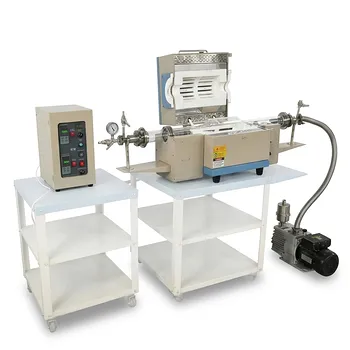
Two Zone Rotary Tube Furnace for Powder CVD Coating and Core Shell Material Synthesis 1100C
