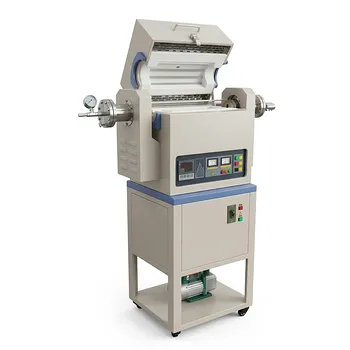
What primary heat transfer principles ensure uniform processing in an electric rotary kiln? Achieve Thermal Uniformity.
Updated 5 months ago
Achieving uniform processing in an electric rotary kiln relies on the synergy between radiant heat transfer and the mechanical "rolling" regime of the material bed. External electric elements heat the kiln shell, which then transfers energy to the material through a combination of radiation to the bed surface and conduction at the shell-bed interface. The continuous rotation of the kiln facilitates surface renewal, ensuring that all particles are consistently exposed to the heat source and minimizing internal temperature gradients.
Core Takeaway: Thermal uniformity is not a product of heat application alone, but the result of integrating controlled electrical heating with the mechanical tumbling of the material. This dual-action approach ensures that heat is distributed evenly across the surface and throughout the depth of the material bed.
The Mechanisms of Thermal Energy Transfer
Radiation from the Kiln Environment
In an electric rotary kiln, radiation is a dominant heat transfer mode. Electrical resistance elements, such as metallic alloys or silicon carbide, heat the shell or the internal refractory lining to high temperatures.
This stored thermal energy radiates from the hot internal surfaces directly onto the exposed upper surface of the material bed. Because electric heating allows for precise zoning, radiation can be controlled along the entire length of the kiln to maintain a specific thermal profile.
Conduction at the Contact Interface
While radiation handles the surface, conduction occurs where the material bed directly touches the heated kiln shell. As the kiln rotates, the hot wall transfers energy into the lower layers of the material.
This interface is critical for "priming" the material before it is rotated back toward the surface. The efficiency of this transfer depends largely on the thermal conductivity of the material and the temperature differential between the shell and the bed.
Minor Contributions from Convection
In most electric rotary kilns, convection plays a secondary role compared to radiation and conduction. It primarily occurs between the material bed and any purge gases or atmospheres maintained within the system.
While minor, controlled gas flow can be used to manage volatile removal or to provide specialized atmospheres (such as inert or reducing environments) without significantly disrupting the primary thermal balance.
The Role of Mechanical Bed Dynamics
The "Rolling" Regime and Surface Renewal
The mechanical rotation of the kiln shell creates what is known as a rolling regime. In this state, the material bed undergoes a continuous tumbling motion that brings cold particles from the core to the surface.
This process of surface renewal is essential for uniformity. It prevents the outer layers of the material from overheating while ensuring the core reaches the required processing temperature through repeated exposure to radiant heat.
Overcoming Internal Temperature Gradients
Without rotation, a static bed of material would act as an insulator, creating a massive temperature gap between the heated exterior and the cold interior. The rotary action breaks these gradients by physically mixing the material.
The speed of rotation and the internal friction of the material dictate how effectively the bed "turns over." A properly calibrated rotation speed ensures the material spends enough time in contact with the shell and the radiant environment to achieve thermal equilibrium.
Understanding the Trade-offs and Pitfalls
The Risk of Centrifuging vs. Slipping
If the kiln rotation speed is too high, centrifugal force can pin the material to the shell, stopping the mixing process entirely. Conversely, if the speed is too low or the material is too smooth, the bed may "slip" or slide as a solid mass, leading to poor heat distribution and "cold spots" in the product.
Material Conductivity and Bed Depth
The depth of the material bed significantly impacts uniformity. A bed that is too deep may not experience complete turnover, leaving the core under-processed. Operators must balance throughput requirements with the physical limitations of heat conduction through the specific material being processed.
Refractory Wear and Thermal Lag
While refractory linings protect the steel shell and store heat, they also introduce thermal lag. Rapid changes in electrical input may take time to manifest within the material bed, requiring sophisticated control systems to avoid overshooting temperature targets during process adjustments.
How to Optimize Your Kiln Process
Implementing Effective Processing Strategies
To maximize the benefits of electric rotary kiln technology, the operational parameters must be matched to the material's specific thermal and physical properties.
- If your primary focus is high throughput: Increase the rotation speed to the upper limit of the rolling regime to maximize surface renewal and heat absorption rates.
- If your primary focus is temperature-sensitive materials: Utilize multi-zone electric heating to create a gradual thermal ramp, preventing surface "scorching" while allowing the core to heat through conduction.
- If your primary focus is energy efficiency: Optimize the bed fill level (typically 10-15%) to ensure the best ratio of material-to-shell contact without impeding the rolling motion.
By balancing the physics of radiation and conduction with the mechanical dynamics of the rolling bed, operators can achieve a level of processing uniformity that is unattainable in static or combustion-based systems.
Summary Table:
| Heat Principle | Primary Mechanism | Impact on Material Uniformity |
|---|---|---|
| Radiation | Heat from elements/shell to bed surface | Main surface heat source; allows precise zone control. |
| Conduction | Direct contact at shell-bed interface | Heats lower layers; essential for priming material. |
| Convection | Gas-to-solid interaction | Secondary role; vital for volatile removal and atmosphere. |
| Rolling Regime | Mechanical rotation & tumbling | Facilitates surface renewal; eliminates internal gradients. |
Elevate Your Material Research with THERMUNITS
Precise heat transfer is the key to consistent R&D and industrial outcomes. THERMUNITS is a leading manufacturer of high-performance laboratory equipment tailored for material science. We offer a comprehensive suite of solutions, including electric rotary kilns, Muffle, Vacuum, and Tube furnaces, as well as CVD/PECVD systems, Vacuum Induction Melting (VIM), and Hot Press furnaces.
Our advanced thermal processing technology ensures your materials achieve perfect uniformity and thermal equilibrium every time. Whether you are optimizing a rotary kiln process or developing new materials, our expertise brings value to your laboratory's efficiency.
Ready to upgrade your heat treatment capabilities? Contact our engineering team today to find the ideal solution for your specific application!
Mentioned Products
- Electric Rotary Kiln Continuous Working Small Rotary Furnace Heating Pyrolysis Plant
- Electric Rotary Kiln Small Rotary Furnace for Activated Carbon Regeneration
- Electric Rotary Kiln Small Rotary Furnace Biomass Pyrolysis Plant
- 900°C Max Rotary Tube Furnace with 8 Inch 310S Alloy Tube and Optional Multi Zone Heating for Industrial Material Calcination
- High Temperature Tilting Rotary Tube Furnace with Integrated Mass Flow Control and Multi Zone Heating
People Also Ask
- How does the electric rotary kiln support environmental compliance and sustainability? Achieve Zero-Emission Production
- What are the maintenance and service life advantages of an electric rotary kiln? 25+ Year Longevity & Low Maintenance
- What thermal efficiency can be expected from an electric rotary kiln compared to fuel-fired alternatives? Gain 95% efficiency.
- How does the use of an electric rotary kiln facilitate CO2 capture in cement and lime production? Achieve High-Purity CCUS
- Which minerals and specialty chemicals are commonly processed using electric rotary kilns? Precision Thermal Processing Guide

Tech Team · ThermUnits
Last updated on Apr 14, 2026
Related Products
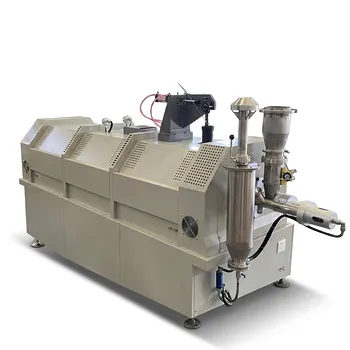
Electric Rotary Kiln Continuous Working Small Rotary Furnace Heating Pyrolysis Plant
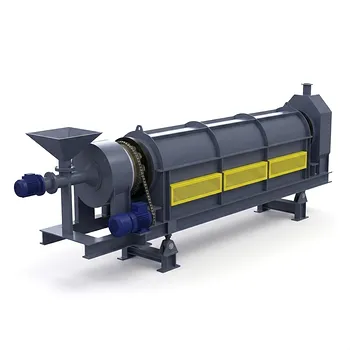
Electric Rotary Kiln Small Rotary Furnace for Activated Carbon Regeneration
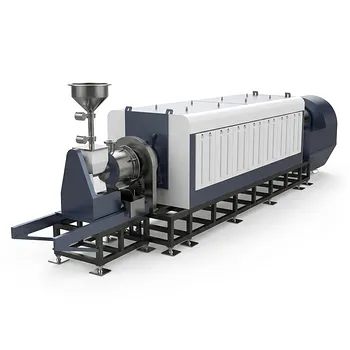
Electric Rotary Kiln Small Rotary Furnace Biomass Pyrolysis Plant
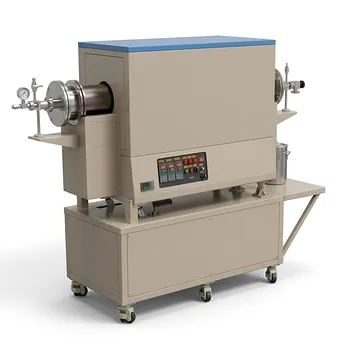
900°C Max Rotary Tube Furnace with 8 Inch 310S Alloy Tube and Optional Multi Zone Heating for Industrial Material Calcination
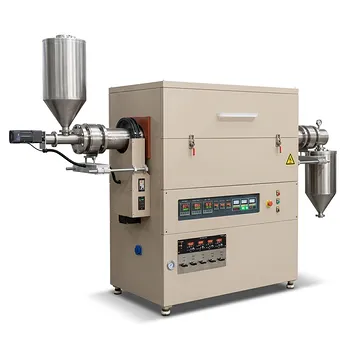
High Temperature Tilting Rotary Tube Furnace with Integrated Mass Flow Control and Multi Zone Heating
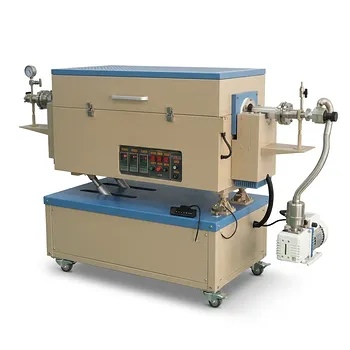
Three Zone Rotary Tube Furnace for High Temperature Powder Processing and Material Research
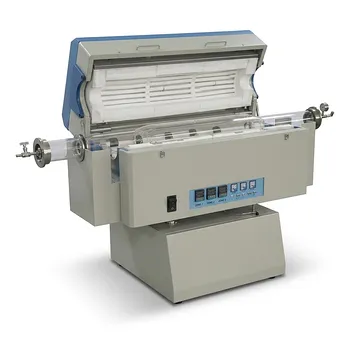
Large Three Temperature Zone Rotating Tube Furnace for High Uniformity Material Sintering
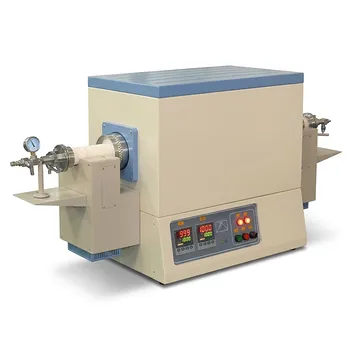
High Temperature 1700C Dual Zone Rotary Tube Furnace with 60mm Alumina Tube and Precision Rotation Control
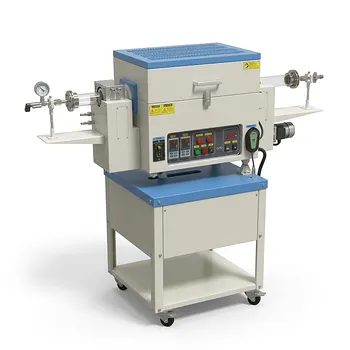
4 Inch Two Zone Rotary CVD Tube Furnace for High Temperature Battery Material Synthesis and Advanced Material Calcination
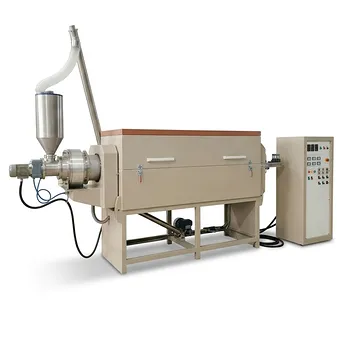
Continuous Feeding Rotary Tube Furnace for Industrial Powder Heat Treatment and Material Research
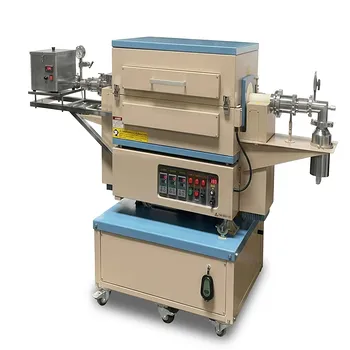
1500C 3-Zone Rotary Tube Furnace 60mm with Automatic Powder Feeding and Receiving System for Continuous Material Synthesis
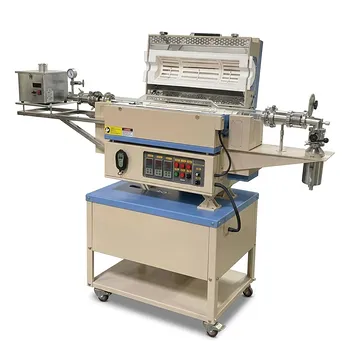
5 Inch Rotary Tube Furnace with Automatic Feeding and Receiving System 1200C Three Zone CVD Powder Processing

Vertical 1700C Vacuum and Atmosphere Tube Furnace with 80mm Alumina Tube
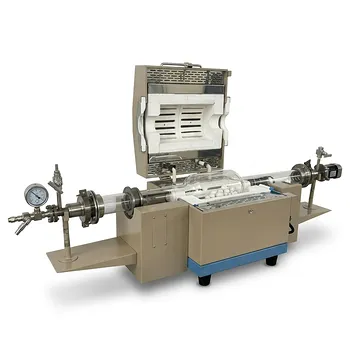
High Temperature Rotary Tube Furnace with Integrated Ball Milling and Gas Flow Function for Powder Nitriding
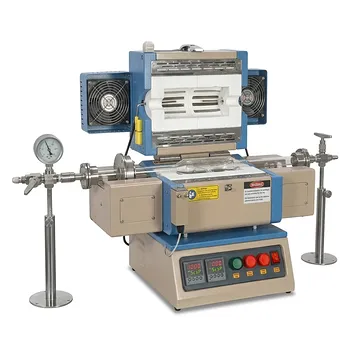
Dual Zone Rotary Tube Furnace for Uniform Powder Calcination 1000C 2 Inch Quartz Tube
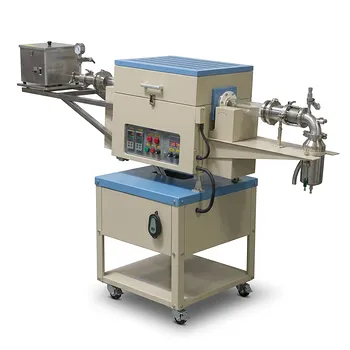
Two Zone Rotary CVD Furnace with Automatic Feeding and Receiving System for Powder Processing
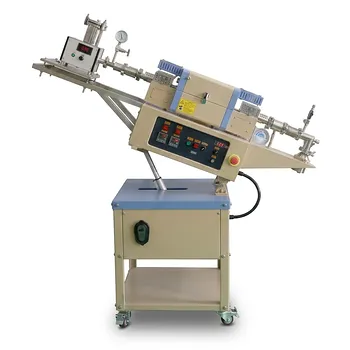
1100°C Dual Zone Rotary Tube Furnace with Automatic Feeding and Collection System for Continuous Powder Processing
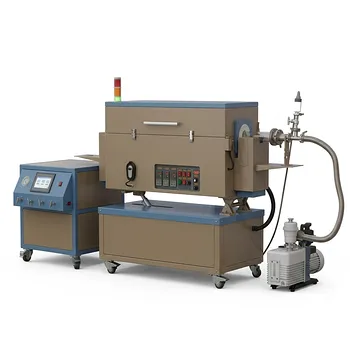
5 Inch Three Zone Rotary Tube Furnace with Integrated Gas Delivery System and 1200C Capability for Advanced Material CVD Processing
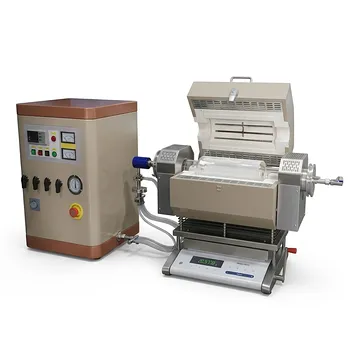
Mini Rotary Tubular Furnaces for Precision Powder Heat Treatment and Thermogravimetric Analysis