Why is the indirect heating design of an electric rotary kiln beneficial for atmosphere control? Precise Gas Management
Updated 5 months ago
The indirect heating design of an electric rotary kiln is the primary method for achieving a "clean" thermal environment. By using electricity to heat the exterior of the kiln tube rather than firing a flame directly into the processing chamber, the system physically separates the heat source from the material. This isolation prevents combustion byproducts from contaminating the product and allows for the precise injection of specialized process gases.
Core Takeaway: Indirect electric heating decouples the thermal energy source from the chemical environment, enabling total mastery over atmospheric composition and ensuring high-purity outcomes that are impossible with direct-fired systems.
The Mechanics of Atmospheric Isolation
Eliminating Combustion Contaminants
In traditional direct-fired kilns, the material is in constant contact with flue gases. This introduces pollutants like NOₓ, SOₓ, and CO₂, which can chemically react with or degrade the quality of the processed material.
Indirect designs eliminate this contact entirely. Because the heating elements are external to the processing drum, the internal environment remains untainted by the chemical signatures of fuel combustion.
The Role of Physical Barriers
The "muffle" or rotating tube acts as a sealed pressure vessel. This physical barrier ensures that the heat is transferred through the wall via conduction and radiation without any gas exchange between the heating elements and the product.
Precision Control of Purge Gases
Maintaining Inert and Reactive Environments
Because the kiln is sealed, operators can introduce specific purge gases such as nitrogen, hydrogen, or argon with high precision. The absence of turbulent combustion air makes it easier to maintain a steady, laminar flow of these gases.
This capability is essential for processes like calcination or reduction, where the presence of even trace amounts of oxygen could cause unwanted oxidation or safety hazards.
Optimized Gas Concentration for Recovery
In applications like carbon capture, indirect heating is a transformative advantage. Because the process gas is not diluted by air or combustion byproducts, the resulting exhaust streams (such as concentrated CO₂) are much easier and cheaper to capture and sequester.
High-Purity Material Processing
Preventing Trace Element Contamination
For advanced materials, such as battery precursors or specialty ceramics, even parts-per-million levels of sulfur or nitrogen can ruin a batch. The indirect electric design serves as a sterile thermal chamber that protects the chemical integrity of the material.
Uniformity of the Chemical Environment
The rotating motion of the kiln, combined with a controlled atmosphere, ensures that every particle of the material is exposed to the same gas concentration. This results in a highly homogenous product that meets strict industrial specifications.
Understanding the Trade-offs
Thermal Efficiency Challenges
While indirect heating offers superior control, it is generally less thermally efficient than direct heating. Heat must travel through the kiln shell, which creates thermal lag and requires the shell material to withstand higher temperatures than the process itself.
Material Limitations and Maintenance
The kiln tube is subject to intense thermal stress and potential mechanical fatigue because it must be both a structural component and a heat conductor. High-purity applications may also require expensive alloy tubes to prevent the shell itself from outgassing or shedding metallic particles into the product.
How to Apply This to Your Project
Making the Right Choice for Your Goal
- If your primary focus is High-Purity Specialty Chemicals: Utilize indirect electric heating to ensure zero contact with combustion byproducts and maintain a 100% controlled atmosphere.
- If your primary focus is Carbon Capture and Storage (CCS): Leverage the concentrated exhaust streams inherent in indirect designs to maximize the efficiency of your CO₂ recovery systems.
- If your primary focus is Cost-Effective Bulk Processing: Consider if the atmospheric benefits of indirect heating outweigh the higher operational costs and lower thermal efficiency compared to direct-fired alternatives.
By isolating the material from the energy source, the indirect electric rotary kiln transforms a simple heating vessel into a precise chemical reactor.
Summary Table:
| Feature | Benefit for Atmosphere Control | Primary Application |
|---|---|---|
| Physical Isolation | Prevents contamination from NOx, SOx, and CO2 | High-purity chemicals & battery precursors |
| Sealed Muffle Tube | Enables precise injection of N2, H2, or Argon | Calcination, reduction & inert processing |
| Decoupled Heat Source | Creates a "clean" sterile thermal chamber | Specialty ceramics & advanced materials |
| Concentrated Exhaust | Facilitates easier gas recovery and sequestration | Carbon capture and storage (CCS) projects |
| Rotating Motion | Ensures homogeneous gas-to-particle exposure | Industrial R&D and material synthesis |
Elevate Your Material Synthesis with THERMUNITS
As a leading manufacturer of high-temperature laboratory equipment for material science and industrial R&D, THERMUNITS specializes in providing precision-engineered thermal solutions. Our Electric Rotary Kilns are designed for those who demand total mastery over atmospheric purity and chemical consistency.
Whether you are developing next-generation battery materials or conducting complex calcination, our comprehensive range—including Muffle, Vacuum, Atmosphere, Tube, and Rotary furnaces, CVD/PECVD systems, and Vacuum Induction Melting (VIM) units—offers the reliability and control your research deserves.
Ready to optimize your heat treatment process? Contact our expert engineering team today to discuss how our custom thermal solutions can drive your project success.
Mentioned Products
- Electric Rotary Kiln Continuous Working Small Rotary Furnace Heating Pyrolysis Plant
- Electric Rotary Kiln Small Rotary Furnace Biomass Pyrolysis Plant
- Electric Rotary Kiln Small Rotary Furnace for Activated Carbon Regeneration
- 900°C Max Rotary Tube Furnace with 8 Inch 310S Alloy Tube and Optional Multi Zone Heating for Industrial Material Calcination
- High Temperature Tilting Rotary Tube Furnace with Integrated Mass Flow Control and Multi Zone Heating
People Also Ask
- What thermal efficiency can be expected from an electric rotary kiln compared to fuel-fired alternatives? Gain 95% efficiency.
- How does the use of an electric rotary kiln facilitate CO2 capture in cement and lime production? Achieve High-Purity CCUS
- What are the maintenance and service life advantages of an electric rotary kiln? 25+ Year Longevity & Low Maintenance
- How does the electric rotary kiln support environmental compliance and sustainability? Achieve Zero-Emission Production
- What are the primary components and heating mechanisms of an electric rotary kiln? Optimize High-Purity Heat Treatment

Tech Team · ThermUnits
Last updated on Apr 14, 2026
Related Products
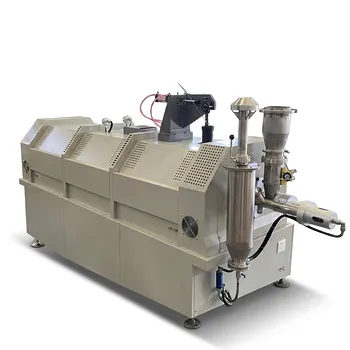
Electric Rotary Kiln Continuous Working Small Rotary Furnace Heating Pyrolysis Plant
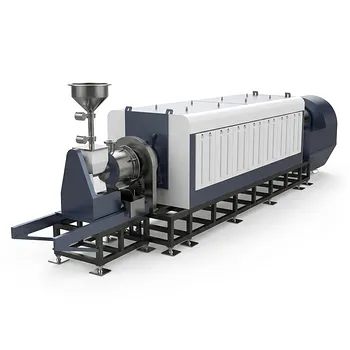
Electric Rotary Kiln Small Rotary Furnace Biomass Pyrolysis Plant
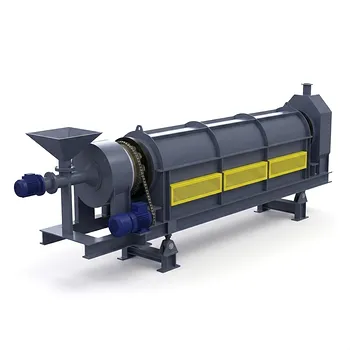
Electric Rotary Kiln Small Rotary Furnace for Activated Carbon Regeneration
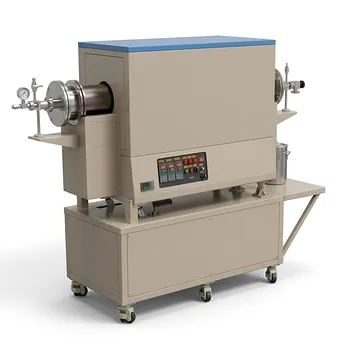
900°C Max Rotary Tube Furnace with 8 Inch 310S Alloy Tube and Optional Multi Zone Heating for Industrial Material Calcination
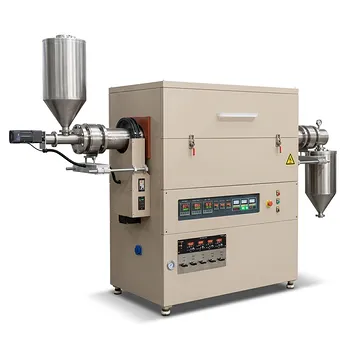
High Temperature Tilting Rotary Tube Furnace with Integrated Mass Flow Control and Multi Zone Heating
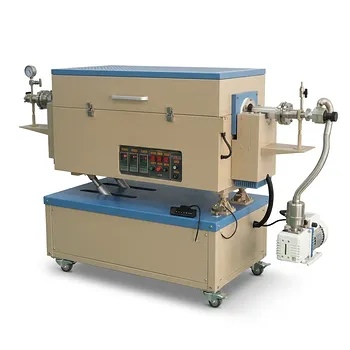
Three Zone Rotary Tube Furnace for High Temperature Powder Processing and Material Research
