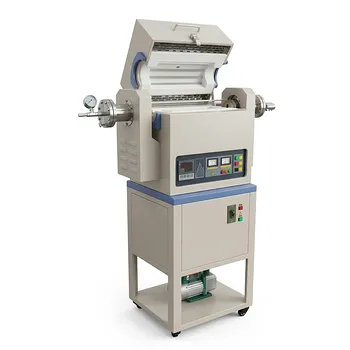
How does an electric rotary kiln differ from a conventional fuel-fired rotary kiln? Master Precision and Thermal Efficiency
Updated 5 months ago
The fundamental difference lies in how thermal energy is generated and transferred to the material. Electric rotary kilns utilize electrical resistance, induction, or electromagnetic systems to provide indirect heating, whereas conventional fuel-fired kilns rely on the internal combustion of gas, oil, or coal. This shift from combustion-based heat to electrical energy eliminates the presence of hot process gases and combustion byproducts within the kiln chamber.
By replacing internal combustion with indirect electrical heating, electric rotary kilns provide a cleaner process environment and significantly higher thermal efficiency. This design allows for precise, zonal temperature control and the ability to maintain highly specialized atmospheres that are impossible to achieve in fuel-fired systems.
Fundamental Mechanics of Heat Transfer
Indirect vs. Direct Heating
In a conventional fuel-fired kiln, the material is often in direct contact with the hot gases produced by burning fossil fuels. Electric rotary kilns utilize indirect heating, where electrical elements heat the kiln shell or internal elements, which then transfer heat to the material through radiation and conduction.
Elimination of Combustion Byproducts
Because electric kilns do not burn fuel, they do not produce the massive volumes of exhaust gases typical of traditional systems. This isolates the processed material from contaminants like carbon dioxide, sulfur, or nitrogen oxides, ensuring higher product purity.
Thermal Energy Application
Fuel-fired kilns depend on the convection of turbulent gases to distribute heat, which can lead to uneven temperature distributions. Electric versions use controlled zoning along the kiln length, allowing operators to dictate specific temperature profiles at different stages of the material's journey.
Precision and Process Control
Zonal Temperature Accuracy
Electric kilns offer superior precision, often maintaining temperatures within a tight window of ±3 to 5 °C. This is achieved by dividing the kiln into multiple heating zones, each regulated by independent sensors and controllers to respond to real-time process changes.
Atmosphere Customization
One of the most significant advantages of the electric method is the ability to customize the process atmosphere. Since there is no combustion air required, the kiln can be tightly sealed to maintain inert (nitrogen/argon), reducing (hydrogen), or oxidizing environments.
Thermal Efficiency Gains
Electric rotary kilns are inherently more efficient, typically operating at 75% to 95% thermal efficiency. In contrast, fuel-fired kilns lose a significant portion of their energy through exhaust stacks, generally resulting in efficiencies of only 45% to 65%.
Understanding the Trade-offs
Temperature and Scale Limitations
While specialized induction designs can reach extreme temperatures, standard electric kilns often operate in the 1050 to 1200 °C range. Fuel-fired kilns remain the dominant choice for massive, high-capacity industrial applications where the sheer volume of material requires the raw caloric power of fossil fuels.
Energy Costs and Infrastructure
The operational cost of an electric kiln is heavily dependent on local electricity prices versus fuel costs. Additionally, transitioning to electric heating requires significant electrical infrastructure and grid capacity, which may not be available in all industrial locations.
Heating Element Maintenance
Unlike simple burners, the resistance elements or induction coils in an electric kiln have finite lifespans and can be sensitive to certain chemical environments. Maintenance requires specialized knowledge of electrical systems and periodic replacement of heating components to ensure consistent performance.
Selecting the Right Kiln for Your Operation
Choosing between these two technologies depends on your specific product requirements, energy availability, and purity standards.
- If your primary focus is high purity and atmosphere control: The electric rotary kiln is the superior choice because it completely isolates the material from combustion gases.
- If your primary focus is maximum thermal efficiency: Choose an electric kiln, as it eliminates the 35-55% energy loss typically associated with combustion exhaust.
- If your primary focus is massive scale and high-temperature throughput: A conventional fuel-fired kiln remains the industry standard for high-volume processing where electricity costs may be prohibitive.
The shift toward electric rotary kilns represents a move away from the volatility of combustion toward a future of precise, data-driven thermal processing.
Summary Table:
| Feature | Electric Rotary Kiln | Fuel-Fired Rotary Kiln |
|---|---|---|
| Heating Method | Indirect (Resistance/Induction) | Direct (Combustion of Gas/Oil/Coal) |
| Thermal Efficiency | High (75% - 95%) | Low (45% - 65%) |
| Product Purity | High (No combustion byproducts) | Lower (Risk of contamination) |
| Temp. Control | Precise Zonal Control (±3-5 °C) | General Convection Control |
| Atmosphere | Fully Customizable (Inert/Reducing) | Limited by Combustion Requirements |
Elevate Your R&D with THERMUNITS Thermal Solutions
At THERMUNITS, we understand that precision is the backbone of material science. As a leading manufacturer of high-temperature laboratory equipment, we provide innovative thermal processing solutions tailored for industrial R&D and advanced manufacturing.
Whether you need the clean, efficient heating of our Electric Rotary Kilns, or the specialized environments of our Vacuum, Atmosphere, and CVD/PECVD systems, we have the expertise to support your journey. Our comprehensive range also includes Muffle, Tube, and Dental Furnaces, Hot Press Systems, and Vacuum Induction Melting (VIM) Furnaces.
Why choose THERMUNITS?
- Superior thermal efficiency and zonal temperature accuracy.
- Contamination-free environments for high-purity material synthesis.
- Robust equipment designed for demanding laboratory heat treatment.
Ready to optimize your high-temperature processes? Contact our technical experts today to find the ideal furnace solution for your application.
Mentioned Products
- Electric Rotary Kiln Continuous Working Small Rotary Furnace Heating Pyrolysis Plant
- Electric Rotary Kiln Small Rotary Furnace for Activated Carbon Regeneration
- Electric Rotary Kiln Small Rotary Furnace Biomass Pyrolysis Plant
- 900°C Max Rotary Tube Furnace with 8 Inch 310S Alloy Tube and Optional Multi Zone Heating for Industrial Material Calcination
- High Temperature Tilting Rotary Tube Furnace with Integrated Mass Flow Control and Multi Zone Heating
People Also Ask
- How does the electric rotary kiln support environmental compliance and sustainability? Achieve Zero-Emission Production
- What are the maintenance and service life advantages of an electric rotary kiln? 25+ Year Longevity & Low Maintenance
- What thermal efficiency can be expected from an electric rotary kiln compared to fuel-fired alternatives? Gain 95% efficiency.
- How does the use of an electric rotary kiln facilitate CO2 capture in cement and lime production? Achieve High-Purity CCUS
- Which minerals and specialty chemicals are commonly processed using electric rotary kilns? Precision Thermal Processing Guide

Tech Team · ThermUnits
Last updated on Apr 14, 2026
Related Products
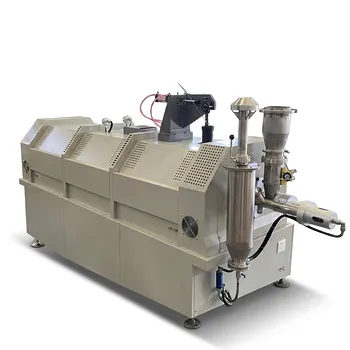
Electric Rotary Kiln Continuous Working Small Rotary Furnace Heating Pyrolysis Plant
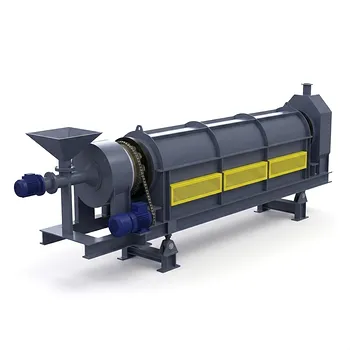
Electric Rotary Kiln Small Rotary Furnace for Activated Carbon Regeneration
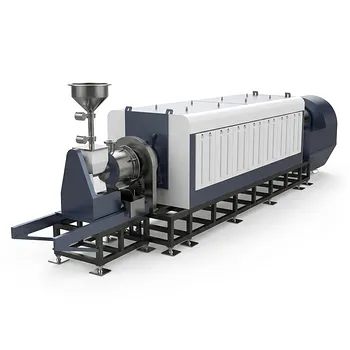
Electric Rotary Kiln Small Rotary Furnace Biomass Pyrolysis Plant
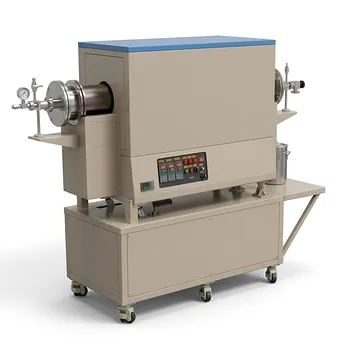
900°C Max Rotary Tube Furnace with 8 Inch 310S Alloy Tube and Optional Multi Zone Heating for Industrial Material Calcination
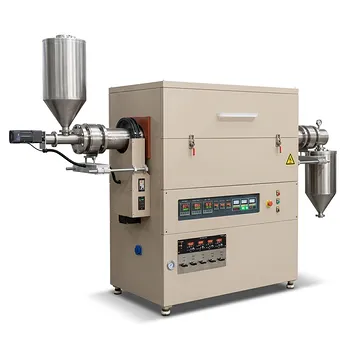
High Temperature Tilting Rotary Tube Furnace with Integrated Mass Flow Control and Multi Zone Heating
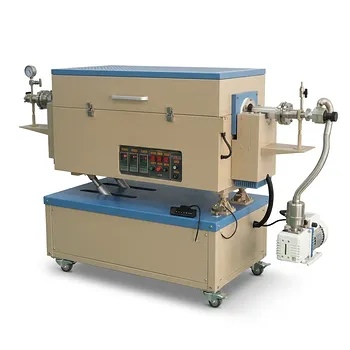
Three Zone Rotary Tube Furnace for High Temperature Powder Processing and Material Research
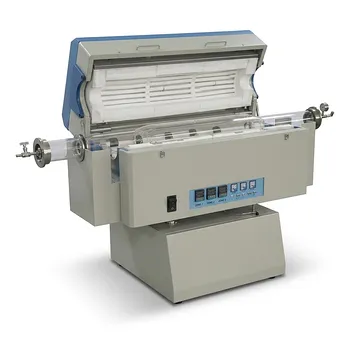
Large Three Temperature Zone Rotating Tube Furnace for High Uniformity Material Sintering
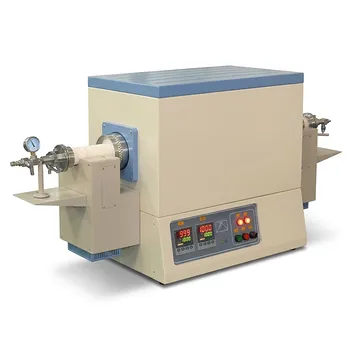
High Temperature 1700C Dual Zone Rotary Tube Furnace with 60mm Alumina Tube and Precision Rotation Control
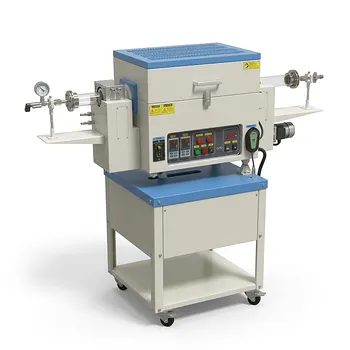
4 Inch Two Zone Rotary CVD Tube Furnace for High Temperature Battery Material Synthesis and Advanced Material Calcination
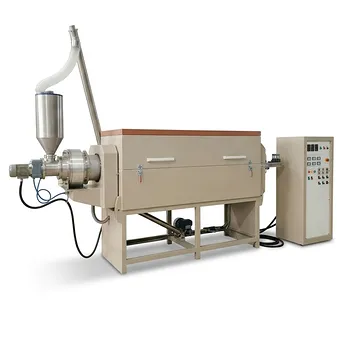
Continuous Feeding Rotary Tube Furnace for Industrial Powder Heat Treatment and Material Research
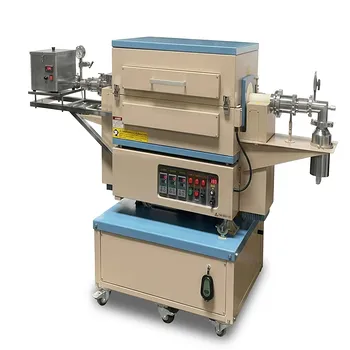
1500C 3-Zone Rotary Tube Furnace 60mm with Automatic Powder Feeding and Receiving System for Continuous Material Synthesis
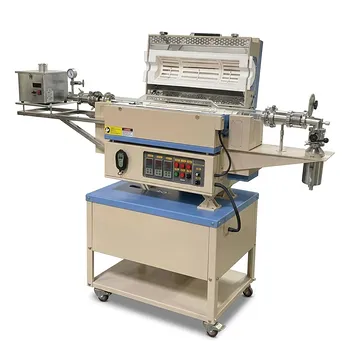
5 Inch Rotary Tube Furnace with Automatic Feeding and Receiving System 1200C Three Zone CVD Powder Processing
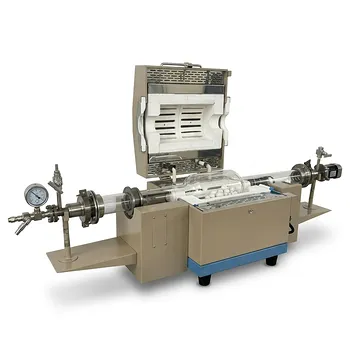
High Temperature Rotary Tube Furnace with Integrated Ball Milling and Gas Flow Function for Powder Nitriding

Vertical 1700C Vacuum and Atmosphere Tube Furnace with 80mm Alumina Tube
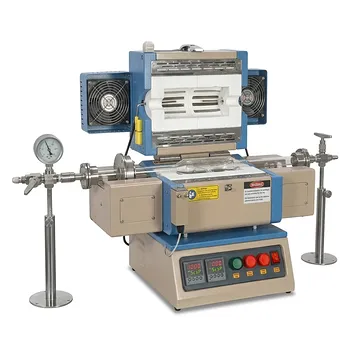
Dual Zone Rotary Tube Furnace for Uniform Powder Calcination 1000C 2 Inch Quartz Tube
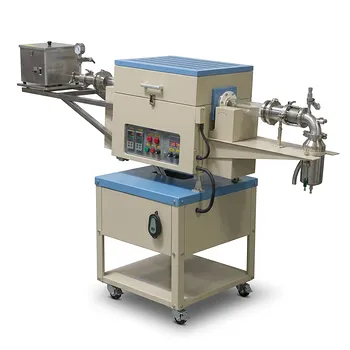
Two Zone Rotary CVD Furnace with Automatic Feeding and Receiving System for Powder Processing
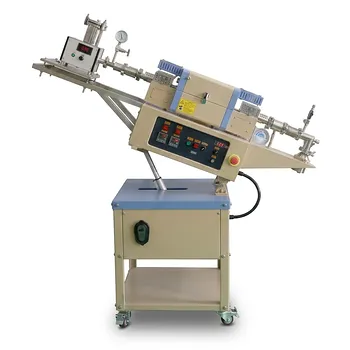
1100°C Dual Zone Rotary Tube Furnace with Automatic Feeding and Collection System for Continuous Powder Processing
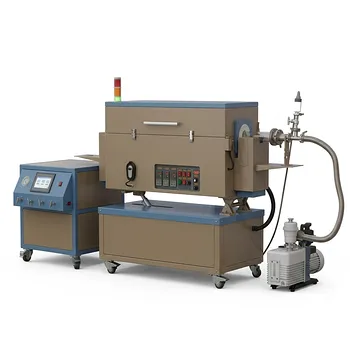
5 Inch Three Zone Rotary Tube Furnace with Integrated Gas Delivery System and 1200C Capability for Advanced Material CVD Processing
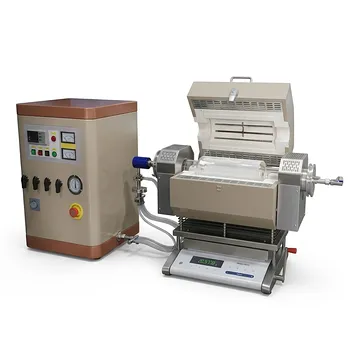
Mini Rotary Tubular Furnaces for Precision Powder Heat Treatment and Thermogravimetric Analysis