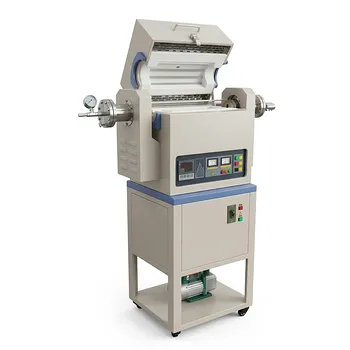
How is thermal energy transferred to the material bed within an electric rotary kiln? Master Heat Transfer Dynamics
Updated 5 months ago
Thermal energy in an electric rotary kiln is transferred through a precise combination of radiation and conduction. Specifically, external resistance elements heat the kiln shell, which then radiates heat to the material bed's surface and conducts energy directly into the bed where it contacts the shell. This multi-modal process is fundamentally enhanced by the kiln’s rotation, which ensures thermal uniformity through continuous material turnover.
The core mechanism of an electric rotary kiln involves converting electrical energy into heat that is then transferred through the kiln shell to the material bed via radiation and conduction. Efficient processing depends on the mechanical "rolling" of the bed to ensure even heat distribution and prevent localized temperature gradients.
The Primary Mechanisms of Heat Exchange
Radiation from the Internal Surfaces
The primary mode of heat transfer within the kiln is radiation from the hot internal refractory or shell surface to the exposed surface of the material bed. External electric resistance elements—typically made of metallic alloys or silicon carbide—heat the shell to high temperatures, turning the internal wall into a high-intensity radiant heat source.
Conduction at the Interface and Within the Bed
Conduction occurs at the direct interface where the heated shell contacts the material bed, transferring energy into the bottom layers of the material. Simultaneously, conduction happens within the bed itself as individual particles touch, though the efficiency of this "internal" conduction is often limited by the material's thermal conductivity.
The Minor Role of Convection
In most electric rotary kilns, convection is considered a minor factor in the overall energy balance. It primarily occurs between the material bed and any purge gases introduced into the system to manage the internal atmosphere or remove process byproducts.
The Influence of Bed Dynamics on Thermal Distribution
Surface Renewal and the Rolling Regime
Uniform processing is achieved through the mechanical rolling regime created by the kiln's rotation. This tumbling action causes "surface renewal," where buried particles are brought to the top to receive radiant heat and then moved back to the shell interface for conductive heating.
Zoned Temperature Regulation
Precision heating is managed through independent thermal zones along the kiln's length, controlled by SCRs (Silicon Controlled Rectifiers) or PID controllers. By modulating specific sets of resistance elements, operators can create distinct preheating, reaction, and soaking zones tailored to the material's requirements.
Monitoring for Process Consistency
To maintain thermal integrity, systems utilize thermocouples or infrared scanners to monitor both the internal process temperature and the external shell temperature. This dual monitoring ensures that the refractory material is protected from overheating while the material bed remains within the target thermal window.
Understanding the Trade-offs
Heat Flux and Shell Integrity
Because heat must pass through the kiln shell, there is a physical limit to the heat flux that can be applied without damaging the shell material or the refractory lining. High-temperature operations require a careful balance between rapid heating and maintaining the structural longevity of the kiln components.
Thermal Lag in Indirect Heating
Electric rotary kilns are indirectly heated systems, meaning there is an inherent thermal lag between adjusting the heating elements and seeing a temperature change in the material bed. This makes precise control systems like PID loops essential, as manual adjustments are often too slow to prevent temperature overshooting or undershooting.
Making the Right Choice for Your Goal
To optimize your thermal processing, consider the specific requirements of your material and throughput needs:
- If your primary focus is maximum thermal uniformity: Ensure the kiln's rotational speed is optimized to maintain a consistent rolling regime, which maximizes surface renewal and prevents cold spots.
- If your primary focus is precise chemical reaction control: Utilize a multi-zone heating configuration with SCR power controllers to create a specific temperature profile that matches the reaction kinetics of your material.
- If your primary focus is equipment longevity: Monitor shell temperatures closely using infrared scanners to ensure that the external heating elements are not driving the shell material beyond its rated thermal limits.
By mastering the balance of radiant and conductive heat transfer through mechanical rotation, you can achieve highly controlled and repeatable material transformations.
Summary Table:
| Heat Transfer Factor | Primary Mechanism | Impact on Material Processing |
|---|---|---|
| Radiation | Heat waves from internal shell to bed surface | High-intensity energy delivery to the top layer |
| Conduction | Direct interface and particle-to-particle contact | Efficient energy penetration into the material bed |
| Rotation | Mechanical rolling and "surface renewal" | Ensures thermal uniformity and prevents cold spots |
| Zoned Control | SCR/PID-regulated heating elements | Precision temperature profiles for specific reactions |
| Monitoring | IR scanners and thermocouples | Protects shell integrity while optimizing heat flux |
Elevate Your Material R&D with THERMUNITS
Achieve unparalleled thermal precision and uniformity with high-performance equipment from THERMUNITS. As a leading manufacturer of high-temperature laboratory solutions for material science, we provide the expertise and technology needed to master complex heat transfer processes.
Whether you require an Electric Rotary Kiln, Muffle, Vacuum, or Atmosphere Furnace, our comprehensive range—including CVD/PECVD systems, Hot Press furnaces, and Thermal Elements—is engineered for reliability and precision.
Ready to optimize your heat treatment workflow?
Contact our technical team today to discuss your specific requirements and find the ideal thermal solution for your laboratory or industrial R&D needs.
Mentioned Products
- Electric Rotary Kiln Continuous Working Small Rotary Furnace Heating Pyrolysis Plant
- Electric Rotary Kiln Small Rotary Furnace for Activated Carbon Regeneration
- Electric Rotary Kiln Small Rotary Furnace Biomass Pyrolysis Plant
- 900°C Max Rotary Tube Furnace with 8 Inch 310S Alloy Tube and Optional Multi Zone Heating for Industrial Material Calcination
- High Temperature Tilting Rotary Tube Furnace with Integrated Mass Flow Control and Multi Zone Heating
People Also Ask
- What thermal efficiency can be expected from an electric rotary kiln compared to fuel-fired alternatives? Gain 95% efficiency.
- How does the use of an electric rotary kiln facilitate CO2 capture in cement and lime production? Achieve High-Purity CCUS
- What are the maintenance and service life advantages of an electric rotary kiln? 25+ Year Longevity & Low Maintenance
- How does the electric rotary kiln support environmental compliance and sustainability? Achieve Zero-Emission Production
- What are the primary components and heating mechanisms of an electric rotary kiln? Optimize High-Purity Heat Treatment

Tech Team · ThermUnits
Last updated on Apr 14, 2026
Related Products
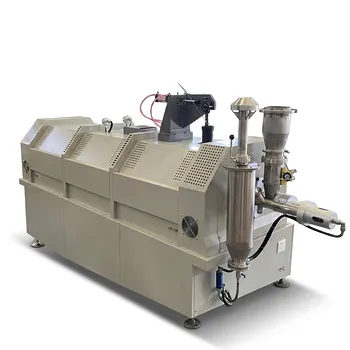
Electric Rotary Kiln Continuous Working Small Rotary Furnace Heating Pyrolysis Plant
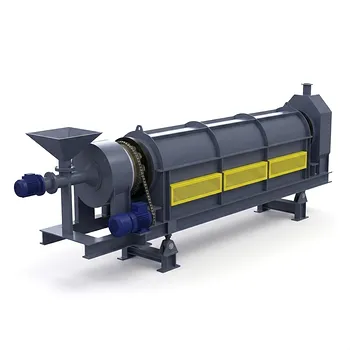
Electric Rotary Kiln Small Rotary Furnace for Activated Carbon Regeneration
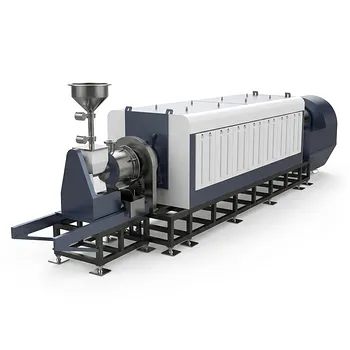
Electric Rotary Kiln Small Rotary Furnace Biomass Pyrolysis Plant
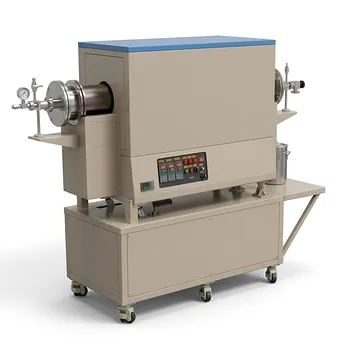
900°C Max Rotary Tube Furnace with 8 Inch 310S Alloy Tube and Optional Multi Zone Heating for Industrial Material Calcination
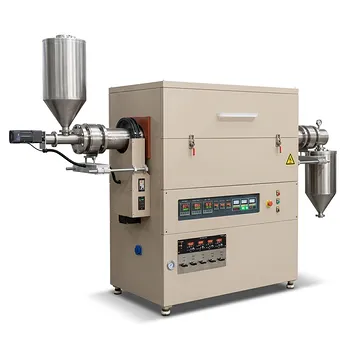
High Temperature Tilting Rotary Tube Furnace with Integrated Mass Flow Control and Multi Zone Heating
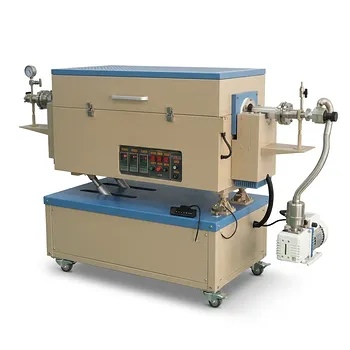
Three Zone Rotary Tube Furnace for High Temperature Powder Processing and Material Research
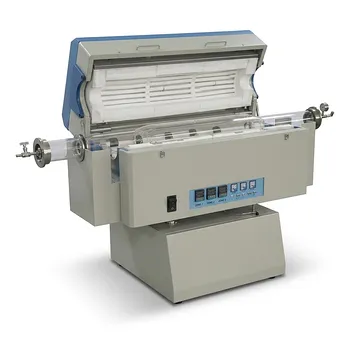
Large Three Temperature Zone Rotating Tube Furnace for High Uniformity Material Sintering
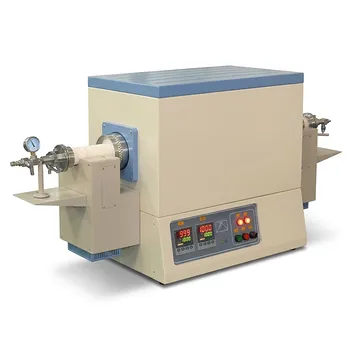
High Temperature 1700C Dual Zone Rotary Tube Furnace with 60mm Alumina Tube and Precision Rotation Control
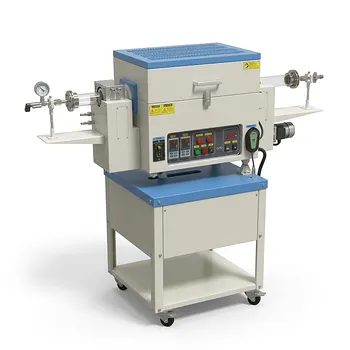
4 Inch Two Zone Rotary CVD Tube Furnace for High Temperature Battery Material Synthesis and Advanced Material Calcination
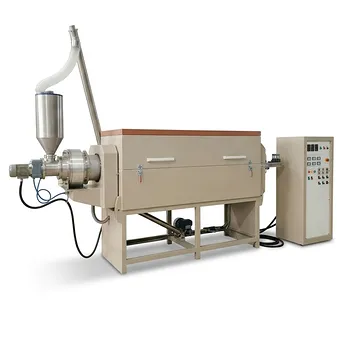
Continuous Feeding Rotary Tube Furnace for Industrial Powder Heat Treatment and Material Research
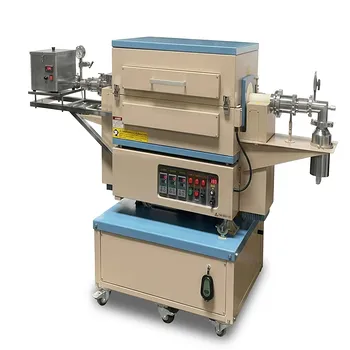
1500C 3-Zone Rotary Tube Furnace 60mm with Automatic Powder Feeding and Receiving System for Continuous Material Synthesis
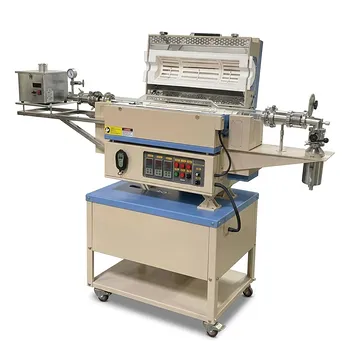
5 Inch Rotary Tube Furnace with Automatic Feeding and Receiving System 1200C Three Zone CVD Powder Processing
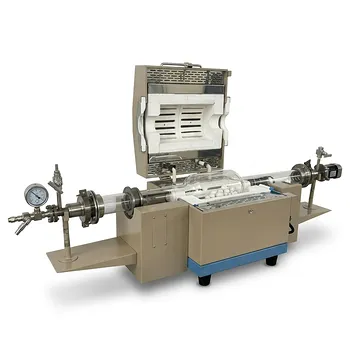
High Temperature Rotary Tube Furnace with Integrated Ball Milling and Gas Flow Function for Powder Nitriding

Vertical 1700C Vacuum and Atmosphere Tube Furnace with 80mm Alumina Tube
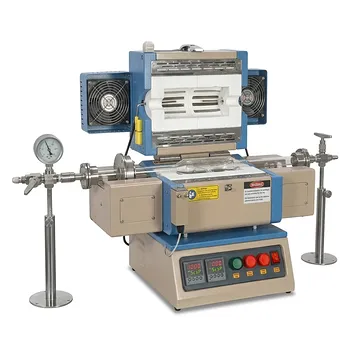
Dual Zone Rotary Tube Furnace for Uniform Powder Calcination 1000C 2 Inch Quartz Tube
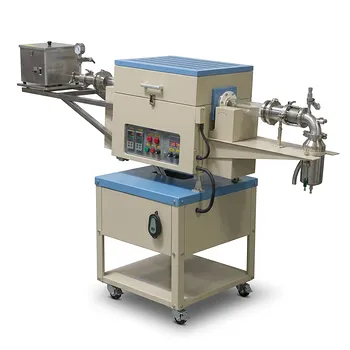
Two Zone Rotary CVD Furnace with Automatic Feeding and Receiving System for Powder Processing
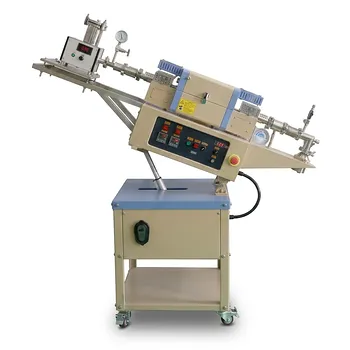
1100°C Dual Zone Rotary Tube Furnace with Automatic Feeding and Collection System for Continuous Powder Processing
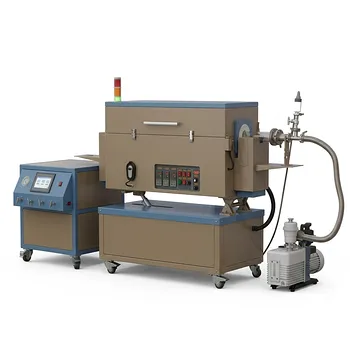
5 Inch Three Zone Rotary Tube Furnace with Integrated Gas Delivery System and 1200C Capability for Advanced Material CVD Processing
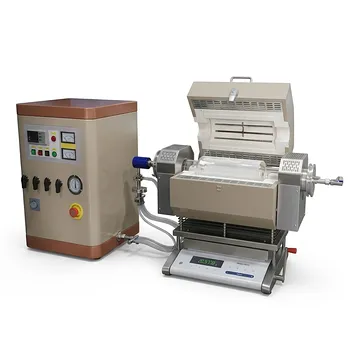
Mini Rotary Tubular Furnaces for Precision Powder Heat Treatment and Thermogravimetric Analysis