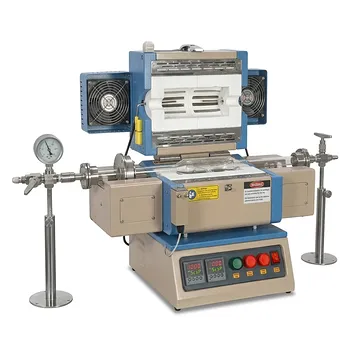
What are the structural requirements for a rotary furnace kiln shell? Essential Engineering for Durability
Updated 5 months ago
The structural requirements for a rotary furnace kiln shell center on its ability to support immense mechanical loads while managing extreme thermal expansion. To meet these demands, the shell must be constructed as a heavy-walled cylinder using rolled and welded mild steel plate, typically ranging from 15 to 30 mm in thickness. This structure must maintain its integrity while supporting weights that can exceed 1,000 tonnes and operating at a slight inclination of 1 to 4 degrees.
The rotary kiln shell serves as the primary structural backbone of the furnace, engineered to balance the rigid support of massive internal loads with the flexibility required to accommodate significant thermal expansion during high-temperature cycles.
Material Composition and Geometry
The shell is not merely a container but a precision-engineered structural tube.
High-Strength Mild Steel Construction
The shell is fabricated from mild steel plates that are rolled into cylindrical sections and joined by high-quality welds. This material choice provides the necessary ductility to handle the stress of rotation without becoming brittle.
Wall Thickness and Weight Distribution
Standard designs require a thickness of 15 to 30 mm to prevent deformation under the weight of the refractory lining and the process material. The structure is often reinforced at contact points where it rests on support rollers to prevent shell ovality.
Functional Inclination
To facilitate the movement of material through the furnace, the shell is mounted at a 1 to 4-degree inclination. This slight angle creates a constant axial thrust that the structural supports and drive system must be designed to counteract.
Thermal Management and Expansion
Managing heat is the most significant challenge to the shell's structural longevity.
Accommodating Thermal Expansion
During operation, the steel shell will expand by 0.1% to 0.5% of its total length. The structural mountings and drive gears must be designed with enough clearance to allow this movement without causing mechanical binding or stress fractures.
Internal Refractory Lining
The shell must be internally lined with refractory bricks or castable material between 80 and 300 mm thick. This lining acts as a thermal barrier, protecting the mild steel from internal process temperatures that reach 1000 to 1400 °C.
Surface Temperature Limits
For safe operation and to protect external components like heating elements, the shell's outer surface should ideally stay below 350 °C. Exceeding this limit risks "hot spots," which can cause the steel to lose its structural yield strength and sag.
Understanding the Trade-offs and Pitfalls
Engineering a kiln shell involves balancing competing physical requirements.
Refractory Thickness vs. Structural Load
Thicker refractory linings provide better insulation and protect the shell from chemical attack, but they significantly increase the total weight. This added mass puts greater strain on the drive motor and support rollers, increasing the risk of mechanical fatigue.
Shell Rigidity vs. Thermal Flexibility
A shell that is too thick may be overly rigid, making it susceptible to cracking during rapid heating or cooling cycles. Conversely, a shell that is too thin will suffer from flexing, which causes the internal refractory bricks to loosen and eventually fail.
Corrosion and Chemical Attack
If the internal lining is compromised, the mild steel shell is highly vulnerable to chemical corrosion from the process materials. Regular monitoring is required to ensure that gases do not penetrate the lining and cause "shell thinning" or localized structural failure.
Applying Structural Principles to Your Project
Selecting the right specifications depends on your specific operational environment and material throughput.
- If your primary focus is Maximum Thermal Efficiency: Invest in a thicker, high-quality refractory lining (up to 300 mm) to keep the shell surface cool, but ensure your support rollers are rated for the additional tonnage.
- If your primary focus is Mechanical Longevity: Opt for a shell thickness at the higher end of the 15-30 mm range and implement a slow "warm-up" protocol to minimize the stress of thermal expansion.
- If your primary focus is High-Throughput Processing: Ensure the shell inclination is precisely calibrated between 3 and 4 degrees and that the welding joints are periodically X-rayed to check for fatigue.
A properly designed kiln shell provides the essential foundation that allows a rotary furnace to transform materials safely and consistently under extreme conditions.
Summary Table:
| Parameter | Specification/Requirement | Purpose |
|---|---|---|
| Material | Rolled Mild Steel (15-30mm thickness) | Provide structural ductility and prevent brittle failure. |
| Inclination | 1 to 4 degrees | Facilitate material movement through the furnace. |
| Thermal Expansion | 0.1% to 0.5% of total length | Accommodate axial growth during high-heat cycles. |
| Surface Temp | Maximum < 350 °C | Protect structural yield strength and prevent sagging. |
| Lining Thickness | 80 to 300 mm (Refractory) | Protect the shell from 1000-1400 °C internal heat. |
Optimize Your Material Research with THERMUNITS Engineering
As a leading manufacturer of high-temperature laboratory equipment for material science and industrial R&D, THERMUNITS provides the precision and structural integrity your projects demand. Whether you require advanced Electric Rotary Kilns, CVD/PECVD systems, Vacuum Induction Melting furnaces (VIM), or specialized Muffle and Tube furnaces, our thermal processing solutions are engineered for longevity and performance.
Ready to enhance your lab's capabilities? Contact us today to consult with our experts on our full range of furnaces and thermal elements tailored to your heat treatment needs.
Mentioned Products
- Electric Rotary Kiln Small Rotary Furnace for Activated Carbon Regeneration
- Electric Rotary Kiln Continuous Working Small Rotary Furnace Heating Pyrolysis Plant
- Electric Rotary Kiln Small Rotary Furnace Biomass Pyrolysis Plant
- 900°C Max Rotary Tube Furnace with 8 Inch 310S Alloy Tube and Optional Multi Zone Heating for Industrial Material Calcination
- Three Zone Rotary Tube Furnace for High Temperature Powder Processing and Material Research
People Also Ask
- What are the primary components and heating mechanisms of an electric rotary kiln? Optimize High-Purity Heat Treatment
- Which minerals and specialty chemicals are commonly processed using electric rotary kilns? Precision Thermal Processing Guide
- What are the maintenance and service life advantages of an electric rotary kiln? 25+ Year Longevity & Low Maintenance
- How does the use of an electric rotary kiln facilitate CO2 capture in cement and lime production? Achieve High-Purity CCUS
- What thermal efficiency can be expected from an electric rotary kiln compared to fuel-fired alternatives? Gain 95% efficiency.

Tech Team · ThermUnits
Last updated on Apr 14, 2026
Related Products
Electric Rotary Kiln Small Rotary Furnace for Activated Carbon Regeneration
Electric Rotary Kiln Continuous Working Small Rotary Furnace Heating Pyrolysis Plant
Electric Rotary Kiln Small Rotary Furnace Biomass Pyrolysis Plant
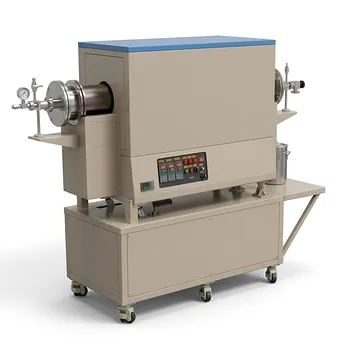
900°C Max Rotary Tube Furnace with 8 Inch 310S Alloy Tube and Optional Multi Zone Heating for Industrial Material Calcination
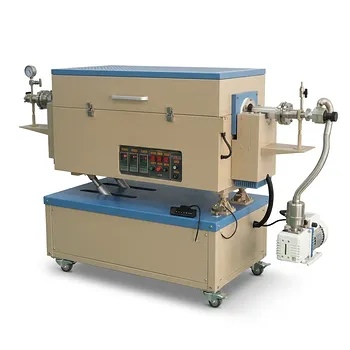
Three Zone Rotary Tube Furnace for High Temperature Powder Processing and Material Research
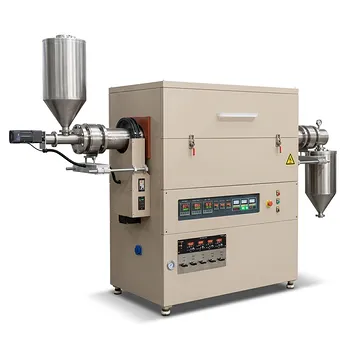
High Temperature Tilting Rotary Tube Furnace with Integrated Mass Flow Control and Multi Zone Heating
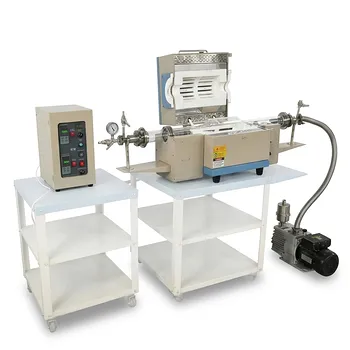
Two Zone Rotary Tube Furnace for Powder CVD Coating and Core Shell Material Synthesis 1100C
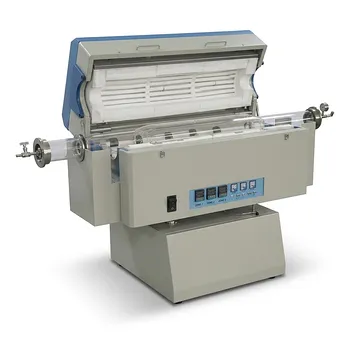
Large Three Temperature Zone Rotating Tube Furnace for High Uniformity Material Sintering
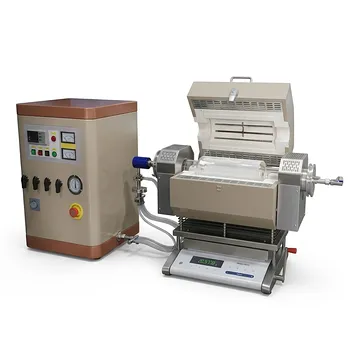
Mini Rotary Tubular Furnaces for Precision Powder Heat Treatment and Thermogravimetric Analysis
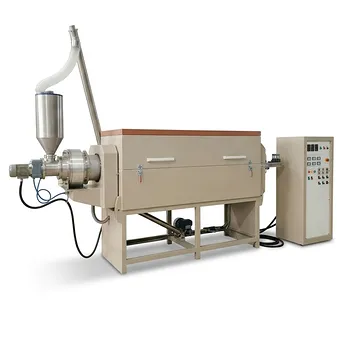
Continuous Feeding Rotary Tube Furnace for Industrial Powder Heat Treatment and Material Research
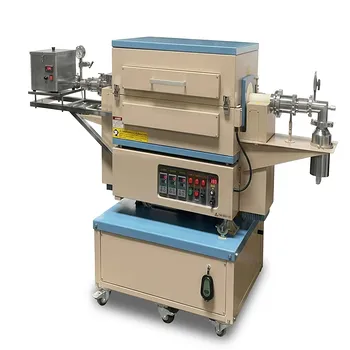
1500C 3-Zone Rotary Tube Furnace 60mm with Automatic Powder Feeding and Receiving System for Continuous Material Synthesis
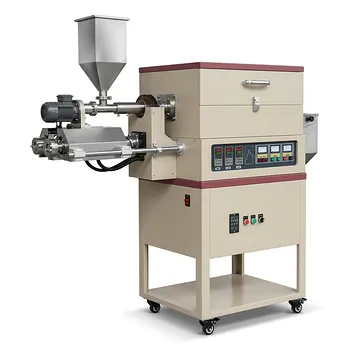
Laboratory Tilting Rotary Tubular Furnaces for Material Science and Industrial Heat Treatment
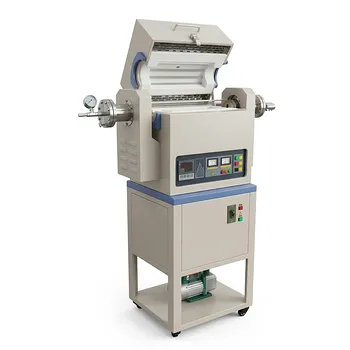
High Temperature Rotary Tilt Tubular Furnaces for Advanced Powder Sintering and Material Processing
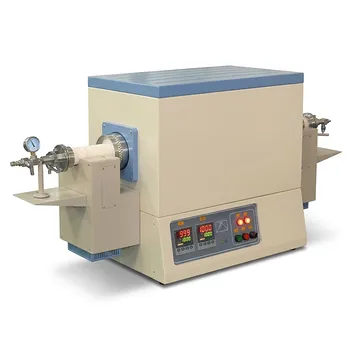
High Temperature 1700C Dual Zone Rotary Tube Furnace with 60mm Alumina Tube and Precision Rotation Control
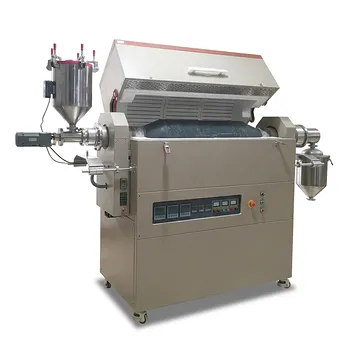
High Temperature Tilting Rotary Tubular Furnace for Continuous Powder Thermal Processing and Controlled Atmosphere Sintering

Vertical 1700C Vacuum and Atmosphere Tube Furnace with 80mm Alumina Tube
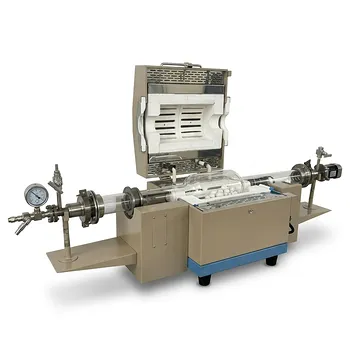
High Temperature Rotary Tube Furnace with Integrated Ball Milling and Gas Flow Function for Powder Nitriding
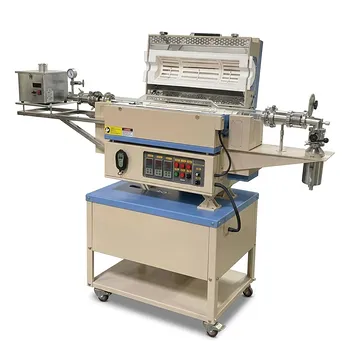
5 Inch Rotary Tube Furnace with Automatic Feeding and Receiving System 1200C Three Zone CVD Powder Processing
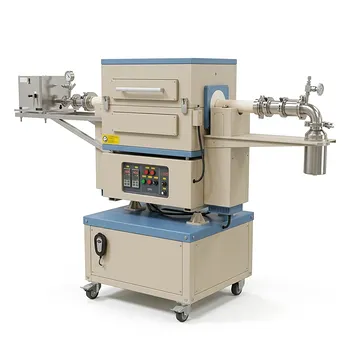
1500C Max Dual Zone Rotary Tube Furnace with 60 mm OD Alumina Tube for High Temperature Material Synthesis