What are the technical advantages of using a rotary furnace over batch or fixed-bed systems? Boost Process Efficiency
Updated 5 months ago
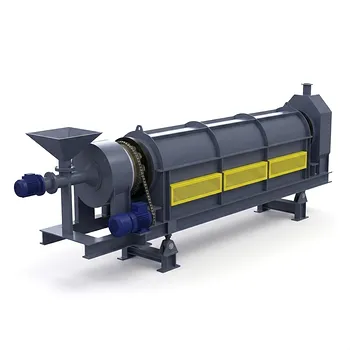
The defining technical advantage of a rotary furnace is its ability to provide dynamic material agitation, which ensures uniform heat distribution and efficient mass transfer. Unlike static systems, the continuous rotation of the furnace shell or tube tumbles the feedstock, eliminating temperature gradients and preventing the "channeling" effects that often plague fixed-bed reactors.
Core Takeaway: Rotary furnaces outperform batch and fixed-bed systems by using mechanical rotation to ensure every particle receives identical thermal treatment. This results in superior product consistency, higher thermal efficiency, and the capacity for continuous, high-volume industrial processing.
Achieving Superior Material and Thermal Uniformity
Elimination of Temperature Gradients
In fixed-bed systems, material is often stacked, leading to "hot spots" near the heat source and "cold spots" in the center of the pile. Rotary furnaces solve this through constant tumbling, which moves particles from the interior to the surface, ensuring every grain is exposed to the heat source.
Prevention of Channeling and Stacking
In static reactors, gases often find the path of least resistance, creating "channels" that leave some material unreacted. The dynamic mixing mechanism of a rotary furnace refreshes the surface area of the material constantly, preventing the incomplete reactions caused by static stacking.
Chemical and Structural Consistency
Because the thermal history of every particle is nearly identical, the resulting product—whether biochar, cement, or metal—exhibits highly uniform physical and chemical properties. This is particularly critical in specialized applications where specific H:C ratios or surface functional groups must be maintained.
Maximizing Operational Efficiency and Throughput
Continuous Processing Capabilities
While batch systems require downtime for loading, heating, cooling, and unloading, rotary furnaces are designed for high-volume, continuous operation. This allows for a steady stream of processed material, which is essential for industrial-scale production like cement manufacturing or metallurgical roasting.
High Thermal Efficiency
Rotary furnaces are engineered to capture and retain heat effectively, often achieving thermal efficiencies between 50% and 70%. By utilizing the furnace shell to transfer heat directly to the tumbling material, they reduce the energy waste common in less insulated or intermittently operated batch systems.
Versatility Across Material States
These systems are uniquely capable of handling a wide range of feedstocks, from fine powders and granular biomass to large mineral ores. The mechanical action prevents powders from clumping, ensuring that even difficult-to-process materials reach thermal equilibrium quickly.
Optimizing Gas-Solid Interactions
Enhanced Mass Transfer
For processes requiring activation gases—such as the production of activated carbon—the rotary motion ensures dynamic contact between solid particles and the gas phase. This refreshed contact significantly shortens the time required to reach chemical equilibrium compared to a static bed.
Superior Pore Structure Development
In pyrolysis and activation, the uniform exposure to the reaction atmosphere promotes the development of superior pore structures. The lack of material accumulation allows gases to penetrate the feedstock evenly, resulting in a more porous and high-quality final product.
Process Reproducibility
The controlled environment and consistent mechanical action lead to high process repeatability. This reliability is a major advantage for research and industrial applications where meeting strict quality standards across different batches is mandatory.
Understanding the Trade-offs
Mechanical Complexity and Maintenance
The primary disadvantage of rotary systems is their increased mechanical complexity, involving drive motors, rollers, and rotary seals. These components require more frequent inspection and maintenance than the simple stationary structures of fixed-bed furnaces.
Material Abrasion and Dusting
The tumbling action that ensures uniformity can also cause physical degradation of fragile materials. This mechanical stress often generates dust, which may require additional filtration systems to manage emissions and prevent material loss.
Capital Investment
Due to the precision engineering required for the rotating shell and seal integrity, the initial capital cost of a rotary furnace is typically higher than that of a comparable batch or fixed-bed system.
How to Select the Right System for Your Goal
When choosing between a rotary furnace and a static system, your decision should be driven by your specific production requirements and material characteristics.
- If your primary focus is high-volume, 24/7 production: The rotary furnace is the superior choice due to its continuous processing capabilities and high thermal efficiency.
- If your primary focus is chemical precision and uniformity: A rotary tube furnace is recommended to eliminate temperature gradients and ensure consistent particle treatment.
- If your primary focus is processing fine powders or granules: The dynamic tumbling of a rotary system is essential to prevent clumping and ensure complete reaction.
- If your primary focus is minimizing initial cost and maintenance: A batch or fixed-bed system may be more appropriate for low-volume or intermittent laboratory work where uniformity is less critical.
By prioritizing dynamic agitation, the rotary furnace transforms heat treatment from a static waiting game into a precise, high-efficiency industrial process.
Summary Table:
| Feature | Rotary Furnace | Batch / Fixed-Bed Systems |
|---|---|---|
| Material Agitation | Dynamic tumbling for total uniformity | Static; prone to hot/cold spots |
| Heat Distribution | Uniform through constant movement | Non-uniform; potential for channeling |
| Processing Mode | Continuous, high-volume production | Intermittent; requires downtime |
| Thermal Efficiency | High (50% - 70%) | Lower due to cycle losses |
| Gas-Solid Contact | Enhanced; optimized mass transfer | Limited; surface-level interaction |
| Best For | Industrial R&D and mass production | Low-volume or intermittent lab work |
Elevate Your Material Research with THERMUNITS
Is your research or production limited by the inconsistencies of static heating? THERMUNITS is a leading manufacturer of high-performance high-temperature laboratory equipment specifically designed for material science and industrial R&D.
We offer a comprehensive suite of thermal solutions, including Rotary furnaces, Muffle, Vacuum, Atmosphere, Tube, and Hot Press furnaces, as well as CVD/PECVD systems, Electric Rotary Kilns, and Vacuum Induction Melting furnaces (VIM).
Our advanced rotary systems provide the precision and uniformity needed to ensure superior product consistency and higher throughput. Let our experts help you select the ideal heat treatment equipment to optimize your results.
Ready to upgrade your thermal processing?
Mentioned Products
- 900°C Max Rotary Tube Furnace with 8 Inch 310S Alloy Tube and Optional Multi Zone Heating for Industrial Material Calcination
- 1500C 3-Zone Rotary Tube Furnace 60mm with Automatic Powder Feeding and Receiving System for Continuous Material Synthesis
- High Temperature 1700C Dual Zone Rotary Tube Furnace with 60mm Alumina Tube and Precision Rotation Control
- Mini Rotary Tubular Furnaces for Precision Powder Heat Treatment and Thermogravimetric Analysis
- Three Zone Rotary Tube Furnace for High Temperature Powder Processing and Material Research
People Also Ask
- How does a rotary tube furnace improve the processing of granular materials? Enhance Uniformity and Reaction Kinetics
- Why use a rotary tube furnace for FACS carbonization? Ensure uniform morphology and prevent sphere agglomeration.
- Why is the precise optimization of residence time essential in the catalyst calcination process? Maximize Your Yields.
- In what ways do rotary tube furnaces enhance chemical and specialty mineral processing? Drive Precision and Uniformity.
- What parameters must operators control to maintain product quality in a rotary furnace? Master Your Heat Treatment.

Tech Team · ThermUnits
Last updated on Apr 14, 2026
Related Products
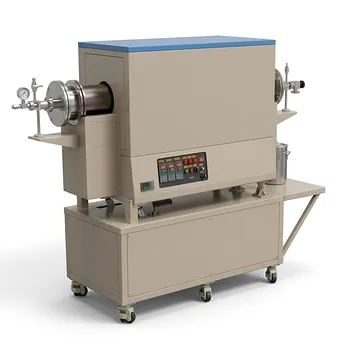
900°C Max Rotary Tube Furnace with 8 Inch 310S Alloy Tube and Optional Multi Zone Heating for Industrial Material Calcination
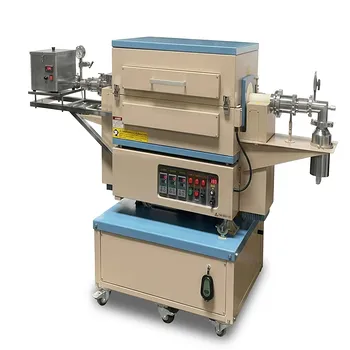
1500C 3-Zone Rotary Tube Furnace 60mm with Automatic Powder Feeding and Receiving System for Continuous Material Synthesis
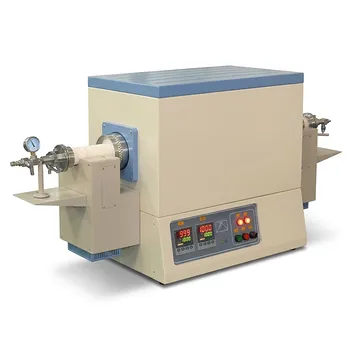
High Temperature 1700C Dual Zone Rotary Tube Furnace with 60mm Alumina Tube and Precision Rotation Control
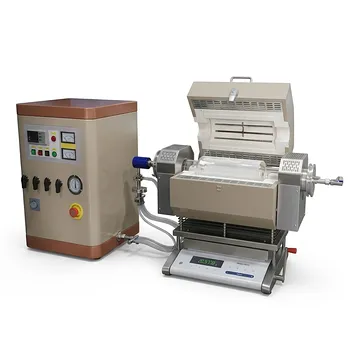
Mini Rotary Tubular Furnaces for Precision Powder Heat Treatment and Thermogravimetric Analysis
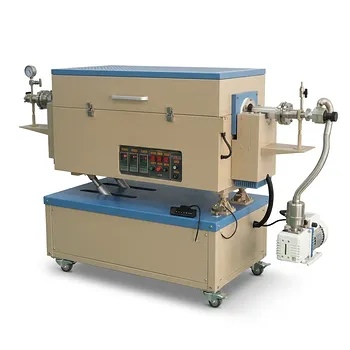
Three Zone Rotary Tube Furnace for High Temperature Powder Processing and Material Research
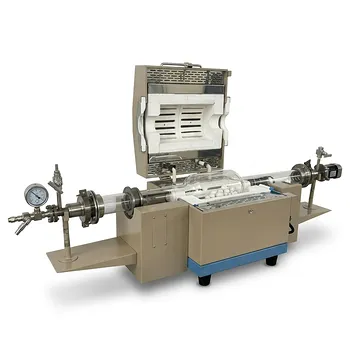
High Temperature Rotary Tube Furnace with Integrated Ball Milling and Gas Flow Function for Powder Nitriding
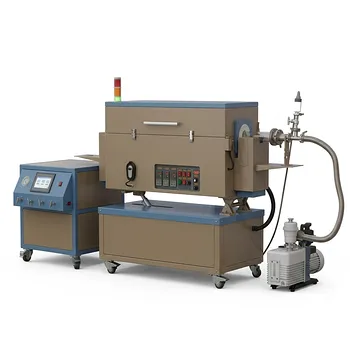
5 Inch Three Zone Rotary Tube Furnace with Integrated Gas Delivery System and 1200C Capability for Advanced Material CVD Processing
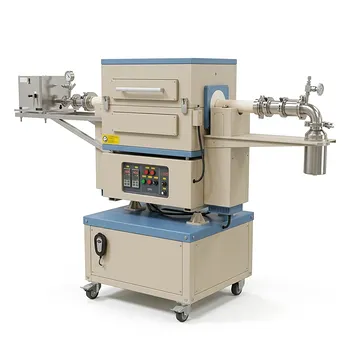
1500C Max Dual Zone Rotary Tube Furnace with 60 mm OD Alumina Tube for High Temperature Material Synthesis
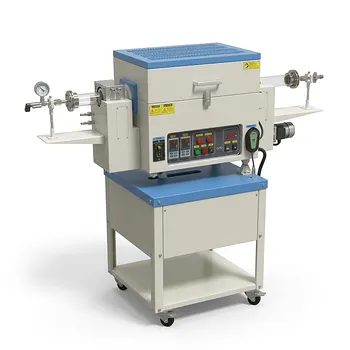
4 Inch Two Zone Rotary CVD Tube Furnace for High Temperature Battery Material Synthesis and Advanced Material Calcination
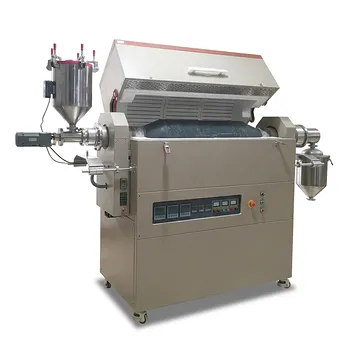
High Temperature Tilting Rotary Tubular Furnace for Continuous Powder Thermal Processing and Controlled Atmosphere Sintering
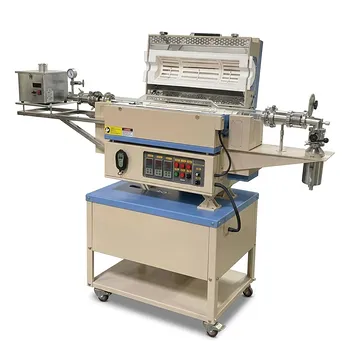
5 Inch Rotary Tube Furnace with Automatic Feeding and Receiving System 1200C Three Zone CVD Powder Processing
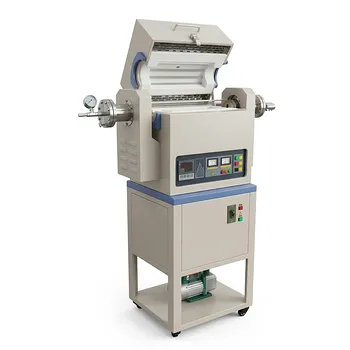
High Temperature Rotary Tilt Tubular Furnaces for Advanced Powder Sintering and Material Processing
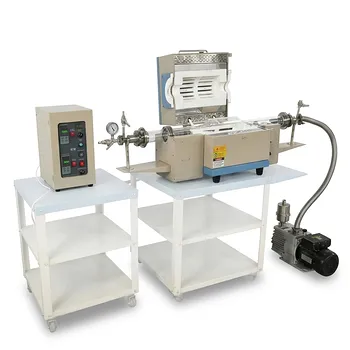
Two Zone Rotary Tube Furnace for Powder CVD Coating and Core Shell Material Synthesis 1100C
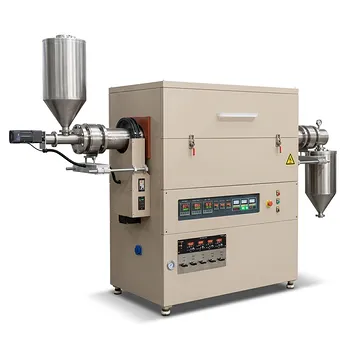
High Temperature Tilting Rotary Tube Furnace with Integrated Mass Flow Control and Multi Zone Heating
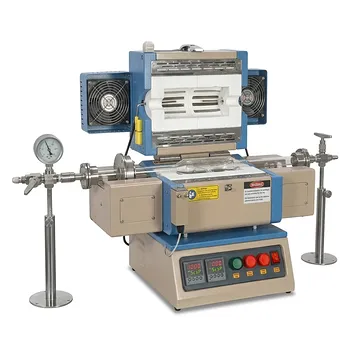
Dual Zone Rotary Tube Furnace for Uniform Powder Calcination 1000C 2 Inch Quartz Tube
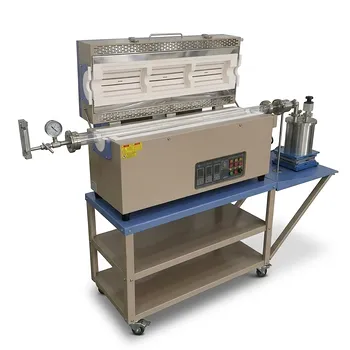
5 Inch Two Zone Rotary Tube Furnace 1100C for Powder CVD and Material Synthesis
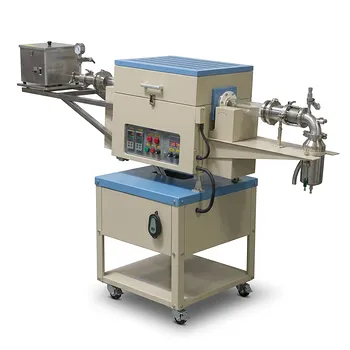
Two Zone Rotary CVD Furnace with Automatic Feeding and Receiving System for Powder Processing
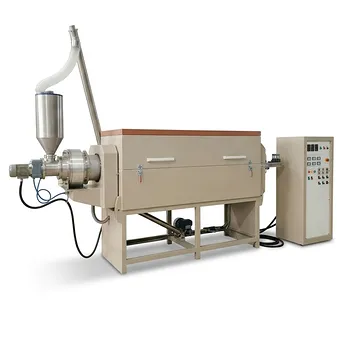
Continuous Feeding Rotary Tube Furnace for Industrial Powder Heat Treatment and Material Research
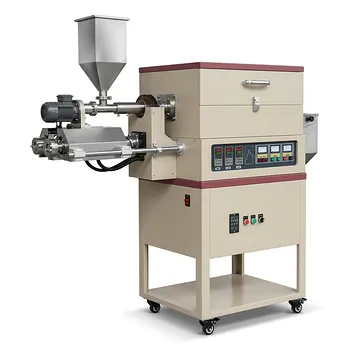
Laboratory Tilting Rotary Tubular Furnaces for Material Science and Industrial Heat Treatment