What is the primary function and operating principle of a rotary furnace? Maximize Thermal Processing Efficiency
Updated 5 months ago
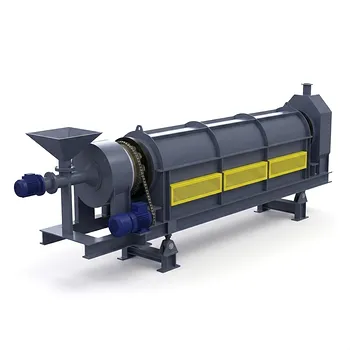
The primary function of a rotary furnace is the continuous pyroprocessing of solid materials at elevated temperatures. By utilizing a rotating cylindrical vessel, these systems facilitate chemical or physical transformations such as calcination, sintering, and roasting. The operating principle relies on a combination of mechanical rotation and a slight gravitational incline to tumble material through a heated environment, ensuring uniform exposure and consistent processing.
Core Takeaway: A rotary furnace serves as a high-temperature reactor that uses a tilted, rotating drum to move material through a thermal zone. This design maximizes heat transfer and material mixing, making it the most efficient solution for large-scale, continuous thermal processing.
The Operating Principles of Material Movement
The Role of Gravity and Incline
The furnace consists of a cylindrical drum mounted at a slight angle, typically between 1 and 4 degrees. As the drum rotates, this incline works with gravity to gradually migrate material from the higher "feed" end to the lower "discharge" end.
Mechanical Mixing and Tumbling
The rotation of the vessel causes the material to constantly tumble and "climb" the walls of the furnace before falling back. This mechanical agitation ensures that the entire mass of the material is uniformly exposed to the heat source, preventing cold spots and ensuring a consistent final product.
Retention Time and Flow Control
The speed of rotation and the degree of the incline directly determine the retention time of the material within the furnace. By adjusting these variables, operators can precisely control how long a material is subjected to high temperatures, which is critical for complex chemical reactions.
Core Functions and Thermal Applications
Calcination and Roasting
Rotary furnaces are frequently used for calcination, where heat is applied to remove volatile impurities or trigger chemical dissociation. In roasting applications, the furnace facilitates gas-solid reactions, such as oxidizing ores, under controlled thermal conditions.
Sintering and Reduction
For materials requiring densification, the furnace provides the heat necessary for sintering, where particles bond without reaching a full liquid state. In reduction processes, the furnace environment is managed to remove oxygen from metal oxides, often used in mineral processing.
Batch vs. Continuous Processing
While standard rotary kilns focus on continuous flow, tilting rotary furnaces are designed for batch operations, particularly in metal recycling. These units can be tilted to discharge molten metal and slag, offering flexibility for processing scrap or dross.
Technical Components and Stability
The Support Roller System
The weight of the massive rotating drum is distributed across steel tyres (riding rings) that rest on support rollers. This system must be precision-aligned to handle the immense mechanical load while allowing the furnace to rotate with minimal friction.
Drive Mechanisms and Gear Systems
Rotation is typically driven by a girth gear mounted around the cylinder, powered by a variable-speed electric motor. This allows for fine-tuning of the rotation speed, which is essential for maintaining the stability of the thermal process.
Refractory Lining and Insulation
The interior of the drum is lined with refractory material to protect the steel shell from extreme temperatures and chemical erosion. This lining also acts as a thermal reservoir, absorbing heat and radiating it back into the material bed as the furnace rotates.
Understanding the Trade-offs
Mechanical Stress and Maintenance
The constant rotation of a heavy, heated vessel places significant fatigue stress on the rollers, bearings, and drive gears. Frequent inspections and lubrication are mandatory to prevent catastrophic mechanical failure or "kiln shell" warping.
Thermal Expansion Challenges
As the furnace heats to operating temperature, the metal shell undergoes significant thermal expansion. The support system and seals must be designed to accommodate this longitudinal growth without losing the integrity of the internal atmosphere.
Refractory Wear and Replacement
The tumbling action of abrasive materials, combined with high heat, leads to the gradual thinning of the refractory lining. Replacing this lining is a costly and time-consuming maintenance task that requires the entire system to be taken offline.
Selecting the Right Configuration for Your Goal
How to Apply This to Your Project
- If your primary focus is high-volume, continuous production: Utilize a long rotary kiln with a fixed incline to ensure steady-state material flow and energy efficiency.
- If your primary focus is metal melting or recycling scrap: Select a tilting rotary furnace, which allows for batch melting and easy pouring of molten materials.
- If your primary focus is precise chemical transformation: Implement a system with variable-speed drives and advanced atmospheric controls to fine-tune the retention time and gas environment.
By mastering the balance between rotational speed, gravitational incline, and thermal input, you can achieve a highly efficient and uniform thermal process tailored to your specific material needs.
Summary Table:
| Key Component / Feature | Operating Mechanism | Primary Benefit |
|---|---|---|
| Rotating Cylinder | Continuous mechanical tumbling | Ensures uniform material exposure and heat transfer |
| Gravitational Incline | 1° to 4° tilt angle | Facilitates consistent material flow for continuous processing |
| Variable-Speed Drive | Adjustable rotation speed | Precise control over material retention time and reactions |
| Refractory Lining | High-temp thermal reservoir | Protects the outer shell and improves energy efficiency |
| Support Roller System | Precision-aligned steel tyres | Maintains mechanical stability under heavy industrial loads |
Elevate Your Material Research with THERMUNITS
Are you looking to optimize your high-temperature thermal processes? THERMUNITS is a leading manufacturer of advanced laboratory and industrial equipment for material science. We provide cutting-edge solutions designed for precision and durability, including:
- Rotary Kilns & Furnaces: Ideal for continuous calcination and sintering.
- Comprehensive Thermal Range: Muffle, Vacuum, Atmosphere, Tube, and Hot Press furnaces.
- Specialized Systems: CVD/PECVD systems, Dental Furnaces, and Vacuum Induction Melting (VIM) units.
Whether you are scaling up industrial R&D or performing delicate laboratory heat treatments, our expert team is ready to provide the perfect thermal solution tailored to your needs.
Contact THERMUNITS Today to Request a Quote
Mentioned Products
- 900°C Max Rotary Tube Furnace with 8 Inch 310S Alloy Tube and Optional Multi Zone Heating for Industrial Material Calcination
- 1500C 3-Zone Rotary Tube Furnace 60mm with Automatic Powder Feeding and Receiving System for Continuous Material Synthesis
- High Temperature 1700C Dual Zone Rotary Tube Furnace with 60mm Alumina Tube and Precision Rotation Control
- Mini Rotary Tubular Furnaces for Precision Powder Heat Treatment and Thermogravimetric Analysis
- Three Zone Rotary Tube Furnace for High Temperature Powder Processing and Material Research
People Also Ask
- How does a rotary tube furnace improve the processing of granular materials? Enhance Uniformity and Reaction Kinetics
- Why use a rotary tube furnace for FACS carbonization? Ensure uniform morphology and prevent sphere agglomeration.
- Why is the precise optimization of residence time essential in the catalyst calcination process? Maximize Your Yields.
- In what ways do rotary tube furnaces enhance chemical and specialty mineral processing? Drive Precision and Uniformity.
- What parameters must operators control to maintain product quality in a rotary furnace? Master Your Heat Treatment.

Tech Team · ThermUnits
Last updated on Apr 14, 2026
Related Products
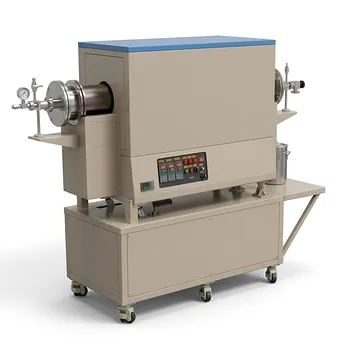
900°C Max Rotary Tube Furnace with 8 Inch 310S Alloy Tube and Optional Multi Zone Heating for Industrial Material Calcination
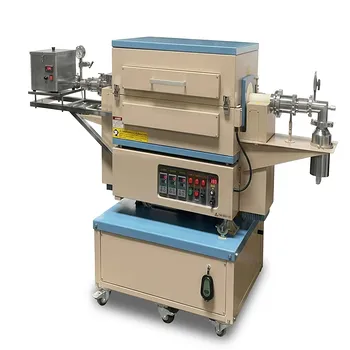
1500C 3-Zone Rotary Tube Furnace 60mm with Automatic Powder Feeding and Receiving System for Continuous Material Synthesis
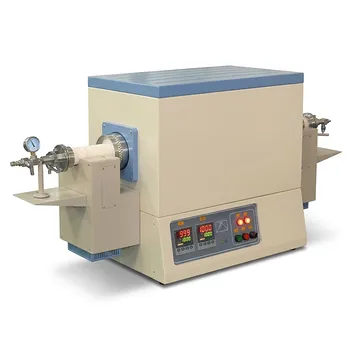
High Temperature 1700C Dual Zone Rotary Tube Furnace with 60mm Alumina Tube and Precision Rotation Control
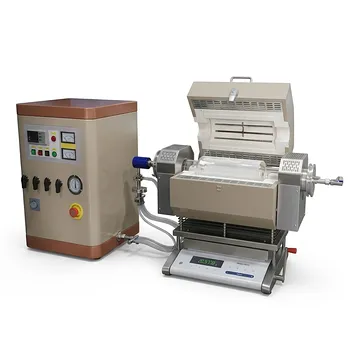
Mini Rotary Tubular Furnaces for Precision Powder Heat Treatment and Thermogravimetric Analysis
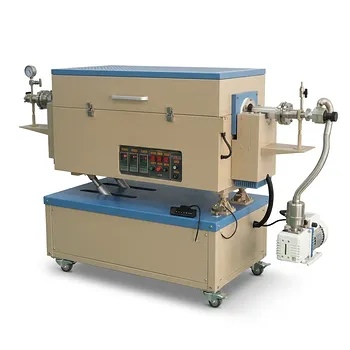
Three Zone Rotary Tube Furnace for High Temperature Powder Processing and Material Research
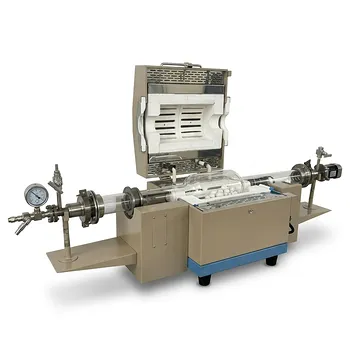
High Temperature Rotary Tube Furnace with Integrated Ball Milling and Gas Flow Function for Powder Nitriding
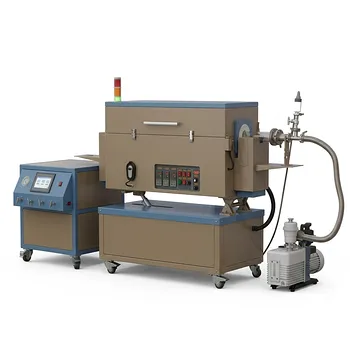
5 Inch Three Zone Rotary Tube Furnace with Integrated Gas Delivery System and 1200C Capability for Advanced Material CVD Processing
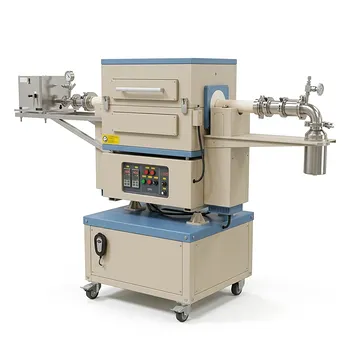
1500C Max Dual Zone Rotary Tube Furnace with 60 mm OD Alumina Tube for High Temperature Material Synthesis
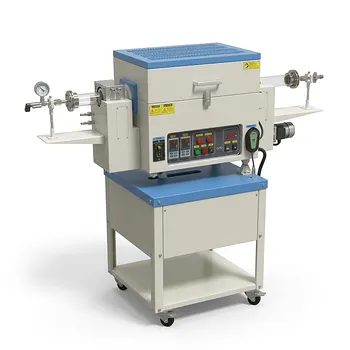
4 Inch Two Zone Rotary CVD Tube Furnace for High Temperature Battery Material Synthesis and Advanced Material Calcination
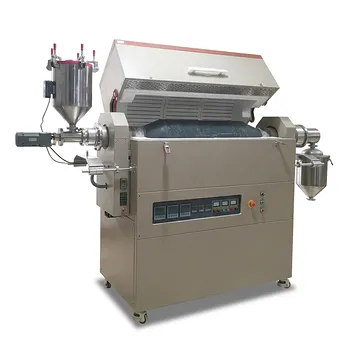
High Temperature Tilting Rotary Tubular Furnace for Continuous Powder Thermal Processing and Controlled Atmosphere Sintering
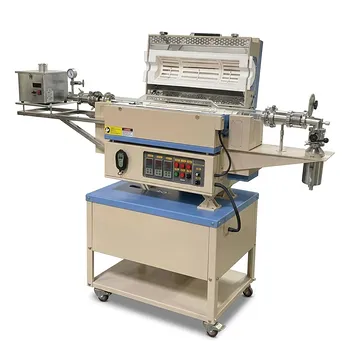
5 Inch Rotary Tube Furnace with Automatic Feeding and Receiving System 1200C Three Zone CVD Powder Processing
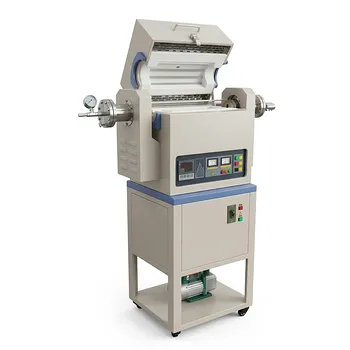
High Temperature Rotary Tilt Tubular Furnaces for Advanced Powder Sintering and Material Processing
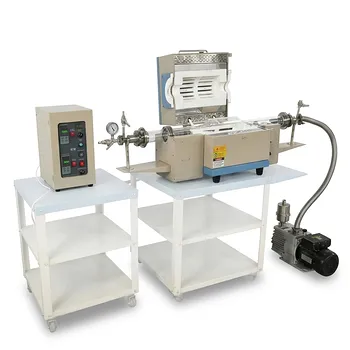
Two Zone Rotary Tube Furnace for Powder CVD Coating and Core Shell Material Synthesis 1100C
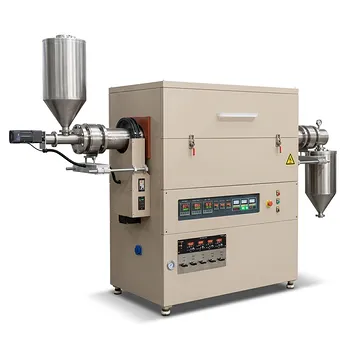
High Temperature Tilting Rotary Tube Furnace with Integrated Mass Flow Control and Multi Zone Heating
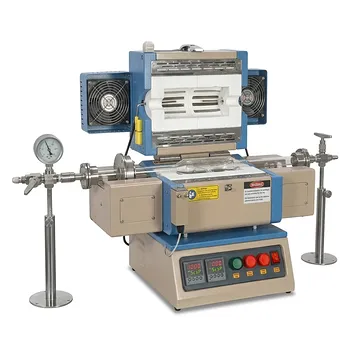
Dual Zone Rotary Tube Furnace for Uniform Powder Calcination 1000C 2 Inch Quartz Tube
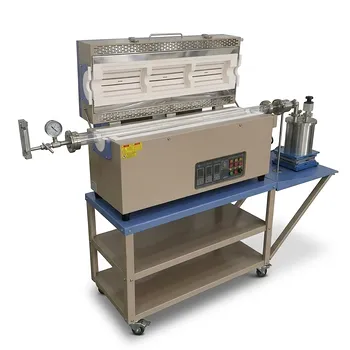
5 Inch Two Zone Rotary Tube Furnace 1100C for Powder CVD and Material Synthesis
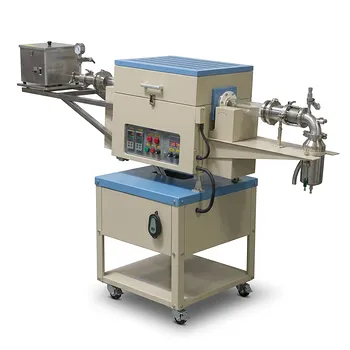
Two Zone Rotary CVD Furnace with Automatic Feeding and Receiving System for Powder Processing
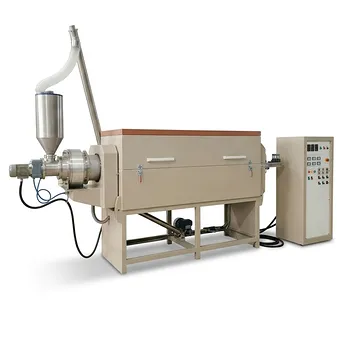
Continuous Feeding Rotary Tube Furnace for Industrial Powder Heat Treatment and Material Research
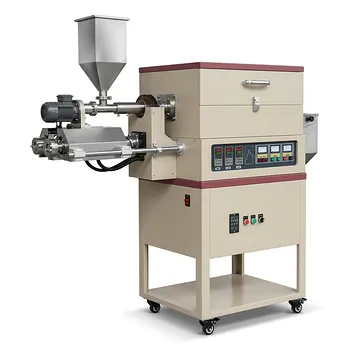
Laboratory Tilting Rotary Tubular Furnaces for Material Science and Industrial Heat Treatment