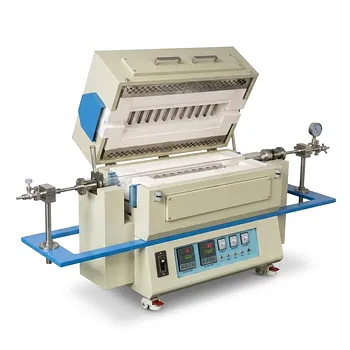
Why use a Rotary Tube Furnace for Biochar vs. Box Furnaces? Technical Advantages for Superior Pyrolysis & Consistency.
Updated 3 months ago
The primary technical advantage of a rotary tube furnace lies in its dynamic thermal processing. Unlike the static environment of a box furnace, the continuous rotation ensures that biomass feedstock is constantly tumbled, eliminating the temperature gradients that typically occur when materials are stacked. This uniform heating results in a biochar product with significantly higher consistency in its physical structure, chemical properties, and pore development.
Core Takeaway: By replacing static beds with dynamic tumbling, rotary tube furnaces overcome heat and mass-transfer resistance. This ensures every particle receives identical thermal treatment and gas exposure, leading to superior batch-to-batch repeatability and higher quality biochar.
Eliminating Thermal and Mass-Transfer Gradients
Dynamic Tumbling vs. Static Stacking
In a static box furnace, powdered or bulky biomass like corn straw tends to accumulate, creating a "blanketing" effect. The inner layers of the material remain cooler than the surface, leading to incomplete pyrolysis. The rotary furnace solves this by continuously refreshing the material surface, ensuring that every particle comes into contact with the heated tube walls.
Faster Equilibrium and Reaction Efficiency
The constant movement of the feedstock facilitates better contact between the solid particles and the activation or inert gases. This improved mass transfer shortens the time required to reach chemical equilibrium. Consequently, the pyrolysis process becomes more efficient, often achieving higher thermal efficiency (50% to 70%) than static methods.
Enhancing Biochar Quality and Consistency
Uniformity of Chemical Properties
Because the thermal treatment is homogeneous, the resulting biochar exhibits a more consistent H:Corg atomic ratio. This uniformity extends to the distribution of surface functional groups, which is critical for applications in soil amendment or carbon sequestration.
Superior Pore Structure Development
The rotary motion allows for "refreshed" contact with activation gases (like steam or CO2), which is essential for creating activated carbon. This dynamic interaction prevents "channeling"—where gas only flows through certain paths—resulting in a more developed and uniform pore structure across the entire batch.
Precision Atmosphere and Process Control
Superior Airtightness and Oxygen Exclusion
Electrically driven rotary tube furnaces are designed with high-quality seals that offer better airtightness than standard box furnaces. This allows for precise control of the inert atmosphere (typically nitrogen), which is vital to protect the carbon skeleton from oxidation and maximize biochar yield.
Effective Management of Reaction Volatiles
As biomass decomposes, it releases complex byproduct gases and vapors. The design of a tube furnace allows for a continuous flow of gas that carries these byproducts away from the material. This prevents secondary reactions between the biochar and the volatile gases, which can otherwise clog pores or alter the chemical profile of the final product.
Understanding the Trade-offs
Mechanical Complexity and Wear
The most significant trade-off is the increased mechanical complexity required for rotation. Bearings, seals, and drive motors require regular maintenance and are potential points of failure that do not exist in a simple, static box furnace.
Feedstock Geometry and Scale
Rotary tubes have specific diameter constraints that limit the size of the feedstock they can process. While highly effective for powders and small particles, very large or irregularly shaped biomass may require pre-processing (grinding or pelletizing) to prevent clogs or mechanical imbalance during rotation.
How to Apply This to Your Project
Selecting the right furnace depends on your specific research or production requirements:
- If your primary focus is high-precision laboratory analysis: Use a rotary tube furnace to ensure that your chemical measurements (like H:C ratios) are representative of the entire sample.
- If your primary focus is chemical activation for high-surface-area carbon: The rotary mechanism is essential to ensure the activation agent reaches every particle uniformly to develop a superior pore structure.
- If your primary focus is simple, low-cost waste disposal: A static box furnace may be sufficient, provided that high uniformity and chemical precision are not your core requirements.
The transition from static to dynamic heating is the single most effective way to improve the technical integrity and reproducibility of biochar production.
Summary Table:
| Feature | Rotary Tube Furnace | Static Box Furnace |
|---|---|---|
| Heating Mode | Dynamic (Continuous Tumbling) | Static (Material Stacking) |
| Thermal Uniformity | High (Eliminates gradients) | Low (Internal "blanketing" effect) |
| Pore Development | Uniform & Well-developed | Irregular (Gas channeling issues) |
| Mass Transfer | Excellent gas-solid contact | Limited to surface layers |
| Thermal Efficiency | 50% - 70% | Significantly lower |
| Atmosphere Control | High (Superior airtight seals) | Standard |
| Consistency | Superior batch-to-batch repeatability | Variable chemical properties |
Optimize Your Biochar Research with THERMUNITS
Achieving consistent biochar quality requires precision thermal control. THERMUNITS is a leading manufacturer of high-temperature laboratory equipment for material science and industrial R&D. We offer a comprehensive range of thermal processing solutions, including Rotary, Tube, Muffle, Vacuum, and Atmosphere furnaces, as well as CVD/PECVD systems, Electric Rotary Kilns, and Vacuum Induction Melting furnaces (VIM).
Our rotary tube furnaces provide the dynamic tumbling and uniform heating necessary to eliminate thermal gradients and maximize pore development. Whether you are focused on carbon sequestration or high-surface-area activated carbon, our equipment ensures batch-to-batch repeatability and superior chemical properties.
Ready to upgrade your laboratory’s capabilities? Contact us today to discuss your specific requirements and get a professional quote!
References
- María Luz Cayuela, Miguel Á. Sánchez-Monedero. Key biochar properties linked to denitrification products in a calcareous soil. DOI: 10.1007/s42773-024-00386-3
Mentioned Products
- 1500C 3-Zone Rotary Tube Furnace 60mm with Automatic Powder Feeding and Receiving System for Continuous Material Synthesis
- 5 Inch Two Zone Rotary Tube Furnace 1100C for Powder CVD and Material Synthesis
- Mini Rotary Tubular Furnaces for Precision Powder Heat Treatment and Thermogravimetric Analysis
- 1500C Max Dual Zone Rotary Tube Furnace with 60 mm OD Alumina Tube for High Temperature Material Synthesis
- 5 Inch Three Zone Rotary Tube Furnace with Integrated Gas Delivery System and 1200C Capability for Advanced Material CVD Processing
People Also Ask
- How does a rotary tube furnace improve the processing of granular materials? Enhance Uniformity and Reaction Kinetics
- In what ways do rotary tube furnaces enhance chemical and specialty mineral processing? Drive Precision and Uniformity.
- Why use a rotary tube furnace for FACS carbonization? Ensure uniform morphology and prevent sphere agglomeration.
- Why is the precise optimization of residence time essential in the catalyst calcination process? Maximize Your Yields.
- What are the typical operating temperature ranges and mechanical specifications for rotary furnaces? A Complete Guide

Tech Team · ThermUnits
Last updated on Jun 03, 2026
Related Products
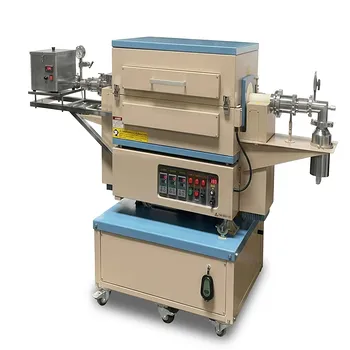
1500C 3-Zone Rotary Tube Furnace 60mm with Automatic Powder Feeding and Receiving System for Continuous Material Synthesis
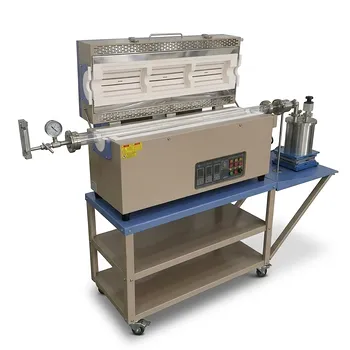
5 Inch Two Zone Rotary Tube Furnace 1100C for Powder CVD and Material Synthesis
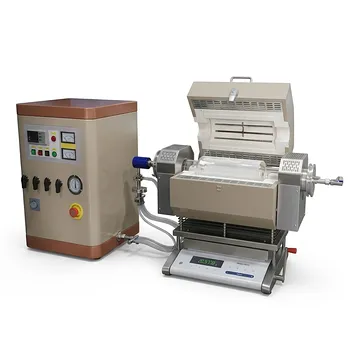
Mini Rotary Tubular Furnaces for Precision Powder Heat Treatment and Thermogravimetric Analysis
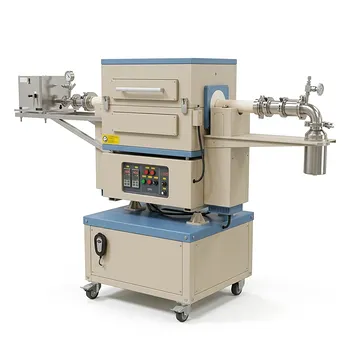
1500C Max Dual Zone Rotary Tube Furnace with 60 mm OD Alumina Tube for High Temperature Material Synthesis

5 Inch Three Zone Rotary Tube Furnace with Integrated Gas Delivery System and 1200C Capability for Advanced Material CVD Processing
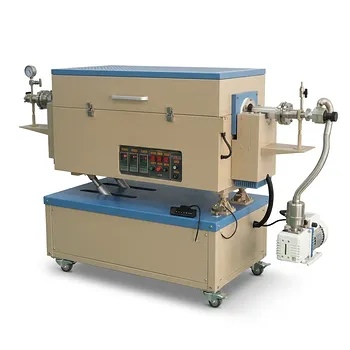
Three Zone Rotary Tube Furnace for High Temperature Powder Processing and Material Research
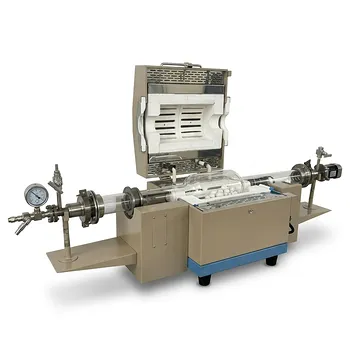
High Temperature Rotary Tube Furnace with Integrated Ball Milling and Gas Flow Function for Powder Nitriding
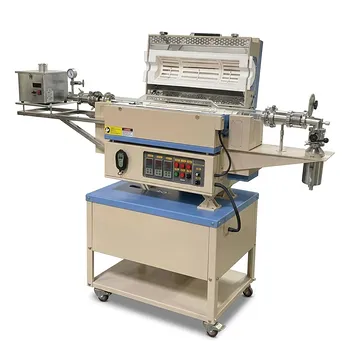
5 Inch Rotary Tube Furnace with Automatic Feeding and Receiving System 1200C Three Zone CVD Powder Processing
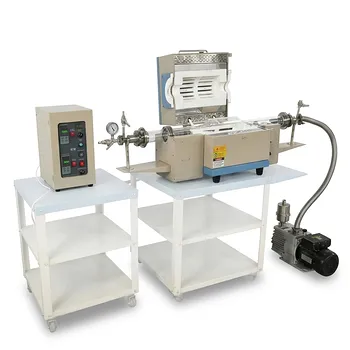
Two Zone Rotary Tube Furnace for Powder CVD Coating and Core Shell Material Synthesis 1100C
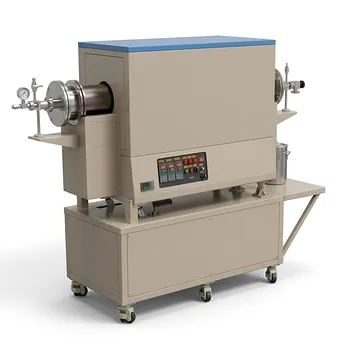
900°C Max Rotary Tube Furnace with 8 Inch 310S Alloy Tube and Optional Multi Zone Heating for Industrial Material Calcination
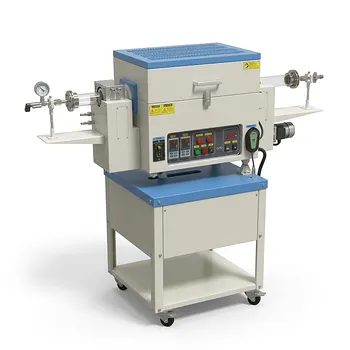
4 Inch Two Zone Rotary CVD Tube Furnace for High Temperature Battery Material Synthesis and Advanced Material Calcination
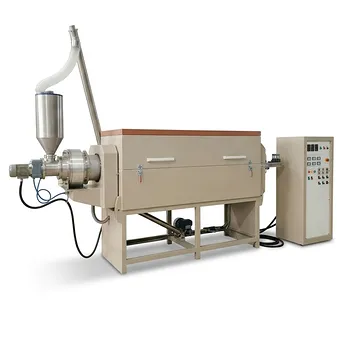
Continuous Feeding Rotary Tube Furnace for Industrial Powder Heat Treatment and Material Research
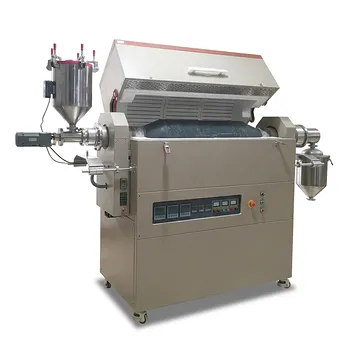
High Temperature Tilting Rotary Tubular Furnace for Continuous Powder Thermal Processing and Controlled Atmosphere Sintering
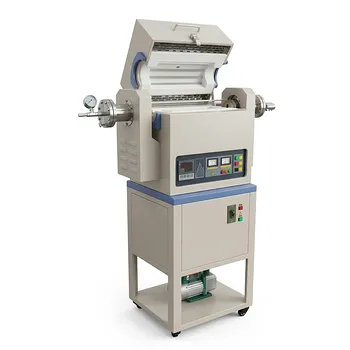
High Temperature Rotary Tilt Tubular Furnaces for Advanced Powder Sintering and Material Processing
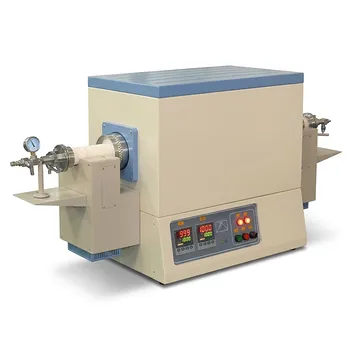
High Temperature 1700C Dual Zone Rotary Tube Furnace with 60mm Alumina Tube and Precision Rotation Control
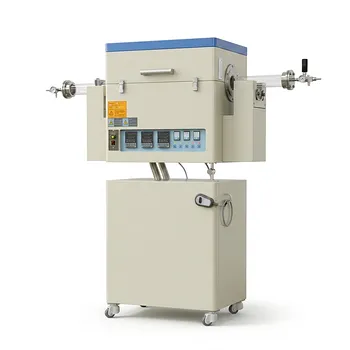
Three Temperature Zone Rotating Tube Furnace for Material Sintering and Controlled Atmospheric Heat Treatment
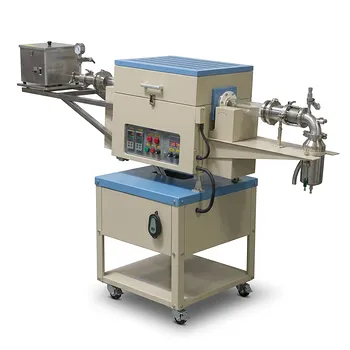
Two Zone Rotary CVD Furnace with Automatic Feeding and Receiving System for Powder Processing
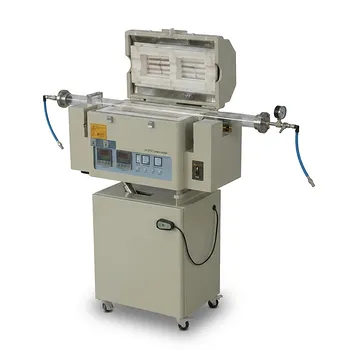
Double Temperature Revolving Tube Furnace with Precision Rotation and Adjustable Inclination for Advanced Material Research
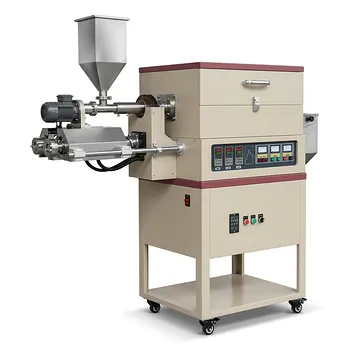
Laboratory Tilting Rotary Tubular Furnaces for Material Science and Industrial Heat Treatment