What are the typical operating temperature ranges and mechanical specifications for rotary furnaces? A Complete Guide
Updated 5 months ago
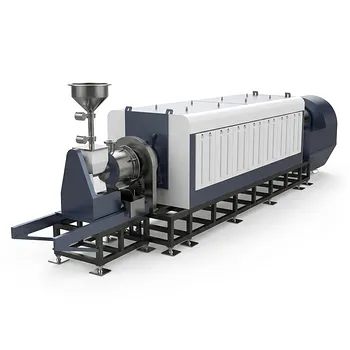
Rotary furnaces are engineered for high-heat continuous processing, typically operating between 500°C and 1,500°C while maintaining rotation speeds of 0.5 to 5 rpm. These industrial systems utilize a slight incline—usually 1 to 4 degrees—to move material through a heated cylindrical drum via gravity and mechanical agitation.
Rotary furnaces provide a unique combination of continuous material movement and high-temperature thermal processing. Success depends on balancing rotation speed and incline angle to optimize the "residence time" required for specific chemical reactions.
Thermal Operating Ranges and Limits
Standard and Specialized Temperature Profiles
Most industrial rotary kilns operate within a window of 500°C to 1,500°C, covering processes like calcination, roasting, and incineration. While standard electric configurations often peak around 1,050°C to 1,200°C, specialized units using induction heating or advanced elements can reach significantly higher temperatures.
Refractory Lining and Shell Protection
To protect the structural integrity of the outer steel shell, these furnaces are equipped with thick refractory linings. This insulation ensures the outer metal remains at a safe temperature while the internal environment sustains the high heat necessary for sintering or reduction.
Material-Specific Thermal Requirements
The operating temperature is often dictated by the vapor pressures of the processed materials. For instance, advanced vacuum-capable rotary units may operate at extreme ranges if the thermal treatment requires preventing oxidation or managing volatile phases.
Mechanical Specifications and Material Flow
The Role of Inclination and Gravity
Rotary furnaces are mounted at a slight angle, typically 1 to 4 degrees. This incline works in tandem with the rotation of the drum to ensure that material fed at the "high" end consistently tumbles toward the discharge end.
Rotation Speed and Residence Time
Rotation speeds generally vary from 0.5 to 5 rpm, though drum-style units may feature variable speed drives. These settings determine the residence time, which is the duration the material stays inside the heat zone, typically ranging from 1 to 3 hours.
Internal Mechanical Features
To improve gas-solid contact and ensure uniform heating, many furnaces include internal lifters or chains. These mechanical components pick up the material and "shower" it through the hot atmosphere, preventing the core of the material bed from remaining unreacted.
Understanding the Trade-offs
Mechanical Stress and Thermal Expansion
The constant rotation of a massive, heated drum creates significant mechanical stress. As the unit heats up, the metal shell expands; if the furnace is not designed with proper expansion joints or specialized support rollers, the shell can warp or crack.
Lining Wear and Maintenance
Internal lifters and chains enhance mixing but also increase the abrasive wear on the refractory lining. High-speed rotation may improve throughput, but it frequently results in shorter intervals between expensive lining replacements.
Precision vs. Throughput
Increasing the tilt angle or rotation speed moves material through the furnace faster, increasing throughput. However, this often reduces the precision of the thermal treatment, potentially leading to incomplete chemical reactions if the residence time becomes too short.
Selecting the Right Configuration for Your Process
How to Apply This to Your Project
Choosing the correct specifications requires a balance between your chemical process requirements and the physical limits of the equipment.
- If your primary focus is High-Volume Calcination: Prioritize a larger kiln with a 1 to 2-degree incline and robust internal lifters to ensure uniform heat distribution at high throughput.
- If your primary focus is Specialized Small-Batch Processing: Select a drum-style unit with variable speed control and a high-grade refractory lining capable of exceeding 1,200°C.
- If your primary focus is Material Purity: Look for electric rotary kilns that offer precise atmosphere control and avoid internal chains that could introduce metallic contaminants into your product.
A well-optimized rotary furnace serves as the backbone of efficient thermal processing by perfectly synchronizing heat transfer with mechanical movement.
Summary Table:
| Specification | Typical Range | Key Function |
|---|---|---|
| Temperature Range | 500°C – 1,500°C | Supports calcination, roasting, and sintering processes. |
| Rotation Speed | 0.5 – 5 rpm | Controls residence time and material mixing efficiency. |
| Incline Angle | 1 – 4 Degrees | Facilitates gravity-driven material flow through the drum. |
| Residence Time | 1 – 3 Hours | Ensures complete chemical reactions and uniform heating. |
| Structural Design | Steel Shell with Refractory | Protects equipment integrity during high-heat operation. |
Optimize Your Thermal Processing with THERMUNITS
As a leading manufacturer of high-temperature laboratory equipment for material science and industrial R&D, THERMUNITS offers high-performance rotary furnaces and electric rotary kilns tailored to your specific mechanical and thermal requirements. Our comprehensive range of solutions—including vacuum, atmosphere, and hot press furnaces—ensures precision for every heat treatment application.
Why Choose THERMUNITS?
- Expert Engineering: Specialized designs for sintering, reduction, and calcination.
- Advanced Control: Precise atmosphere and variable speed management for optimized residence time.
- Comprehensive Catalog: From CVD/PECVD systems and dental furnaces to vacuum induction melting furnaces (VIM) and thermal elements.
Ready to enhance your lab's efficiency and material purity? Contact our experts today to find the perfect thermal processing solution for your project!
Mentioned Products
- 900°C Max Rotary Tube Furnace with 8 Inch 310S Alloy Tube and Optional Multi Zone Heating for Industrial Material Calcination
- Mini Rotary Tubular Furnaces for Precision Powder Heat Treatment and Thermogravimetric Analysis
- 1500C 3-Zone Rotary Tube Furnace 60mm with Automatic Powder Feeding and Receiving System for Continuous Material Synthesis
- High Temperature 1700C Dual Zone Rotary Tube Furnace with 60mm Alumina Tube and Precision Rotation Control
- Three Zone Rotary Tube Furnace for High Temperature Powder Processing and Material Research
People Also Ask
- How does a rotary tube furnace improve the processing of granular materials? Enhance Uniformity and Reaction Kinetics
- Why use a rotary tube furnace for FACS carbonization? Ensure uniform morphology and prevent sphere agglomeration.
- Why is the precise optimization of residence time essential in the catalyst calcination process? Maximize Your Yields.
- In what ways do rotary tube furnaces enhance chemical and specialty mineral processing? Drive Precision and Uniformity.
- What parameters must operators control to maintain product quality in a rotary furnace? Master Your Heat Treatment.

Tech Team · ThermUnits
Last updated on Apr 14, 2026
Related Products
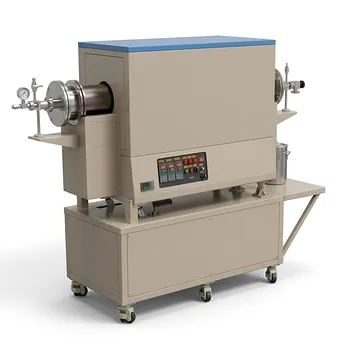
900°C Max Rotary Tube Furnace with 8 Inch 310S Alloy Tube and Optional Multi Zone Heating for Industrial Material Calcination
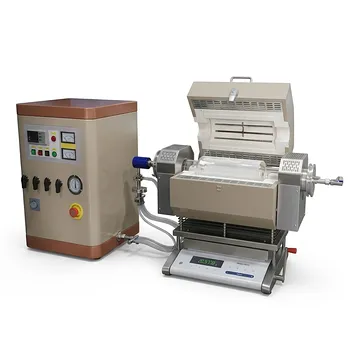
Mini Rotary Tubular Furnaces for Precision Powder Heat Treatment and Thermogravimetric Analysis
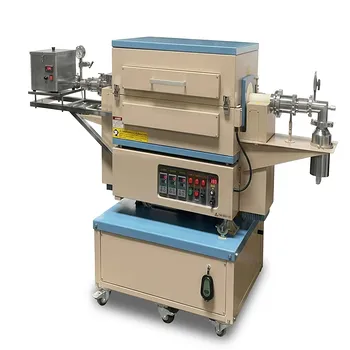
1500C 3-Zone Rotary Tube Furnace 60mm with Automatic Powder Feeding and Receiving System for Continuous Material Synthesis
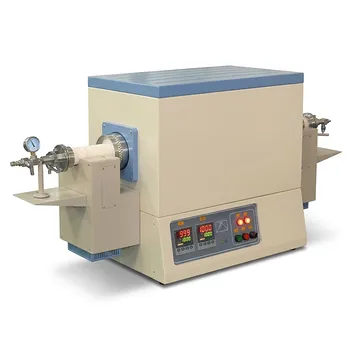
High Temperature 1700C Dual Zone Rotary Tube Furnace with 60mm Alumina Tube and Precision Rotation Control
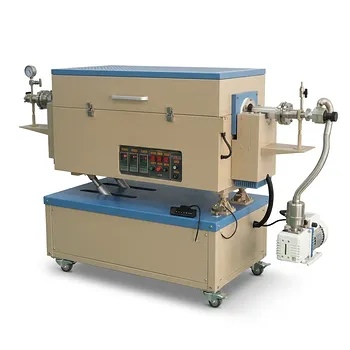
Three Zone Rotary Tube Furnace for High Temperature Powder Processing and Material Research
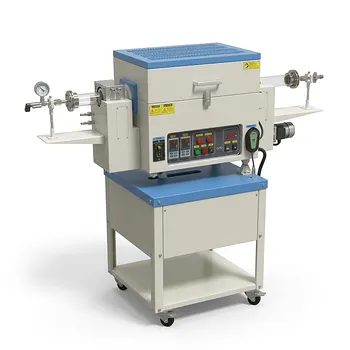
4 Inch Two Zone Rotary CVD Tube Furnace for High Temperature Battery Material Synthesis and Advanced Material Calcination
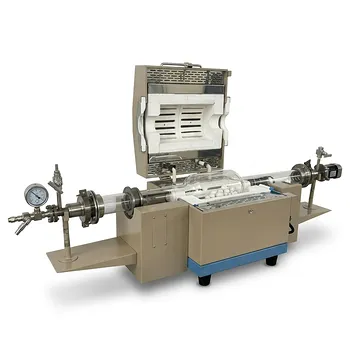
High Temperature Rotary Tube Furnace with Integrated Ball Milling and Gas Flow Function for Powder Nitriding
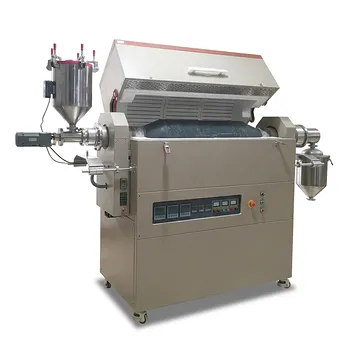
High Temperature Tilting Rotary Tubular Furnace for Continuous Powder Thermal Processing and Controlled Atmosphere Sintering
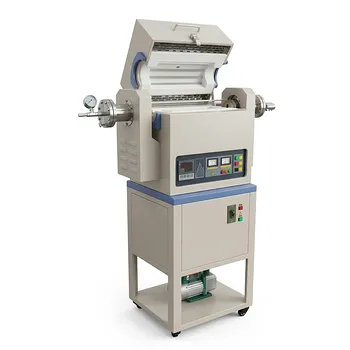
High Temperature Rotary Tilt Tubular Furnaces for Advanced Powder Sintering and Material Processing
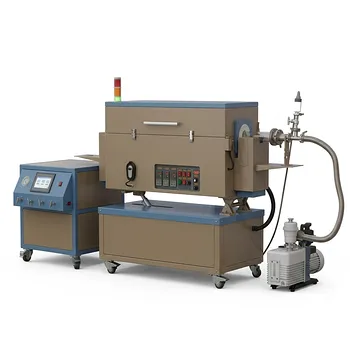
5 Inch Three Zone Rotary Tube Furnace with Integrated Gas Delivery System and 1200C Capability for Advanced Material CVD Processing
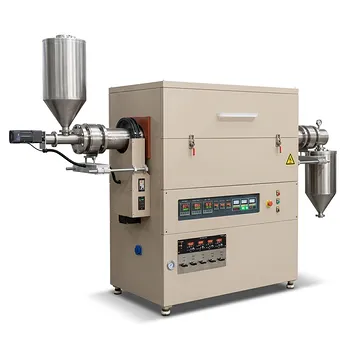
High Temperature Tilting Rotary Tube Furnace with Integrated Mass Flow Control and Multi Zone Heating
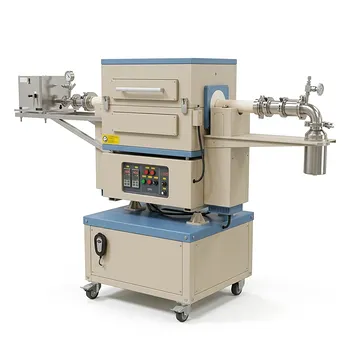
1500C Max Dual Zone Rotary Tube Furnace with 60 mm OD Alumina Tube for High Temperature Material Synthesis
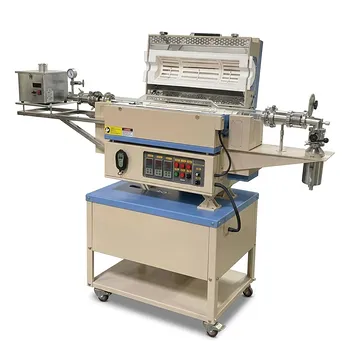
5 Inch Rotary Tube Furnace with Automatic Feeding and Receiving System 1200C Three Zone CVD Powder Processing
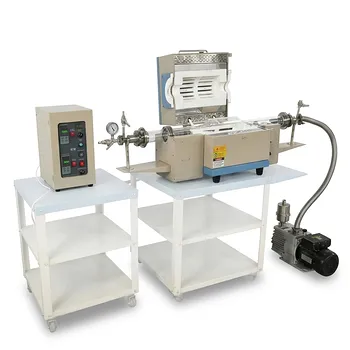
Two Zone Rotary Tube Furnace for Powder CVD Coating and Core Shell Material Synthesis 1100C
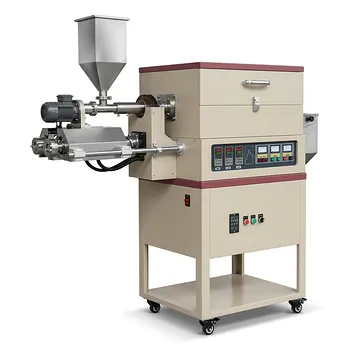
Laboratory Tilting Rotary Tubular Furnaces for Material Science and Industrial Heat Treatment
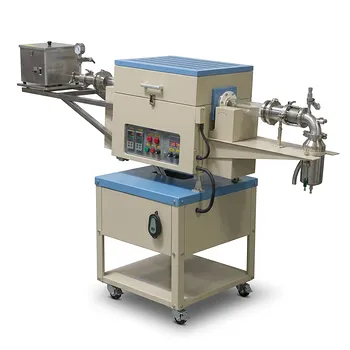
Two Zone Rotary CVD Furnace with Automatic Feeding and Receiving System for Powder Processing
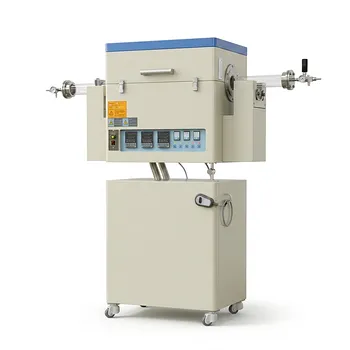
Three Temperature Zone Rotating Tube Furnace for Material Sintering and Controlled Atmospheric Heat Treatment
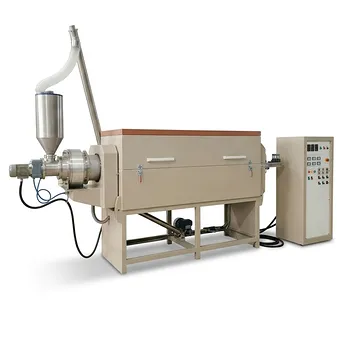
Continuous Feeding Rotary Tube Furnace for Industrial Powder Heat Treatment and Material Research
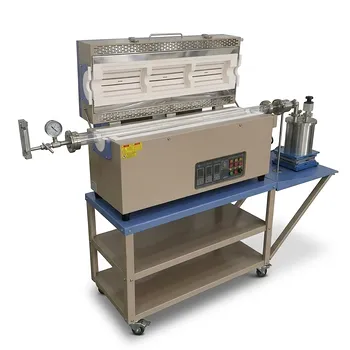
5 Inch Two Zone Rotary Tube Furnace 1100C for Powder CVD and Material Synthesis