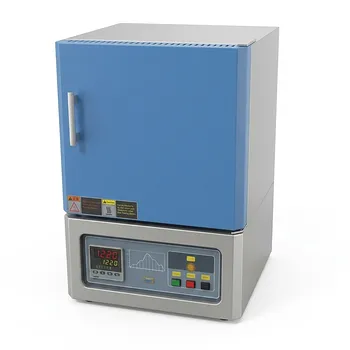
What function does a laboratory oven or muffle furnace perform in the final stages of electrode preparation? Key Benefits
Updated 3 months ago
Thermal treatment is the critical bridge between a coated substrate and a functional electrode.
In the final stages of electrode preparation, a laboratory oven or muffle furnace performs calcination and thermal stabilization. These processes remove residual organic solvents or surfactants, facilitate vital phase transformations (such as crystallization), and strengthen the mechanical adhesion and electrical contact between the active material and the conductive substrate.
Controlled thermal processing transforms a loose precursor coating into a stable, conductive, and electrochemically active material. By precisely regulating temperature, researchers ensure the electrode possesses the structural integrity and phase purity required for repeatable performance.
Solvent Removal and Surface Cleaning
Eliminating Organic Volatiles
In the initial phase of the final treatment, a laboratory oven—typically set around 120 °C—is used to evaporate organic solvents from the catalyst paste. This prevents the formation of bubbles or structural defects that could occur if solvents were trapped during higher-temperature stages.
Removing Surfactant Templates
For electrodes requiring high porosity, a muffle furnace is utilized at higher temperatures (e.g., 550 °C) to burn off surfactants like CTAB or F-127. This process clears the mesoporous channels, significantly increasing the specific surface area available for electrochemical reactions.
Purifying the Catalyst Surface
Thermal treatment also serves to remove residual moisture and volatile impurities from the material. This "cleaning" effect ensures that the active sites of the catalyst are not blocked, leading to more accurate and stable testing results.
Structural Bonding and Phase Transformation
Strengthening Mechanical Adhesion
Heating facilitates the physical and chemical bonding between the catalytic material and substrates like Fluorine-doped Tin Oxide (FTO). This ensures the material does not delaminate during handling or while submerged in electrolytes during testing.
Inducing Crystallization and Phase Purity
Muffle furnaces provide the high-energy environment needed for phase transformation, such as converting zinc hydroxide into Zinc Oxide (ZnO) crystals with a hexagonal wurtzite structure. In complex materials like perovskites, temperatures exceeding 1000 °C are required to achieve the correct crystalline phase and grain size.
Carbonization and Nanoparticle Anchoring
At extreme temperatures (e.g., 900 °C), the furnace facilitates the carbonization of biomass precursors. This creates a porous carbon framework where metal nanoparticles, such as platinum, can be firmly anchored to ensure long-term catalytic stability.
Understanding the Trade-offs
The Risk of Over-Sintering
While high temperatures improve crystallinity, excessive heat can lead to sintering, where small particles fuse into larger ones. This reduces the total active surface area and can diminish the overall electrochemical performance of the electrode.
Substrate Thermal Limits
The choice of temperature is often limited by the substrate's melting point or degradation temperature. For example, heating FTO-coated glass too far beyond its recommended limits can increase its electrical resistance or cause the glass to warp, ruining the electrode.
Thermal Shock and Fragmentation
Rapid heating or cooling cycles in a muffle furnace can induce thermal shock. This often leads to the cracking or fragmentation of the electrode coating, particularly in ceramic-based materials or "green bodies" that have not been properly pre-heated.
Strategies for Optimizing Electrode Treatment
How to Apply This to Your Project
To achieve the best results, tailor your thermal profile to the specific chemistry of your catalyst and the physical limits of your substrate.
- If your primary focus is mechanical stability on conductive glass: Use lower-temperature oven drying (approx. 120 °C) to secure the catalyst layer without compromising the conductivity of the FTO or ITO coating.
- If your primary focus is maximizing active surface area: Utilize a muffle furnace to calcine surfactant templates at mid-range temperatures (500 °C–550 °C), ensuring a clear and regular pore structure.
- If your primary focus is catalytic activity and phase purity: Employ high-temperature calcination (700 °C–1200 °C) to drive complete crystallization and ensure the active phases are properly formed and anchored.
Precise thermal management is the final, indispensable step in ensuring that an electrode transitions from a laboratory prototype to a reliable, high-performance electrochemical tool.
Summary Table:
| Stage | Primary Function | Typical Temperature |
|---|---|---|
| Drying | Solvent removal & bubble prevention | ~120 °C |
| Template Removal | Burning off surfactants for high porosity | 500 °C - 550 °C |
| Calcination | Inducing crystallization & phase purity | 700 °C - 1200 °C |
| Carbonization | Creating porous frameworks & anchoring | ~900 °C |
Maximize Your Material Performance with THERMUNITS
Precision thermal processing is the difference between a prototype and a high-performance electrode. THERMUNITS is a leading manufacturer of high-temperature laboratory equipment for material science and industrial R&D. We provide the precise temperature control needed for crystallization, phase transformation, and stable bonding.
Our comprehensive range of solutions includes:
- Muffle, Vacuum, and Atmosphere Furnaces
- Tube and Rotary Furnaces
- CVD/PECVD Systems & Hot Press Furnaces
- Dental Furnaces & Vacuum Induction Melting (VIM)
Whether you are refining catalyst surfaces or developing complex perovskites, our equipment ensures repeatable, high-quality results. Contact our experts today to find the ideal thermal solution for your lab!
References
- Safinaz M. Thabet, Haitham M. El‐Bery. Boosting photocatalytic water splitting of TiO2 using metal (Ru, Co, or Ni) co-catalysts for hydrogen generation. DOI: 10.1038/s41598-024-59608-0
Mentioned Products
- 1200C Muffle Furnace 12x8x5 7.2L Heating Chamber with Quartz Observation Window and Vent Port
- High Temperature 1200C Muffle Furnace 27L Volume 12x12x12 Chamber with Programmable PID Controller for Laboratory Material Science
- 1750C Compact Muffle Furnace 1.7L Ultra High Temperature Laboratory Sintering System for Advanced Ceramics and Material Science Research
- 1200C High Temperature 125L Muffle Furnace 5 Side Heating for Large Batch Sintering with Optional Alloy Debinding Chamber
- Ultra High Temperature Bench Top Muffle Furnace 1750C Sintering System with Kanthal Super Heating Elements and Precision Digital Control
People Also Ask
- What is the function of an experimental muffle furnace in the conversion of FeOOH to α-Fe2O3? Optimize Phase Transition
- Why is a muffle furnace required for MoO2@HCNF pre-oxidation? Crucial Steps for High-Performance Composites
- What is the function of a high-temperature Muffle furnace in removing residual solvents? Essential Bismuth Synthesis
- What is the function of Muffle furnace calcination? Essential steps for Pr-doped SrFeMoO6 Perovskite synthesis.
- What are the primary functions of a Muffle furnace in oxide calcination? Achieve high purity and phase control.

Tech Team · ThermUnits
Last updated on Jun 02, 2026
Related Products
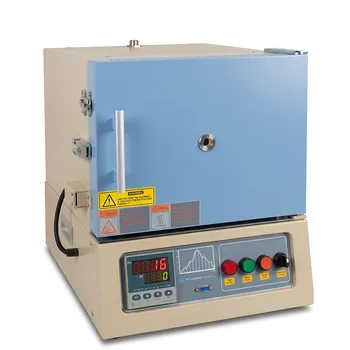
1200C Muffle Furnace 12x8x5 7.2L Heating Chamber with Quartz Observation Window and Vent Port
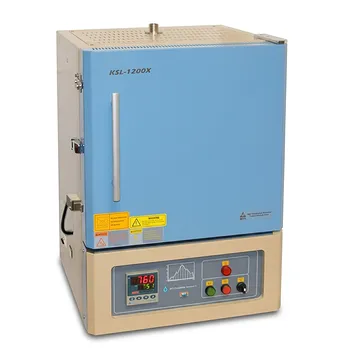
High Temperature 1200C Muffle Furnace 27L Volume 12x12x12 Chamber with Programmable PID Controller for Laboratory Material Science
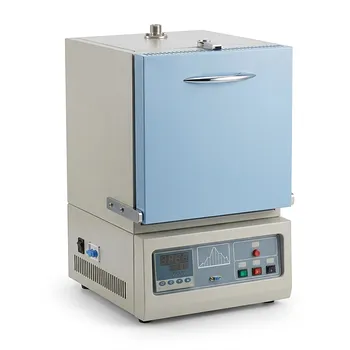
1750C Compact Muffle Furnace 1.7L Ultra High Temperature Laboratory Sintering System for Advanced Ceramics and Material Science Research
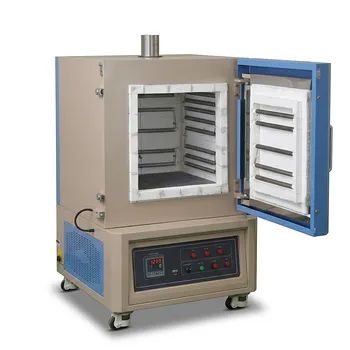
1200C High Temperature 125L Muffle Furnace 5 Side Heating for Large Batch Sintering with Optional Alloy Debinding Chamber
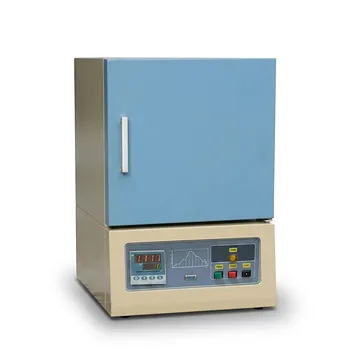
Ultra High Temperature Bench Top Muffle Furnace 1750C Sintering System with Kanthal Super Heating Elements and Precision Digital Control
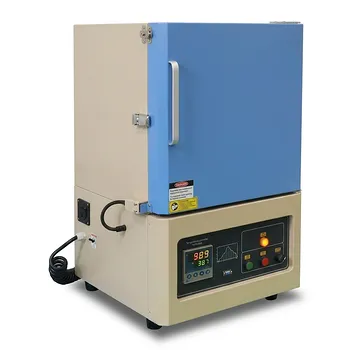
1200°C High Temperature Muffle Furnace 19L Chamber with 50 Segment Programmable Controller
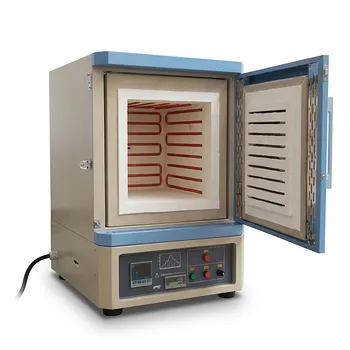
Five Side Heating Muffle Furnace 1200C High Uniformity 64L Chamber 16x16x16 Inch Industrial Heat Treatment
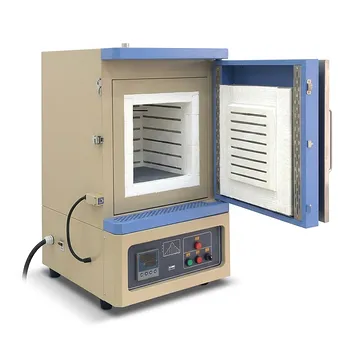
Five Side Heating Muffle Furnace High Purity Alumina Fiber 27L Chamber 1200C High Temperature Thermal Processing System for Sintering Annealing and Materials Research
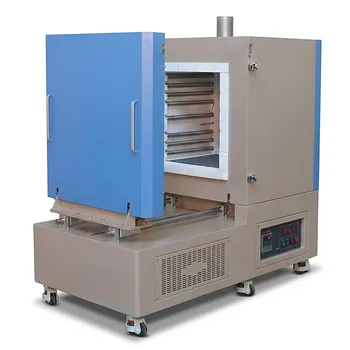
1200C Five Side Heating Muffle Furnace with Sliding Door 125L Volume High Temperature Heat Treatment System for Large Scale Sintering and Annealing
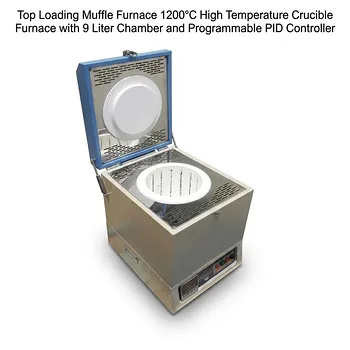
Top Loading Muffle Furnace 1200°C High Temperature Crucible Furnace with 9 Liter Chamber and Programmable PID Controller
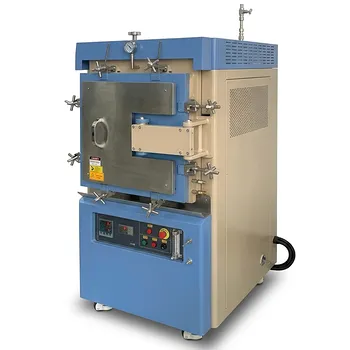
Atmosphere Controlled Muffle Furnace 1700C Maximum Temperature 80L High Capacity Vacuum Inert Gas Box Furnace
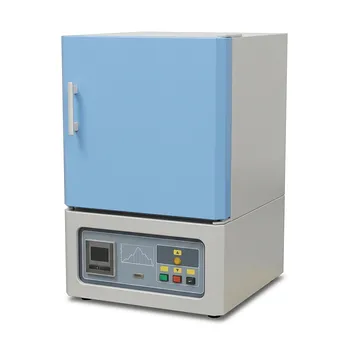
1800C Bench Top Muffle Furnace with Kanthal Super 1900 Heating Elements and 3.6L Alumina Fiber Chamber
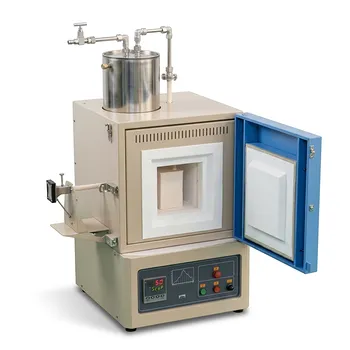
High Temperature Bench Top Muffle Furnace 1700C with Integrated Evaporating Particle Collection and 8x8x8 Alumina Fiber Chamber
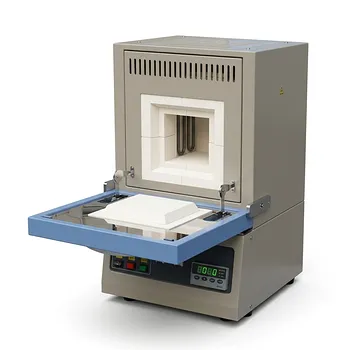
Five Sided Heating Muffle Furnace High Uniformity 1200C Lab Box Furnace 27L Alumina Fiber Chamber

High Temperature 1500C Benchtop Muffle Furnace 3.6L Alumina Fiber Chamber Programmable Controller Sintering Annealing Carbonization Thermal Processing System
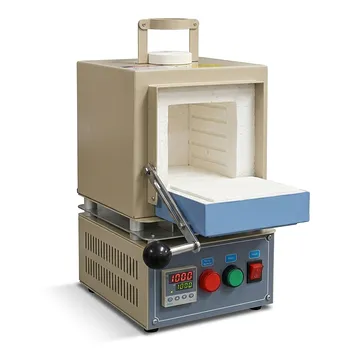
Compact 1000C Muffle Furnace with Programmable Controller and 2 Inch Top Port for Vacuum and Atmosphere Material Research
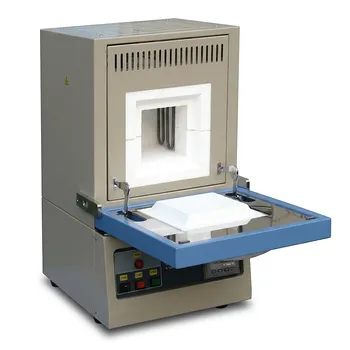
High Temperature 1800C Compact Muffle Furnace with Kanthal Super 1900 Heating Elements and 1.7L Alumina Chamber
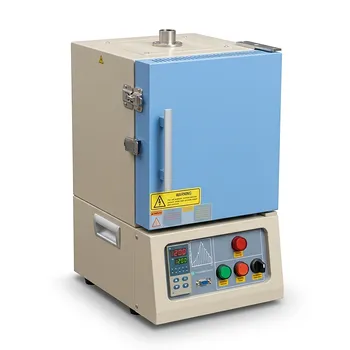
1200°C Small Box Furnace 4.2 Liter Programmable Muffle Furnace with High Purity Alumina Insulation and PID Control
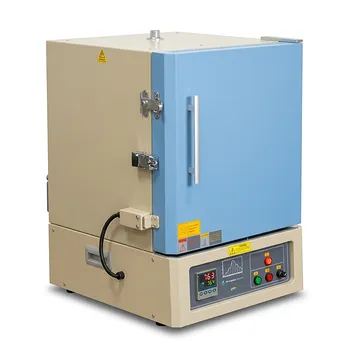
Large Capacity 1200C Muffle Furnace 64 Liter Chamber with Digital PID Controller and Built In Venting Port