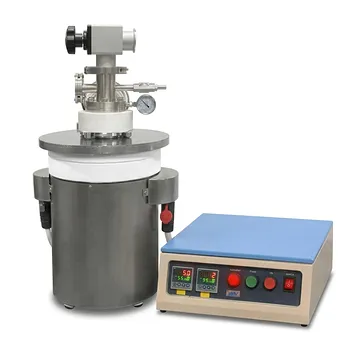
What is a dental furnace and what are its primary functions? Master Precise Dental Sintering & Restoration Workflows
Updated 5 months ago
A dental furnace is a specialized, programmable thermal processing device designed for the precise heat treatment of ceramic and glass-ceramic materials. It functions by applying controlled thermal cycles to raw or pre-shaped materials to perform sintering, firing, glazing, and crystallization. These processes are essential for transforming porous dental blanks into strong, biocompatible, and aesthetically natural prosthetics like crowns, bridges, and veneers.
The dental furnace is the final, critical step in the restoration workflow, using extreme heat and vacuum environments to convert fragile materials into dense, high-strength prosthetics. By precisely managing grain growth and chemical bonding, it ensures the restoration is clinically durable and visually indistinguishable from natural teeth.
The Science of Material Transformation
Sintering: Achieving Maximum Density
Sintering is the process of densifying powder particles through heat without reaching the point of total liquefaction. During this phase, particles undergo solid-state diffusion and grain growth, which eliminates internal porosity and maximizes material density. This transformation is what provides materials like zirconia with their high mechanical strength and fracture toughness.
Firing and Crystallization
Firing involves heating porcelain powders or glass-ceramics to specific temperatures, such as 913°C for certain porcelains, to fuse them into a solid mass. Crystallization is a specific thermal cycle used for materials like lithium disilicate to reorganize their internal structure. This process is vital for ensuring the material achieves its intended phase composition and structural integrity.
Phase Stability and Temperature Control
High-temperature furnaces often reach levels as high as 1450°C to process pre-sintered zirconia blanks. Maintaining these specific temperatures for precise durations allows for the rearrangement of zirconia particles, ensuring the material reaches its full hardness. Precise thermal control prevents internal stresses that could lead to premature failure in a clinical setting.
The Role of Controlled Environments
Vacuum Processing for Porosity Elimination
Many dental furnaces utilize a vacuum environment to remove air trapped between ceramic particles during the heating process. By eliminating these internal gas pores, the furnace ensures the ceramic layer is dense and free of microscopic voids. This is particularly critical when sintering ceramic powders onto metal frameworks to prevent structural weaknesses.
Creating Strong Chemical Bonds
The furnace facilitates a chemical reaction between the ceramic material and the oxide film on metal substrates. This vacuum-assisted bonding creates a stable, high-strength connection between the metal framework and the porcelain veneer. Without this precise thermal treatment, the restoration would be prone to delamination or chipping under biting forces.
Glazing and Staining for Aesthetics
The final functional stage involves specialized programs for staining and glazing the restoration. This process ensures that surface stains achieve optimal chemical fusion with the underlying ceramic matrix. The result is a smooth, non-porous surface that provides the translucency and color stability required for a natural appearance.
Understanding the Trade-offs
Sintering Speed vs. Long-term Durability
While "fast-sintering" programs can significantly reduce laboratory turnaround time, they may affect the translucency and grain size of the material. Rapid heating can lead to uneven densification, potentially compromising the long-term fracture resistance of the prosthetic compared to standard, slower cycles.
Temperature Accuracy and Calibration
Even minor deviations in temperature can result in restorations that are either under-fired (lacking strength) or over-fired (distorted in shape). Regular calibration of the thermal sensors is a mandatory trade-off for the high level of precision these devices offer. Neglecting maintenance can lead to inconsistent shade matching and poor marginal fit.
Applying This Technology to Your Workflow
Selecting the right furnace depends entirely on the specific materials and production volume of your practice or laboratory.
- If your primary focus is high-strength zirconia restorations: Invest in a high-temperature sintering furnace capable of reaching 1500°C with programmable cooling stages to prevent thermal shock.
- If your primary focus is esthetic porcelain-fused-to-metal (PFM): Prioritize a vacuum furnace with precise atmospheric control to ensure a bubble-free bond between the metal and ceramic layers.
- If your primary focus is chairside CAD/CAM efficiency: Look for a compact, fast-fire furnace designed for rapid crystallization and glazing of glass-ceramics.
Mastering the thermal processing of dental materials is the definitive way to ensure every restoration meets the highest standards of durability and patient satisfaction.
Summary Table:
| Primary Function | Process Description | Key Material Benefit |
|---|---|---|
| Sintering | High-heat densification of powders | Maximizes density, strength, and toughness |
| Vacuum Firing | Heat treatment in air-free environment | Eliminates porosity and ensures bubble-free bonds |
| Crystallization | Controlled thermal reorganization | Ensures structural integrity of glass-ceramics |
| Glazing/Staining | Final surface fusion cycle | Provides natural translucency and smooth finish |
Elevate Your Restoration Standards with THERMUNITS
As a leading manufacturer of high-temperature laboratory equipment, THERMUNITS provides state-of-the-art thermal processing solutions tailored for material science and industrial R&D. Whether you are producing high-strength zirconia crowns or intricate porcelain-fused-to-metal (PFM) restorations, our advanced Dental Furnaces and vacuum systems ensure unparalleled precision and clinical durability.
Beyond dentistry, we offer a comprehensive range of high-performance equipment to meet your heat treatment needs:
- Muffle, Vacuum, and Atmosphere Furnaces
- Tube, Rotary, and Hot Press Furnaces
- CVD/PECVD Systems & Vacuum Induction Melting (VIM)
- Electric Rotary Kilns and Premium Thermal Elements
Optimize your laboratory's efficiency and material performance with our expert solutions. Contact our technical team today to find the perfect thermal system for your application!
Mentioned Products
- Dental Porcelain Zirconia Sintering Ceramic Vacuum Press Furnace
- Vacuum Dental Porcelain Sintering Furnace for High Precision Ceramic Restorations
- Dental Porcelain Zirconia Sintering Ceramic Furnace Chairside with Transformer
- Ultra High Temperature Bench Top Muffle Furnace 1750C Sintering System with Kanthal Super Heating Elements and Precision Digital Control
- 1800C Bench Top Muffle Furnace 18 Liters with Kanthal Super 1900 Heating Elements for High Purity Ceramic Sintering and Material Research
People Also Ask
- How do zirconia sintering furnaces differ from porcelain firing furnaces? Key Technical & Performance Differences
- How do sintering and firing differ in a dental furnace? Master the key techniques for flawless restorations.
- What is the importance of dental furnaces in material science research and development? Keys to Ceramic Innovation
- What are the specific stages of the zirconia sintering process in a dental furnace? 4 Key Steps for Strength & Aesthetics
- How does a dental furnace prevent material cracking during rapid thermal cycles? Master Precision Thermal Control

Tech Team · ThermUnits
Last updated on Apr 14, 2026
Related Products
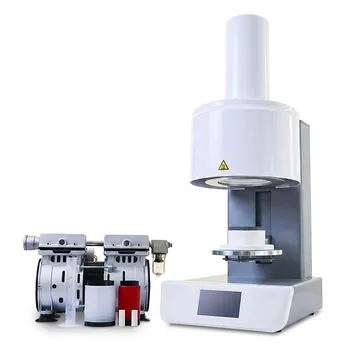
Dental Porcelain Zirconia Sintering Ceramic Vacuum Press Furnace
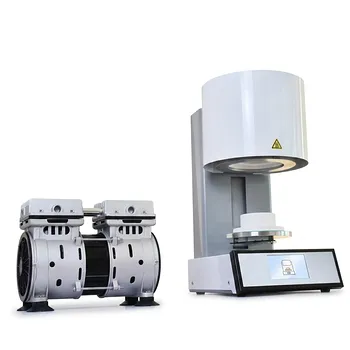
Vacuum Dental Porcelain Sintering Furnace for High Precision Ceramic Restorations
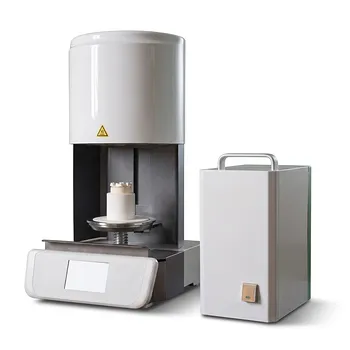
Dental Porcelain Zirconia Sintering Ceramic Furnace Chairside with Transformer
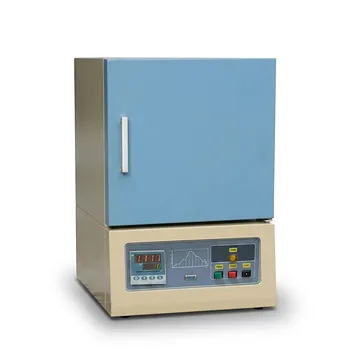
Ultra High Temperature Bench Top Muffle Furnace 1750C Sintering System with Kanthal Super Heating Elements and Precision Digital Control
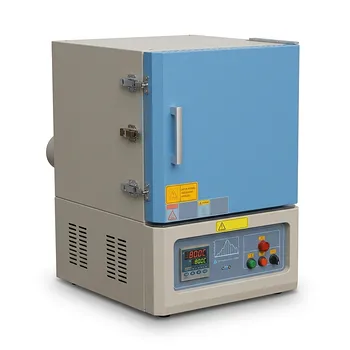
1800C Bench Top Muffle Furnace 18 Liters with Kanthal Super 1900 Heating Elements for High Purity Ceramic Sintering and Material Research
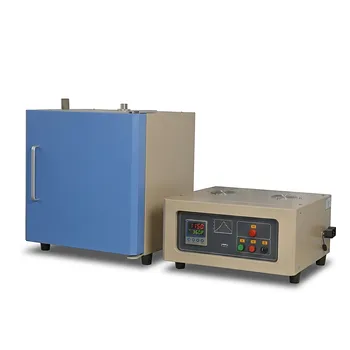
High Temperature Muffle Furnace with Alloy Chamber for Debinding and Sintering Applications
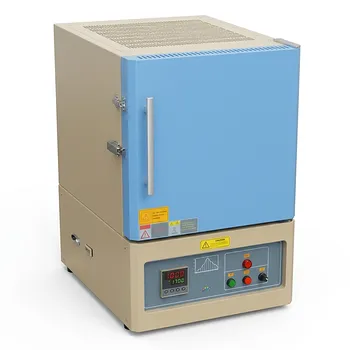
Large Bench Top 1700C High Temperature Muffle Furnace with 19L Chamber for Advanced Material Sintering and Annealing
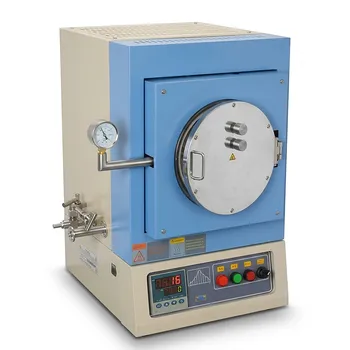
1100°C High Temperature Quartz Chamber Furnace 8 Inch OD with 7.6 Liter Capacity and Vacuum Atmosphere Capability
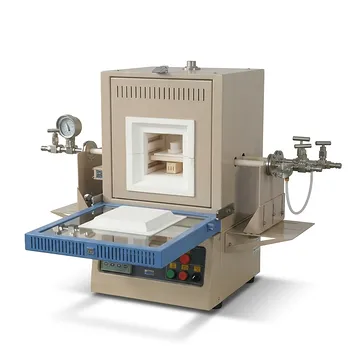
1700C Compact Hybrid Furnace with Dual Layer Box Sintering and Controlled Atmosphere Alumina Tubes
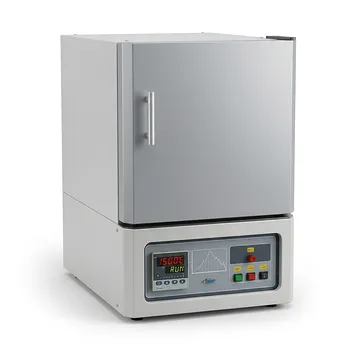
High Temperature 1500C Benchtop Muffle Furnace 3.6L Alumina Fiber Chamber Programmable Controller Sintering Annealing Carbonization Thermal Processing System
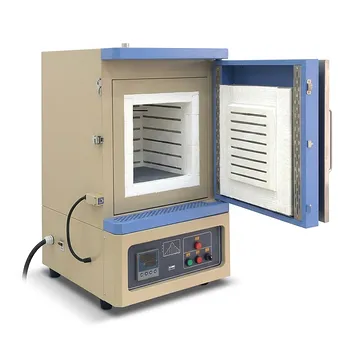
Five Side Heating Muffle Furnace High Purity Alumina Fiber 27L Chamber 1200C High Temperature Thermal Processing System for Sintering Annealing and Materials Research
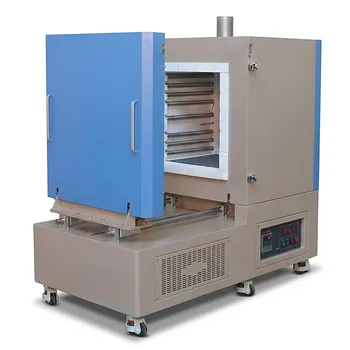
1200C Five Side Heating Muffle Furnace with Sliding Door 125L Volume High Temperature Heat Treatment System for Large Scale Sintering and Annealing
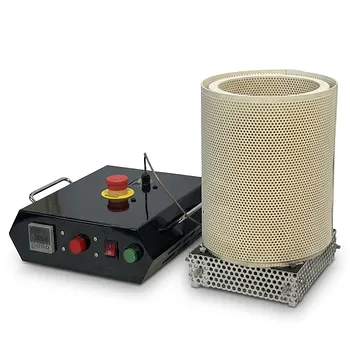
1250 C Compact Vertical Box Furnace for Glovebox Material Research Air Sensitive Samples
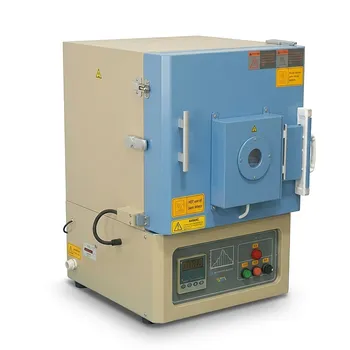
High Temperature Benchtop Muffle Furnace 1500C with 3.6L Chamber and Quartz Observation Window
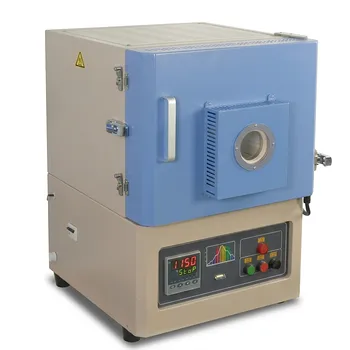
High Temperature Benchtop Muffle Furnace with Quartz Observation Window for Thermal Imaging and Material Analysis
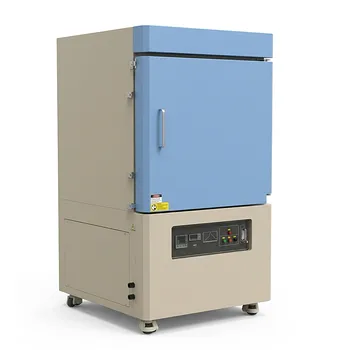
Industrial Large Box Furnace 1700C 216L High Temp Muffle Sintering System
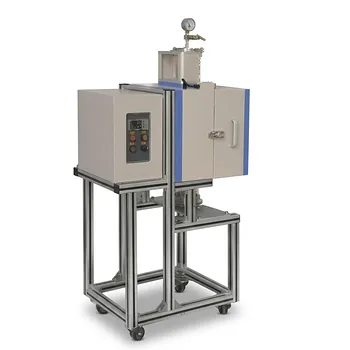
1200°C 5 Inch Vertical Quartz Tube Furnace with Stainless Steel Vacuum Flanges
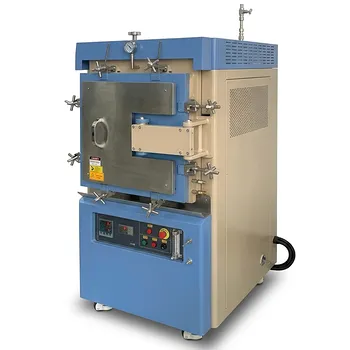
Atmosphere Controlled Muffle Furnace 1700C Maximum Temperature 80L High Capacity Vacuum Inert Gas Box Furnace
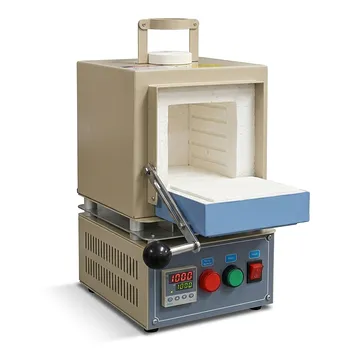
Compact 1000C Muffle Furnace with Programmable Controller and 2 Inch Top Port for Vacuum and Atmosphere Material Research