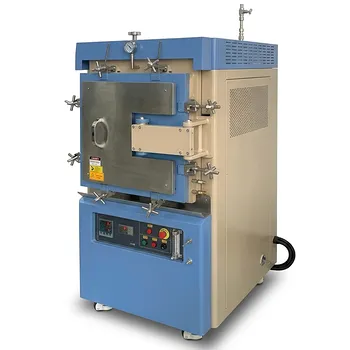
What is the function of an industrial muffle furnace in the thermal stabilization of metal-lignin complexes? Expert Guide
Updated 3 months ago
The industrial muffle furnace serves as the foundational gatekeeper for carbon material integrity by providing the precise thermal environment required to transition metal-lignin complexes into stable intermediates. This specific phase uses a controlled heating rate—typically 2.5 °C per minute—under a stable nitrogen atmosphere to facilitate preliminary dehydration and partial thermal degradation at 300 °C. By managing these early-stage reactions, the furnace prevents catastrophic thermal runaway and ensures the structural stability of the resulting carbon materials during subsequent high-temperature processing.
Core Takeaway: The primary function of an industrial muffle furnace in this context is to provide a highly regulated, inert environment that allows metal-lignin complexes to undergo controlled degradation. This stabilization step is critical for preventing structural failure and ensuring the quality of the final carbon product.
Precise Environmental Management
Controlled Heating Rates
Successful stabilization depends on extremely slow and precise temperature increments. A rate of 2.5 °C per minute allows the internal chemistry of the complex to evolve predictably, preventing the violent release of volatiles that could occur with rapid heating.
Inert Atmosphere Maintenance
The furnace maintains a stable nitrogen atmosphere to isolate the metal-lignin complex from oxygen. This prevents premature combustion (oxidation) of the organic components, allowing for thermal degradation rather than burning.
Structural and Chemical Transformation
Dehydration and Partial Degradation
At the 300 °C threshold, the muffle furnace facilitates the removal of chemically bound water and initiates the breakdown of lignin’s complex molecular chains. This creates a more robust chemical framework that can withstand the intense heat of carbonization.
Increasing Structural Stability
By inducing these changes at a lower temperature, the furnace helps cross-link molecular structures. This raises the material's tolerance for heat, ensuring it does not melt or lose its intended shape when exposed to ultra-high temperatures later in the production cycle.
Strategic Prevention of Thermal Runaway
Mitigating Exothermic Risk
Rapid chemical reactions during high-temperature processing can lead to thermal runaway, where the internal heat generated by the reaction exceeds the system's ability to dissipate it. The stabilization phase in the muffle furnace brings the material to a "steady state," neutralizing these risks early.
Ensuring Material Consistency
Without this controlled stabilization, the resulting carbon materials often suffer from structural defects or inconsistent density. The muffle furnace ensures that the transition from a metal-organic complex to a carbon-based material is homogeneous and repeatable.
Understanding the Trade-offs
Heating Rate Sensitivity
If the heating rate is increased even slightly beyond the optimal range, the risk of structural fracture increases. While slower rates improve quality, they significantly increase processing time and energy consumption, creating a tension between throughput and material integrity.
Atmosphere Purity Requirements
Any leak or impurity in the nitrogen supply can lead to partial oxidation. This not only weakens the carbon structure but can also alter the surface chemistry of the metal-lignin complex, potentially ruining its effectiveness for its intended application (such as catalyst support).
How to Apply This to Your Project
Selecting the Right Approach
When utilizing a muffle furnace for the thermal stabilization of these complexes, your operational parameters must align with your specific material goals.
- If your primary focus is maximimizing structural density: Adhere strictly to the 2.5 °C/min heating rate to ensure the most uniform molecular rearrangement.
- If your primary focus is preventing surface oxidation: Ensure the furnace chamber is thoroughly purged with nitrogen before initiating the heating cycle and maintain a positive pressure atmosphere.
- If your primary focus is preparing for ultra-high temperature carbonization: Focus on reaching the full 300 °C threshold to ensure all preliminary dehydration and partial degradation is complete.
The industrial muffle furnace is the critical tool that transforms a volatile organic complex into a robust, thermally stable precursor ready for high-performance applications.
Summary Table:
| Key Parameter | Specification/Value | Role in Stabilization |
|---|---|---|
| Heating Rate | 2.5 °C per minute | Prevents volatiles from causing structural fracture |
| Atmosphere | Stable Nitrogen (Inert) | Prevents oxidation and premature combustion |
| Target Temp | 300 °C | Facilitates dehydration and molecular cross-linking |
| Primary Goal | Thermal Stabilization | Prevents thermal runaway during high-temp processing |
| Result | Structural Integrity | Ensures homogeneous and repeatable carbon materials |
Elevate Your Advanced Material R&D with THERMUNITS
Precise thermal stabilization is the difference between structural failure and high-performance carbon materials. As a leading manufacturer of high-temperature laboratory equipment, THERMUNITS provides the exact environmental control required for sensitive processes like metal-lignin complex degradation.
Whether you need Muffle, Vacuum, Atmosphere, Tube, or Rotary furnaces, our solutions are engineered for material science excellence. We also offer specialized CVD/PECVD systems, Dental Furnaces, Vacuum Induction Melting (VIM) furnaces, and high-quality thermal elements to support your industrial R&D needs.
Ready to optimize your heat treatment process? Contact our technical experts today to find the perfect thermal processing solution for your laboratory.
References
- Qiangu Yan, Zhiyong Cai. Tuning thermal and graphitization behaviors of lignin <i>via</i> complexation with transition metal ions for the synthesis of multilayer graphene-based materials. DOI: 10.1039/d3ra05881f
Mentioned Products
- Five Side Heating Muffle Furnace 1200C High Uniformity 64L Chamber 16x16x16 Inch Industrial Heat Treatment
- Industrial Large Box Furnace 1700C 216L High Temp Muffle Sintering System
- 1200C Muffle Furnace 12x8x5 7.2L Heating Chamber with Quartz Observation Window and Vent Port
- High Temperature 1200C Muffle Furnace 27L Volume 12x12x12 Chamber with Programmable PID Controller for Laboratory Material Science
- 1200C High Temperature 125L Muffle Furnace 5 Side Heating for Large Batch Sintering with Optional Alloy Debinding Chamber
People Also Ask
- How does the heating mechanism of a muffle furnace differ from that of an open-flame furnace? Indirect vs Direct Heat
- Why is the muffle design advantageous for the production of ceramics and glass? Ensure Purity and Structural Integrity
- Why is a muffle furnace used for a 220°C preliminary baking after coating α-Fe2O3 nanorods with melamine? Explained
- What is the function of Muffle furnace calcination? Essential steps for Pr-doped SrFeMoO6 Perovskite synthesis.
- What is the function of an experimental muffle furnace in the conversion of FeOOH to α-Fe2O3? Optimize Phase Transition

Tech Team · ThermUnits
Last updated on Jun 02, 2026
Related Products
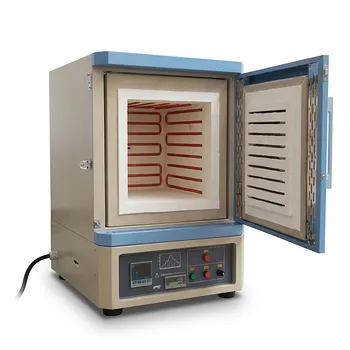
Five Side Heating Muffle Furnace 1200C High Uniformity 64L Chamber 16x16x16 Inch Industrial Heat Treatment
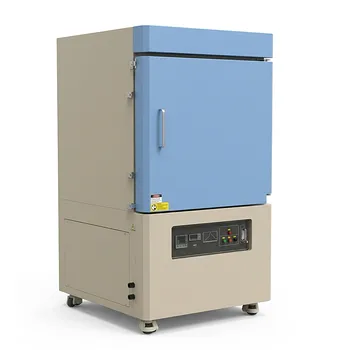
Industrial Large Box Furnace 1700C 216L High Temp Muffle Sintering System
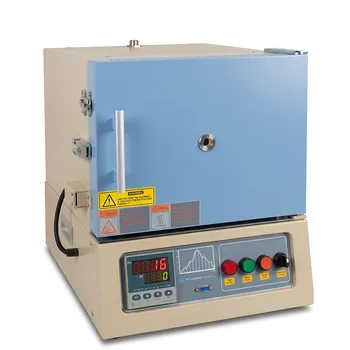
1200C Muffle Furnace 12x8x5 7.2L Heating Chamber with Quartz Observation Window and Vent Port
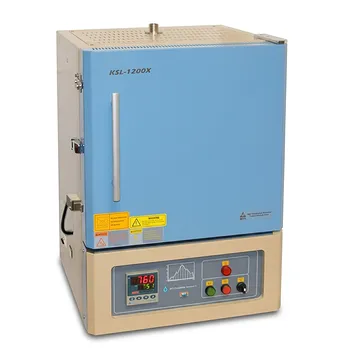
High Temperature 1200C Muffle Furnace 27L Volume 12x12x12 Chamber with Programmable PID Controller for Laboratory Material Science
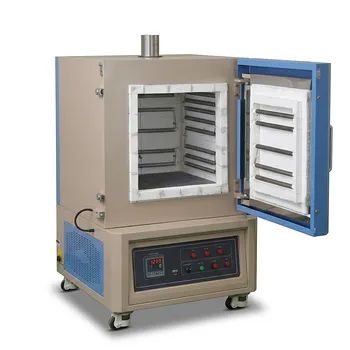
1200C High Temperature 125L Muffle Furnace 5 Side Heating for Large Batch Sintering with Optional Alloy Debinding Chamber
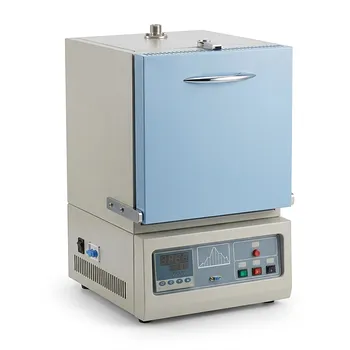
1750C Compact Muffle Furnace 1.7L Ultra High Temperature Laboratory Sintering System for Advanced Ceramics and Material Science Research
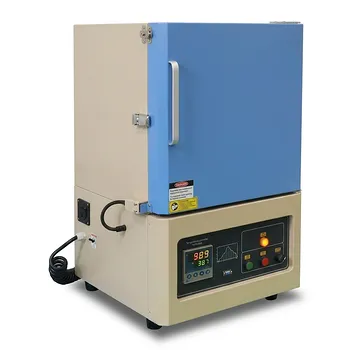
1200°C High Temperature Muffle Furnace 19L Chamber with 50 Segment Programmable Controller
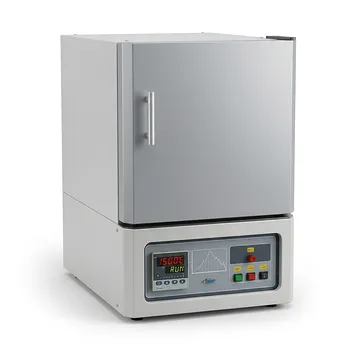
High Temperature 1500C Benchtop Muffle Furnace 3.6L Alumina Fiber Chamber Programmable Controller Sintering Annealing Carbonization Thermal Processing System
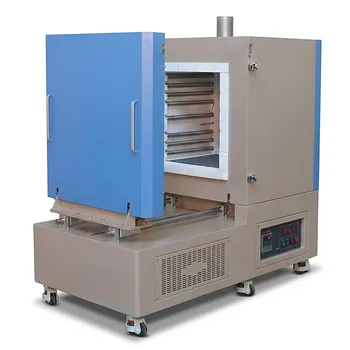
1200C Five Side Heating Muffle Furnace with Sliding Door 125L Volume High Temperature Heat Treatment System for Large Scale Sintering and Annealing
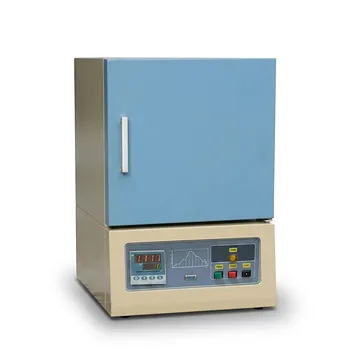
Ultra High Temperature Bench Top Muffle Furnace 1750C Sintering System with Kanthal Super Heating Elements and Precision Digital Control
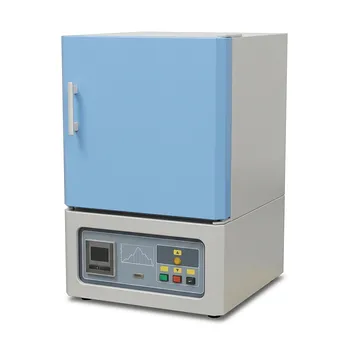
1800C Bench Top Muffle Furnace with Kanthal Super 1900 Heating Elements and 3.6L Alumina Fiber Chamber
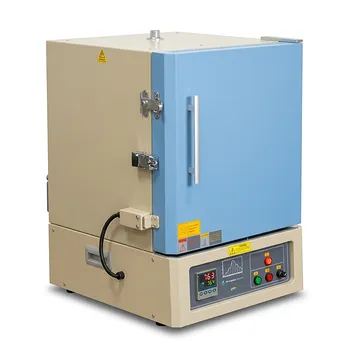
Large Capacity 1200C Muffle Furnace 64 Liter Chamber with Digital PID Controller and Built In Venting Port
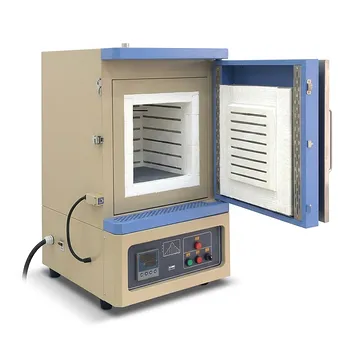
Five Side Heating Muffle Furnace High Purity Alumina Fiber 27L Chamber 1200C High Temperature Thermal Processing System for Sintering Annealing and Materials Research
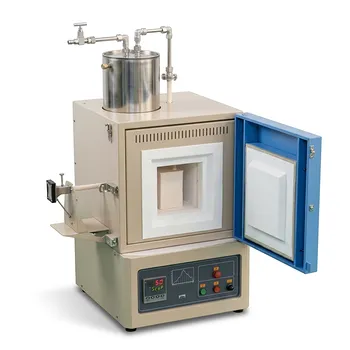
High Temperature Bench Top Muffle Furnace 1700C with Integrated Evaporating Particle Collection and 8x8x8 Alumina Fiber Chamber
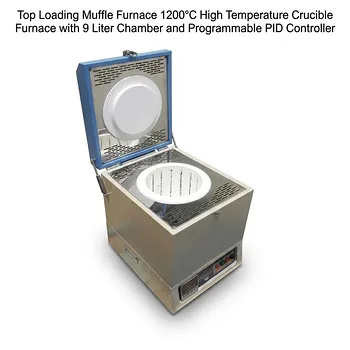
Top Loading Muffle Furnace 1200°C High Temperature Crucible Furnace with 9 Liter Chamber and Programmable PID Controller
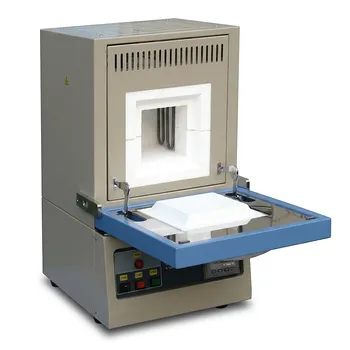
High Temperature 1800C Compact Muffle Furnace with Kanthal Super 1900 Heating Elements and 1.7L Alumina Chamber
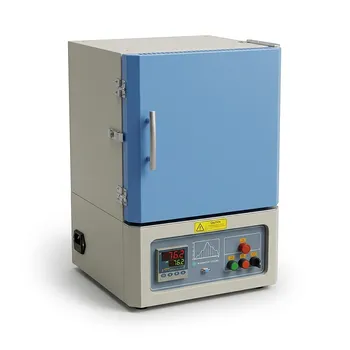
1750C Bench Top Muffle Furnace 3.6L High Grade Molybdenum Disilicide Heating Elements Laboratory Heat Treatment Equipment
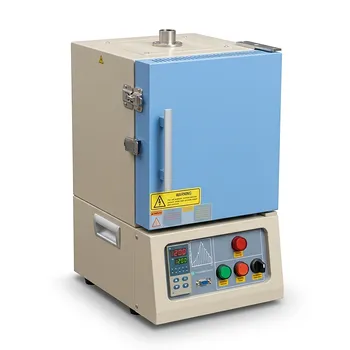
1200°C Small Box Furnace 4.2 Liter Programmable Muffle Furnace with High Purity Alumina Insulation and PID Control
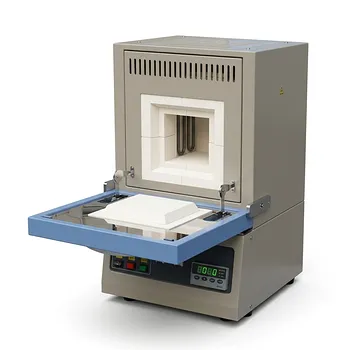
Five Sided Heating Muffle Furnace High Uniformity 1200C Lab Box Furnace 27L Alumina Fiber Chamber