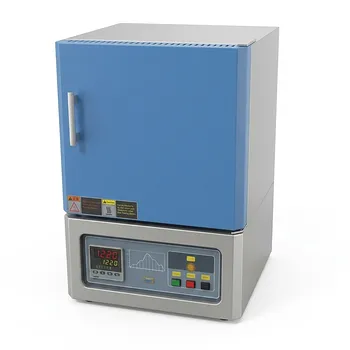
Why is sintering vital for DSSC photoanodes? Boost electron transport and adhesion with precise muffle furnace control.
Updated 3 months ago
High-temperature sintering is the critical transition that transforms a non-conductive paste into a functional electronic scaffold. This process, typically performed at 450°C, is necessary to burn off organic binders, establish inter-particle electrical contacts (sintering necks), and ensure robust mechanical adhesion between the semiconductor film and the conductive FTO glass substrate.
Core Takeaway: Sintering in a muffle furnace is the bridge between chemical deposition and electrochemical activity. It removes insulating impurities while fusing nanoparticles together to create a continuous pathway for photo-generated electrons to reach the external circuit.
Structural Transformation and Electron Transport
The Formation of Sintering Necks
The primary goal of sintering is to facilitate solid-state diffusion between individual titanium dioxide (TiO₂) nanoparticles. This creates "necks" or physical bridges that allow photo-generated electrons to move freely across the film. Without these fused connections, electrons would remain trapped within individual particles, leading to high recombination rates and zero power output.
Enhancing Substrate Adhesion
A photoanode must remain structurally stable throughout the life of the solar cell. High temperatures drive the formation of stable physicochemical bonds between the TiO₂ layer and the Fluorine-doped Tin Oxide (FTO) glass. This adhesion prevents the film from delaminating or "peeling" when exposed to liquid electrolytes or thermal stress.
Optimizing Semiconductor Crystallinity
Thermal processing drives the transition from an amorphous state to a highly ordered crystalline structure, such as the hexagonal wurtzite or anatase phases. This increased crystallinity reduces internal defects that act as electron traps. By optimizing the order of the semiconductor crystals, the furnace treatment significantly lowers charge transfer resistance.
Chemical Purification and Surface Integrity
Removal of Organic Binders and Residues
TiO₂ pastes contain organic polymers and solvents used to achieve the correct viscosity for coating. At temperatures around 350°C to 450°C, these organic components undergo calcination and are burned off. Removing these insulating residues is vital to expose the active surface area of the semiconductor for dye adsorption.
Pore Activation and Moisture Removal
The muffle furnace environment effectively removes residual moisture and volatile impurities adsorbed within the porous structure of the film. This cleaning process ensures that the subsequent dye loading occurs on a pristine surface. Clean pores allow for more uniform dye distribution, which directly enhances the light-harvesting efficiency of the cell.
Driving Solid-Phase Reactions
In advanced photoanode materials, such as perovskite-type structures, the muffle furnace provides the oxidizing environment necessary for solid-phase reactions. This facilitates the correct atomic arrangement and phase purity. High-temperature treatment ensures the material achieves the specific crystalline symmetry required for effective electrochemical activity.
Understanding the Trade-offs
The Risk of Over-Sintering
While heat is necessary for necking, excessive temperatures or prolonged sintering times can lead to grain overgrowth. If particles become too large, the total surface area available for dye attachment decreases, which reduces the current density of the DSSC. Additionally, extreme heat can increase the sheet resistance of the FTO glass, hindering overall performance.
Temperature Limits of Substrates
The choice of sintering temperature is often constrained by the thermal stability of the substrate. While ceramic electrolytes might require temperatures above 1450°C for densification, DSSC photoanodes on glass are limited to roughly 500°C. Exceeding this threshold can cause the glass to warp or the conductive coating to degrade.
Applying Sintering Protocols to Your Project
Recommendations for Process Optimization
Success in photoanode preparation depends on balancing the thermal energy required for fusion with the structural limits of your materials.
- If your primary focus is maximizing electron lifetime: Prioritize a slower ramp rate during sintering to allow for complete organic burn-off without creating structural voids.
- If your primary focus is high-volume reproducibility: Use a programmed temperature profile in the muffle furnace to ensure identical crystallinity across all batches.
- If your primary focus is using flexible substrates: Explore low-temperature chemical sintering alternatives, as standard muffle furnace temperatures will melt plastic-based conductive substrates.
Precise thermal control within the muffle furnace is the definitive factor in determining the efficiency and longevity of a dye-sensitized solar cell.
Summary Table:
| Sintering Function | Technical Benefit | Impact on DSSC Performance |
|---|---|---|
| Organic Burn-off | Removes binders and residues | Increases active area for dye loading |
| Neck Formation | Creates particle-to-particle bridges | Enables efficient electron transport |
| Substrate Adhesion | Bonds TiO₂ layer to FTO glass | Ensures structural stability and longevity |
| Crystallinity Control | Optimizes semiconductor phase | Reduces charge recombination rates |
Elevate Your Material Research with THERMUNITS
As a leading manufacturer of high-temperature laboratory equipment, THERMUNITS provides the precision heating solutions necessary for cutting-edge material science and industrial R&D. Our high-performance muffle furnaces offer the uniform temperature control required for flawless DSSC photoanode sintering, ensuring every batch meets rigorous performance standards.
Beyond muffle furnaces, our comprehensive range includes:
- Vacuum, Atmosphere, Tube, and Rotary Furnaces
- CVD/PECVD Systems for thin-film deposition
- Hot Press Furnaces and Vacuum Induction Melting (VIM)
- Specialized Dental Furnaces and Electric Rotary Kilns
Ready to optimize your heat treatment process? Contact our experts today to discuss your application and find the perfect thermal processing solution for your laboratory.
References
- Khom Narayan Chaudhary, Prakash Joshi. Carbon derived from Jute Sacks For Low-Cost and Efficient Counter Electrodes of Dye-Sensitized Solar Cells. DOI: 10.56042/ijpap.v62i10.11987
Mentioned Products
- 1200C Muffle Furnace 12x8x5 7.2L Heating Chamber with Quartz Observation Window and Vent Port
- High Temperature 1200C Muffle Furnace 27L Volume 12x12x12 Chamber with Programmable PID Controller for Laboratory Material Science
- 1750C Compact Muffle Furnace 1.7L Ultra High Temperature Laboratory Sintering System for Advanced Ceramics and Material Science Research
- 1200C High Temperature 125L Muffle Furnace 5 Side Heating for Large Batch Sintering with Optional Alloy Debinding Chamber
- Ultra High Temperature Bench Top Muffle Furnace 1750C Sintering System with Kanthal Super Heating Elements and Precision Digital Control
People Also Ask
- What is the function of an experimental muffle furnace in the conversion of FeOOH to α-Fe2O3? Optimize Phase Transition
- Why is a muffle furnace required for MoO2@HCNF pre-oxidation? Crucial Steps for High-Performance Composites
- What is the function of a high-temperature Muffle furnace in removing residual solvents? Essential Bismuth Synthesis
- What is the function of Muffle furnace calcination? Essential steps for Pr-doped SrFeMoO6 Perovskite synthesis.
- What are the primary functions of a Muffle furnace in oxide calcination? Achieve high purity and phase control.

Tech Team · ThermUnits
Last updated on Jun 02, 2026
Related Products
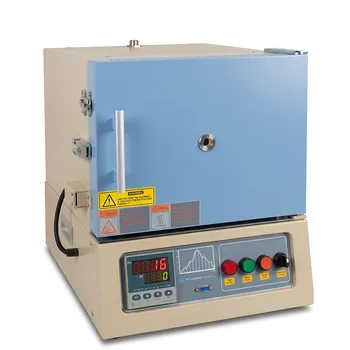
1200C Muffle Furnace 12x8x5 7.2L Heating Chamber with Quartz Observation Window and Vent Port
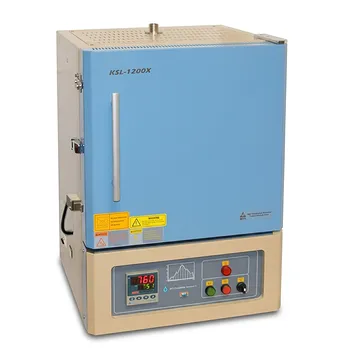
High Temperature 1200C Muffle Furnace 27L Volume 12x12x12 Chamber with Programmable PID Controller for Laboratory Material Science
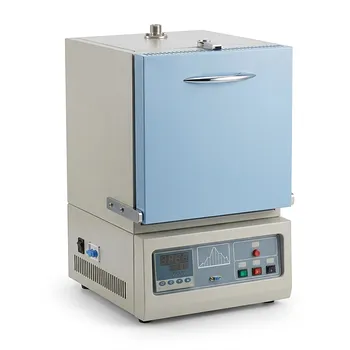
1750C Compact Muffle Furnace 1.7L Ultra High Temperature Laboratory Sintering System for Advanced Ceramics and Material Science Research
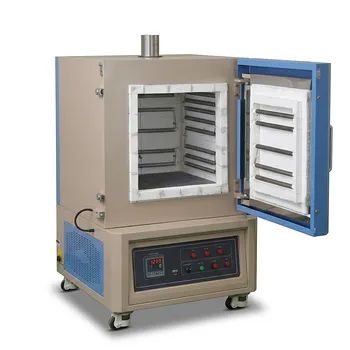
1200C High Temperature 125L Muffle Furnace 5 Side Heating for Large Batch Sintering with Optional Alloy Debinding Chamber
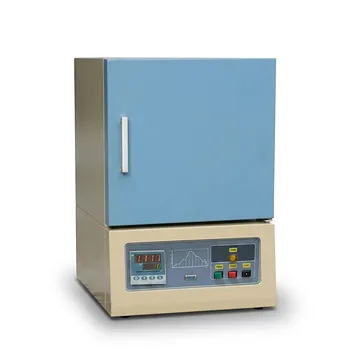
Ultra High Temperature Bench Top Muffle Furnace 1750C Sintering System with Kanthal Super Heating Elements and Precision Digital Control
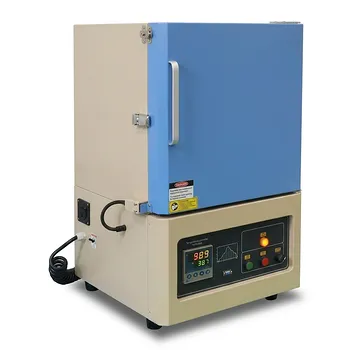
1200°C High Temperature Muffle Furnace 19L Chamber with 50 Segment Programmable Controller
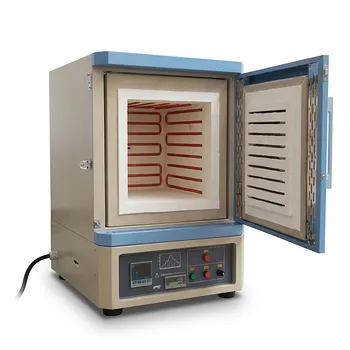
Five Side Heating Muffle Furnace 1200C High Uniformity 64L Chamber 16x16x16 Inch Industrial Heat Treatment
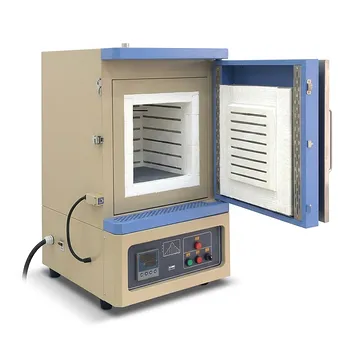
Five Side Heating Muffle Furnace High Purity Alumina Fiber 27L Chamber 1200C High Temperature Thermal Processing System for Sintering Annealing and Materials Research
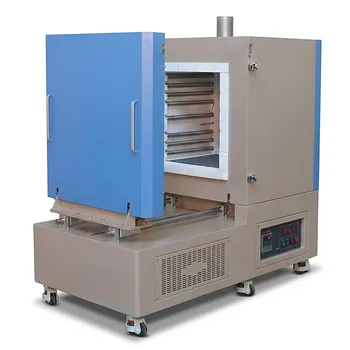
1200C Five Side Heating Muffle Furnace with Sliding Door 125L Volume High Temperature Heat Treatment System for Large Scale Sintering and Annealing
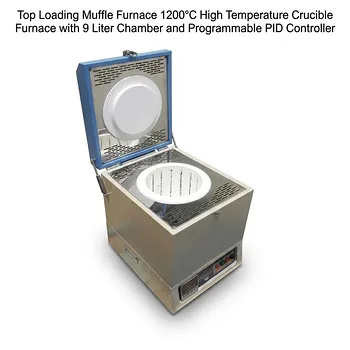
Top Loading Muffle Furnace 1200°C High Temperature Crucible Furnace with 9 Liter Chamber and Programmable PID Controller
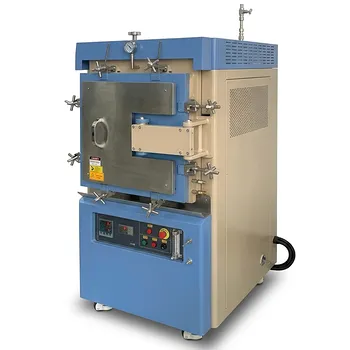
Atmosphere Controlled Muffle Furnace 1700C Maximum Temperature 80L High Capacity Vacuum Inert Gas Box Furnace
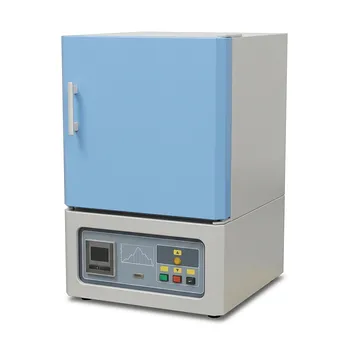
1800C Bench Top Muffle Furnace with Kanthal Super 1900 Heating Elements and 3.6L Alumina Fiber Chamber
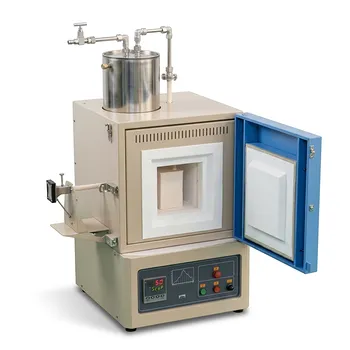
High Temperature Bench Top Muffle Furnace 1700C with Integrated Evaporating Particle Collection and 8x8x8 Alumina Fiber Chamber
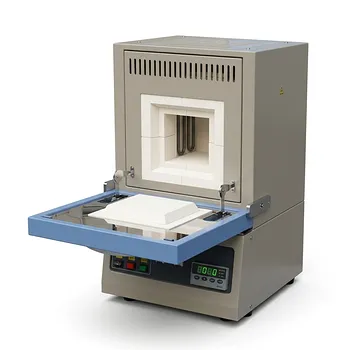
Five Sided Heating Muffle Furnace High Uniformity 1200C Lab Box Furnace 27L Alumina Fiber Chamber
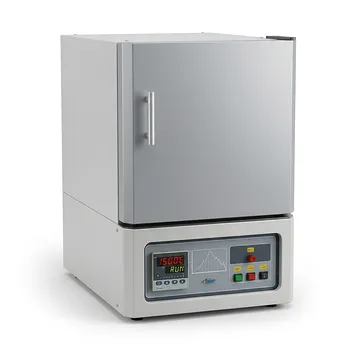
High Temperature 1500C Benchtop Muffle Furnace 3.6L Alumina Fiber Chamber Programmable Controller Sintering Annealing Carbonization Thermal Processing System
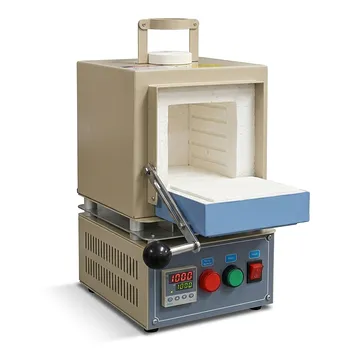
Compact 1000C Muffle Furnace with Programmable Controller and 2 Inch Top Port for Vacuum and Atmosphere Material Research
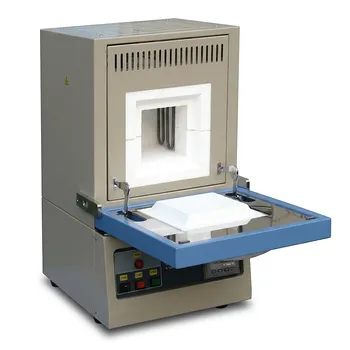
High Temperature 1800C Compact Muffle Furnace with Kanthal Super 1900 Heating Elements and 1.7L Alumina Chamber
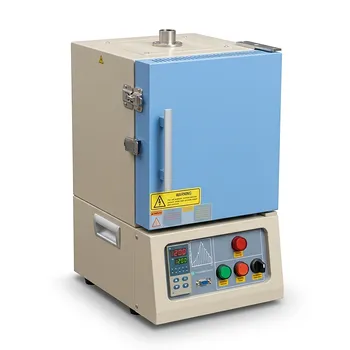
1200°C Small Box Furnace 4.2 Liter Programmable Muffle Furnace with High Purity Alumina Insulation and PID Control
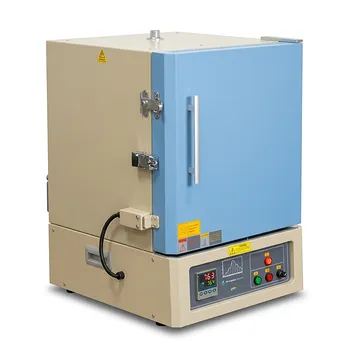
Large Capacity 1200C Muffle Furnace 64 Liter Chamber with Digital PID Controller and Built In Venting Port