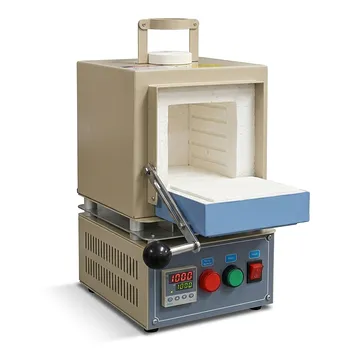
Why dry lemon peel at 150°C for activated carbon? Ensure pore integrity and synthesis safety with a muffle furnace.
Updated 3 months ago
The initial drying step at 150°C is a critical stabilization phase designed to remove both free and bound water from the lemon peel biomass while removing volatile impurities. This thermal treatment transforms the organic material into a brittle precursor suitable for grinding and, more importantly, prevents structural failure or "splashing" caused by rapid steam expansion during the subsequent high-temperature carbonization stage.
Core Takeaway: Pre-heating lemon peel at 150°C acts as a "safety and quality" gate, ensuring the biomass is physically prepared for pulverization and chemically stabilized to prevent the internal steam pressure that would otherwise collapse the developing pore structure.
Enhancing Mechanical Processing and Consistency
Achieving Optimal Particle Grind
The raw lemon peel is naturally fibrous and moist, making it difficult to process into the uniform particles required for high-quality activated carbon. Drying at 150°C embrittles the biomass, allowing it to be effectively ground into a fine, uniform powder.
Ensuring Chemical Uniformity
This step removes physically adsorbed water and certain volatile organic impurities that could interfere with the carbonization process. By establishing a consistent material state, researchers ensure that the chemical reactions occurring at higher temperatures are predictable and repeatable.
Preparation of the Carbon Matrix
Removing moisture at this lower temperature allows for the gradual contraction of the organic fibers. This prepares the initial carbon skeleton for the more rigorous dehydrogenation and deoxygenation reactions that occur during the final pyrolysis phase.
Protecting Structural Integrity During Carbonization
Mitigating Rapid Steam Evolution
If undried lemon peel is subjected directly to carbonization temperatures (often exceeding 600°C), the internal moisture flashes into steam instantly. This "explosive" evaporation can cause material splashing and physical spattering within the muffle furnace, leading to material loss and contamination.
Preserving the Porous Framework
The most critical function of this drying step is the prevention of internal steam pressure. If water remains trapped, the pressure generated during high-heat activation can cause the nascent microporous network to collapse, significantly reducing the final material's surface area.
Strengthening the Precursor Stability
By removing bound water before the chemical activation agents (like Zinc Chloride) are introduced or activated, the precursor remains thermally stable. This stability is essential for the even etching and stripping of the carbon surface, which is what ultimately creates the high adsorption performance of the final product.
Understanding the Trade-offs
Time and Energy Requirements
Maintaining a muffle furnace at 150°C for extended periods (often up to 8 hours) represents a significant energy expenditure. While essential for quality, this step adds substantial time to the overall synthesis timeline compared to flash-drying methods.
Risk of Surface Oxidation
In an oxygen-rich environment, drying at 150°C for too long may lead to premature surface oxidation. While some oxygen removal is desired, excessive oxidation at this stage can occasionally alter the surface chemistry in ways that might affect the grafting of specific functional groups later.
How to Apply This to Your Project
Recommendations for Synthesis
The necessity of this step depends on your final requirements for porosity and particle size. Follow these guidelines based on your specific research goals:
- If your primary focus is Maximum Surface Area: Ensure the drying step is complete and verified by weight stability to prevent steam-induced pore collapse during activation.
- If your primary focus is Material Uniformity: Prioritize the embrittlement aspect of the drying process to ensure your starting powder has a consistent mesh size before carbonizing.
- If your primary focus is Operational Safety: Never skip this step; removing moisture is the primary way to prevent "splashing" incidents that can damage furnace heating elements.
Proper thermal pre-treatment at 150°C is the foundation of high-performance activated carbon synthesis, balancing physical grindability with structural preservation.
Summary Table:
| Process Phase | Temperature | Objective | Key Benefit |
|---|---|---|---|
| Initial Drying | 150°C | Remove free/bound water & volatiles | Prevents material splashing & pore collapse |
| Mechanical Prep | Ambient | Grinding/Pulverization | Ensures uniform particle size & surface area |
| Carbonization | >600°C | Pyrolysis & Pore Activation | Develops the final high-adsorption framework |
Optimize Your Material Synthesis with THERMUNITS Precision
Achieving the perfect porous structure in activated carbon requires rigorous temperature control. THERMUNITS is a leading manufacturer of high-temperature laboratory equipment specifically designed for material science and industrial R&D.
Whether you need precise 150°C stabilization or high-heat carbonization, our comprehensive range of thermal solutions—including Muffle, Vacuum, Atmosphere, Tube, and Rotary furnaces—delivers the uniformity and reliability your research demands. From CVD/PECVD systems to vacuum induction melting, we provide the tools to push the boundaries of heat treatment.
Ready to enhance your lab's efficiency and product quality?
Contact our technical experts today to find the ideal furnace solution for your specific application.
References
- M. S. Michael, K. Surya. Feasibility study on conversion of biowaste of lemon peel into carbon electrode for supercapacitor using ZnCl2 as an activating agent. DOI: 10.1007/s40243-024-00273-8
Mentioned Products
- 1750C Compact Muffle Furnace 1.7L Ultra High Temperature Laboratory Sintering System for Advanced Ceramics and Material Science Research
- 1200C Muffle Furnace 12x8x5 7.2L Heating Chamber with Quartz Observation Window and Vent Port
- High Temperature 1200C Muffle Furnace 27L Volume 12x12x12 Chamber with Programmable PID Controller for Laboratory Material Science
- 1750C Bench Top Muffle Furnace 3.6L High Grade Molybdenum Disilicide Heating Elements Laboratory Heat Treatment Equipment
- 1200°C High Temperature Muffle Furnace 19L Chamber with 50 Segment Programmable Controller
People Also Ask
- What role does a laboratory high-temperature muffle furnace play in the ash analysis phase of biomass co-firing research? [Guide]
- What is the function of a high-temp muffle furnace in Ni-V oxide synthesis? Optimize your material's performance.
- What role does a high-temperature muffle furnace play in the synthesis of Melem precursors? Precision Polymerization.
- What is the function of a high-temperature muffle furnace in phosphorus-modified zeolite catalyst preparation?
- What is the function of a muffle furnace in aluminoborosilicate glass prep? Stabilize Raw Materials for Superior Purity

Tech Team · ThermUnits
Last updated on Jun 03, 2026
Related Products
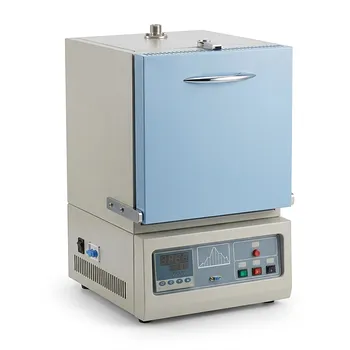
1750C Compact Muffle Furnace 1.7L Ultra High Temperature Laboratory Sintering System for Advanced Ceramics and Material Science Research
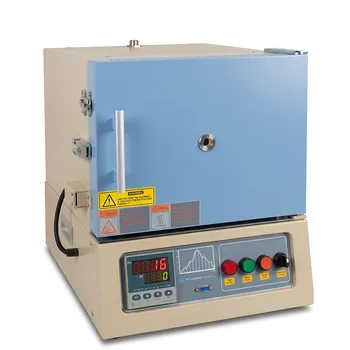
1200C Muffle Furnace 12x8x5 7.2L Heating Chamber with Quartz Observation Window and Vent Port
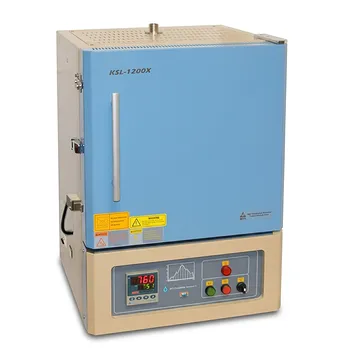
High Temperature 1200C Muffle Furnace 27L Volume 12x12x12 Chamber with Programmable PID Controller for Laboratory Material Science
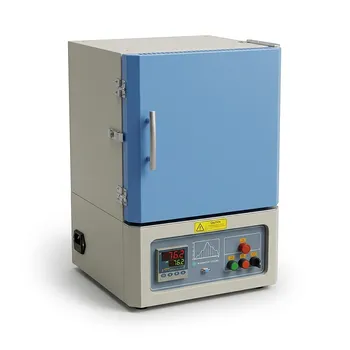
1750C Bench Top Muffle Furnace 3.6L High Grade Molybdenum Disilicide Heating Elements Laboratory Heat Treatment Equipment
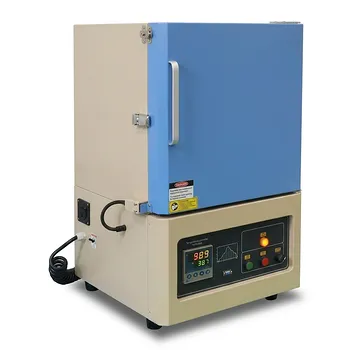
1200°C High Temperature Muffle Furnace 19L Chamber with 50 Segment Programmable Controller
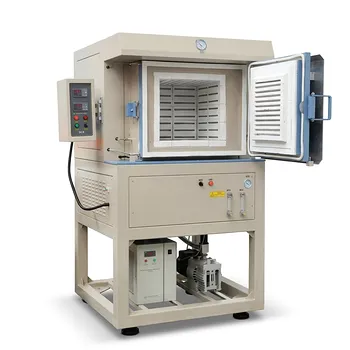
1200°C Five Side Heating Atmosphere Controlled Muffle Furnace 64 Liter High Uniformity Box Furnace for Material Synthesis
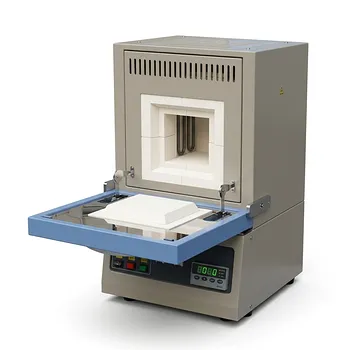
Five Sided Heating Muffle Furnace High Uniformity 1200C Lab Box Furnace 27L Alumina Fiber Chamber
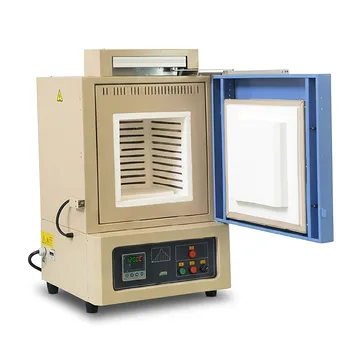
1200C High Temperature Muffle Furnace with Motorized Door and Automated PC Control for Industrial Sintering and Material Processing 27 Liter
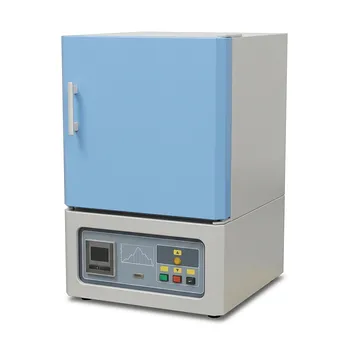
1800C Bench Top Muffle Furnace with Kanthal Super 1900 Heating Elements and 3.6L Alumina Fiber Chamber
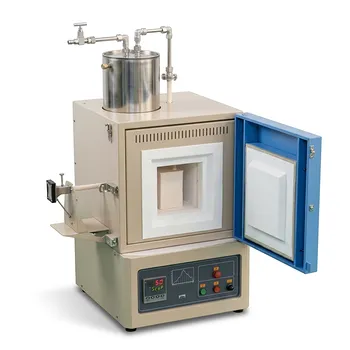
High Temperature Bench Top Muffle Furnace 1700C with Integrated Evaporating Particle Collection and 8x8x8 Alumina Fiber Chamber
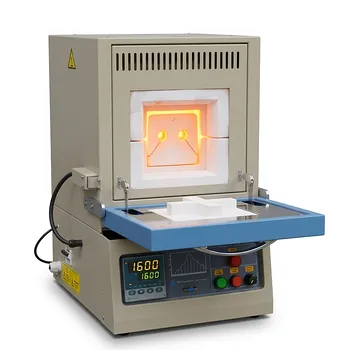
High Temperature Compact Muffle Furnace 1700 C with 30 Segment Programmable Controller and 1.7L Cubic Chamber
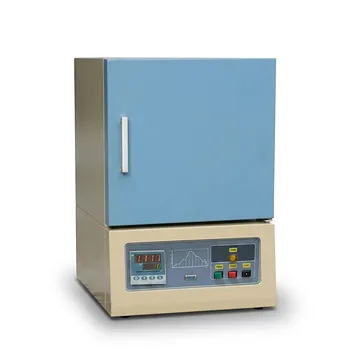
Ultra High Temperature Bench Top Muffle Furnace 1750C Sintering System with Kanthal Super Heating Elements and Precision Digital Control
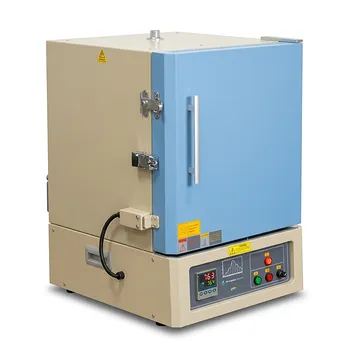
Large Capacity 1200C Muffle Furnace 64 Liter Chamber with Digital PID Controller and Built In Venting Port
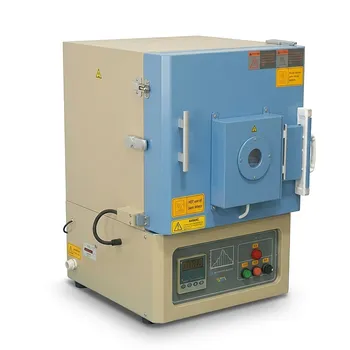
High Temperature Benchtop Muffle Furnace 1500C with 3.6L Chamber and Quartz Observation Window
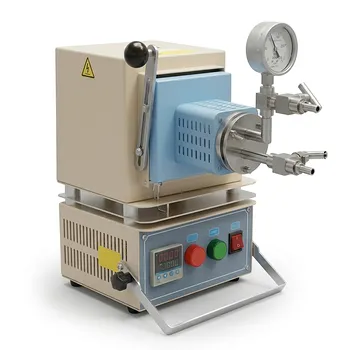
Compact Hybrid Muffle and Tube Furnace for 1000C Controlled Atmosphere Laboratory Material Sintering
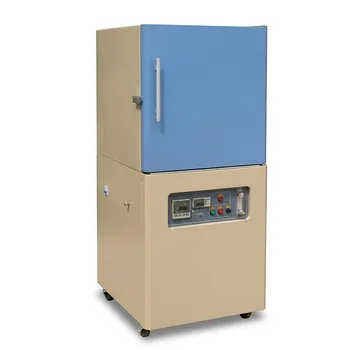
High Temperature Muffle Furnace with Dual Controllers and 36L Large Chamber 1700C Max
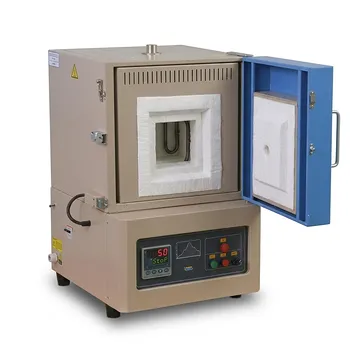
1800°C Bench Top Ultra High Temperature Muffle Furnace with Sapphire Observation Window and Top Feeding Port for Materials Research and Thermal Processing
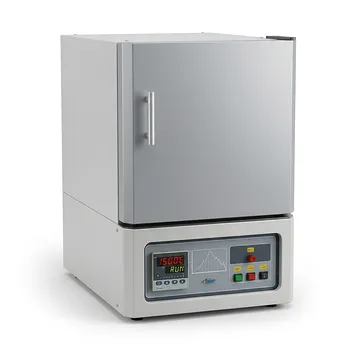
High Temperature 1500C Benchtop Muffle Furnace 3.6L Alumina Fiber Chamber Programmable Controller Sintering Annealing Carbonization Thermal Processing System
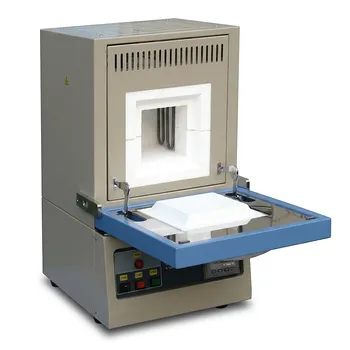
High Temperature 1800C Compact Muffle Furnace with Kanthal Super 1900 Heating Elements and 1.7L Alumina Chamber