What is the primary function of a thermoelectric element in thermal processing systems? Precision Heat Management
Updated 5 months ago
Thermoelectric elements are solid-state energy converters that serve as the bridge between thermal and electrical energy. These devices function by either converting heat directly into electricity or by utilizing electrical energy to create a controlled temperature difference. Because they operate without moving parts or fluids, they provide a highly reliable method for precise temperature management or energy harvesting within thermal processing systems.
Thermoelectric elements act as reversible solid-state heat pumps or power generators, enabling precise thermal control and waste-heat recovery without the mechanical complexity of traditional systems.
The Dual Nature of Thermoelectric Conversion
Functioning as a Solid-State Heat Pump
In many thermal processing systems, these elements are used to move heat from one side of the device to the other when an electric current is applied. This allows for localized cooling or heating of specific components with high precision.
Functioning as a Power Generator
Conversely, when a temperature gradient is applied across the element, it generates an electric current. This makes them ideal for scavenging waste heat from industrial processes and converting it into usable electrical power.
Fundamental Reversibility
A defining characteristic of these elements is their inherent reversibility. The same physical component can switch between heating, cooling, and power generation depending on the operational requirements of the system.
Key Advantages in Thermal Processing
Elimination of Moving Parts
Unlike traditional refrigeration cycles, thermoelectric elements do not require compressors, fans, or pumps to move heat. This lack of moving parts significantly reduces mechanical wear and increases the operational lifespan of the system.
Fluid-Free Operation
These devices do not rely on refrigerants or specialized fluids to transfer energy. This eliminates the risk of leaks and makes them an environmentally friendly alternative for sensitive processing environments.
Precision and Responsiveness
Because the heat transfer rate is directly proportional to the applied current, these elements allow for extremely fine-tuned temperature control. They can respond almost instantaneously to changes in electrical input, maintaining tight thermal tolerances.
Understanding the Trade-offs
Efficiency Limitations
While highly reliable, thermoelectric elements are generally less energy-efficient than traditional vapor-compression systems for large-scale cooling. They are best suited for applications where precision and reliability outweigh raw cooling capacity.
Thermal Management of the Device
To function effectively as a cooler, the "hot side" of the thermoelectric element must be efficiently managed. If the waste heat is not properly dissipated via a heat sink, the device can overheat, reducing its effectiveness or causing failure.
Applying Thermoelectric Technology to Your System
Selecting the Right Approach for Your Goal
To maximize the utility of thermoelectric elements, you must align their function with your specific thermal objectives.
- If your primary focus is precise temperature stability: Use the element as a heat pump to provide rapid, localized thermal corrections for sensitive electronics or chemical reactions.
- If your primary focus is industrial sustainability: Deploy the elements as power generators to reclaim energy from high-temperature exhaust or waste-heat streams.
- If your primary focus is system miniaturization: Leverage the solid-state nature of these devices to eliminate bulky compressors and piping in compact equipment designs.
These versatile elements offer a maintenance-free and highly controllable solution for the most demanding thermal challenges.
Summary Table:
| Function | Operational Principle | Key Advantage |
|---|---|---|
| Solid-State Heat Pump | Electrical energy creates temperature difference | Precise localized cooling & heating |
| Power Generator | Temperature gradient creates electrical energy | Efficient industrial waste-heat recovery |
| Solid-State Design | No moving parts or specialized fluids | Zero maintenance & high reliability |
| Thermal Control | Current-proportional heat transfer | Rapid response & tight thermal tolerances |
Optimize Your Thermal Performance with THERMUNITS Experts
As a leading manufacturer of high-temperature laboratory equipment for material science and industrial R&D, THERMUNITS offers the precision and reliability your research requires. We provide a comprehensive range of thermal processing solutions tailored to your specific needs, including:
- High-Temperature Furnaces: Muffle, Vacuum, Atmosphere, Tube, Rotary, and Hot Press furnaces.
- Advanced Systems: CVD/PECVD systems, Dental Furnaces, and Vacuum Induction Melting (VIM) furnaces.
- Industrial Kilns: Electric rotary kilns and high-performance Thermal Elements.
Contact us today to discover how our industry-leading technology can enhance your laboratory's efficiency and material processing results.
Mentioned Products
- Molybdenum Disilicide MoSi2 Thermal Elements Electric Furnace Heating Element High Temperature Resistance
- Silicon Carbide SiC Thermal Heating Elements for Industrial Electric Furnaces
- High Temperature Benchtop Muffle Furnace 1700C 10L Chamber Alumina Fiber Insulation MoSi2 Heating Elements
- 1750C Bench Top Muffle Furnace 3.6L High Grade Molybdenum Disilicide Heating Elements Laboratory Heat Treatment Equipment
- High Temperature Bench Top Muffle Furnace 1700C with Integrated Evaporating Particle Collection and 8x8x8 Alumina Fiber Chamber
People Also Ask
- What role do MoSi2 heating elements play in high-temperature smelting? Precision for Ferronickel & Slag Research
- Why is the selection of high-performance thermal elements critical for high-temperature testing? Ensure Data Integrity.
- How do electric thermal elements compare to combustion-based heating systems? Maximize Your Lab's Energy Efficiency
- What are the primary functions of an electric resistance furnace? Enhancing Precision in Industrial Thermal Processing
- How do optimized control schemes for electric resistance furnaces ensure accuracy? Enhance Heat Treatment Stability.

Tech Team · ThermUnits
Last updated on Apr 14, 2026
Related Products
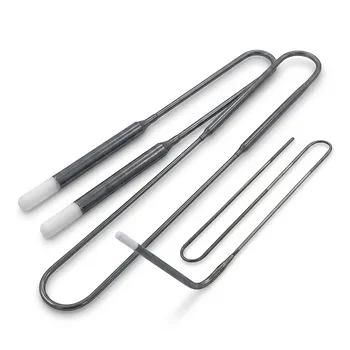
Molybdenum Disilicide MoSi2 Thermal Elements Electric Furnace Heating Element High Temperature Resistance
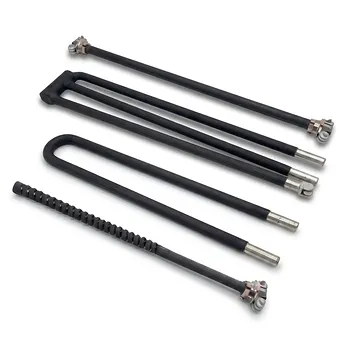
Silicon Carbide SiC Thermal Heating Elements for Industrial Electric Furnaces
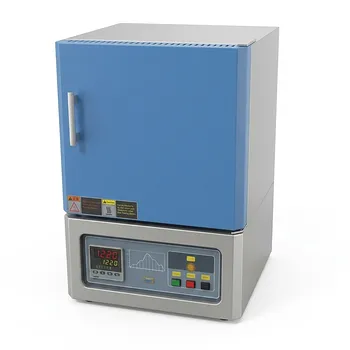
High Temperature Benchtop Muffle Furnace 1700C 10L Chamber Alumina Fiber Insulation MoSi2 Heating Elements
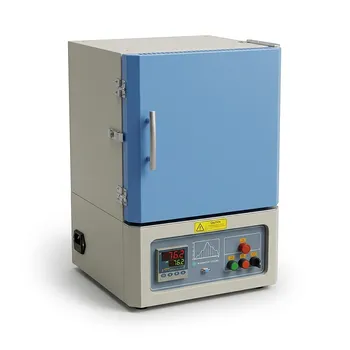
1750C Bench Top Muffle Furnace 3.6L High Grade Molybdenum Disilicide Heating Elements Laboratory Heat Treatment Equipment
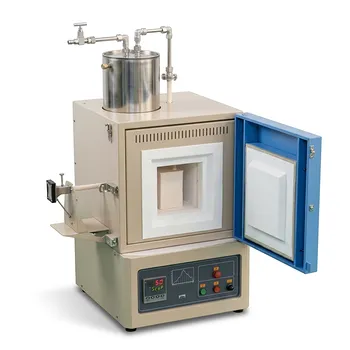
High Temperature Bench Top Muffle Furnace 1700C with Integrated Evaporating Particle Collection and 8x8x8 Alumina Fiber Chamber