What role do MoSi2 heating elements play in high-temperature smelting? Precision for Ferronickel & Slag Research
Updated 3 months ago
Molybdenum Disilicide (MoSi2) heating elements serve as the primary thermal engine for ferronickel and slag smelting experiments, providing the sustained temperatures of 1550°C and above required for material phase transitions. These elements are critical because they maintain a high-precision, isothermal environment that ensures slag remains fully molten for viscosity measurements and chemical equilibrium studies. Their ability to operate reliably in oxidizing atmospheres for extended periods makes them the standard for high-temperature metallurgical research.
Core Takeaway: MoSi2 heating elements enable precise metallurgical experimentation by forming a self-protecting quartz glass layer that allows for stable, long-term operation at ultra-high temperatures (up to 1900 K) without degrading.
The Mechanism of High-Temperature Oxidation Resistance
The Formation of the Protective Quartz Film
At high temperatures, MoSi2 elements react with oxygen to form a dense quartz glass (SiO2) protective layer on their surface. This glass film acts as a barrier, preventing further oxidation of the underlying material and allowing the element to survive in extreme environments.
Stability in Oxidizing Atmospheres
This self-healing quartz layer is what grants these elements their exceptional thermal stability in oxidizing conditions. Unlike other metallic elements that might scale or fail, MoSi2 thrives at the 1550°C threshold required for ferronickel smelting.
Longevity and Service Life
Because the protective layer regenerates, these elements offer a long service life even when subjected to continuous heating. This reliability is essential for experiments that require weeks of constant temperature to reach chemical equilibrium.
Ensuring Precision in Smelting and Slag Analysis
Achieving Isothermal Equilibrium
MoSi2 elements provide a stable thermal output and fast heating rates, creating a constant temperature zone that can be controlled within a precision of +/- 2 K. This level of accuracy is vital for measuring thermodynamic parameters, such as the activity coefficients in complex slag systems.
Maintaining the Liquid State
In ferronickel and synthetic slag research, the elements provide the thermal energy necessary to maintain both the slag pool and the metal pool in a fully liquid state. This is a prerequisite for accurately measuring physical properties like viscosity and facilitating oxidation-desulfurization reactions.
Reproducibility of Experimental Data
The consistent thermal field produced by MoSi2 elements ensures that reactions between the metal and slag reach chemical equilibrium. Without this stability, data regarding heavy metal migration or alloy composition would lack the reproducibility required for scientific validation.
Understanding the Trade-offs and Limitations
Brittleness and Handling
MoSi2 is a ceramic-like material, meaning it is extremely brittle at room temperature and susceptible to mechanical shock. Researchers must handle these elements with extreme care during installation to avoid fractures.
The "Pest" Oxidation Range
While MoSi2 excels at high temperatures, it can undergo rapid disintegration (often called "pesting") at lower temperatures, typically between 400°C and 700°C. This occurs if the element is held in this specific range for too long, as the protective quartz layer does not form effectively at lower temperatures.
Atmosphere Sensitivity
Although they are optimized for oxidizing environments, their performance can vary in reducing or vacuum atmospheres. In these conditions, the protective quartz layer may break down, significantly shortening the element's lifespan compared to its performance in air.
Making the Right Choice for Your Goal
To maximize the effectiveness of MoSi2 heating elements in a laboratory or industrial setting, consider the following recommendations:
- If your primary focus is viscosity measurements: Prioritize MoSi2 elements to ensure a steady-state molten slag bath at a constant 1550°C, which is necessary for fluid dynamic accuracy.
- If your primary focus is thermodynamic equilibrium: Utilize high-precision controllers with MoSi2 elements to take advantage of the +/- 2 K thermal stability required for calculating activity coefficients.
- If your primary focus is long-term isothermal holding: Ensure the furnace remains in an oxidizing atmosphere to allow the self-healing quartz film to protect the elements over weeks of continuous operation.
- If your primary focus is rapid heating cycles: Monitor the ramp-up phase carefully to minimize the time spent in the 400°C–700°C "pest" oxidation range to prevent premature element failure.
By leveraging the unique self-protecting properties of Molybdenum Disilicide, researchers can achieve the extreme, stable temperatures necessary to unlock the complex chemistry of ferronickel alloys and slag.
Summary Table:
| Feature | Benefit for Smelting & Slag Research | Key Technical Consideration |
|---|---|---|
| 1550°C+ Capability | Maintains slag/metal in liquid state for viscosity analysis | Ideal for oxidizing atmospheres |
| Thermal Stability | Provides +/- 2 K precision for thermodynamic equilibrium | Crucial for activity coefficient data |
| Quartz Film Layer | Self-healing protection for long-term continuous operation | Element service life is maximized in air |
| Material Properties | Rapid heating rates for efficient experimental cycles | Brittle at room temp; avoid 400°C-700°C range |
Elevate Your Metallurgical Research with THERMUNITS
Achieving precise, isothermal conditions at 1550°C+ is critical for ferronickel and slag analysis. THERMUNITS is a leading manufacturer specializing in high-performance thermal processing solutions for material science and industrial R&D.
Our comprehensive range—including Muffle, Vacuum, Atmosphere, Tube, Rotary, and Hot Press furnaces, as well as CVD/PECVD systems and high-quality Thermal Elements—is engineered to meet the rigorous demands of laboratory heat treatment. Whether you are conducting viscosity measurements or chemical equilibrium studies, our equipment ensures the stability and reproducibility your data requires.
Ready to optimize your high-temperature smelting experiments?
Contact THERMUNITS today to discover how our advanced furnace solutions can enhance your laboratory's capabilities.
References
- Erdenebold Urtnasan, Jei‐Pil Wang. Artificial Slags with Modulated Properties for Controlled Nickel Dissolution in Smelting Process. DOI: 10.1007/s12666-024-03304-0
Mentioned Products
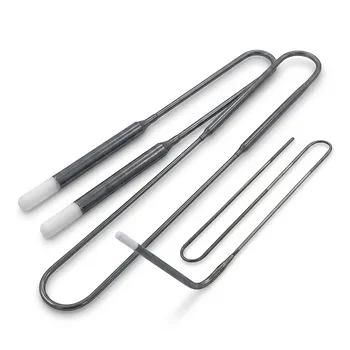
- Molybdenum Disilicide MoSi2 Thermal Elements Electric Furnace Heating Element High Temperature Resistance
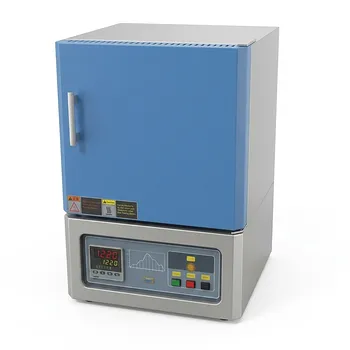
- High Temperature Benchtop Muffle Furnace 1700C 10L Chamber Alumina Fiber Insulation MoSi2 Heating Elements
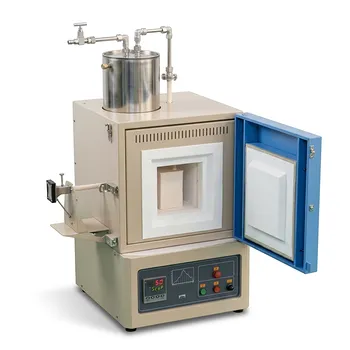
- High Temperature Bench Top Muffle Furnace 1700C with Integrated Evaporating Particle Collection and 8x8x8 Alumina Fiber Chamber
- Hybrid High Temperature Tube and Box Furnace 1700C with 2 Inch Alumina Tube for Material Research
- 1750C Bench Top Muffle Furnace 3.6L High Grade Molybdenum Disilicide Heating Elements Laboratory Heat Treatment Equipment
People Also Ask
- Why is the selection of high-performance thermal elements critical for high-temperature testing? Ensure Data Integrity.
- How do electric thermal elements compare to combustion-based heating systems? Maximize Your Lab's Energy Efficiency
- What role do thermocouples play in furnace closed-loop systems? Essential Feedback for Precision
- How do actuators and heaters in an electric resistance furnace respond to control commands? Optimizing Heat Accuracy
- Why Evaluate Furnace Control Saturation Limits? Achieve Stable Heat Treatment and Protect Your Hardware

Tech Team · ThermUnits
Last updated on Jun 03, 2026
Related Products
Molybdenum Disilicide MoSi2 Thermal Elements Electric Furnace Heating Element High Temperature Resistance
High Temperature Benchtop Muffle Furnace 1700C 10L Chamber Alumina Fiber Insulation MoSi2 Heating Elements
High Temperature Bench Top Muffle Furnace 1700C with Integrated Evaporating Particle Collection and 8x8x8 Alumina Fiber Chamber
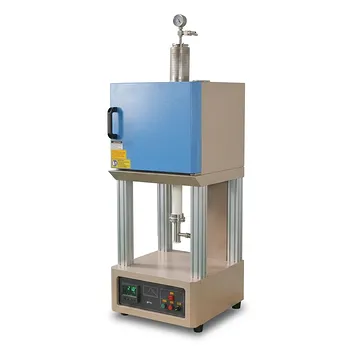
Hybrid High Temperature Tube and Box Furnace 1700C with 2 Inch Alumina Tube for Material Research
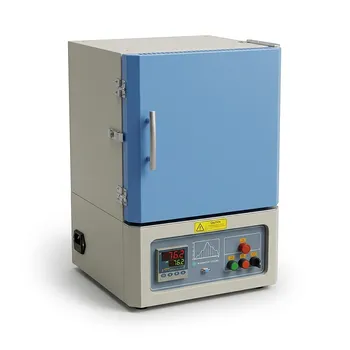
1750C Bench Top Muffle Furnace 3.6L High Grade Molybdenum Disilicide Heating Elements Laboratory Heat Treatment Equipment
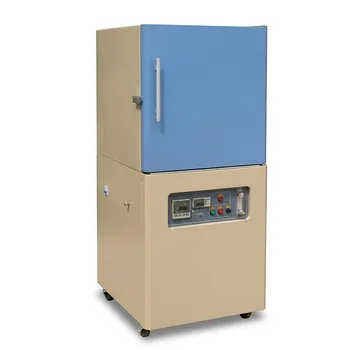
High Temperature Muffle Furnace with Dual Controllers and 36L Large Chamber 1700C Max
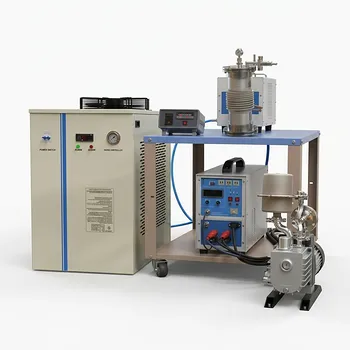
Induction Heating System with Temperature Control for High Temperature Vacuum Sintering and Melting
Silicon Carbide SiC Thermal Heating Elements for Industrial Electric Furnaces
1800C Bench Top Muffle Furnace 18 Liters with Kanthal Super 1900 Heating Elements for High Purity Ceramic Sintering and Material Research
High Temperature Mini Induction Heating Furnace 1600C Laboratory Material Melting System
Ultra High Temperature Bench Top Muffle Furnace 1750C Sintering System with Kanthal Super Heating Elements and Precision Digital Control
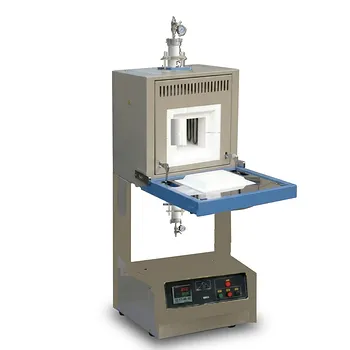
High Temperature Vertical Hybrid Furnace with Alumina Tube and SiC Heating for SOFC Coin Cell Testing and Atmosphere Processing
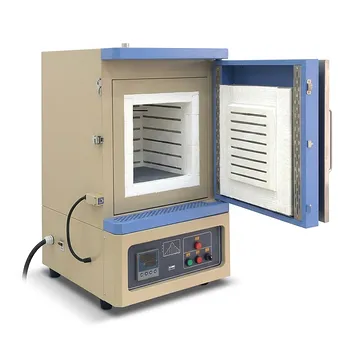
Five Side Heating Muffle Furnace High Purity Alumina Fiber 27L Chamber 1200C High Temperature Thermal Processing System for Sintering Annealing and Materials Research
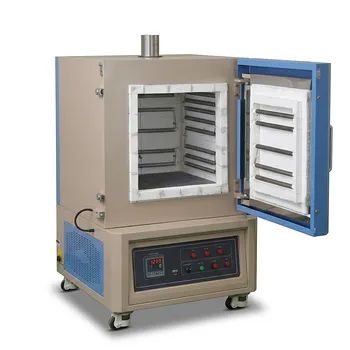
1200C High Temperature 125L Muffle Furnace 5 Side Heating for Large Batch Sintering with Optional Alloy Debinding Chamber
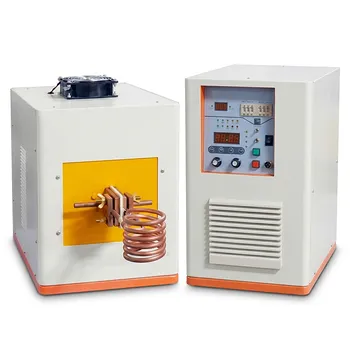
30KW High Frequency Induction Heater for Metal Melting and Industrial Heat Treatment 80-200kHz
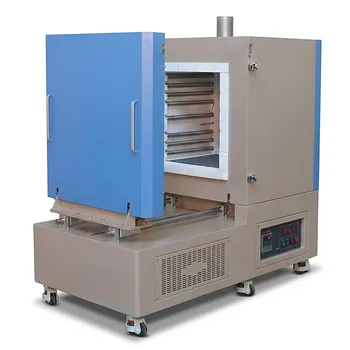
1200C Five Side Heating Muffle Furnace with Sliding Door 125L Volume High Temperature Heat Treatment System for Large Scale Sintering and Annealing
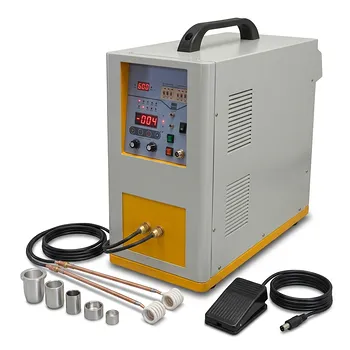
Desktop High Frequency Induction Heater 6KW 100-500kHz for Precision Metal Melting and Heat Treatment
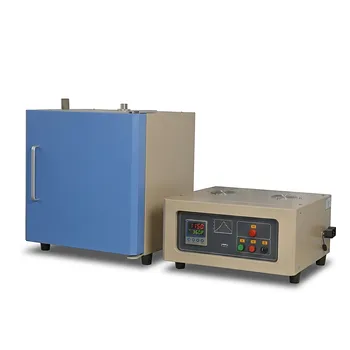
High Temperature Muffle Furnace with Alloy Chamber for Debinding and Sintering Applications
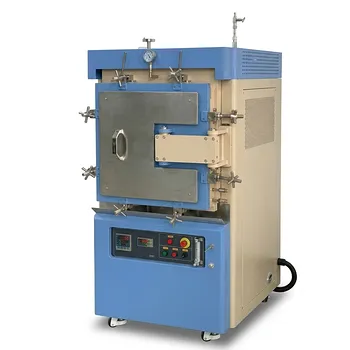
High Temperature Economic Hydrogen Gas Box Furnace 1600C Atmosphere Controlled Thermal Processing System 65L Capacity