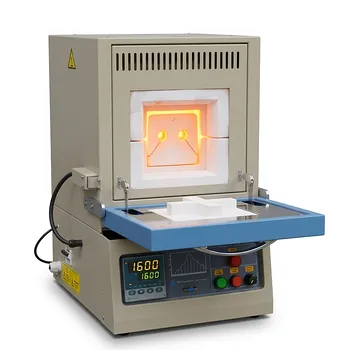
What are the primary functions of an electric resistance furnace? Enhancing Precision in Industrial Thermal Processing
Updated 3 months ago
Electric resistance furnaces serve as the backbone of high-precision thermal processing in modern industrial manufacturing. Their primary functions include the controlled smelting of raw materials, the facilitation of liquid-phase separation, and the precise regulation of chemical and physical properties in metals, alloys, and glass. By converting electrical energy into stable heat, these furnaces provide the specific high-temperature environments—often reaching up to 1600°C—required for complex material transformations.
The electric resistance furnace is a critical thermal processing unit that transforms raw materials into high-value products through precise temperature regulation. It enables efficient smelting and the separation of distinct material phases, directly determining the yield, energy efficiency, and quality of the final output.
Core Functionality: Precision Thermal Regulation
Shaping Material Properties
The furnace acts as a controlled environment where the physical and chemical properties of a material are dictated by specific temperature profiles. Precise heat application ensures that alloys and glass achieve the desired strength, durability, and molecular structure. Without this level of control, manufacturers cannot guarantee the consistency required for high-performance industrial components.
Optimizing Production Yield
Thermal stability is directly linked to the economic efficiency of a manufacturing plant. By maintaining a constant temperature, the furnace reduces material waste and ensures that a higher percentage of raw input meets quality standards. This precision also contributes to overall energy efficiency, as it prevents the over-consumption of power caused by fluctuating thermal cycles.
Advanced Processing: Smelting and Phase Separation
Reaching Extreme Temperature Thresholds
Industrial vertical resistance furnaces are specifically engineered to reach temperatures as high as 1600°C. This capability is essential for the final smelting of pre-reduction products, such as metallic iron. At these temperatures, materials that are solid at room temperature transition into a completely molten state, allowing for further chemical processing.
Facilitating Liquid-Phase Separation
Modern furnaces utilize gravity and density differences to manage molten materials. Once the raw materials reach a liquid state, the furnace promotes the stratification of different phases, such as low-phosphorus metallic iron and phosphorus-rich slag. This separation is crucial for purifying the final metal product and removing unwanted impurities efficiently.
Understanding the Trade-offs and Limitations
Energy Intensity vs. Precision
While electric resistance furnaces offer superior control compared to fuel-fired alternatives, they are often highly energy-intensive. The cost of electricity can make these units more expensive to operate in regions with high utility rates. Manufacturers must balance the need for extreme precision with the operational costs of maintaining such high temperatures.
Material and Maintenance Constraints
The heating elements and refractory linings within the furnace are subject to extreme thermal stress and chemical erosion. Operating at the upper limits (like 1600°C) accelerates the degradation of these components, leading to potential downtime. Regular maintenance is a non-negotiable requirement to prevent catastrophic failure and ensure consistent thermal output.
How to Apply This to Your Project
Selecting the Right Thermal Strategy
- If your primary focus is material purity: Prioritize a vertical furnace design that leverages gravity-fed liquid-phase separation to isolate slag from high-value metals.
- If your primary focus is consistent material properties: Invest in advanced digital temperature control systems to minimize thermal fluctuations during the heat treatment process.
- If your primary focus is long-term operational cost: Evaluate the durability of the heating elements and ensure the furnace is insulated to the highest standards to maximize energy efficiency.
By mastering the thermal environment of an electric resistance furnace, manufacturers can achieve the precise material transformations necessary for the most demanding industrial applications.
Summary Table:
| Key Function | Description | Industrial Impact |
|---|---|---|
| Thermal Regulation | Precise control up to 1600°C | Consistent material properties and durability |
| Smelting | Melting raw materials for processing | High-purity metal and alloy production |
| Phase Separation | Gravity and density-based stratification | Efficient removal of slag and impurities |
| Yield Optimization | Maintaining constant thermal stability | Reduced material waste and higher energy efficiency |
Optimize Your Thermal Processing with THERMUNITS
Elevate your material science research and industrial R&D with THERMUNITS, a leading manufacturer of high-temperature laboratory equipment. From Muffle, Vacuum, and Atmosphere furnaces to specialized Tube, Rotary, and Hot Press systems, our equipment is engineered for the most demanding thermal environments.
Whether you require CVD/PECVD systems, vacuum induction melting furnaces (VIM), or electric rotary kilns, our solutions deliver the 1600°C precision and phase separation capabilities your projects demand. Discover how our comprehensive range of furnaces and thermal elements can enhance your lab's efficiency and output quality.
Contact our experts today to find your solution
References
- Sarah A. Alzakari, Fatma A. Hashim. A new control scheme for temperature adjustment of electric furnaces using a novel modified electric eel foraging optimizer. DOI: 10.3934/math.2024654
Mentioned Products
- Molybdenum Disilicide MoSi2 Thermal Elements Electric Furnace Heating Element High Temperature Resistance
- High Temperature Horizontal Electrical Assisted Sintering Furnace with 3KW Programmable Power Source for Advanced Ceramic Materials
- Electric Rotary Kiln Continuous Working Small Rotary Furnace Heating Pyrolysis Plant
- 1250 C Compact Vertical Box Furnace for Glovebox Material Research Air Sensitive Samples
- Five Side Heating Muffle Furnace High Purity Alumina Fiber 27L Chamber 1200C High Temperature Thermal Processing System for Sintering Annealing and Materials Research
People Also Ask
- What role do MoSi2 heating elements play in high-temperature smelting? Precision for Ferronickel & Slag Research
- Why is the selection of high-performance thermal elements critical for high-temperature testing? Ensure Data Integrity.
- How do electric thermal elements compare to combustion-based heating systems? Maximize Your Lab's Energy Efficiency
- How do optimized control schemes for electric resistance furnaces ensure accuracy? Enhance Heat Treatment Stability.
- Why Evaluate Furnace Control Saturation Limits? Achieve Stable Heat Treatment and Protect Your Hardware

Tech Team · ThermUnits
Last updated on Jun 02, 2026
Related Products
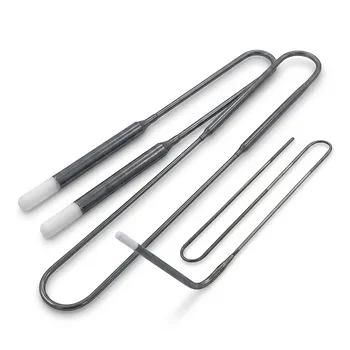
Molybdenum Disilicide MoSi2 Thermal Elements Electric Furnace Heating Element High Temperature Resistance
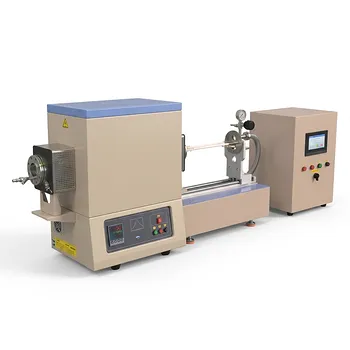
High Temperature Horizontal Electrical Assisted Sintering Furnace with 3KW Programmable Power Source for Advanced Ceramic Materials
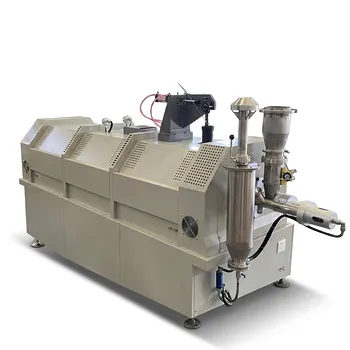
Electric Rotary Kiln Continuous Working Small Rotary Furnace Heating Pyrolysis Plant
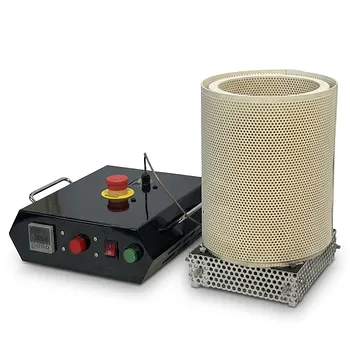
1250 C Compact Vertical Box Furnace for Glovebox Material Research Air Sensitive Samples
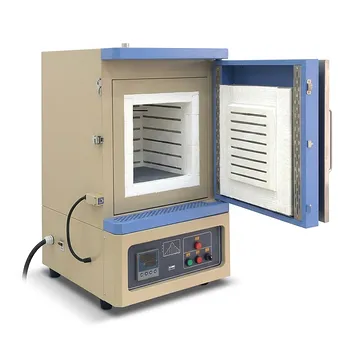
Five Side Heating Muffle Furnace High Purity Alumina Fiber 27L Chamber 1200C High Temperature Thermal Processing System for Sintering Annealing and Materials Research
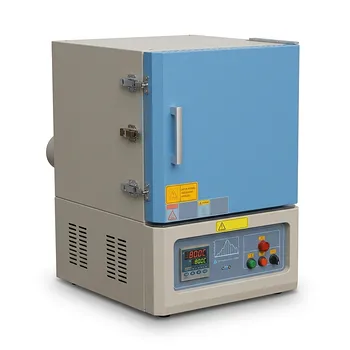
1800C Bench Top Muffle Furnace 18 Liters with Kanthal Super 1900 Heating Elements for High Purity Ceramic Sintering and Material Research
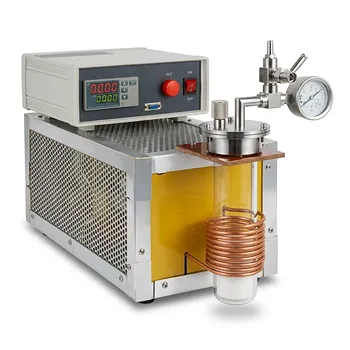
High Temperature Mini Induction Heating Furnace 1600C Laboratory Material Melting System
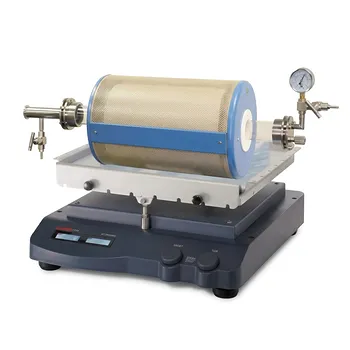
High Temperature Rocking Tube Furnace with Quartz Tube and Vacuum Flange for Materials Synthesis
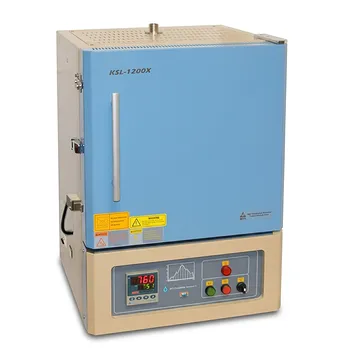
High Temperature 1200C Muffle Furnace 27L Volume 12x12x12 Chamber with Programmable PID Controller for Laboratory Material Science
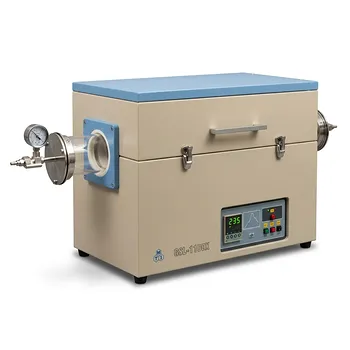
Single Zone Tube Furnace 5 Inch Quartz Tube 36 Inch Heating Zone Vacuum Flanges
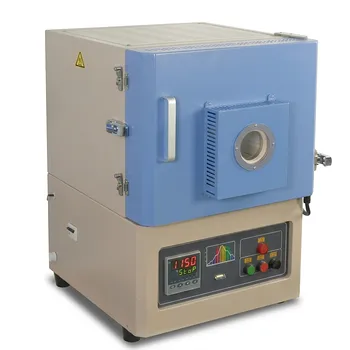
High Temperature Benchtop Muffle Furnace with Quartz Observation Window for Thermal Imaging and Material Analysis
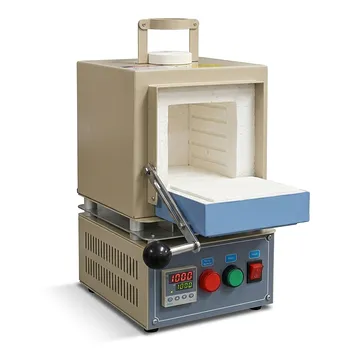
Compact 1000C Muffle Furnace with Programmable Controller and 2 Inch Top Port for Vacuum and Atmosphere Material Research
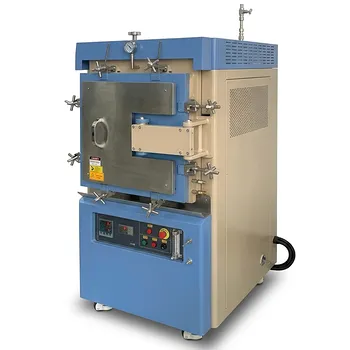
Atmosphere Controlled Muffle Furnace 1700C Maximum Temperature 80L High Capacity Vacuum Inert Gas Box Furnace
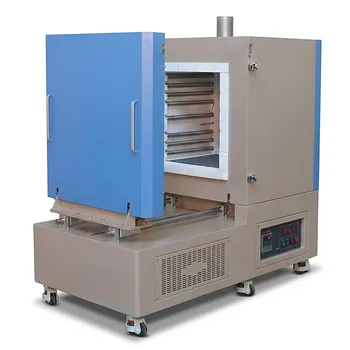
1200C Five Side Heating Muffle Furnace with Sliding Door 125L Volume High Temperature Heat Treatment System for Large Scale Sintering and Annealing

1200°C 5 Inch Vertical Quartz Tube Furnace with Stainless Steel Vacuum Flanges
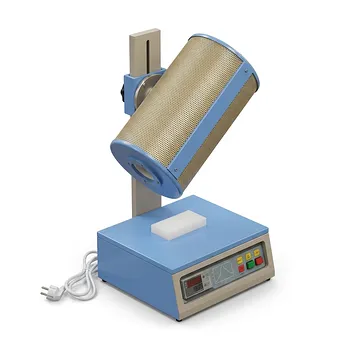
1100°C Vertical Laboratory Furnace for DIY Tubular Reactors with PID Temperature Controller
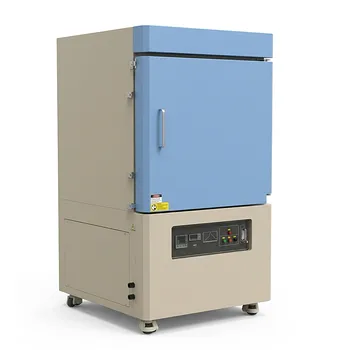
Industrial Large Box Furnace 1700C 216L High Temp Muffle Sintering System
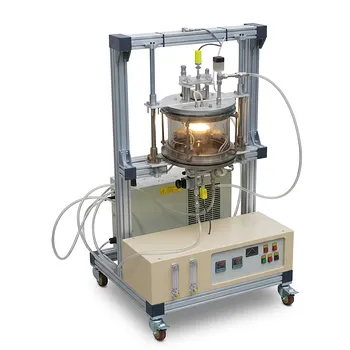
Two Zones CSS Furnace for Rapid Thermal Processing Thin Film Coating 3 Inch Diameter 650C
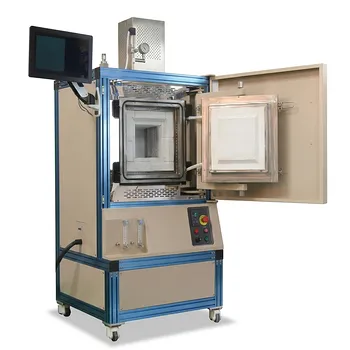
High Temperature Hydrogen Atmosphere Box Furnace 1650C Max Reducing Environment Material Synthesis System 8x8x8 Chamber