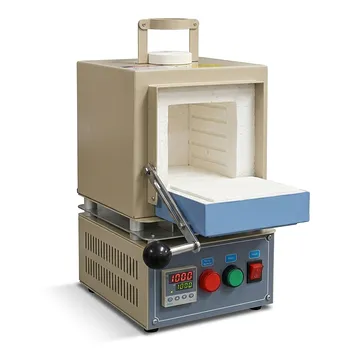
What is the primary role of a laboratory muffle furnace in solid-state synthesis? Driving Atomic Diffusion and Growth
Updated 3 months ago
The primary role of a laboratory muffle furnace in solid-state synthesis is to provide a stable, high-temperature environment that facilitates atomic diffusion and chemical reactions between solid precursors. By maintaining precise temperatures—often exceeding 1000°C—it enables the lattice reorganization and phase transitions necessary to transform raw powder mixtures into complex inorganic structures. This equipment is the fundamental tool for synthesizing ceramics, catalysts, and advanced non-metallic materials.
Core Takeaway: A muffle furnace acts as the thermal engine for solid-state reactions, providing the activation energy required for solid-phase components to interact across interfaces and form stable crystal structures.
Driving Atomic Diffusion and Chemical Reactions
Overcoming Kinetic Barriers in Solids
In solid-state synthesis, the raw materials are typically powders that do not react spontaneously at room temperature. The muffle furnace provides the thermal energy required to overcome the activation energy barriers that prevent atomic movement.
Facilitating Interface Interactivity
By maintaining high temperatures, the furnace promotes atomic diffusion across the boundaries of the powder particles. This process allows different chemical species to mix at the atomic level, leading to the formation of new compounds and complex crystal lattices.
Ensuring Phase Transformation and Purity
Precise temperature control is critical for achieving the desired phase transition. For example, synthesizing materials like Lithium Niobate or Perovskites (such as SrFeO3) requires specific, sustained temperatures to ensure the final product has a single-phase structure and accurate chemical composition.
Precision Control of Crystal Growth and Morphology
Managing Crystal Growth Kinetics
The furnace allows researchers to regulate crystal growth kinetics by utilizing specific temperature gradients and dwell times. This control is essential for ensuring that crystal nuclei form correctly and grow into the desired morphology without unwanted secondary phases.
Pre-calcination and Refining
Before final sintering, the furnace is often used for precursor calcination. This initial heat treatment refines the powder by removing volatile components and initiating the formation of crystal nuclei, which is vital for the mechanical integrity of the final sintered body.
Sintering and Structural Densification
For multi-component ceramics, the muffle furnace facilitates sintering, a process where heat and time reduce the porosity of the material. This results in a dense crystal structure, significantly enhancing the mechanical properties such as hardness and flexural strength.
Understanding the Trade-offs and Limitations
Thermal Non-uniformity Risks
While muffle furnaces are designed for stability, thermal gradients can exist within the chamber. If the sample is too large or the heating rate is too fast, the material may experience non-uniform reactions, leading to structural defects or inconsistent phase purity.
Atmospheric Considerations
Standard muffle furnaces typically provide an oxidizing or neutral atmosphere. If your synthesis requires a reducing environment to prevent oxidation of specific cations, a standard muffle furnace may be insufficient without specialized gas-tight modifications.
Cooling Rate Impacts
The "cool down" phase is just as critical as the heating phase. Rapid or uncontrolled cooling can induce thermal stress or lead to the formation of metastable phases that degrade the performance of high-performance materials.
How to Apply This to Your Synthesis Project
Strategic Implementation
To achieve the best results in solid-state synthesis, your approach should vary based on your specific material goals:
- If your primary focus is Phase Purity: Use extended dwell times (e.g., 24 hours) at precise temperatures to allow for complete atomic diffusion and lattice stabilization.
- If your primary focus is Mechanical Density: Prioritize the sintering stage with carefully controlled heating curves to eliminate porosity and promote grain growth.
- If your primary focus is Chemical Analysis (LOI): Utilize specific heating programs (e.g., 1050°C) to accurately remove volatile components and establish a baseline for XRD quantitative analysis.
By mastering the thermal environment of the muffle furnace, you gain direct control over the atomic architecture and final performance of your synthesized materials.
Summary Table:
| Key Function | Impact on Material Synthesis | Application Example |
|---|---|---|
| Atomic Diffusion | Overcomes kinetic barriers to allow chemical reactions | Powder precursor mixing |
| Phase Control | Ensures lattice reorganization and single-phase purity | Perovskites & Lithium Niobate |
| Sintering | Reduces porosity and increases mechanical density | Advanced ceramics & catalysts |
| Calcination | Removes volatiles and refines crystal nuclei | Material refining & XRD prep |
Elevate Your Material Research with THERMUNITS
Achieving precise phase purity and structural densification requires more than just heat—it requires superior thermal stability and precision. THERMUNITS is a leading manufacturer of high-performance laboratory equipment tailored for material science and industrial R&D.
From Muffle and Vacuum furnaces to Atmosphere, Tube, and CVD/PECVD systems, our comprehensive range of thermal processing solutions is designed to give you direct control over your atomic architecture. Whether you are working on dental ceramics, electric rotary kilns, or vacuum induction melting, we provide the reliability your synthesis demands.
Ready to optimize your lab’s heat treatment performance?
Contact our technical experts today to discover how our advanced furnaces can accelerate your research and production goals.
References
- Penggang Jiao, Ning Hu. Atomically Dispersed Ni on Nitrogen‐Doped Carbon Substrate Enhances Basic HER Performance of Ru Clusters**. DOI: 10.1002/slct.202400490
Mentioned Products
- 1750C Compact Muffle Furnace 1.7L Ultra High Temperature Laboratory Sintering System for Advanced Ceramics and Material Science Research
- 1200C Muffle Furnace 12x8x5 7.2L Heating Chamber with Quartz Observation Window and Vent Port
- High Temperature 1200C Muffle Furnace 27L Volume 12x12x12 Chamber with Programmable PID Controller for Laboratory Material Science
- 1750C Bench Top Muffle Furnace 3.6L High Grade Molybdenum Disilicide Heating Elements Laboratory Heat Treatment Equipment
- 1200°C High Temperature Muffle Furnace 19L Chamber with 50 Segment Programmable Controller
People Also Ask
- What role does a laboratory high-temperature muffle furnace play in the ash analysis phase of biomass co-firing research? [Guide]
- What is the function of a high-temp muffle furnace in Ni-V oxide synthesis? Optimize your material's performance.
- What role does a high-temperature muffle furnace play in the synthesis of Melem precursors? Precision Polymerization.
- What is the function of a high-temperature muffle furnace in phosphorus-modified zeolite catalyst preparation?
- What is the function of a muffle furnace in aluminoborosilicate glass prep? Stabilize Raw Materials for Superior Purity

Tech Team · ThermUnits
Last updated on Jun 02, 2026
Related Products
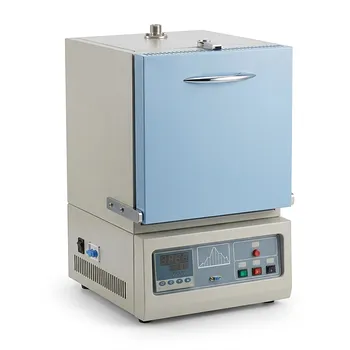
1750C Compact Muffle Furnace 1.7L Ultra High Temperature Laboratory Sintering System for Advanced Ceramics and Material Science Research
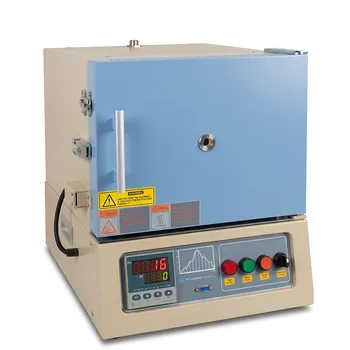
1200C Muffle Furnace 12x8x5 7.2L Heating Chamber with Quartz Observation Window and Vent Port
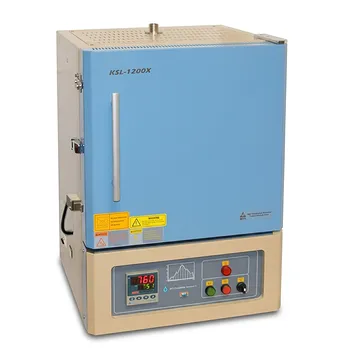
High Temperature 1200C Muffle Furnace 27L Volume 12x12x12 Chamber with Programmable PID Controller for Laboratory Material Science
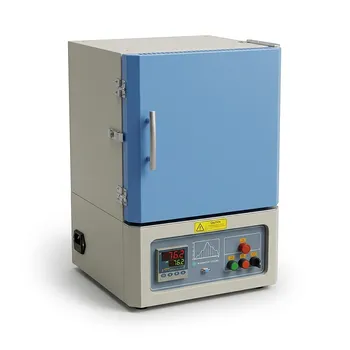
1750C Bench Top Muffle Furnace 3.6L High Grade Molybdenum Disilicide Heating Elements Laboratory Heat Treatment Equipment
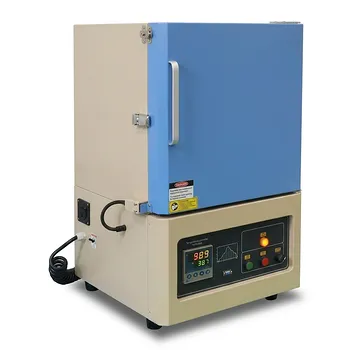
1200°C High Temperature Muffle Furnace 19L Chamber with 50 Segment Programmable Controller
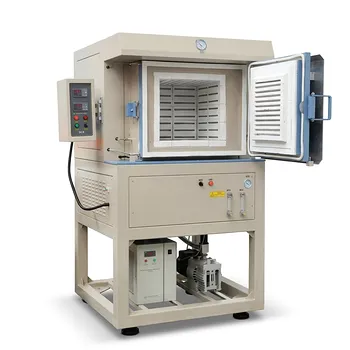
1200°C Five Side Heating Atmosphere Controlled Muffle Furnace 64 Liter High Uniformity Box Furnace for Material Synthesis
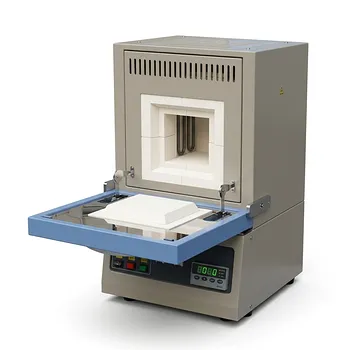
Five Sided Heating Muffle Furnace High Uniformity 1200C Lab Box Furnace 27L Alumina Fiber Chamber
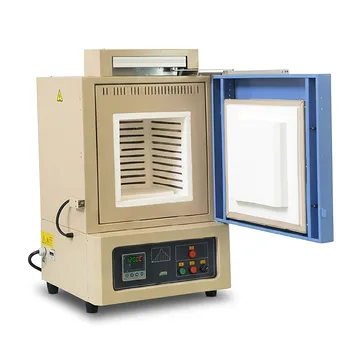
1200C High Temperature Muffle Furnace with Motorized Door and Automated PC Control for Industrial Sintering and Material Processing 27 Liter
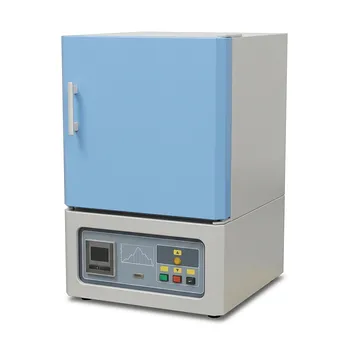
1800C Bench Top Muffle Furnace with Kanthal Super 1900 Heating Elements and 3.6L Alumina Fiber Chamber
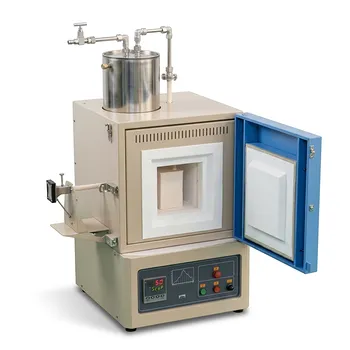
High Temperature Bench Top Muffle Furnace 1700C with Integrated Evaporating Particle Collection and 8x8x8 Alumina Fiber Chamber
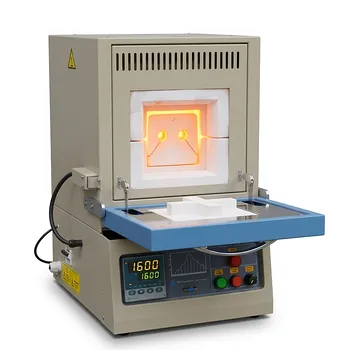
High Temperature Compact Muffle Furnace 1700 C with 30 Segment Programmable Controller and 1.7L Cubic Chamber
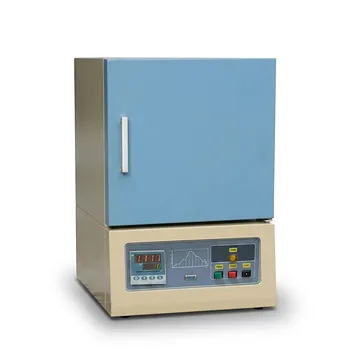
Ultra High Temperature Bench Top Muffle Furnace 1750C Sintering System with Kanthal Super Heating Elements and Precision Digital Control
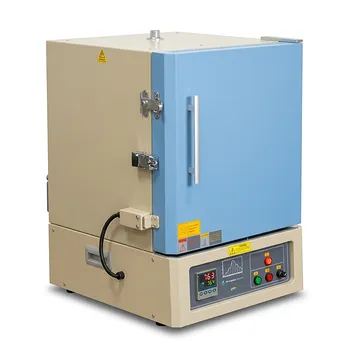
Large Capacity 1200C Muffle Furnace 64 Liter Chamber with Digital PID Controller and Built In Venting Port
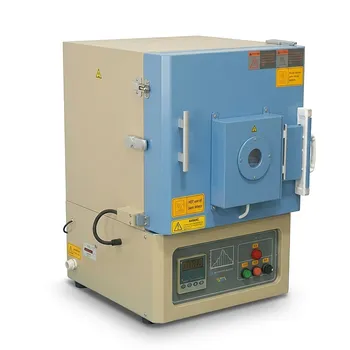
High Temperature Benchtop Muffle Furnace 1500C with 3.6L Chamber and Quartz Observation Window
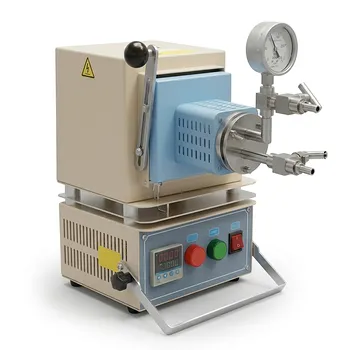
Compact Hybrid Muffle and Tube Furnace for 1000C Controlled Atmosphere Laboratory Material Sintering
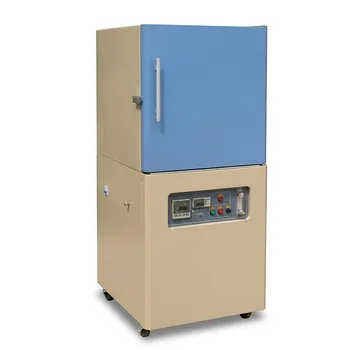
High Temperature Muffle Furnace with Dual Controllers and 36L Large Chamber 1700C Max
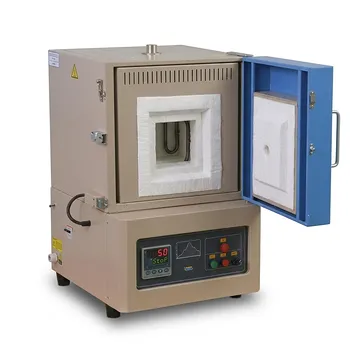
1800°C Bench Top Ultra High Temperature Muffle Furnace with Sapphire Observation Window and Top Feeding Port for Materials Research and Thermal Processing
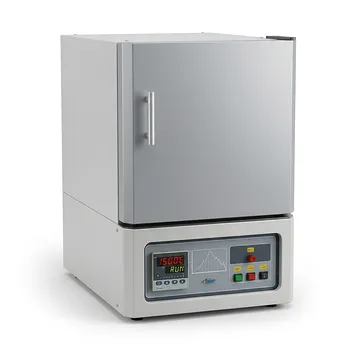
High Temperature 1500C Benchtop Muffle Furnace 3.6L Alumina Fiber Chamber Programmable Controller Sintering Annealing Carbonization Thermal Processing System
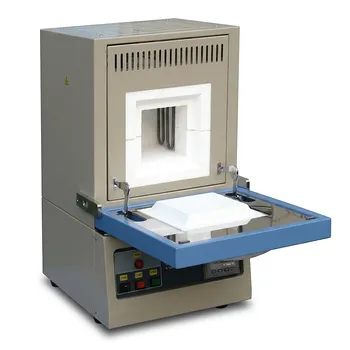
High Temperature 1800C Compact Muffle Furnace with Kanthal Super 1900 Heating Elements and 1.7L Alumina Chamber