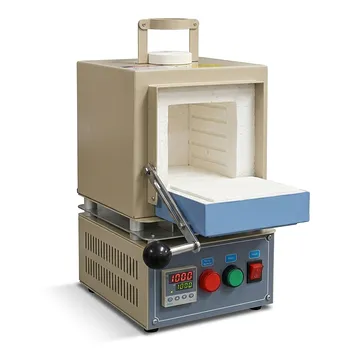
What is the primary use of a laboratory muffle furnace in evaluating pyrolyzed biomass? Master Biomass Fuel Analysis.
Updated 3 months ago
The laboratory muffle furnace is the primary tool for performing proximate analysis and controlled pyrolysis to evaluate biomass fuel characteristics. Specifically, it provides the precise thermal environment required to determine ash content, volatile matter, and fixed carbon, which are the fundamental metrics used to calculate fuel ratios and predict combustion performance.
A laboratory muffle furnace serves as the definitive equipment for quantifying a fuel's energy potential and physical-chemical evolution. By facilitating standardized heating procedures, it allows researchers to predict bio-oil yields, combustion efficiency, and the structural properties of resulting biochar.
Standardized Proximate Analysis
Determining Volatile Matter and Ash Content
The furnace is used to perform ashing at 1000°C and determine the volatile matter of biomass products. By heating samples in a specific high-temperature environment (typically 900°C to 950°C), the furnace accurately isolates inorganic residues from organic components.
Quantifying Fuel Energy Metrics
The data gathered from these procedures is essential for calculating the Fuel Ratio (FR) and Combustion Index (CI). These indices provide a technical baseline for evaluating how effectively a pyrolyzed biomass will burn in industrial applications.
Evaluating Chemical Dechlorination
Precision temperature control allows for the evaluation of dechlorination effects during the heating process. This is critical for ensuring that the final fuel product meets environmental safety standards and does not corrode industrial equipment.
Synthesis and Characterization of Biochar
Controlled Pyrolysis Environment
A muffle furnace provides the oxygen-limited environment necessary for the slow pyrolysis of biomass raw materials. By maintaining constant temperatures (often between 300°C and 700°C), the furnace drives dehydration, decarboxylation, and carbonization.
Developing Pore Structure and Surface Chemistry
Precise temperature management ensures the formation of well-developed pore structures and specific surface functional groups like hydroxyl and carboxyl groups. These characteristics are vital for the physical adsorption capabilities and the overall quality of the biochar.
Predicting Bio-Oil Production Potential
The furnace helps identify the thermal cracking potential of materials such as waste tires or agricultural residues. Higher volatile matter readings indicate a greater potential for condensable vapors, which favors the generation of bio-oil.
Understanding the Trade-offs
Atmospheric Control Limitations
While muffle furnaces provide excellent temperature stability, they require careful sealing or inert gas purging to maintain anaerobic conditions. Failure to strictly control oxygen levels can lead to unintended combustion, skewing results for fixed carbon and volatile matter.
Sample Size and Heat Distribution
Muffle furnaces are designed for small-scale batches, which may not always reflect the thermal gradients found in large-scale industrial reactors. Researchers must account for these scaling differences when applying laboratory data to commercial production.
Heating Rate Constraints
Standard laboratory furnaces may have slower heating rates compared to flash pyrolysis industrial systems. This difference can impact the aromaticity and porosity of the resulting char, making it essential to match the experimental heating curve to the intended real-world application.
How to Apply This to Your Project
Making the Right Choice for Your Goal
To maximize the utility of a muffle furnace in your fuel evaluation, align your heating protocols with your specific end-product requirements.
- If your primary focus is industrial quality control: Use the furnace to strictly follow standardized ashing at 1000°C to determine fixed carbon and fuel ratios.
- If your primary focus is bio-oil production potential: Focus on measuring volatile matter at 900°C to predict the volume of condensable vapors released during cracking.
- If your primary focus is biochar synthesis: Prioritize precise temperature holds between 450°C and 650°C to optimize surface functional groups and pore development.
By mastering these standardized thermal procedures, you turn raw biomass data into a definitive roadmap for fuel performance and environmental compliance.
Summary Table:
| Application | Key Metric / Process | Outcome & Benefit |
|---|---|---|
| Proximate Analysis | Ash, Volatile Matter, Fixed Carbon | Determines Fuel Ratio (FR) and Combustion Index (CI) |
| Biochar Synthesis | Slow Pyrolysis (300°C - 700°C) | Optimizes pore structure and surface functional groups |
| Bio-Oil Potential | Thermal Cracking Evaluation | Predicts yield of condensable vapors from biomass |
| Quality Control | Dechlorination at High Temps | Ensures environmental safety and prevents equipment corrosion |
Elevate Your Material Research with THERMUNITS
Are you looking to optimize your biomass fuel evaluation or biochar synthesis? THERMUNITS is a leading manufacturer of high-performance laboratory equipment tailored for material science and industrial R&D.
We offer a comprehensive range of thermal processing solutions designed for precision and reliability, including:
- Muffle, Vacuum, and Atmosphere Furnaces
- Tube, Rotary, and Hot Press Furnaces
- CVD/PECVD Systems and Dental Furnaces
- Vacuum Induction Melting Furnaces (VIM) and Electric Rotary Kilns
Our equipment empowers researchers to achieve standardized ashing, precise carbonization, and accurate thermal cracking results. Whether you are developing sustainable fuels or advanced materials, our team is ready to provide the ideal heat treatment solution for your lab.
Contact us today to discuss your thermal processing needs and get a technical consultation!
References
- O. Yu. Milovanov, Mathieu Brulé. Application of Torrefaction for Improved Fuel Properties of Sunflower Husks. DOI: 10.3390/en17184643
Mentioned Products
- 1200C Muffle Furnace 12x8x5 7.2L Heating Chamber with Quartz Observation Window and Vent Port
- 1750C Compact Muffle Furnace 1.7L Ultra High Temperature Laboratory Sintering System for Advanced Ceramics and Material Science Research
- High Temperature 1200C Muffle Furnace 27L Volume 12x12x12 Chamber with Programmable PID Controller for Laboratory Material Science
- 1200°C High Temperature Muffle Furnace 19L Chamber with 50 Segment Programmable Controller
- 1750C Bench Top Muffle Furnace 3.6L High Grade Molybdenum Disilicide Heating Elements Laboratory Heat Treatment Equipment
People Also Ask
- What is the function of an experimental muffle furnace in the conversion of FeOOH to α-Fe2O3? Optimize Phase Transition
- Why is a muffle furnace required for MoO2@HCNF pre-oxidation? Crucial Steps for High-Performance Composites
- What is the function of a high-temperature Muffle furnace in removing residual solvents? Essential Bismuth Synthesis
- What is the function of Muffle furnace calcination? Essential steps for Pr-doped SrFeMoO6 Perovskite synthesis.
- What are the primary functions of a Muffle furnace in oxide calcination? Achieve high purity and phase control.

Tech Team · ThermUnits
Last updated on Jun 03, 2026
Related Products
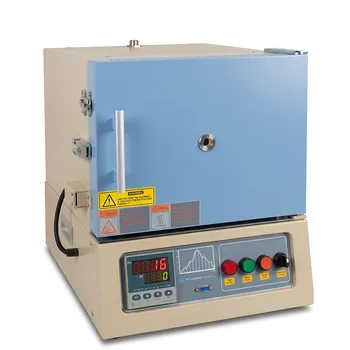
1200C Muffle Furnace 12x8x5 7.2L Heating Chamber with Quartz Observation Window and Vent Port
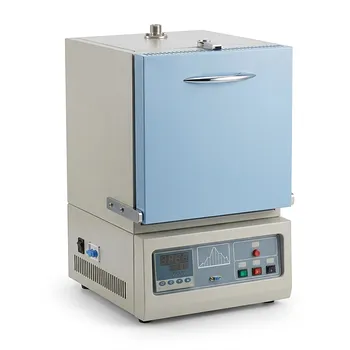
1750C Compact Muffle Furnace 1.7L Ultra High Temperature Laboratory Sintering System for Advanced Ceramics and Material Science Research
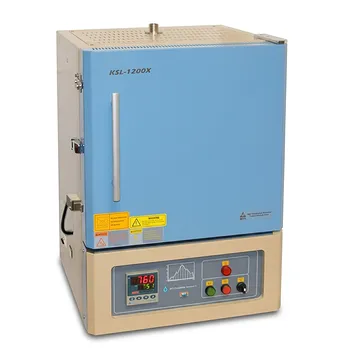
High Temperature 1200C Muffle Furnace 27L Volume 12x12x12 Chamber with Programmable PID Controller for Laboratory Material Science
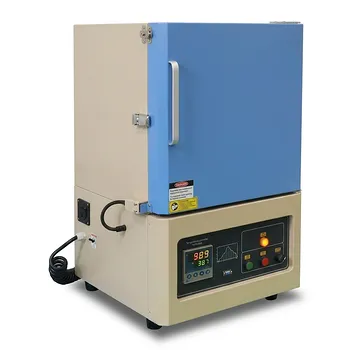
1200°C High Temperature Muffle Furnace 19L Chamber with 50 Segment Programmable Controller
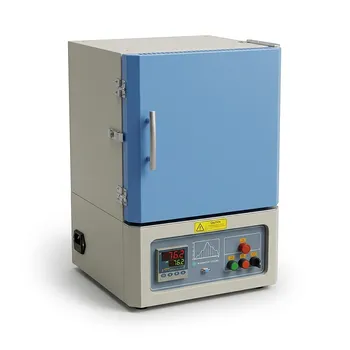
1750C Bench Top Muffle Furnace 3.6L High Grade Molybdenum Disilicide Heating Elements Laboratory Heat Treatment Equipment
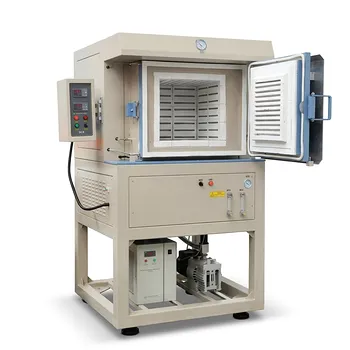
1200°C Five Side Heating Atmosphere Controlled Muffle Furnace 64 Liter High Uniformity Box Furnace for Material Synthesis
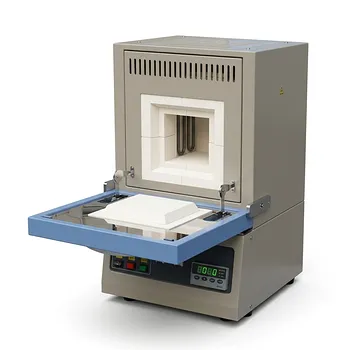
Five Sided Heating Muffle Furnace High Uniformity 1200C Lab Box Furnace 27L Alumina Fiber Chamber
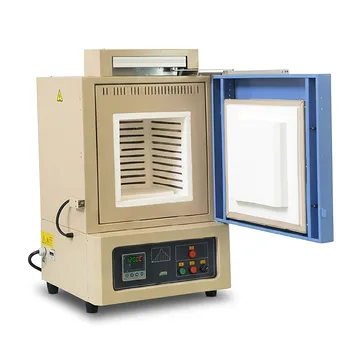
1200C High Temperature Muffle Furnace with Motorized Door and Automated PC Control for Industrial Sintering and Material Processing 27 Liter
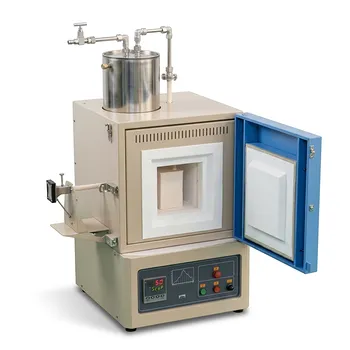
High Temperature Bench Top Muffle Furnace 1700C with Integrated Evaporating Particle Collection and 8x8x8 Alumina Fiber Chamber
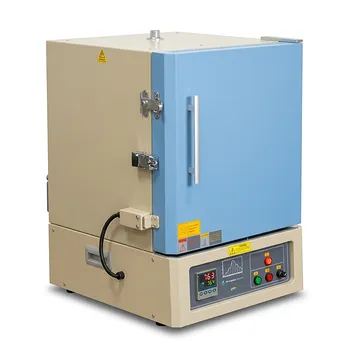
Large Capacity 1200C Muffle Furnace 64 Liter Chamber with Digital PID Controller and Built In Venting Port
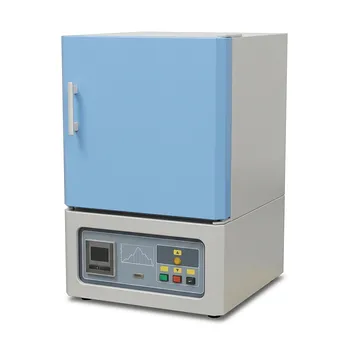
1800C Bench Top Muffle Furnace with Kanthal Super 1900 Heating Elements and 3.6L Alumina Fiber Chamber
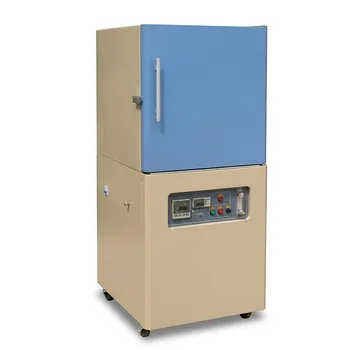
High Temperature Muffle Furnace with Dual Controllers and 36L Large Chamber 1700C Max
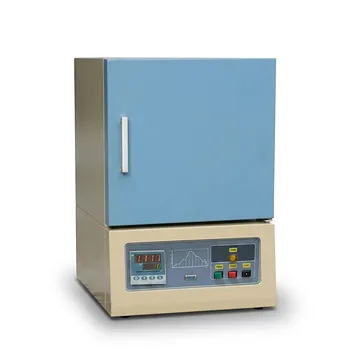
Ultra High Temperature Bench Top Muffle Furnace 1750C Sintering System with Kanthal Super Heating Elements and Precision Digital Control
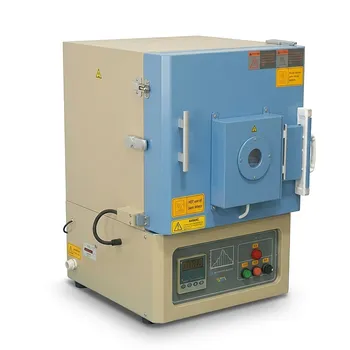
High Temperature Benchtop Muffle Furnace 1500C with 3.6L Chamber and Quartz Observation Window
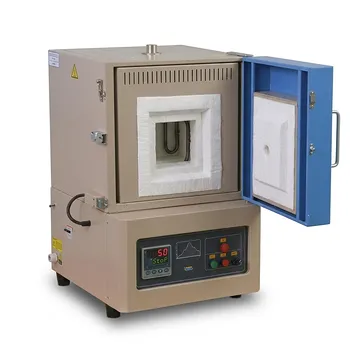
1800°C Bench Top Ultra High Temperature Muffle Furnace with Sapphire Observation Window and Top Feeding Port for Materials Research and Thermal Processing
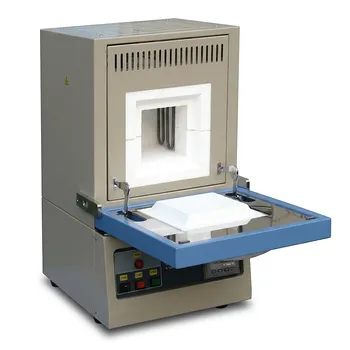
High Temperature 1800C Compact Muffle Furnace with Kanthal Super 1900 Heating Elements and 1.7L Alumina Chamber
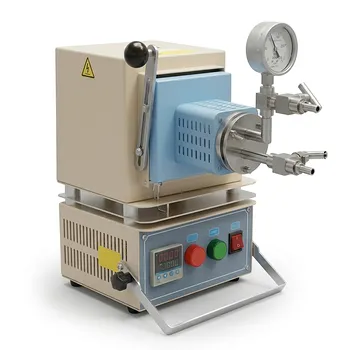
Compact Hybrid Muffle and Tube Furnace for 1000C Controlled Atmosphere Laboratory Material Sintering
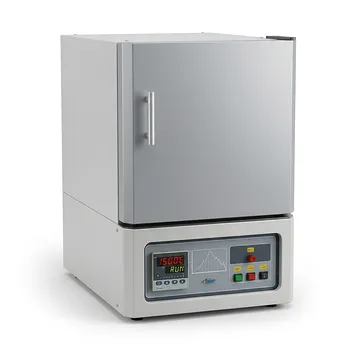
High Temperature 1500C Benchtop Muffle Furnace 3.6L Alumina Fiber Chamber Programmable Controller Sintering Annealing Carbonization Thermal Processing System
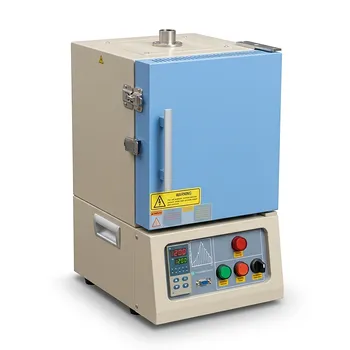
1200°C Small Box Furnace 4.2 Liter Programmable Muffle Furnace with High Purity Alumina Insulation and PID Control