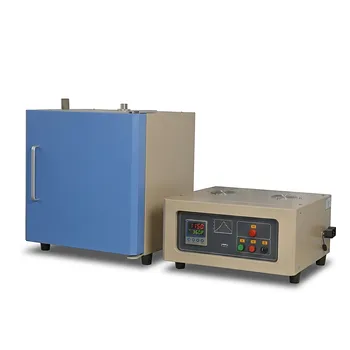
Primary Use of a Muffle Furnace in Pyrolysis Analysis? Optimize Proximate Analysis for Better Yields
Updated 3 months ago
The primary use of a temperature-programmed muffle furnace in the analysis of raw materials for pyrolysis is to perform proximate analysis. This process identifies the concentration of volatile matter, ash, and fixed carbon within a sample, providing a data-driven baseline for predicting how a material will behave during thermal degradation.
Core Takeaway: By precisely controlling temperature and atmosphere according to industry standards like ASTM, the muffle furnace allows researchers to quantify the chemical components that dictate fuel quality, gas yields, and the physical structure of the resulting biochar.
The Foundation of Proximate Analysis
Determining Volatile Matter and Ash Content
The furnace operates under specific, programmed temperature cycles to isolate different material components. Volatile matter is determined by heating the sample in an oxygen-free environment, while ash content is measured by combusting the remaining material in the presence of air.
These metrics are essential for establishing the thermal cracking potential of raw materials such as pine wood, polystyrene, or waste tires. High volatile content typically suggests a greater yield of bio-oil or gas during the actual pyrolysis process.
Calculating Fixed Carbon
Once volatiles and ash are accounted for, the fixed carbon content can be calculated. This figure represents the solid combustible residue that remains after the volatiles are driven off.
Fixed carbon is a critical indicator of the biochar yield and its potential energy density. Understanding this ratio helps engineers optimize the residence time and temperature settings of industrial-scale pyrolysis reactors.
Simulating and Predicting Pyrolysis Outcomes
Mapping Thermal Behavior
A temperature-programmed furnace allows for the simulation of various calcination and carbonization stages. By configuring specific heating rates and isothermal holding times, researchers can observe phase transformations and the initiation of micro-cracks in materials like limestone or biomass.
This simulation is vital for predicting the thermal behavior of the feedstock. It ensures that the transition from raw material to final product is efficient and minimizes the risk of reactor clogging or unexpected pressure spikes.
Influencing Physical and Chemical Properties
Precise temperature control between 300°C and 700°C directly influences the physicochemical properties of the final product. Stable isothermal phases ensure that lignin and cellulose are fully pyrolyzed, which is necessary for creating high-performance materials.
This control determines the pore structure—specifically the ratio of micropores to mesopores—and the preservation of surface functional groups. These characteristics are fundamental for applications like activated carbon production or the loading of nanoscale particles.
Understanding the Trade-offs and Limitations
Laboratory Scale vs. Industrial Reality
While a muffle furnace provides a highly controlled environment, it is a batch process that may not perfectly replicate the dynamics of a continuous-flow industrial reactor. The heat transfer rates in a small crucible can differ significantly from those in large-scale equipment.
The Challenge of Oxygen Exclusion
Maintaining a strictly hypoxic or oxygen-limited environment in a muffle furnace requires precise sealing or constant inert gas purging. Any accidental oxygen ingress during the volatile matter test will lead to the combustion of fixed carbon, resulting in inaccurate data and overestimation of ash content.
How to Apply This to Your Project
Selecting the Right Analysis Strategy
The data gained from a muffle furnace should be used to tailor your pyrolysis parameters to your specific feedstock.
- If your primary focus is maximizing liquid bio-oil yield: Use the furnace to identify feedstocks with the highest volatile matter content and lowest ash percentages.
- If your primary focus is producing high-surface-area biochar: Prioritize materials with high fixed carbon and use the furnace to determine the exact temperature that optimizes pore development.
- If your primary focus is reactor longevity and maintenance: Closely monitor the ash content and composition to predict potential slagging or fouling issues within the system.
By masterfully utilizing a temperature-programmed muffle furnace, you transform raw material uncertainty into a predictable, optimized chemical process.
Summary Table:
| Analyzed Component | Testing Method | Pyrolysis Insight Provided |
|---|---|---|
| Volatile Matter | Oxygen-free heating | Predicts gas and liquid bio-oil yield |
| Ash Content | Combustion in air | Indicates potential reactor slagging and fouling |
| Fixed Carbon | Solid residue calculation | Determines biochar yield and energy density |
| Pore Structure | Controlled isothermal phases | Optimizes surface area for activated carbon |
Elevate Your Material Research with THERMUNITS
As a leading manufacturer of high-temperature laboratory equipment, THERMUNITS provides the precision tools required for advanced material science and industrial R&D. Whether you are conducting proximate analysis for pyrolysis or developing new carbon materials, our comprehensive range of thermal solutions—including Muffle, Vacuum, Atmosphere, and Tube furnaces, CVD/PECVD systems, and Rotary Kilns—ensures stable, repeatable results.
Ready to optimize your heat treatment process? Contact our experts today to find the perfect furnace solution for your laboratory or pilot plant.
References
- Ayden Kemp, Sushil Adhikari. Production of Aviation Fuel-Range Hydrocarbons Through Catalytic Co-Pyrolysis of Polystyrene and Southern Pine. DOI: 10.3390/catal14110806
Mentioned Products
- 1200°C High Temperature Muffle Furnace 19L Chamber with 50 Segment Programmable Controller
- High Temperature Compact Muffle Furnace 1700 C with 30 Segment Programmable Controller and 1.7L Cubic Chamber
- High Temperature 1200C Muffle Furnace 27L Volume 12x12x12 Chamber with Programmable PID Controller for Laboratory Material Science
- 1200°C Small Box Furnace 4.2 Liter Programmable Muffle Furnace with High Purity Alumina Insulation and PID Control
- High Temperature 1500C Benchtop Muffle Furnace 3.6L Alumina Fiber Chamber Programmable Controller Sintering Annealing Carbonization Thermal Processing System
People Also Ask
- What role does a high-temperature muffle furnace play in evaluating the mineral composition of rock samples? LOI & XRF Guide
- Why is annealing in a high-temperature muffle furnace necessary for SiO2/Si substrate pretreatment before monolayer WS2 synthesis?
- What role does a high-temperature muffle furnace play in the synthesis of Melem precursors? Precision Polymerization.
- What is the purpose of using muffle or tube furnaces in glass synthesis? Achieve Precise Melt-Quenching & Homogeneity
- What is the function of a muffle furnace in aluminoborosilicate glass prep? Stabilize Raw Materials for Superior Purity

Tech Team · ThermUnits
Last updated on Jun 03, 2026
Related Products
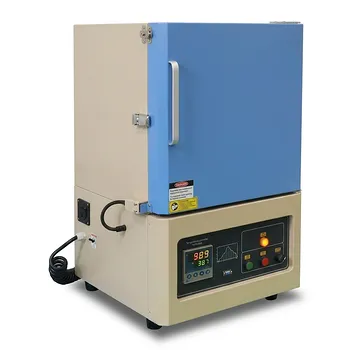
1200°C High Temperature Muffle Furnace 19L Chamber with 50 Segment Programmable Controller
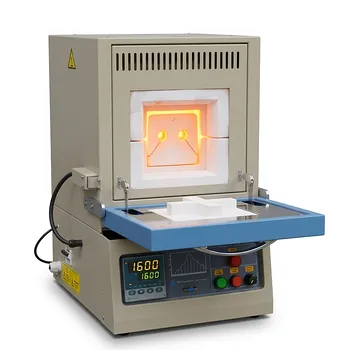
High Temperature Compact Muffle Furnace 1700 C with 30 Segment Programmable Controller and 1.7L Cubic Chamber
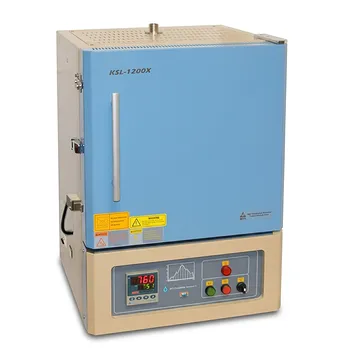
High Temperature 1200C Muffle Furnace 27L Volume 12x12x12 Chamber with Programmable PID Controller for Laboratory Material Science
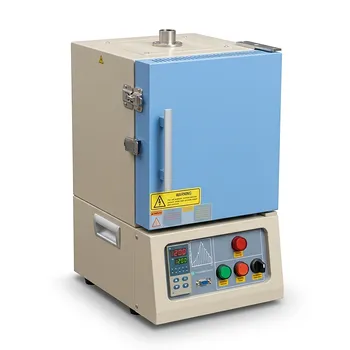
1200°C Small Box Furnace 4.2 Liter Programmable Muffle Furnace with High Purity Alumina Insulation and PID Control
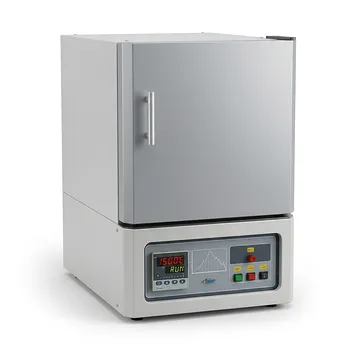
High Temperature 1500C Benchtop Muffle Furnace 3.6L Alumina Fiber Chamber Programmable Controller Sintering Annealing Carbonization Thermal Processing System
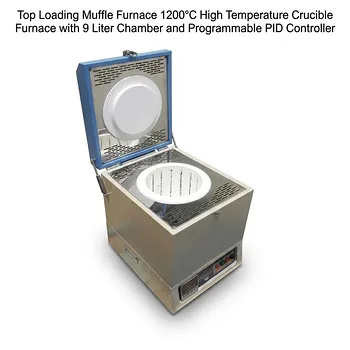
Top Loading Muffle Furnace 1200°C High Temperature Crucible Furnace with 9 Liter Chamber and Programmable PID Controller
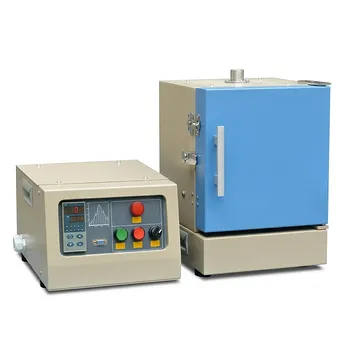
1200C Small Box Muffle Furnace with Separated Programmable Controller and 4.2L Alumina Fiber Chamber
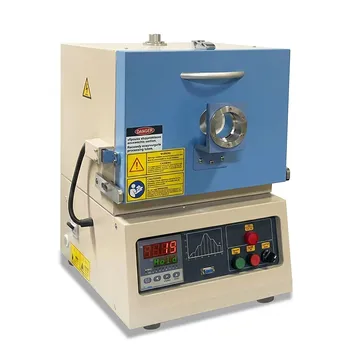
High Temperature Hybrid Muffle and Tube Furnace 1700C Programmable PID Controlled Box System with Vacuum Flange and Alumina Processing Tube
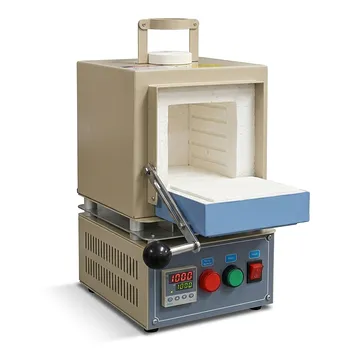
Compact 1000C Muffle Furnace with Programmable Controller and 2 Inch Top Port for Vacuum and Atmosphere Material Research
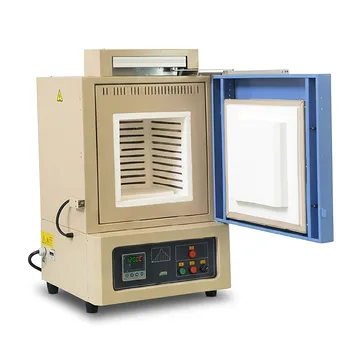
1200C High Temperature Muffle Furnace with Motorized Door and Automated PC Control for Industrial Sintering and Material Processing 27 Liter
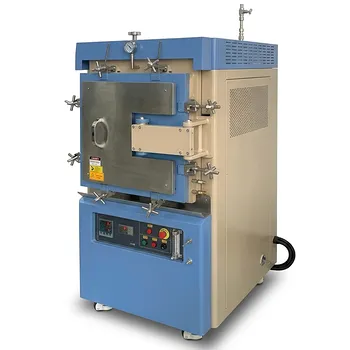
Atmosphere Controlled Muffle Furnace 1700C Maximum Temperature 80L High Capacity Vacuum Inert Gas Box Furnace
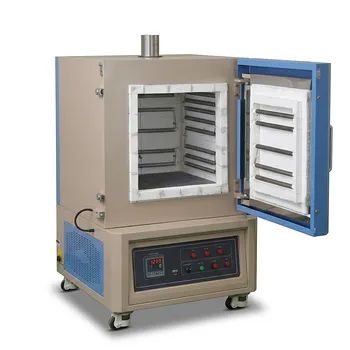
1200C High Temperature 125L Muffle Furnace 5 Side Heating for Large Batch Sintering with Optional Alloy Debinding Chamber
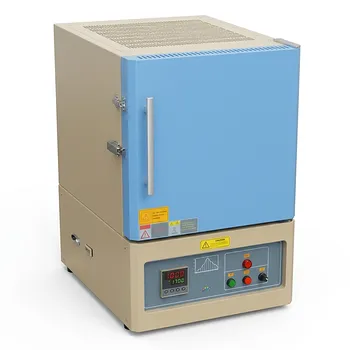
Large Bench Top 1700C High Temperature Muffle Furnace with 19L Chamber for Advanced Material Sintering and Annealing
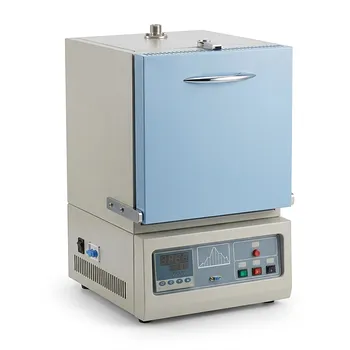
1750C Compact Muffle Furnace 1.7L Ultra High Temperature Laboratory Sintering System for Advanced Ceramics and Material Science Research
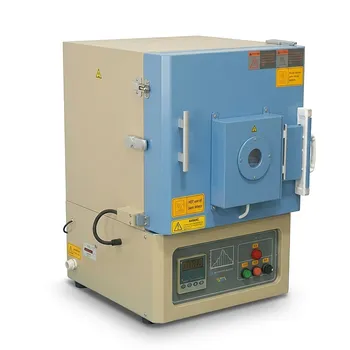
High Temperature Benchtop Muffle Furnace 1500C with 3.6L Chamber and Quartz Observation Window
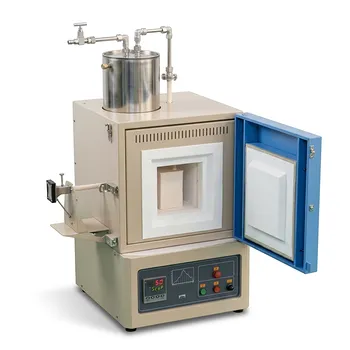
High Temperature Bench Top Muffle Furnace 1700C with Integrated Evaporating Particle Collection and 8x8x8 Alumina Fiber Chamber
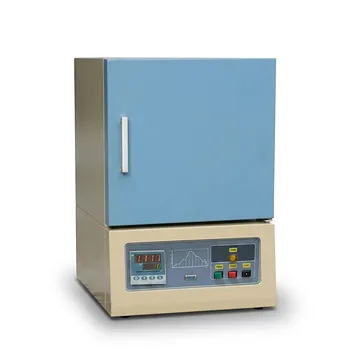
Ultra High Temperature Bench Top Muffle Furnace 1750C Sintering System with Kanthal Super Heating Elements and Precision Digital Control
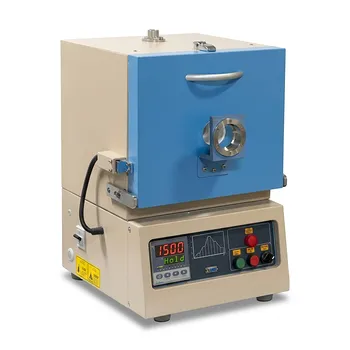
1500C Hybrid Muffle Tube Furnace 1.7L Box with 2 Inch Mullite Tube and Programmable PID Controller
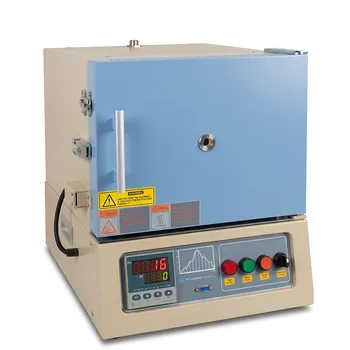
1200C Muffle Furnace 12x8x5 7.2L Heating Chamber with Quartz Observation Window and Vent Port