What is the purpose of the refractory lining inside a rotary furnace? Key Functions for Efficiency and Protection
Updated 5 months ago
The refractory lining of a rotary furnace serves as the primary barrier between extreme process temperatures and the structural steel shell. By utilizing high-temperature-resistant bricks or castables ranging from 80 to 300 mm in thickness, the lining protects the furnace from internal temperatures that reach between 800 and 1,500 degrees Celsius. Its essential functions include providing thermal insulation, preventing chemical corrosion of the outer vessel, and maximizing energy efficiency by concentrating heat within the reaction zone.
The refractory lining is the critical interface that transforms a vulnerable steel cylinder into a high-performance thermal reactor. It ensures operational safety by maintaining a steep temperature gradient and protects the furnace’s structural integrity against both thermal and chemical degradation.
Thermal Protection and Insulation
Shielding the External Steel Shell
The primary role of the lining is to safeguard the steel shell from direct exposure to intense heat. Without this barrier, the shell would quickly lose its structural strength or melt, as it must stay below approximately 350 degrees Celsius to remain viable.
Maintaining a Temperature Gradient
Effective refractory design creates a steep temperature gradient between the hot face and the cold face. This ensures that while the interior is white-hot, the exterior remains at a temperature that prevents mechanical failure and protects nearby components like induction coils.
Concentrating Heat in the Reaction Zone
By acting as a multi-layer thermal barrier, the lining ensures that heat is concentrated within the crucible or reaction zone. This focus is necessary for the chemical processes to occur consistently and predictably across the entire furnace volume.
Chemical Resistance and Structural Stability
Protection Against Corrosion
Rotary furnaces often process materials that release corrosive gases or liquids at high temperatures. The refractory material acts as a chemical shield, preventing these substances from reaching and eating away at the furnace's outer steel structure.
Ensuring Stability at Extreme Temperatures
High-quality refractories are designed to maintain structural stability even during operations exceeding 2373K (approximately 2100 degrees Celsius). This stability prevents the lining from collapsing or shifting during the constant rotation of the furnace.
Minimizing Energy Loss
A well-insulated lining significantly enhances energy efficiency by minimizing the amount of heat lost to the surrounding environment. This reduces fuel consumption and operational costs, making the entire industrial process more sustainable.
Understanding the Trade-offs
The Weight-Capacity Conflict
Increasing the thickness of the refractory lining provides better insulation and protection but also increases the dead weight of the furnace. This extra mass requires more robust mechanical drives and reduces the available internal volume for processing materials.
Thermal Expansion and Cracking
Refractory materials expand and contract at different rates than the steel shell. If the furnace is heated or cooled too quickly, thermal shock can cause the bricks to crack or spall, leading to "hot spots" on the shell that require immediate repair.
Maintenance and Downtime
The lining is a consumable component that eventually wears down due to abrasion and chemical attack. Replacing the lining is a labor-intensive process that requires significant operational downtime, making the selection of the right material critical for long-term ROI.
How to Apply This to Your Project
When selecting or maintaining a refractory lining, your choice should be dictated by the specific demands of your thermal process.
- If your primary focus is energy efficiency: Prioritize multi-layer insulation designs that utilize high-performance castables to minimize external heat loss.
- If your primary focus is shell longevity: Ensure the lining thickness is sufficient to maintain the outer shell temperature consistently below 350 degrees Celsius.
- If your primary focus is high-throughput processing: Opt for thinner, high-density refractory bricks that maximize internal volume while offering high resistance to mechanical abrasion.
- If your primary focus is extreme temperature stability: Invest in specialized refractories rated for 2373K+ to prevent structural failure during peak operations.
The refractory lining is not merely a furnace component, but a sophisticated engineering solution that determines the safety, efficiency, and lifespan of your entire thermal operation.
Summary Table:
| Function | Primary Benefit | Operational Impact |
|---|---|---|
| Thermal Insulation | Shields the external steel shell | Keeps shell temp < 350°C to maintain strength |
| Chemical Shield | Prevents corrosion of the vessel | Protects against reactive gases and process byproducts |
| Heat Concentration | Maximizes energy efficiency | Reduces fuel consumption and stabilizes reaction zones |
| Structural Stability | Maintains integrity at 2373K+ | Prevents lining collapse during high-speed rotation |
Optimize Your Thermal Research with THERMUNITS
At THERMUNITS, we provide high-performance thermal reactors designed for the most demanding material science and industrial R&D applications. As a leading manufacturer, we offer expert-engineered solutions including Rotary Furnaces, Muffle, Vacuum, Atmosphere, Tube, and Hot Press furnaces, CVD/PECVD systems, and Electric Rotary Kilns.
Our equipment is built to handle extreme temperatures and corrosive environments, ensuring your laboratory achieves maximum efficiency and equipment longevity. Whether you are scaling up a chemical process or conducting precise material analysis, our comprehensive range of thermal elements and furnace systems provides the reliability you need.
Ready to enhance your lab's high-temperature capabilities? Contact THERMUNITS today for a custom consultation!
Mentioned Products
- Two Zone Rotary Tube Furnace for Powder CVD Coating and Core Shell Material Synthesis 1100C
- 1500C Max Dual Zone Rotary Tube Furnace with 60 mm OD Alumina Tube for High Temperature Material Synthesis
- Three Zone Rotary Tube Furnace for High Temperature Powder Processing and Material Research
- 5 Inch Three Zone Rotary Tube Furnace with Integrated Gas Delivery System and 1200C Capability for Advanced Material CVD Processing
- Laboratory Tilting Rotary Tubular Furnaces for Material Science and Industrial Heat Treatment
People Also Ask
- How does a two-zone tube furnace control the quality of Tungsten Diselenide (WSe2)? Optimize Your 2D Material Synthesis
- What is the function of a two-zone furnace in SCA-CVD? Mastering Thermal Gradients for Atomic-Scale MOF Crystals
- Why is a Tube Furnace typically utilized for CVD? Achieve Precision in Graphene and 2D Material Synthesis
- How does a rotary tube furnace improve the processing of granular materials? Enhance Uniformity and Reaction Kinetics
- Why is the precise optimization of residence time essential in the catalyst calcination process? Maximize Your Yields.

Tech Team · ThermUnits
Last updated on Apr 14, 2026
Related Products
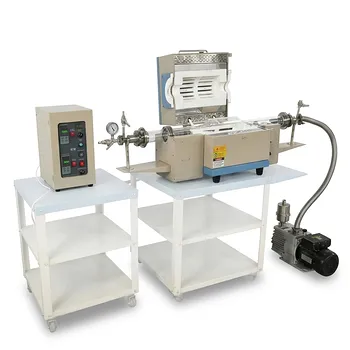
Two Zone Rotary Tube Furnace for Powder CVD Coating and Core Shell Material Synthesis 1100C
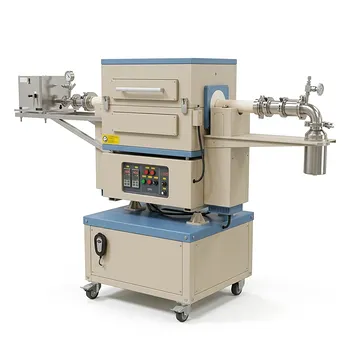
1500C Max Dual Zone Rotary Tube Furnace with 60 mm OD Alumina Tube for High Temperature Material Synthesis
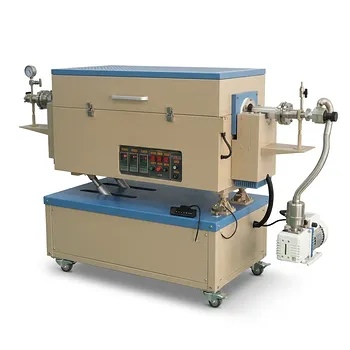
Three Zone Rotary Tube Furnace for High Temperature Powder Processing and Material Research
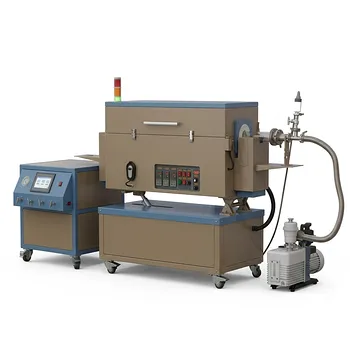
5 Inch Three Zone Rotary Tube Furnace with Integrated Gas Delivery System and 1200C Capability for Advanced Material CVD Processing
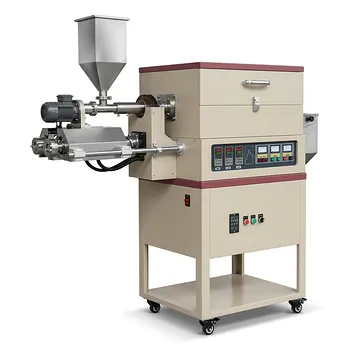
Laboratory Tilting Rotary Tubular Furnaces for Material Science and Industrial Heat Treatment
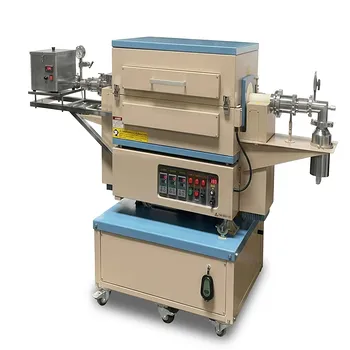
1500C 3-Zone Rotary Tube Furnace 60mm with Automatic Powder Feeding and Receiving System for Continuous Material Synthesis
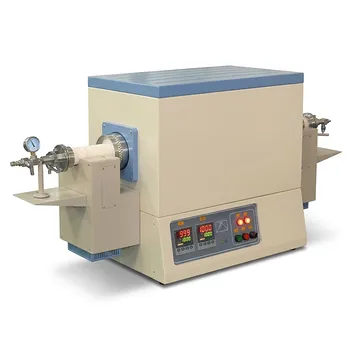
High Temperature 1700C Dual Zone Rotary Tube Furnace with 60mm Alumina Tube and Precision Rotation Control
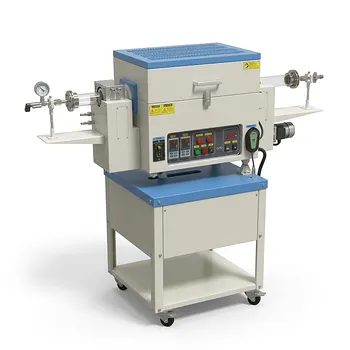
4 Inch Two Zone Rotary CVD Tube Furnace for High Temperature Battery Material Synthesis and Advanced Material Calcination
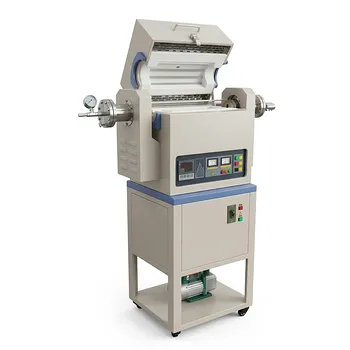
High Temperature Rotary Tilt Tubular Furnaces for Advanced Powder Sintering and Material Processing
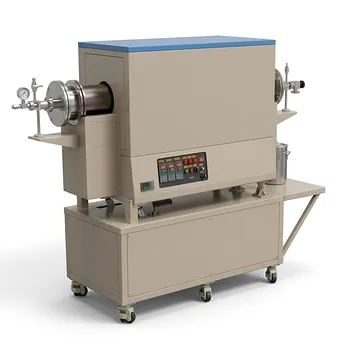
900°C Max Rotary Tube Furnace with 8 Inch 310S Alloy Tube and Optional Multi Zone Heating for Industrial Material Calcination
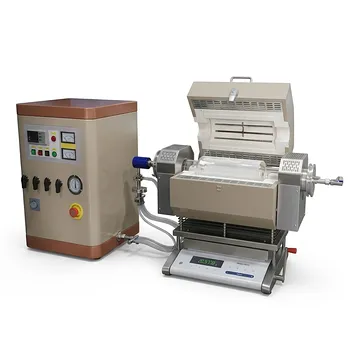
Mini Rotary Tubular Furnaces for Precision Powder Heat Treatment and Thermogravimetric Analysis
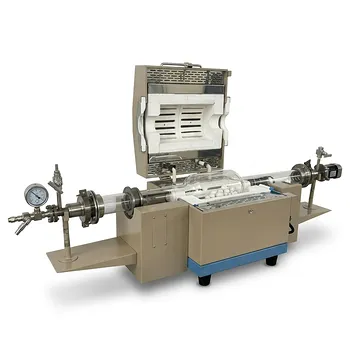
High Temperature Rotary Tube Furnace with Integrated Ball Milling and Gas Flow Function for Powder Nitriding
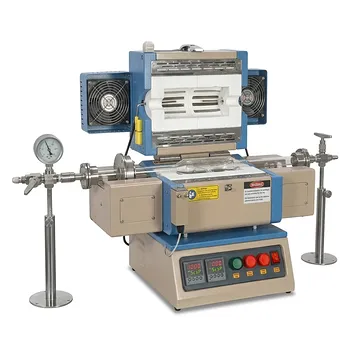
Dual Zone Rotary Tube Furnace for Uniform Powder Calcination 1000C 2 Inch Quartz Tube
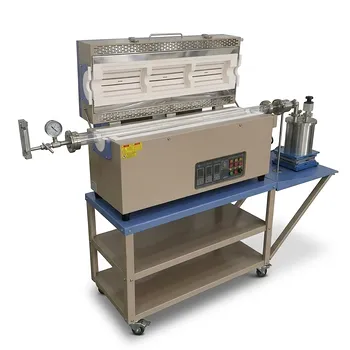
5 Inch Two Zone Rotary Tube Furnace 1100C for Powder CVD and Material Synthesis
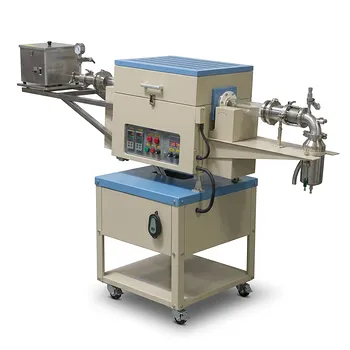
Two Zone Rotary CVD Furnace with Automatic Feeding and Receiving System for Powder Processing
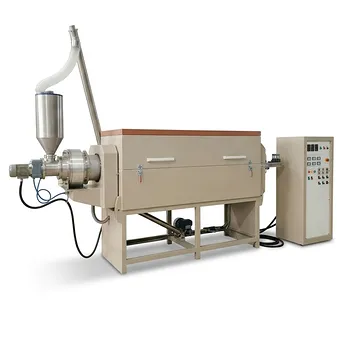
Continuous Feeding Rotary Tube Furnace for Industrial Powder Heat Treatment and Material Research
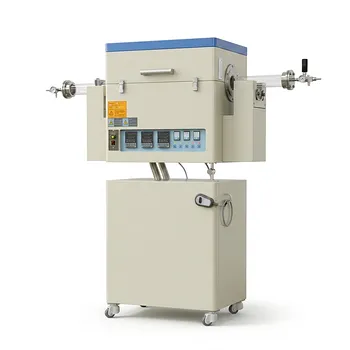
Three Temperature Zone Rotating Tube Furnace for Material Sintering and Controlled Atmospheric Heat Treatment
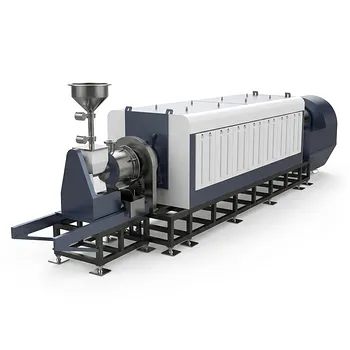
Electric Rotary Kiln Small Rotary Furnace Biomass Pyrolysis Plant
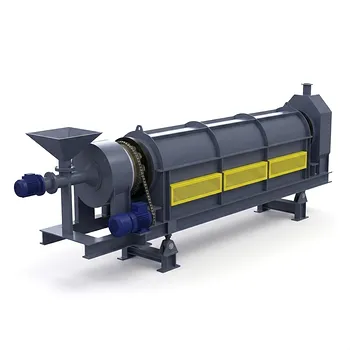
Electric Rotary Kiln Small Rotary Furnace for Activated Carbon Regeneration