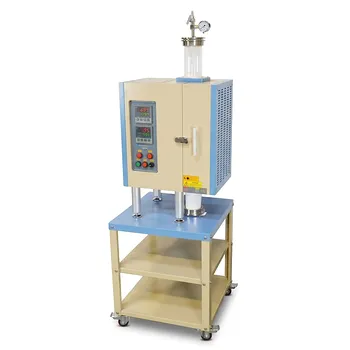
Why is a Tube Furnace typically utilized for CVD? Achieve Precision in Graphene and 2D Material Synthesis
Updated 3 months ago
The tube furnace is the industry standard for Chemical Vapor Deposition (CVD) because it provides a strictly controlled, high-vacuum environment that enables the atomic-level precision required for 2D material synthesis. By integrating a slender reaction chamber with sophisticated thermal and gas-flow management, these furnaces allow researchers to grow large-area, high-quality single-crystal films like graphene and MoS2 with repeatable results.
Core Takeaway: A tube furnace functions as a high-precision micro-reactor that synchronizes temperature gradients and gas dynamics to facilitate molecular-level deposition. This level of control is essential for transforming gaseous precursors into the perfect crystalline lattices that define two-dimensional materials.
Precision Control of the Chemical Environment
Achieving High Vacuum and Atmospheric Purity
A tube furnace utilizes a slender quartz or alumina tube as a dedicated reaction chamber. This design is inherently easier to seal than larger chambers, allowing for the achievement of high vacuum levels and superior airtightness.
A clean, sealed environment is critical for 2D materials, as even trace amounts of oxygen or moisture can contaminate the crystal lattice or impede growth. The furnace provides a controlled atmosphere where inert gases like argon and reactive gases like hydrogen or methane can interact without interference.
Regulating Precursor Gas Dynamics
The narrow geometry of the tube facilitates the formation of a stable stagnant layer on the substrate surface. This layer ensures that gas-phase precursors undergo uniform atomic-level deposition rather than turbulent, uneven accumulation.
By precisely controlling the gas flow ratios, such as the balance between methane (the carbon source) and hydrogen (the etchant), the furnace enables the growth of large-area single crystals. This makes it the core hardware for obtaining the consistency needed for high-performance electronic applications.
Thermal Management and Crystallinity
Multi-Zone Temperature Gradients
Modern tube furnaces often feature multiple heating zones that can be regulated independently. This is particularly vital for materials like Molybdenum Disulfide (MoS2), which require different temperatures for different precursors.
For instance, a low-temperature zone might sublimate sulfur powder at 250 °C, while a separate high-temperature zone maintains the molybdenum source at 780 °C. This independent control allows for the precise regulation of precursor vapor concentrations, which is a prerequisite for monolayer crystal growth.
Uniformity and Single-Crystal Growth
The furnace provides a precisely controlled temperature field that determines the final morphology of the film. High-precision stability, often maintained around 750 °C to 1000 °C, ensures that chemical reactions occur at a steady rate across the entire substrate.
Uniformity in the temperature field directly correlates to thickness consistency and crystal quality. Without this level of thermal stability, the resulting films would suffer from defects, multi-layer clusters, or irregular grain boundaries.
Understanding the Trade-offs
Scalability and Throughput Limits
The primary limitation of a tube furnace is its physical dimensions. Because the reaction occurs inside a narrow tube, the size of the substrate is strictly limited by the tube's diameter.
While excellent for research and small-scale production, this setup can be difficult to scale for industrial-sized wafers. Increasing the tube size often introduces thermal gradients and gas flow turbulence, which can compromise the material's single-crystal quality.
Thermal Inertia and Cooling Rates
Tube furnaces are designed for stability, which results in significant thermal inertia. This means they take a considerable amount of time to heat up and cool down.
Rapid thermal processing is difficult to achieve in a standard tube furnace without specialized modifications. If a process requires fast quenching to "freeze" a specific crystal phase, the slow cooling rate of a standard furnace may lead to unwanted secondary reactions.
How to Apply This to Your Project
Making the Right Choice for Your Goal
To achieve the best results in 2D material synthesis, you must align your furnace configuration with your specific material requirements.
- If your primary focus is Graphene synthesis: Prioritize a furnace with high-precision mass flow controllers (MFCs) for methane and hydrogen to ensure a stable stagnant layer for uniform growth.
- If your primary focus is MoS2 or other TMDs: Invest in a multi-zone tube furnace to independently control the evaporation rates of different solid precursors like sulfur and metal oxides.
- If your primary focus is high-purity electronic films: Ensure your system is configured for high-vacuum operation with quartz tubing to minimize impurities and maximize crystal grain size.
The successful preparation of 2D materials depends entirely on the synergy between precise thermal gradients and a pristine chemical environment.
Summary Table:
| Feature | Key Advantage | Impact on 2D Materials |
|---|---|---|
| Slender Chamber | High vacuum & superior sealing | Minimizes impurities for high-purity films |
| Stable Gas Flow | Formation of a stagnant layer | Ensures uniform, atomic-level deposition |
| Multi-Zone Heating | Independent temperature control | Enables precise sublimation of varied precursors |
| Thermal Stability | Uniform temperature field | Facilitates growth of large single-crystal grains |
Elevate Your Material Research with THERMUNITS Precision
Are you looking to achieve atomic-level perfection in your 2D material synthesis? THERMUNITS is a leading manufacturer of high-temperature laboratory equipment specifically designed for material science and industrial R&D.
We provide a comprehensive range of thermal processing solutions tailored to your specific chemical vapor deposition needs, including:
- CVD/PECVD Systems for high-quality graphene and thin-film growth.
- Multi-Zone Tube Furnaces for precise MoS2 and TMD precursor control.
- Muffle, Vacuum, Atmosphere, Rotary, and Hot Press Furnaces for diverse heat treatment applications.
- Advanced Vacuum Induction Melting (VIM) and Dental Furnaces.
Our equipment ensures the thermal stability and atmospheric purity required for repeatable, world-class results. Contact our expert team today to find the ideal furnace configuration for your laboratory!
References
- Yejin Song, Jeong Young Park. Reversibility in Structural Dynamics on Pt−Ni Bimetallic Nanocrystals under Redox Conditions. DOI: 10.1002/cctc.202401082
Mentioned Products
- High Temperature 1800C Atmosphere Tube Furnace for CVD Research and Vacuum Sintering Precision Heat Treatment
- 1200C Max Dual Sliding Tube Furnace with 50 mm Tube Flanges for CVD
- 5 Inch Three Zone Rotary Tube Furnace with Integrated Gas Delivery System and 1200C Capability for Advanced Material CVD Processing
- High Temperature 1200C Split Tube Furnace for CVD Research and Vacuum Atmosphere Heat Treatment
- Two Zone Rotary Tube Furnace for Powder CVD Coating and Core Shell Material Synthesis 1100C
People Also Ask
- Why is an atmosphere tube furnace considered core equipment for CVD? Essential for Precision Thin-Film & 2D Materials
- What core function does the high-temperature tube furnace perform in MWCNT synthesis? Essential for CVD Precision
- Why is a high-temperature tube furnace with precise gas flow control required for CVD? Optimize Carbon Nanotube Synthesis
- What role does a high-precision tube furnace play in the CVD process of WS2? Optimize Growth and Film Quality
- What role does a high-precision tube heating system play in CVD or PECVD? Master Precision for Advanced Material Growth.

Tech Team · ThermUnits
Last updated on Jun 02, 2026
Related Products
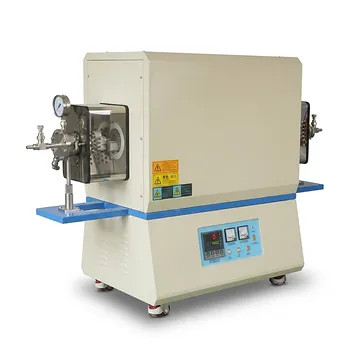
High Temperature 1800C Atmosphere Tube Furnace for CVD Research and Vacuum Sintering Precision Heat Treatment
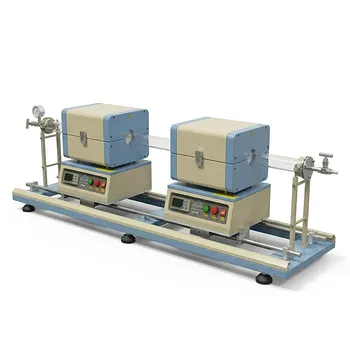
1200C Max Dual Sliding Tube Furnace with 50 mm Tube Flanges for CVD
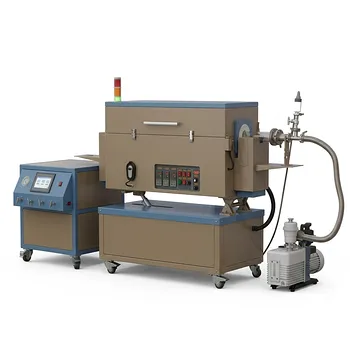
5 Inch Three Zone Rotary Tube Furnace with Integrated Gas Delivery System and 1200C Capability for Advanced Material CVD Processing
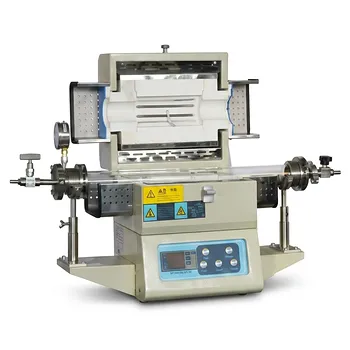
High Temperature 1200C Split Tube Furnace for CVD Research and Vacuum Atmosphere Heat Treatment
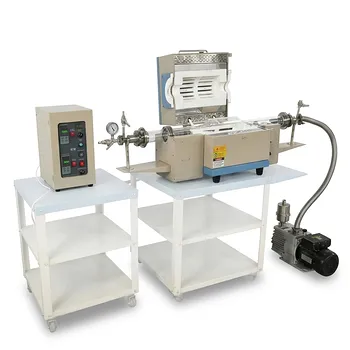
Two Zone Rotary Tube Furnace for Powder CVD Coating and Core Shell Material Synthesis 1100C
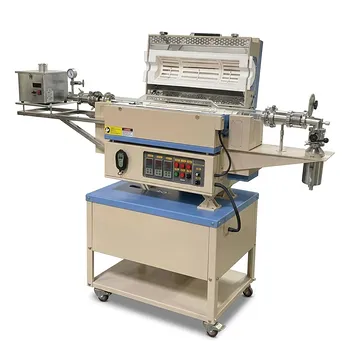
5 Inch Rotary Tube Furnace with Automatic Feeding and Receiving System 1200C Three Zone CVD Powder Processing
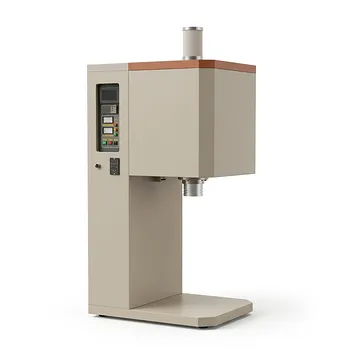
Vertical Openable Tube Furnace 0-1700c High Temperature Laboratory System for CVD and Vacuum Heat Treatment
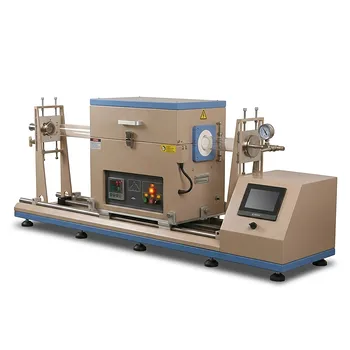
1200C Sliding Tube Furnace for Rapid Thermal Processing and CVD Graphene Growth with 100mm OD Capacity
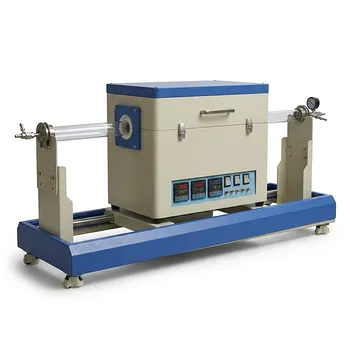
Double Temperature Zone Double Cover Tube Furnace for High Temperature CVD and Vacuum Annealing
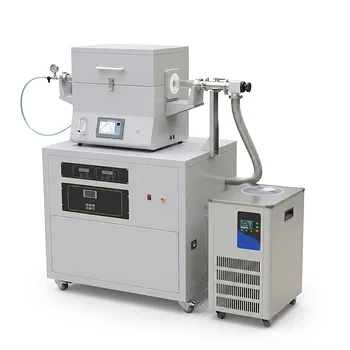
Split Chamber CVD Tube Furnace with Vacuum Station Chemical Vapor Deposition System Machine
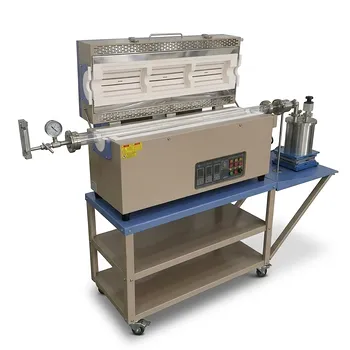
5 Inch Two Zone Rotary Tube Furnace 1100C for Powder CVD and Material Synthesis
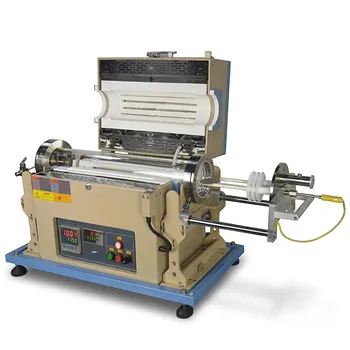
1200°C High Temperature 4 Inch Tube Furnace with Sliding Flange for CVD Systems
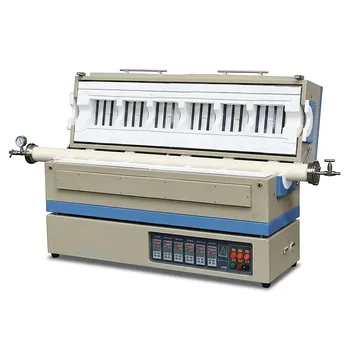
Six Zone Split Tube Furnace with Alumina Tube and Vacuum Flanges for 1500C High Temperature Thermal Processing and CVD
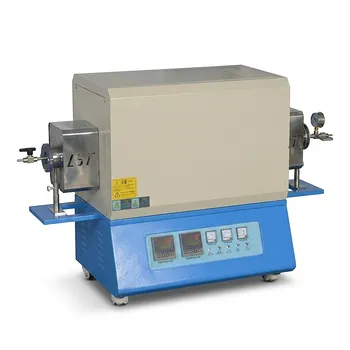
High Temperature Dual Zone Vacuum Tube Furnace for Material Research and CVD Processing

High Temperature 1700C Tube Furnace with High Vacuum Turbomolecular Pump System and Multi Channel Mass Flow Controller Gas Mixer
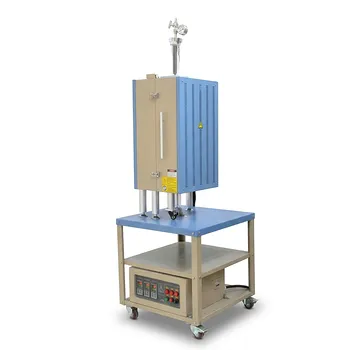
1200C Three Zone Vertical Tube Furnace with 2 Inch Quartz Tube and Vacuum Flanges
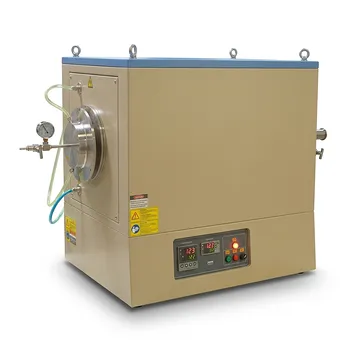
1100°C Large Diameter Quartz Tube Furnace with 24 Inch Heating Zone and Water Cooled Flanges
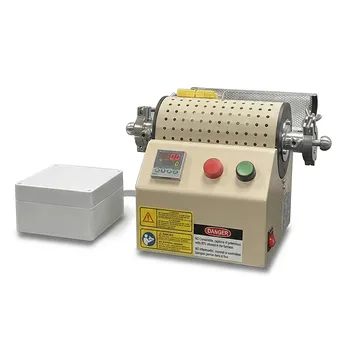
1000C Mini Tube Furnace with 20mm Quartz Tube and Vacuum Flanges for Material Science Research and Controlled Atmosphere Small Sample Processing
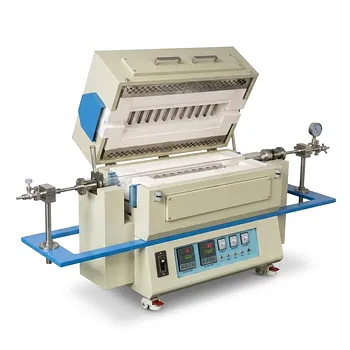
High Temperature Dual Zone Rotating Tube Furnace 1500C Silicon Carbide Heating for Advanced Material Synthesis