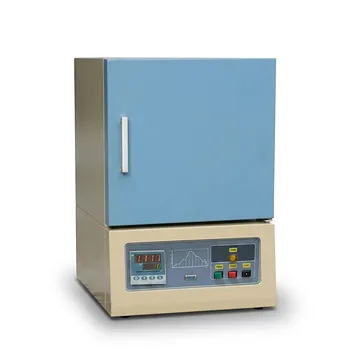
What is the role of a box muffle furnace in boehmite transformation? Optimize Alumina for Pt-Re Catalysts
Updated 3 months ago
The box muffle furnace serves as the controlled thermal environment required for the calcination of boehmite into gamma-alumina. At a critical temperature of 550 °C, the furnace facilitates the phase transformation that defines the support's physical architecture. This process ensures the alumina achieves the high surface area and specific porosity necessary for the subsequent loading and dispersion of platinum and rhenium (Pt-Re) active metals.
The furnace is not merely a heat source but a precise reactor that governs the phase transition from boehmite to gamma-alumina. By maintaining a stable, oxidizing atmosphere at 550 °C, it engineers the specific surface area and pore structure required to host high-performance Pt-Re catalysts.
Driving the Phase Transformation
Conversion of Boehmite to Gamma-Alumina
The furnace provides the high-temperature oxidizing environment needed to dehydrate boehmite precursors. This thermal energy triggers a structural reorganization, converting the precursor into gamma-alumina, which is the preferred phase for industrial catalyst supports.
Establishing Surface Area and Porosity
At the specified 550 °C threshold, the furnace controls the development of a high specific surface area. This physical foundation is critical because it provides the "real estate" necessary to prevent the active platinum and rhenium particles from clustering or sintering.
Temperature Uniformity and Homogeneity
The box resistance furnace design ensures a consistent thermal field within the chamber. This ensures that all particles undergo the phase transformation and active site construction simultaneously, leading to a support with uniform physicochemical properties.
Preparing the Support for Metal Loading
Removal of Impurities and Moisture
High-temperature treatment effectively eliminates adsorbed moisture and organic residues from the support surface. This cleaning process stabilizes the chemical properties of the alumina, ensuring that subsequent metal loading is not hindered by contaminants.
Regulation of Surface Chemistry
The furnace environment adjusts the state of surface hydroxyls and the acidity/alkalinity of the support. These factors are essential for the uniform anchoring of platinum and rhenium precursors during the later impregnation stages.
Stabilization of Pore Structure
By providing a consistent thermal history, the muffle furnace fixes the pore size distribution. A stabilized pore structure is vital for ensuring that the Pt-Re metals can be distributed deeply and evenly throughout the internal volume of the alumina pellets.
Understanding the Trade-offs
Temperature vs. Surface Area
While 550 °C is optimal for forming gamma-alumina, exceeding this temperature can lead to sintering and phase collapse. If the temperature is too high, the surface area decreases significantly, which reduces the efficiency of the final Pt-Re catalyst.
Atmosphere and Diffusion
In a standard box muffle furnace, the static air atmosphere can sometimes lead to localized concentration gradients of evolved water vapor. This requires careful management of the heating rate to ensure that the dehydration of boehmite does not occur too violently, which could damage the pore structure.
Processing Time vs. Stability
Longer sintering times in the furnace promote stronger metal-support interactions and the complete decomposition of precursors. However, excessive time at high temperatures can lead to the growth of alumina crystals, potentially burying active sites or reducing the accessible surface area.
How to Apply This to Your Project
When utilizing a box muffle furnace for catalyst support preparation, your technical approach should align with your specific performance requirements.
- If your primary focus is maximizing active metal dispersion: Maintain the furnace strictly at 550 °C to ensure the highest possible specific surface area during the boehmite transformation.
- If your primary focus is long-term thermal stability: Ensure the furnace provides a highly uniform thermal field to create a consistent gamma-alumina phase that can resist sintering during high-temperature reactions.
- If your primary focus is surface purity for metal anchoring: Use the furnace to perform extended calcination to fully remove organic ligands and stabilize surface hydroxyl states before impregnation.
Proper calibration and control of the box muffle furnace are the fundamental prerequisites for engineering high-performance alumina supports tailored for platinum-rhenium catalysis.
Summary Table:
| Feature | Role in Alumina Transformation | Impact on Pt-Re Catalyst |
|---|---|---|
| Phase Control | Converts boehmite to gamma-alumina at 550°C | Ensures the correct crystalline structure |
| Surface Area | Prevents sintering through precise heating | Maximizes active metal dispersion |
| Pore Stability | Fixes internal pore size distribution | Enables deep, even metal distribution |
| Thermal Uniformity | Ensures consistent physicochemical properties | Guarantees quality across the entire batch |
| Atmosphere | Removes moisture and organic residues | Provides a clean surface for metal anchoring |
Elevate Your Material Research with THERMUNITS
Precision in thermal transformation is the difference between a standard support and a high-performance catalyst. THERMUNITS is a leading manufacturer of high-temperature laboratory equipment for material science and industrial R&D. We empower your research with a comprehensive range of thermal processing solutions, including Muffle, Vacuum, Atmosphere, Tube, Rotary, and Hot Press furnaces, CVD/PECVD systems, and Vacuum Induction Melting (VIM) furnaces.
Our equipment provides the stability and uniformity required for complex processes like boehmite calcination and metal-support stabilization. Whether you need a Dental Furnace for specialized ceramics or an electric rotary kiln for industrial scaling, our high-quality thermal elements and heat treatment solutions bring reliability to your most critical R&D projects.
Ready to optimize your catalyst production?
Contact our experts today to find the perfect furnace for your lab!
References
- Domenic Strauch, Moritz Wolf. Bimetallic platinum rhenium catalyst for efficient low temperature dehydrogenation of perhydro benzyltoluene. DOI: 10.1039/d3cy01336g
Mentioned Products
- Five Sided Heating Muffle Furnace High Uniformity 1200C Lab Box Furnace 27L Alumina Fiber Chamber
- Hybrid High Temperature Tube and Box Furnace 1700C with 2 Inch Alumina Tube for Material Research
- High Temperature 1500C Benchtop Muffle Furnace 3.6L Alumina Fiber Chamber Programmable Controller Sintering Annealing Carbonization Thermal Processing System
- Five Side Heating Muffle Furnace High Purity Alumina Fiber 27L Chamber 1200C High Temperature Thermal Processing System for Sintering Annealing and Materials Research
- High Temperature Bench Top Muffle Furnace 1700C with Integrated Evaporating Particle Collection and 8x8x8 Alumina Fiber Chamber
People Also Ask
- What are the benefits of using muffle furnaces in pharmaceutical and biomedical applications? Maximize Purity & Compliance
- Why is the thermal environment provided by high-precision laboratory ovens or muffle furnaces essential? Achieve Precision.
- How is the ash content of polymers and plastics determined using a muffle furnace? Essential Guide for QC & R&D
- Why is a muffle furnace used for a 220°C preliminary baking after coating α-Fe2O3 nanorods with melamine? Explained
- How does the heating mechanism of a muffle furnace differ from that of an open-flame furnace? Indirect vs Direct Heat

Tech Team · ThermUnits
Last updated on Jun 03, 2026
Related Products
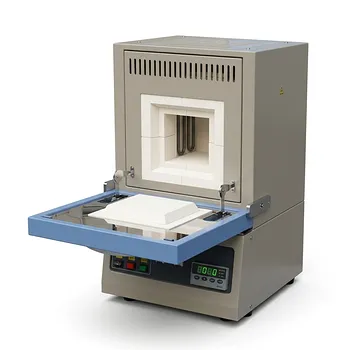
Five Sided Heating Muffle Furnace High Uniformity 1200C Lab Box Furnace 27L Alumina Fiber Chamber
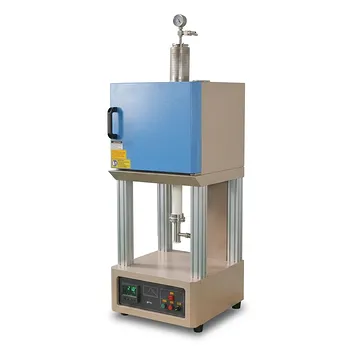
Hybrid High Temperature Tube and Box Furnace 1700C with 2 Inch Alumina Tube for Material Research
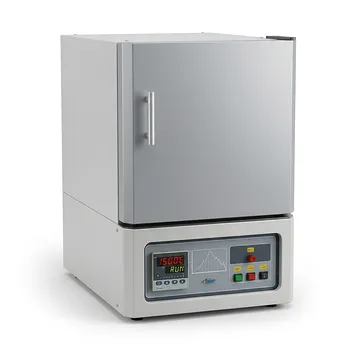
High Temperature 1500C Benchtop Muffle Furnace 3.6L Alumina Fiber Chamber Programmable Controller Sintering Annealing Carbonization Thermal Processing System
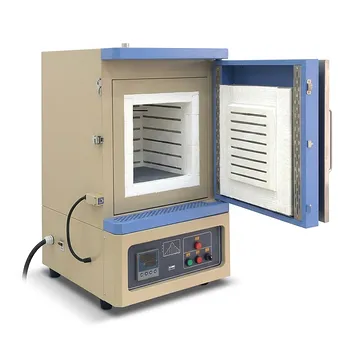
Five Side Heating Muffle Furnace High Purity Alumina Fiber 27L Chamber 1200C High Temperature Thermal Processing System for Sintering Annealing and Materials Research
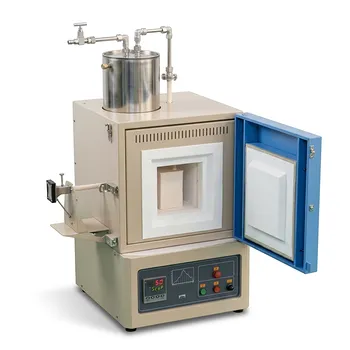
High Temperature Bench Top Muffle Furnace 1700C with Integrated Evaporating Particle Collection and 8x8x8 Alumina Fiber Chamber
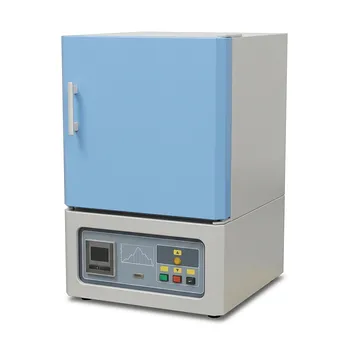
1800C Bench Top Muffle Furnace with Kanthal Super 1900 Heating Elements and 3.6L Alumina Fiber Chamber
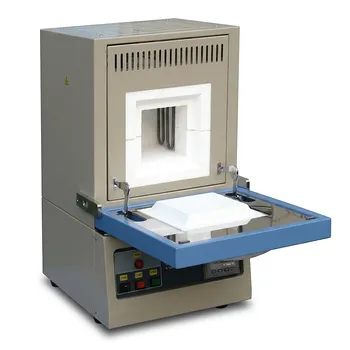
High Temperature 1800C Compact Muffle Furnace with Kanthal Super 1900 Heating Elements and 1.7L Alumina Chamber
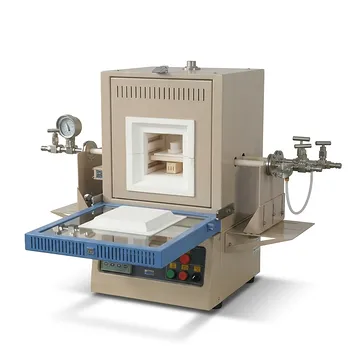
1700C Compact Hybrid Furnace with Dual Layer Box Sintering and Controlled Atmosphere Alumina Tubes
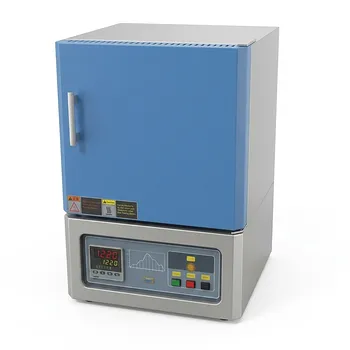
High Temperature Benchtop Muffle Furnace 1700C 10L Chamber Alumina Fiber Insulation MoSi2 Heating Elements
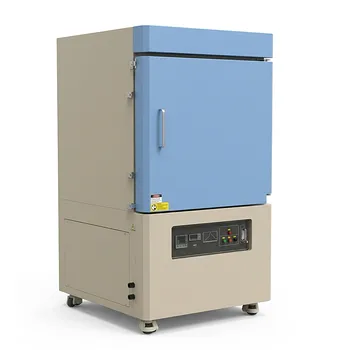
Industrial Large Box Furnace 1700C 216L High Temp Muffle Sintering System
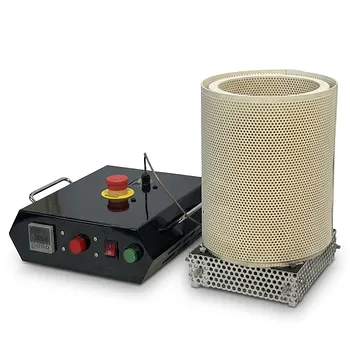
1250 C Compact Vertical Box Furnace for Glovebox Material Research Air Sensitive Samples
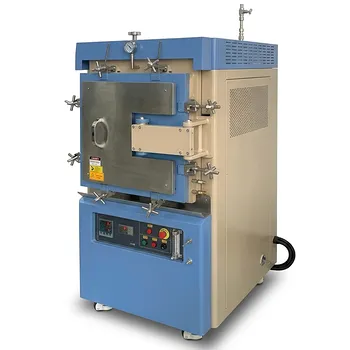
Atmosphere Controlled Muffle Furnace 1700C Maximum Temperature 80L High Capacity Vacuum Inert Gas Box Furnace
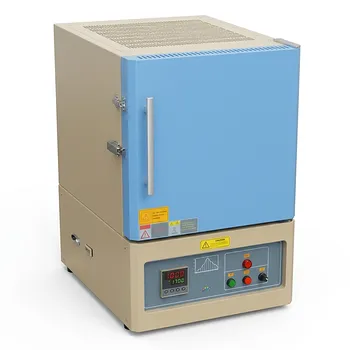
Large Bench Top 1700C High Temperature Muffle Furnace with 19L Chamber for Advanced Material Sintering and Annealing
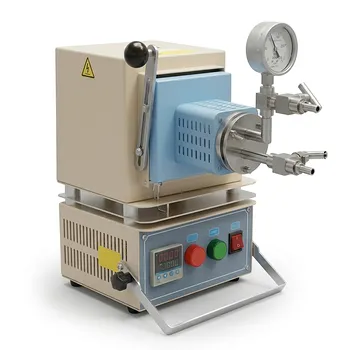
Compact Hybrid Muffle and Tube Furnace for 1000C Controlled Atmosphere Laboratory Material Sintering
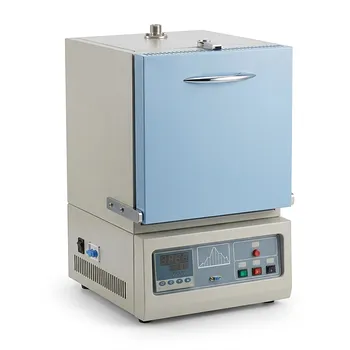
1750C Compact Muffle Furnace 1.7L Ultra High Temperature Laboratory Sintering System for Advanced Ceramics and Material Science Research
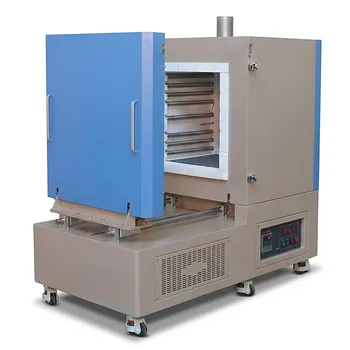
1200C Five Side Heating Muffle Furnace with Sliding Door 125L Volume High Temperature Heat Treatment System for Large Scale Sintering and Annealing
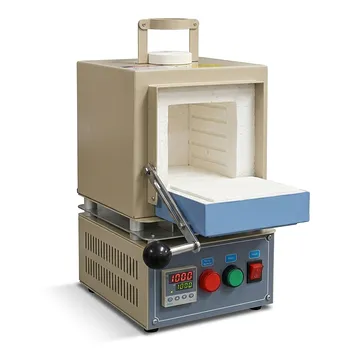
Compact 1000C Muffle Furnace with Programmable Controller and 2 Inch Top Port for Vacuum and Atmosphere Material Research
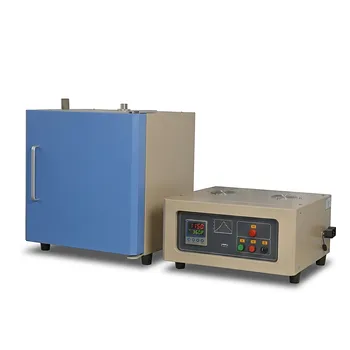
High Temperature Muffle Furnace with Alloy Chamber for Debinding and Sintering Applications
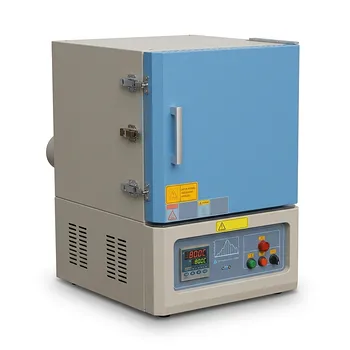
1800C Bench Top Muffle Furnace 18 Liters with Kanthal Super 1900 Heating Elements for High Purity Ceramic Sintering and Material Research