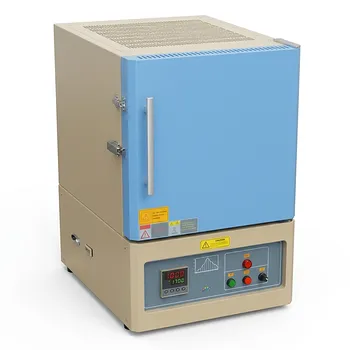
Why is the thermal environment provided by high-precision laboratory ovens or muffle furnaces essential? Achieve Precision.
Updated 3 months ago
High-performance material synthesis is a game of molecular precision where temperature acts as the primary catalyst for structural evolution. High-precision laboratory ovens and muffle furnaces provide the sophisticated temperature control and uniform thermal fields necessary to induce specific crystalline phase transformations, promote atomic diffusion, and ensure densification. Without this level of control, materials fail to achieve the specific microscopic structures required for advanced physical and chemical performance.
Core Takeaway: Precision thermal environments transform raw reactants into high-performance materials by regulating the energy required for molecular restructuring. The ability to maintain absolute uniformity and follow exact heating curves is what separates a successful, repeatable synthesis from a failed experiment.
The Role of Precise Energy Regulation
Inducing Phase Transformations and Densification
High-precision furnaces use sophisticated control systems to follow specific heating curves that trigger intended crystalline phase changes. This energy input is critical for densification, where the material’s porosity is reduced to improve its structural integrity and strength.
Regulating Molecular and Microscopic Structures
At the microscopic level, precise heat dictates processes like dehydration, polymerization, and carbonization. For example, in the synthesis of carbon dots, a stable 200°C environment is essential for nitrogen doping efficiency, which directly determines the final product's fluorescence quantum yield.
Promoting Atomic Diffusion and Rearrangement
High-temperature environments facilitate atomic diffusion between solid reactants, allowing atoms to move into more stable or functional positions. This rearrangement is necessary for generating new phases and optimizing the crystal structure of the material.
Thermal Uniformity and Performance Consistency
Achieving Stable Temperature Fields
A stable temperature field distribution ensures that every part of the sample experiences the exact same thermal conditions simultaneously. This uniformity prevents localized variations in the material, ensuring that the entire batch possesses identical properties.
Eliminating Internal Stress
Controlled cooling and heating cycles are vital for stress relief within a material’s structure. By providing a uniform thermal environment, furnaces help eliminate internal stresses that could otherwise lead to structural failure or unpredictable performance.
Ensuring Experimental Repeatability
Precision equipment allows researchers to replicate the exact thermal conditions across multiple trials. This experimental repeatability is the foundation of material science, allowing for the scaling of lab discoveries into reliable industrial processes.
Understanding the Trade-offs and Pitfalls
The Risk of Thermal Gradients
In lower-quality equipment, thermal gradients (hot or cold spots) can lead to non-uniform phase transitions. This results in a "hybrid" material where different sections have different physical properties, making the final product unreliable for high-performance applications.
Ramp Rate Limitations
While rapid heating may seem efficient, exceeding a material's optimal thermal ramp rate can cause thermal shock or incomplete chemical reactions. High-precision furnaces mitigate this by allowing programmable, incremental temperature increases that respect the material's kinetic limits.
Atmosphere and Contamination
Muffle furnaces operate at high temperatures where cross-contamination or oxidation can occur if the environment is not strictly managed. Choosing between an open-air box furnace and a controlled-atmosphere tube furnace is a critical decision based on the material's sensitivity to oxygen.
Applying Thermal Precision to Your Project
Making the Right Choice for Your Goal
To achieve the best results in material preparation, you must align your equipment's capabilities with your specific synthesis requirements.
- If your primary focus is consistent crystal growth: Prioritize a furnace with programmable temperature control to manage precise cooling rates and minimize internal stress.
- If your primary focus is chemical functionalization (e.g., carbon dots): Utilize a high-precision oven that can maintain a constant, low-variance temperature for long-duration polymerization.
- If your primary focus is solid-state synthesis: Select a muffle furnace with a highly stable temperature field to ensure uniform atomic diffusion across all solid reactants.
Mastering the thermal environment is the most direct path to ensuring your materials meet the rigorous demands of modern technical applications.
Summary Table:
| Key Thermal Factor | Impact on Material Synthesis | Core Benefit |
|---|---|---|
| Precise Heating Curves | Induces specific crystalline phase transformations | Optimized molecular structures |
| Thermal Uniformity | Prevents localized property variations & hot spots | Consistent batch quality |
| Controlled Cooling | Eliminates internal stresses and prevents cracks | Enhanced structural integrity |
| Energy Regulation | Promotes atomic diffusion and material densification | Superior physical performance |
| Programmable Ramp Rates | Prevents thermal shock and incomplete reactions | Experimental repeatability |
Elevate Your Material Research with THERMUNITS Precision
As a leading manufacturer of high-temperature laboratory equipment for material science and industrial R&D, THERMUNITS understands that precision is the difference between a breakthrough and a failure. We offer a comprehensive range of thermal processing solutions tailored to your specific synthesis needs, including:
- High-Temp Furnaces: Muffle, Vacuum, Atmosphere, Tube, and Rotary furnaces.
- Advanced Systems: CVD/PECVD systems, Hot Press furnaces, and Vacuum Induction Melting (VIM) furnaces.
- Specialized Equipment: Dental Furnaces, electric rotary kilns, and premium Thermal Elements.
Don't let thermal gradients compromise your high-performance materials. Partner with us to achieve absolute temperature control and experimental repeatability.
Contact THERMUNITS Today to Request a Quote
References
- Yefei Guo, Yuriy Dedkov. XPS Analysis of Fe<sub><i>x</i></sub>Ni<sub><i>y</i></sub>PS<sub>3</sub> vdW Materials Used in the Hydrogen Evolution Processes. DOI: 10.1002/cphc.202400039
Mentioned Products
- 1200C Muffle Furnace 12x8x5 7.2L Heating Chamber with Quartz Observation Window and Vent Port
- High Temperature 1200C Muffle Furnace 27L Volume 12x12x12 Chamber with Programmable PID Controller for Laboratory Material Science
- 1200C High Temperature 125L Muffle Furnace 5 Side Heating for Large Batch Sintering with Optional Alloy Debinding Chamber
- 1750C Compact Muffle Furnace 1.7L Ultra High Temperature Laboratory Sintering System for Advanced Ceramics and Material Science Research
- 1200C Five Side Heating Muffle Furnace with Sliding Door 125L Volume High Temperature Heat Treatment System for Large Scale Sintering and Annealing
People Also Ask
- What is the function of an experimental muffle furnace in the conversion of FeOOH to α-Fe2O3? Optimize Phase Transition
- Why is a muffle furnace required for MoO2@HCNF pre-oxidation? Crucial Steps for High-Performance Composites
- What is the function of a high-temperature Muffle furnace in removing residual solvents? Essential Bismuth Synthesis
- What is the function of Muffle furnace calcination? Essential steps for Pr-doped SrFeMoO6 Perovskite synthesis.
- What are the primary functions of a Muffle furnace in oxide calcination? Achieve high purity and phase control.

Tech Team · ThermUnits
Last updated on Jun 03, 2026
Related Products
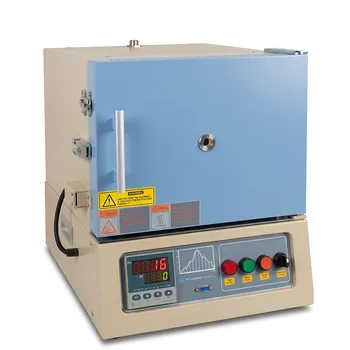
1200C Muffle Furnace 12x8x5 7.2L Heating Chamber with Quartz Observation Window and Vent Port
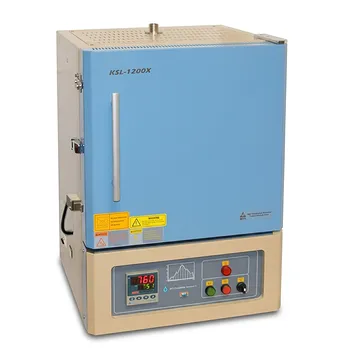
High Temperature 1200C Muffle Furnace 27L Volume 12x12x12 Chamber with Programmable PID Controller for Laboratory Material Science
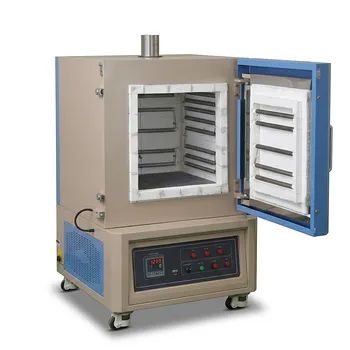
1200C High Temperature 125L Muffle Furnace 5 Side Heating for Large Batch Sintering with Optional Alloy Debinding Chamber
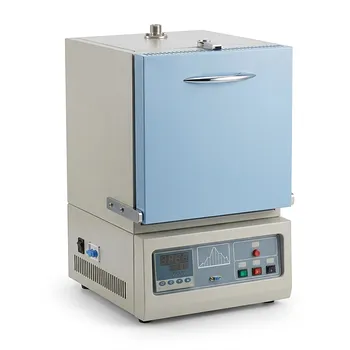
1750C Compact Muffle Furnace 1.7L Ultra High Temperature Laboratory Sintering System for Advanced Ceramics and Material Science Research
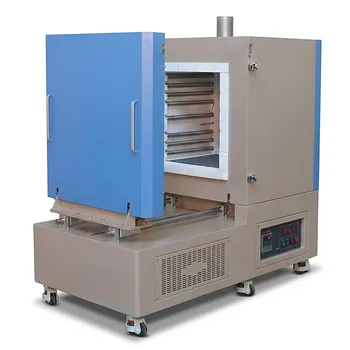
1200C Five Side Heating Muffle Furnace with Sliding Door 125L Volume High Temperature Heat Treatment System for Large Scale Sintering and Annealing
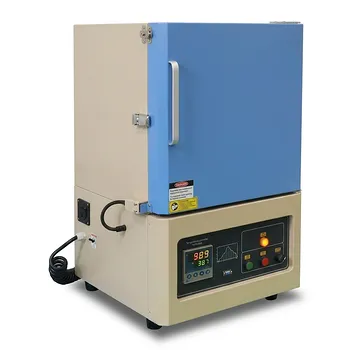
1200°C High Temperature Muffle Furnace 19L Chamber with 50 Segment Programmable Controller
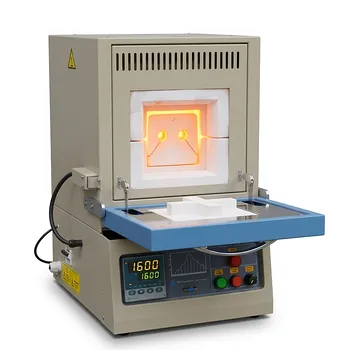
High Temperature Compact Muffle Furnace 1700 C with 30 Segment Programmable Controller and 1.7L Cubic Chamber
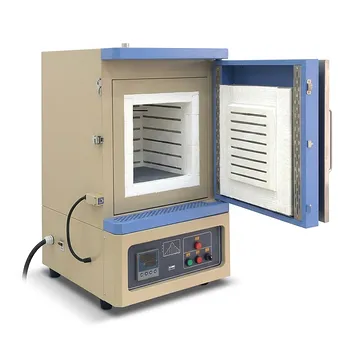
Five Side Heating Muffle Furnace High Purity Alumina Fiber 27L Chamber 1200C High Temperature Thermal Processing System for Sintering Annealing and Materials Research
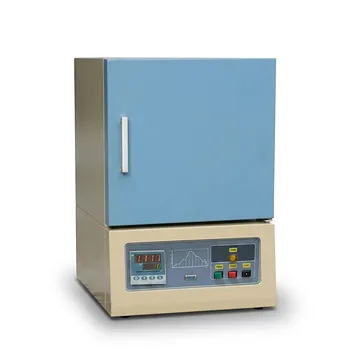
Ultra High Temperature Bench Top Muffle Furnace 1750C Sintering System with Kanthal Super Heating Elements and Precision Digital Control
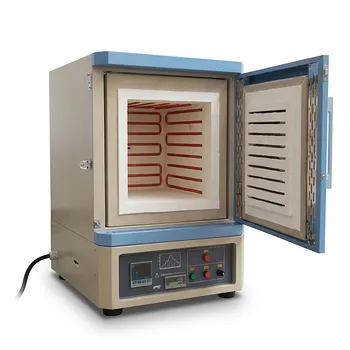
Five Side Heating Muffle Furnace 1200C High Uniformity 64L Chamber 16x16x16 Inch Industrial Heat Treatment
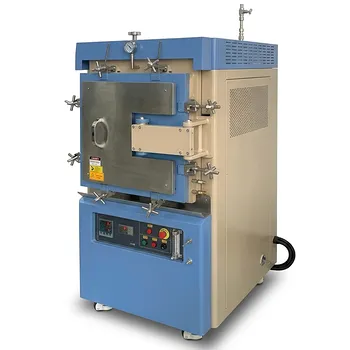
Atmosphere Controlled Muffle Furnace 1700C Maximum Temperature 80L High Capacity Vacuum Inert Gas Box Furnace
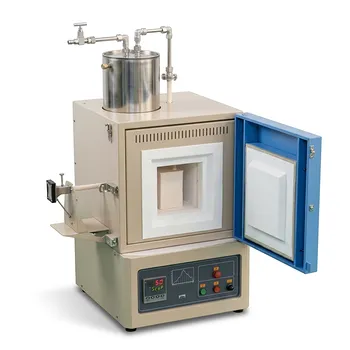
High Temperature Bench Top Muffle Furnace 1700C with Integrated Evaporating Particle Collection and 8x8x8 Alumina Fiber Chamber
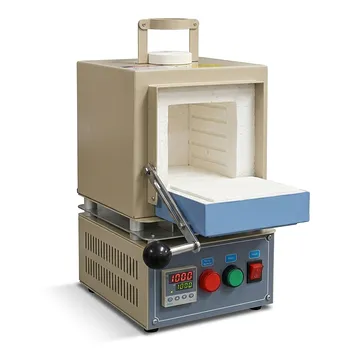
Compact 1000C Muffle Furnace with Programmable Controller and 2 Inch Top Port for Vacuum and Atmosphere Material Research
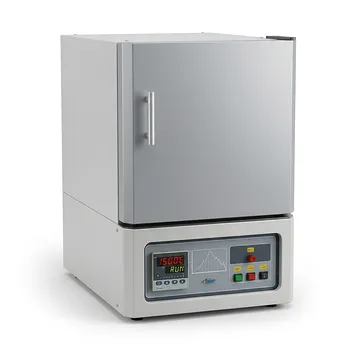
High Temperature 1500C Benchtop Muffle Furnace 3.6L Alumina Fiber Chamber Programmable Controller Sintering Annealing Carbonization Thermal Processing System
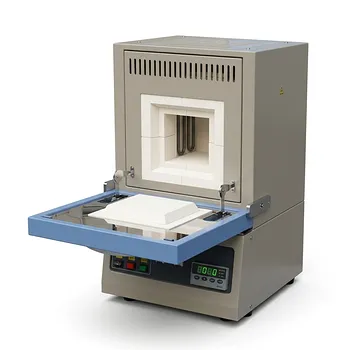
Five Sided Heating Muffle Furnace High Uniformity 1200C Lab Box Furnace 27L Alumina Fiber Chamber
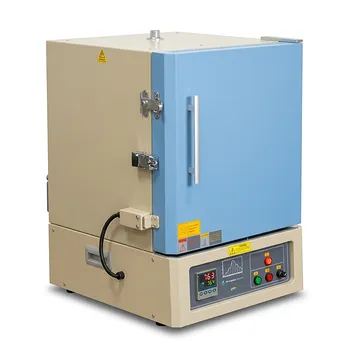
Large Capacity 1200C Muffle Furnace 64 Liter Chamber with Digital PID Controller and Built In Venting Port
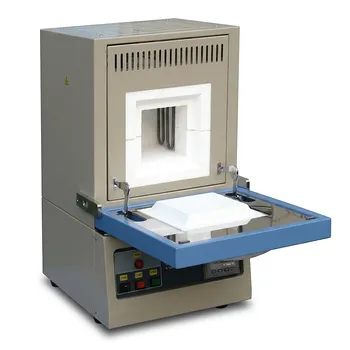
High Temperature 1800C Compact Muffle Furnace with Kanthal Super 1900 Heating Elements and 1.7L Alumina Chamber
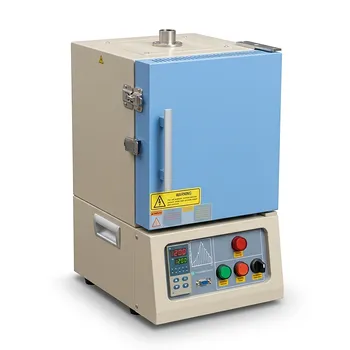
1200°C Small Box Furnace 4.2 Liter Programmable Muffle Furnace with High Purity Alumina Insulation and PID Control
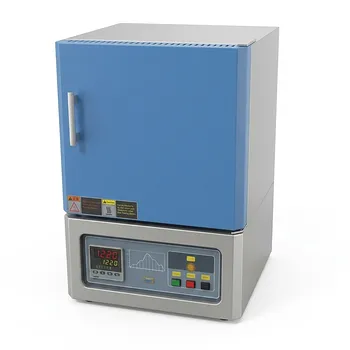
High Temperature Benchtop Muffle Furnace 1700C 10L Chamber Alumina Fiber Insulation MoSi2 Heating Elements