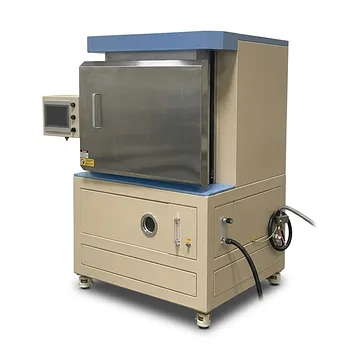
What is the role of an industrial muffle furnace in zinc volatilization kinetics? Enhancing Sample Integrity & Accuracy
Updated 3 months ago
The industrial muffle furnace serves as the critical thermal stabilization tool during the pre-treatment phase of zinc volatilization kinetics. Specifically, it is utilized for the precise drying of wet pellets—typically at 300°C for 60 minutes—to eliminate physical moisture and volatile impurities before the material undergoes high-temperature kinetic testing.
The muffle furnace ensures the physical integrity of kinetic samples by preventing rapid moisture vaporization that leads to pellet bursting. This pre-treatment step is essential for maintaining a stable experimental environment, ensuring that subsequent volatilization data is both accurate and reproducible.
Securing Sample Integrity Through Thermal Stabilization
Efficient Removal of Volatile Impurities and Moisture
In the context of zinc volatilization, the muffle furnace acts as a controlled environment to strip away residual moisture and low-boiling-point impurities. This process typically occurs at lower industrial temperatures to ensure that the removal is gradual and does not disrupt the internal structure of the pellet. By achieving a dry state, researchers can isolate the specific chemical reactions of the zinc itself during later stages.
Prevention of Sample Degradation and Bursting
If wet pellets are introduced directly into the high-temperature volatilization zone, the internal water vaporizes instantly. This rapid expansion creates internal pressure that can cause the pellets to burst or crumble, effectively ruining the sample. The muffle furnace provides the "pre-heating" necessary to transition the sample into a state capable of withstanding extreme heat without structural failure.
Ensuring Data Accuracy in Kinetic Research
For kinetic studies, the mass and surface area of the sample must remain consistent to calculate rates of reaction accurately. Any loss of material due to physical degradation (spalling) results in erroneous data. The muffle furnace ensures that the sample entering the reaction chamber is a cohesive, stable solid, providing a reliable baseline for measurement.
Optimizing the Chemical Foundation for Volatilization
Facilitating Phase Transformations and Crystallinity
Beyond simple drying, higher-temperature pre-treatment in a muffle furnace can trigger the complete chemical transformation of precursors. For example, it can convert zinc hydroxide into zinc oxide or drive phase transitions from amorphous states to stable crystalline structures. This reorganization is vital because the crystallinity and thermal stability of the material directly influence how zinc will eventually volatilize.
Decomposition of Complex Impurities
In studies involving zinc leaching residues, the muffle furnace provides the thermal energy required to decompose minerals like jarosite and gypsum. By removing hydroxyl and sulfate groups at temperatures around 700°C, the furnace transforms complex residues into anhydrous oxides. This creates a more uniform mixture that is better suited for subsequent reduction smelting and volatilization processes.
Establishing Solid-Phase Diffusion
In more complex mixtures involving copper or iron oxides, the muffle furnace facilitates initial solid-phase diffusion. This preliminary "calcination" establishes a uniform structural foundation among the powders. By reducing volatile components early, the furnace ensures that the final high-temperature sintering or volatilization is not disrupted by unexpected gas evolution.
Understanding the Trade-offs and Pitfalls
The Risk of Over-Calcination
While pre-treatment is necessary, excessive temperature or duration can lead to premature sintering. If the pores of the material close too early due to over-heating in the muffle furnace, the subsequent volatilization of zinc may be hindered. This creates a "diffusion barrier" that can artificially slow down the measured kinetics, leading to inaccurate conclusions about the material's reactivity.
Chemical Inertia vs. Activity
Pre-treatment is a balancing act between stabilizing the sample and maintaining its chemical activity. For instance, while removing volatiles from biochar or clay additives makes them safer to handle, overheating can reduce their effectiveness as catalysts or reducing agents. Researchers must carefully calibrate the furnace temperature to ensure impurities are removed without neutralizing the sample's functional properties.
How to Apply This to Your Research Project
To achieve the best results in zinc volatilization kinetics, the use of the muffle furnace must be tailored to the specific composition of your starting material.
- If your primary focus is Physical Sample Integrity: Use a low-temperature soak (approx. 300°C) for at least 60 minutes to ensure all internal moisture is evacuated before high-temperature exposure.
- If your primary focus is Chemical Phase Accuracy: Implement a higher-temperature calcination (500°C–750°C) to ensure precursors like zinc hydroxide are fully converted to zinc oxide prior to the kinetic study.
- If your primary focus is Complex Residue Processing: Utilize the furnace to drive off structural water and sulfate groups (approx. 700°C) to simplify the matrix of leaching residues for more predictable smelting results.
Properly executed pre-treatment in a muffle furnace transforms inconsistent raw materials into standardized kinetic samples, forming the bedrock of reliable metallurgical research.
Summary Table:
| Pre-treatment Goal | Typical Conditions | Key Benefit for Kinetics Research |
|---|---|---|
| Moisture Removal | 300°C (60 mins) | Prevents pellet bursting and physical degradation. |
| Phase Transformation | 500°C – 750°C | Converts precursors (e.g., Zn(OH)2) into stable oxides. |
| Impurity Removal | ~700°C | Decomposes jarosite and gypsum to simplify the matrix. |
| Structural Stability | Solid-phase diffusion | Ensures consistent surface area for accurate rate data. |
Advance Your Metallurgical Research with THERMUNITS
Precision in the pre-treatment stage is the foundation of reliable kinetic data. As a leading manufacturer of high-temperature laboratory equipment, THERMUNITS provides the advanced thermal processing solutions required for rigorous material science and industrial R&D.
Whether you are analyzing zinc volatilization or exploring complex phase transformations, our comprehensive range—including Muffle, Vacuum, Atmosphere, Tube, Rotary, and Hot Press furnaces, as well as CVD/PECVD systems, Dental Furnaces, and Vacuum Induction Melting (VIM) units—is engineered for superior temperature uniformity and control.
Why partner with THERMUNITS?
- Unmatched Precision: Achieve exact thermal stabilization to prevent sample spalling and data errors.
- Versatile Solutions: From specialized thermal elements to industrial-scale electric rotary kilns.
- Built for R&D: Optimized equipment designed to handle complex residues and sensitive chemical transformations.
Ready to elevate your lab's capabilities? Contact our technical experts today to find the perfect furnace solution for your research requirements!
References
- Zeng Peng, Xuchang Wei. Volatilization Kinetics of Zinc from the Flotation Products of Low-Grade Lead–Zinc Oxide Ore during Carbothermic Reduction. DOI: 10.3390/su16062326
Mentioned Products
- 1200C High Temperature Muffle Furnace with Motorized Door and Automated PC Control for Industrial Sintering and Material Processing 27 Liter
- 1200C Five Side Heating Muffle Furnace with Sliding Door 125L Volume High Temperature Heat Treatment System for Large Scale Sintering and Annealing
- High Temperature Muffle Furnace with Alloy Chamber for Debinding and Sintering Applications
- 1200C High Temperature 125L Muffle Furnace 5 Side Heating for Large Batch Sintering with Optional Alloy Debinding Chamber
- Large Bench Top 1700C High Temperature Muffle Furnace with 19L Chamber for Advanced Material Sintering and Annealing
People Also Ask
- What is the role of a High-Temperature Muffle Furnace in the synthesis of bulk graphitic carbon nitride (CN)? Expert Guide
- What safety features are standard in high-temperature muffle furnaces? Essential Guide to Laboratory Equipment Safety
- What is the purpose of preheating charcoal in a high-temperature muffle furnace? Ensure Accuracy in Zinc Reduction.
- What is the role of a high-temperature muffle furnace or tube furnace in the preparation of Na2WO4/SiO2 catalysts?
- What role does a high-temperature muffle furnace play in ash content analysis? Ensure Purity & Adsorption Efficiency

Tech Team · ThermUnits
Last updated on Jun 03, 2026
Related Products
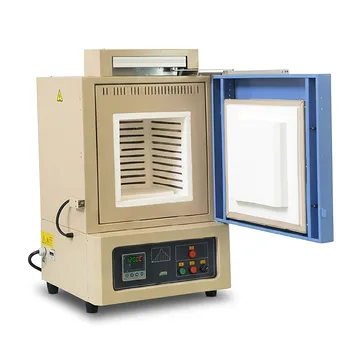
1200C High Temperature Muffle Furnace with Motorized Door and Automated PC Control for Industrial Sintering and Material Processing 27 Liter
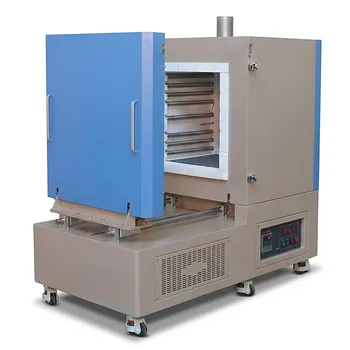
1200C Five Side Heating Muffle Furnace with Sliding Door 125L Volume High Temperature Heat Treatment System for Large Scale Sintering and Annealing
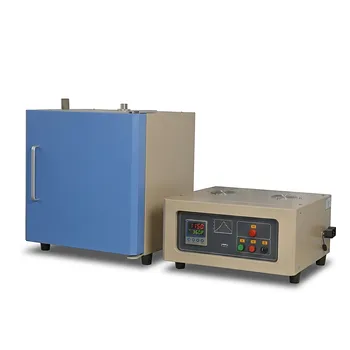
High Temperature Muffle Furnace with Alloy Chamber for Debinding and Sintering Applications
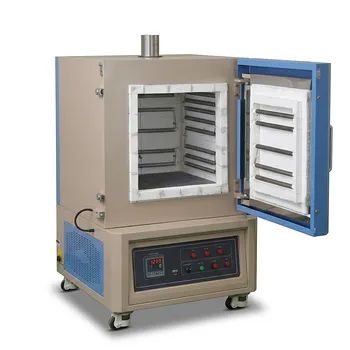
1200C High Temperature 125L Muffle Furnace 5 Side Heating for Large Batch Sintering with Optional Alloy Debinding Chamber
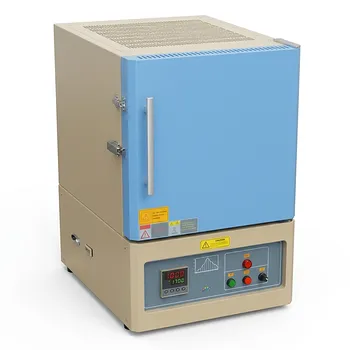
Large Bench Top 1700C High Temperature Muffle Furnace with 19L Chamber for Advanced Material Sintering and Annealing
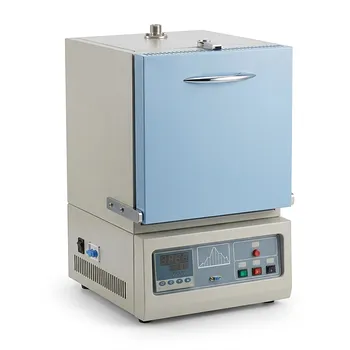
1750C Compact Muffle Furnace 1.7L Ultra High Temperature Laboratory Sintering System for Advanced Ceramics and Material Science Research
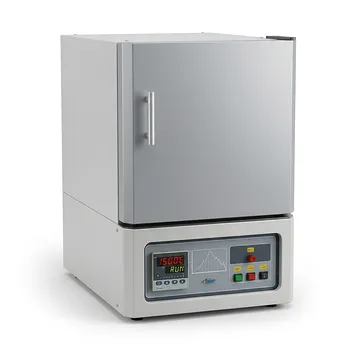
High Temperature 1500C Benchtop Muffle Furnace 3.6L Alumina Fiber Chamber Programmable Controller Sintering Annealing Carbonization Thermal Processing System
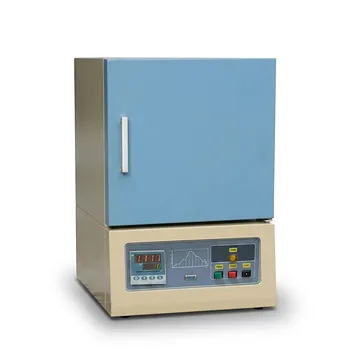
Ultra High Temperature Bench Top Muffle Furnace 1750C Sintering System with Kanthal Super Heating Elements and Precision Digital Control
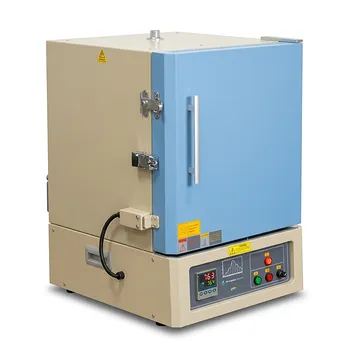
Large Capacity 1200C Muffle Furnace 64 Liter Chamber with Digital PID Controller and Built In Venting Port
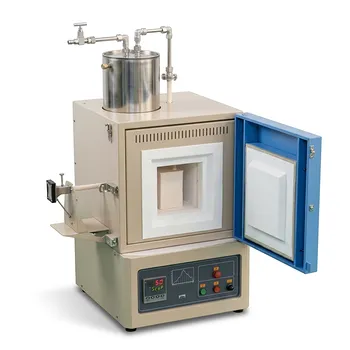
High Temperature Bench Top Muffle Furnace 1700C with Integrated Evaporating Particle Collection and 8x8x8 Alumina Fiber Chamber
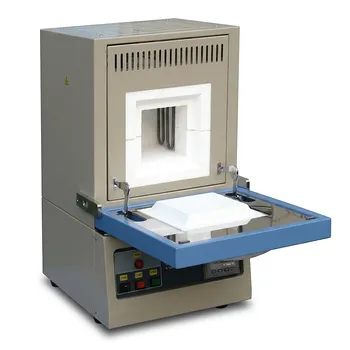
High Temperature 1800C Compact Muffle Furnace with Kanthal Super 1900 Heating Elements and 1.7L Alumina Chamber
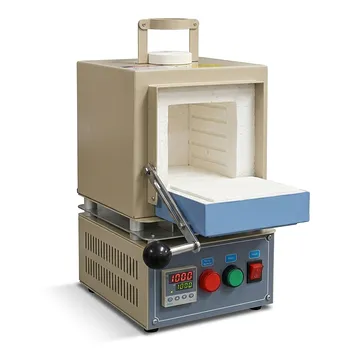
Compact 1000C Muffle Furnace with Programmable Controller and 2 Inch Top Port for Vacuum and Atmosphere Material Research
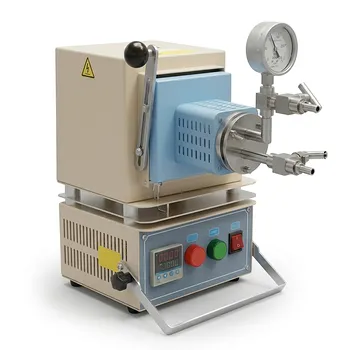
Compact Hybrid Muffle and Tube Furnace for 1000C Controlled Atmosphere Laboratory Material Sintering
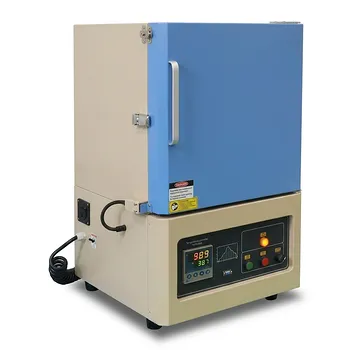
1200°C High Temperature Muffle Furnace 19L Chamber with 50 Segment Programmable Controller
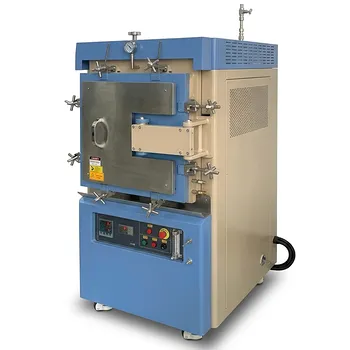
Atmosphere Controlled Muffle Furnace 1700C Maximum Temperature 80L High Capacity Vacuum Inert Gas Box Furnace
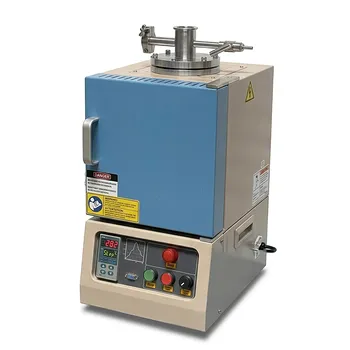
High Temperature Hybrid Muffle and Tube Furnace with Vacuum Capability and PID Control
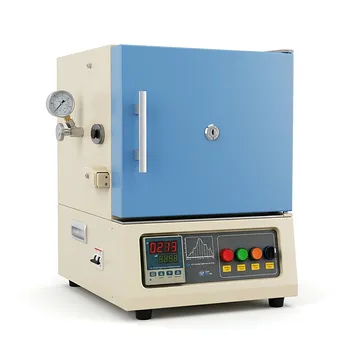
1200C Hybrid Muffle and Tube Furnace for Material Research with Dual Atmosphere Control Quartz Tubes
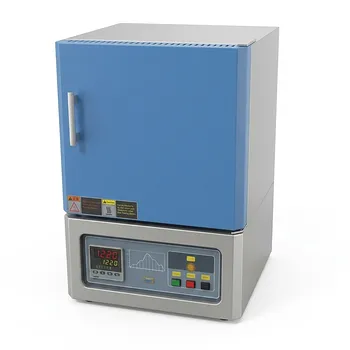
High Temperature Benchtop Muffle Furnace 1700C 10L Chamber Alumina Fiber Insulation MoSi2 Heating Elements
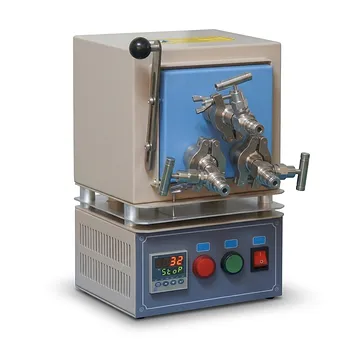
Triple Tube Compact Hybrid Muffle Furnace 1000C High Vacuum Thermal Processing System