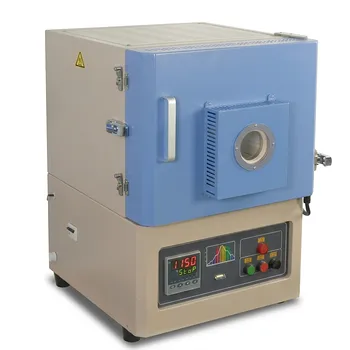
What is the purpose of preheating charcoal in a high-temperature muffle furnace? Ensure Accuracy in Zinc Reduction.
Updated 3 months ago
Preheating charcoal at high temperatures is a critical preparation step designed to eliminate volatile components that would otherwise skew experimental data. This process involves heating the charcoal—typically to 1,000°C for one hour in a closed crucible—to ensure that any subsequent weight loss recorded during willemite reduction is exclusively caused by the chemical reduction of zinc. By removing these impurities beforehand, researchers can guarantee that the mass loss measurements reflect the reaction's progress rather than the evaporation of the reducing agent.
To ensure experimental precision, charcoal must be stabilized through high-temperature pre-treatment to remove volatile organic compounds. This isolates the zinc reduction reaction as the sole variable for mass change, providing a reliable foundation for kinetic analysis and mass balance calculations.
The Role of Volatile Removal in Experimental Integrity
Eliminating Measurement Noise
In willemite reduction experiments, researchers track the mass loss of the sample to determine the rate and efficiency of the zinc extraction. Raw charcoal contains significant amounts of moisture and volatile organic compounds (VOCs) that evaporate when heated. If these are not removed beforehand, the experiment cannot distinguish between weight lost from the charcoal and weight lost from the reduction of zinc oxide.
Standardizing the Reducing Agent
Preheating transforms raw charcoal into a more stable, carbon-rich material with predictable behavior. This standardization allows for a direct comparison between different experimental runs, as the "baseline" of the reducing agent is consistent. Without this step, variations in the volatile content of different charcoal batches would introduce uncontrolled variables into the study.
Technical Execution and Pyrolysis Dynamics
High-Temperature Pyrolysis in Closed Crucibles
The charcoal is heated to 1,000°C within a closed crucible to trigger intense pyrolysis while preventing the carbon from reacting with oxygen in the air. This specific temperature is high enough to ensure the thorough expulsion of even the most complex volatile components. Maintaining this heat for one hour ensures that the core of the charcoal particles—which should be less than 300 micrometers—is fully treated.
Impact on Mass Balance Calculations
Reliable data is the cornerstone of mass balance equations used to calculate the zinc extraction rate. By using pre-treated charcoal, the final weight of the residue can be accurately compared to the starting weight of the minerals. This allows researchers to confirm that the unreduced minerals and newly formed silicates are the only remaining components in the final mass.
Understanding the Trade-offs
Risk of Premature Oxidation
While high heat is necessary, any exposure to oxygen during the preheating phase will cause the carbon to oxidize into CO2, effectively "wasting" the reducing agent. It is vital to use sealed or closed crucibles to maintain an inert-like environment during the 1,000°C soak. Failure to do so reduces the carbon recovery and may change the physical structure of the charcoal.
Energy Consumption and Processing Time
Pre-treating charcoal adds an extra hour of high-temperature furnace time plus cooling periods, which increases the energy footprint of the experiment. However, skipping this step often leads to inaccurate data that requires the entire experiment to be repeated. The technical trade-off favors precision over the minor time and energy savings of using raw charcoal.
How to Apply This to Your Project
When preparing for willemite reduction or similar metallurgical experiments, your approach to charcoal preparation should align with your specific data requirements.
- If your primary focus is Kinetic Accuracy: Ensure charcoal is heated to at least 1,000°C in a tightly sealed container to remove all volatiles, ensuring that every milligram of mass loss during the experiment represents a chemical reduction event.
- If your primary focus is Mass Balance Verification: Use the pre-treated charcoal to ensure that the "carbon-in" value is stable, which simplifies the final analysis of the residue after the reduction is complete.
- If your primary focus is Smoke/Emission Control: Use the preheating step to evaluate the charcoal’s combustion characteristics and reduce the production of smoke during the main experimental phase.
By rigorously pre-treating your reducing agent, you transform a variable raw material into a precise scientific tool, ensuring the integrity of your metallurgical findings.
Summary Table:
| Parameter | Specification | Key Benefit |
|---|---|---|
| Temperature | 1,000°C | Complete removal of volatile organic compounds (VOCs) |
| Duration | 1 Hour | Ensures uniform pyrolysis of particles (<300 μm) |
| Environment | Closed Crucible | Prevents premature carbon oxidation/loss |
| Measurement | Mass Balance | Isolates zinc reduction as the sole weight loss variable |
| Outcome | Data Integrity | Standardizes the reducing agent for kinetic analysis |
Elevate Your Research Precision with THERMUNITS
To achieve the rigorous accuracy required for willemite reduction and metallurgical analysis, your thermal equipment must deliver consistent, high-performance results. THERMUNITS is a leading manufacturer of high-temperature laboratory equipment specifically designed for material science and industrial R&D.
Our comprehensive range of thermal processing solutions empowers researchers to maintain total control over their experiments:
- Muffle & Atmosphere Furnaces: Perfect for stable charcoal pre-treatment and VOC removal.
- Vacuum & Tube Furnaces: Essential for controlled environment reduction and inert-gas processing.
- Advanced Systems: Including CVD/PECVD, Rotary Kilns, Vacuum Induction Melting (VIM), and Hot Press furnaces.
Whether you are refining zinc extraction techniques or developing new alloys, THERMUNITS provides the durability and temperature uniformity your lab demands.
Ready to optimize your thermal processing? Contact our technical experts today to find the ideal furnace solution for your project!
References
- Vitória Silva Coimbra, Victor de Alvarenga Oliveira. Carbothermic reduction of a willemite concentrate for use in the Waelz process. DOI: 10.17159/2411-9717/2516/2023
Mentioned Products
- 1200C High Temperature Muffle Furnace with Motorized Door and Automated PC Control for Industrial Sintering and Material Processing 27 Liter
- High Temperature 1700C Bench Top Muffle Furnace with Alumina Fiber Insulation and 3.6L Chamber Capacity for Precision Sintering and Heat Treatment
- High Temperature 1500C Benchtop Muffle Furnace 3.6L Alumina Fiber Chamber Programmable Controller Sintering Annealing Carbonization Thermal Processing System
- 1200°C High Temperature Muffle Furnace 19L Chamber with 50 Segment Programmable Controller
- Large Bench Top 1700C High Temperature Muffle Furnace with 19L Chamber for Advanced Material Sintering and Annealing
People Also Ask
- What is the role of a High-Temperature Muffle Furnace in the synthesis of bulk graphitic carbon nitride (CN)? Expert Guide
- What safety features are standard in high-temperature muffle furnaces? Essential Guide to Laboratory Equipment Safety
- What is the role of a high-temperature muffle furnace or tube furnace in the preparation of Na2WO4/SiO2 catalysts?
- What role does a high-temperature muffle furnace play in ash content analysis? Ensure Purity & Adsorption Efficiency
- What role does a High-Temperature Muffle Furnace play in NiMoO4 synthesis? Achieve Precise Thermal Precursor Conversion

Tech Team · ThermUnits
Last updated on Jun 02, 2026
Related Products
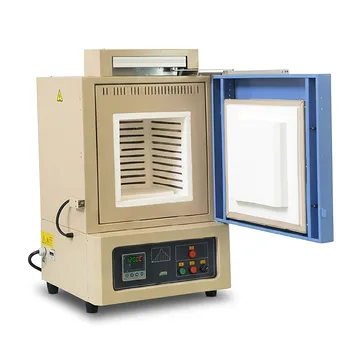
1200C High Temperature Muffle Furnace with Motorized Door and Automated PC Control for Industrial Sintering and Material Processing 27 Liter
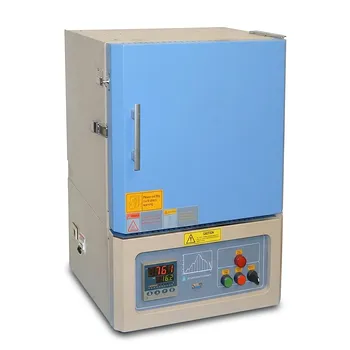
High Temperature 1700C Bench Top Muffle Furnace with Alumina Fiber Insulation and 3.6L Chamber Capacity for Precision Sintering and Heat Treatment
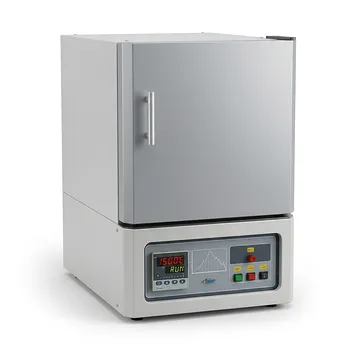
High Temperature 1500C Benchtop Muffle Furnace 3.6L Alumina Fiber Chamber Programmable Controller Sintering Annealing Carbonization Thermal Processing System
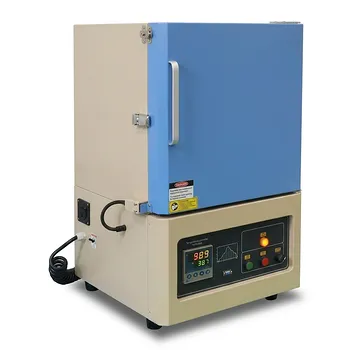
1200°C High Temperature Muffle Furnace 19L Chamber with 50 Segment Programmable Controller
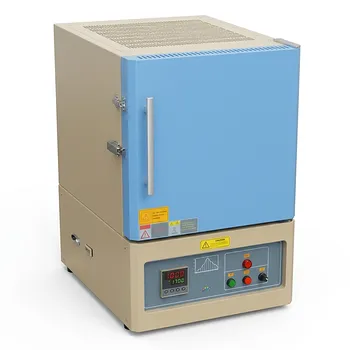
Large Bench Top 1700C High Temperature Muffle Furnace with 19L Chamber for Advanced Material Sintering and Annealing
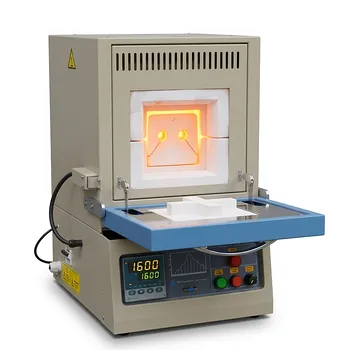
High Temperature Compact Muffle Furnace 1700 C with 30 Segment Programmable Controller and 1.7L Cubic Chamber
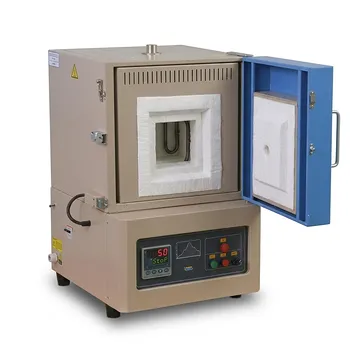
1800°C Bench Top Ultra High Temperature Muffle Furnace with Sapphire Observation Window and Top Feeding Port for Materials Research and Thermal Processing
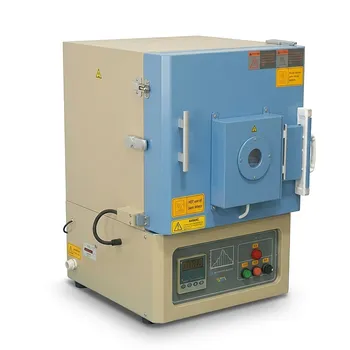
High Temperature Benchtop Muffle Furnace 1500C with 3.6L Chamber and Quartz Observation Window
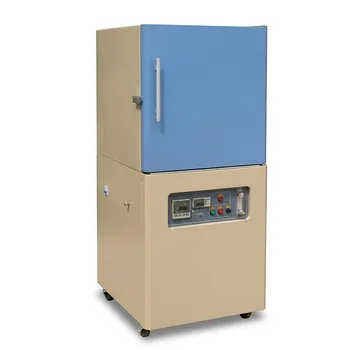
High Temperature Muffle Furnace with Dual Controllers and 36L Large Chamber 1700C Max
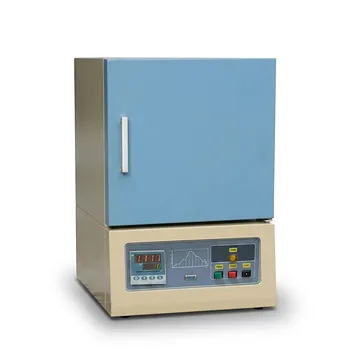
Ultra High Temperature Bench Top Muffle Furnace 1750C Sintering System with Kanthal Super Heating Elements and Precision Digital Control
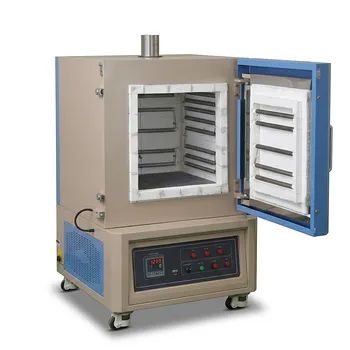
1200C High Temperature 125L Muffle Furnace 5 Side Heating for Large Batch Sintering with Optional Alloy Debinding Chamber
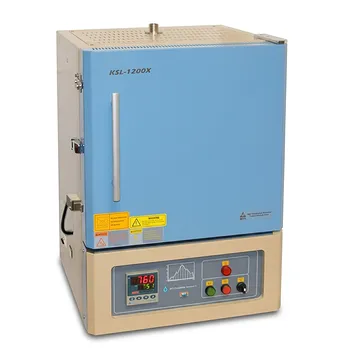
High Temperature 1200C Muffle Furnace 27L Volume 12x12x12 Chamber with Programmable PID Controller for Laboratory Material Science
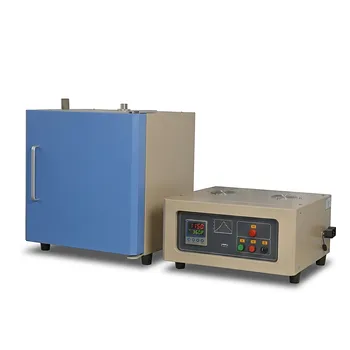
High Temperature Muffle Furnace with Alloy Chamber for Debinding and Sintering Applications
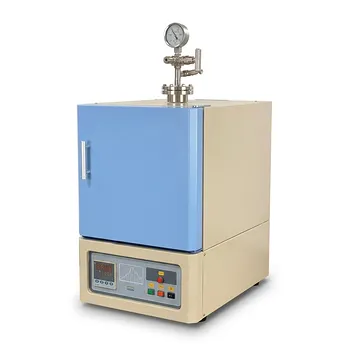
Hybrid High Temperature Muffle and Tube Furnace with 1500C Capability and Vacuum Flange Assembly
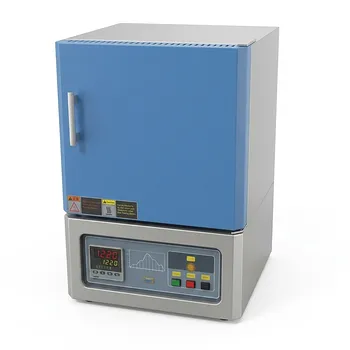
High Temperature Benchtop Muffle Furnace 1700C 10L Chamber Alumina Fiber Insulation MoSi2 Heating Elements
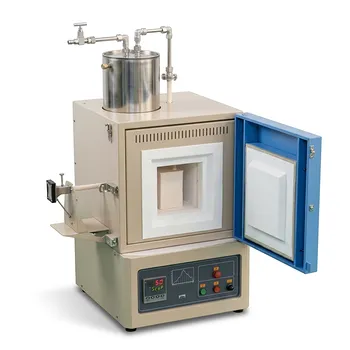
High Temperature Bench Top Muffle Furnace 1700C with Integrated Evaporating Particle Collection and 8x8x8 Alumina Fiber Chamber
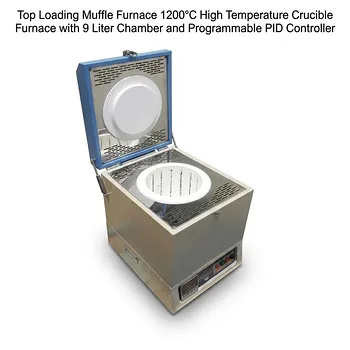
Top Loading Muffle Furnace 1200°C High Temperature Crucible Furnace with 9 Liter Chamber and Programmable PID Controller
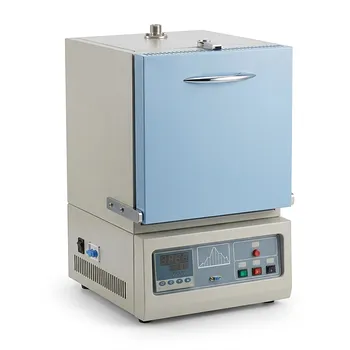
1750C Compact Muffle Furnace 1.7L Ultra High Temperature Laboratory Sintering System for Advanced Ceramics and Material Science Research
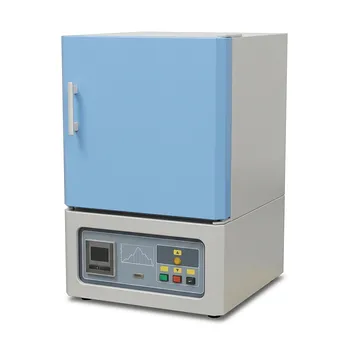
1800C Bench Top Muffle Furnace with Kanthal Super 1900 Heating Elements and 3.6L Alumina Fiber Chamber