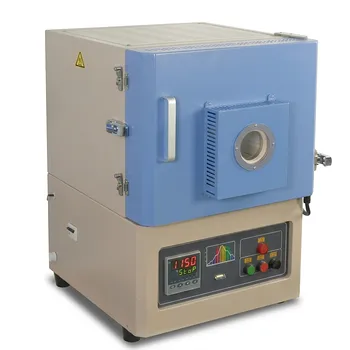
How is a high-temperature muffle furnace utilized to convert composite materials into PCC@Co3O4? Precision Thermal Guide
Updated 3 months ago
The high-temperature muffle furnace converts carbonized precursors into PCC@Co3O4 through a precision-controlled oxidation process in an air atmosphere. By maintaining a steady environment at 500°C with a slow heating ramp of 1°C per minute, the furnace triggers the chemical transformation of cobalt-based components embedded within the carbon substrate. This specific thermal treatment ensures the formation of a stable Co3O4 crystal phase, which serves as a vital intermediate for subsequent material processing.
The muffle furnace acts as a controlled thermodynamic reactor that enables the in-situ oxidation of cobalt precursors into crystalline Co3O4 while preserving the structural integrity of the composite. This precise thermal management is essential for achieving the specific phase purity and interfacial conductivity required for advanced catalytic applications.
Facilitating Controlled Thermal Oxidation
The Importance of a 500°C Air Atmosphere
The muffle furnace provides a stable, oxygen-rich environment necessary for the thermal decomposition of cobalt-based precursors. At the target temperature of 500°C, the furnace facilitates the reaction between atmospheric oxygen and the cobalt components within the carbonized product.
This process is not merely heating; it is a chemical transformation that converts raw metallic or hydroxide cobalt sources into a specific oxide phase. The air atmosphere ensures that the oxidation is complete, preventing the formation of undesired lower-order oxides.
Establishing the Intermediate Phase
The resulting Co3O4–carbon composite acts as a critical intermediate, particularly for processes like selenization. By producing a consistent oxide layer at this stage, the furnace ensures that later chemical substitutions occur uniformly across the material's surface.
The Role of Precise Thermal Ramping
Managing the 1°C per Minute Heating Rate
A defining characteristic of this synthesis is the extremely slow heating ramp of 1°C per minute. The muffle furnace’s ability to maintain this precise ramp prevents thermal shock and ensures that the internal and external temperatures of the composite remain synchronized.
This slow progression allows for controlled pyrolysis and gas evolution, which protects the porous structure of the carbon substrate (PCC) from collapsing. Rapid heating could lead to aggressive oxidation, potentially combusting the carbon carrier rather than just oxidizing the cobalt.
Inducing High-Quality Crystallinity
The furnace's uniform heat distribution is critical for the development of high-density Co3O4 nanoparticles. By providing a constant, long-term thermal environment, the furnace facilitates the recrystallization of amorphous intermediates into a highly crystalline spinel phase.
Precise temperature control at this stage directly influences the grain size and electronic conductivity of the final product. High crystallinity is essential for enhancing the migration efficiency of electrons during catalytic or electrochemical reactions.
Understanding the Trade-offs
Risk of Substrate Combustion
The primary trade-off in using an air-atmosphere muffle furnace is the risk of excessive carbon oxidation. If the temperature exceeds the stability threshold of the carbon substrate, the "PCC" component may burn away entirely, leaving only bulk oxide powder rather than a composite.
Balancing Time and Energy Efficiency
Achieving high phase purity through a 1°C/min ramp and long-duration calcination is energy-intensive. While this produces superior material quality, it increases the synthesis time significantly compared to flash-calcination methods, which may offer higher throughput but lower crystal quality.
Atmosphere Limitations
Muffle furnaces operating in open air cannot easily handle materials that require reducing atmospheres (like hydrogen) or specialized doping (like sulfur) without additional containment. For complex heterostructures, the oxygen-rich environment of a standard muffle furnace must be strictly monitored to prevent over-oxidation of sensitive interfaces.
How to Apply This to Your Project
Recommendations for Material Synthesis
The success of the PCC@Co3O4 conversion depends on aligning the furnace settings with your specific material goals.
- If your primary focus is Phase Purity: Use the precise 1°C/min ramp to ensure the cobalt source completely transforms into the Co3O4 spinel phase without residual amorphous impurities.
- If your primary focus is Structural Integrity: Monitor the 500°C threshold closely to ensure the carbonized substrate remains stable and does not undergo unwanted combustion in the air atmosphere.
- If your primary focus is Catalytic Activity: Prioritize the muffle furnace’s ability to induce high-density oxygen vacancies and synergistic interfaces through consistent, long-term thermal annealing.
The high-temperature muffle furnace remains the definitive tool for transforming raw precursors into high-performance crystalline composites through rigorous thermodynamic control.
Summary Table:
| Parameter | Specification | Function in Synthesis |
|---|---|---|
| Temperature | 500°C | Facilitates cobalt precursor oxidation and phase transformation. |
| Atmosphere | Air (Oxygen-rich) | Ensures complete oxidation to Co3O4 and prevents low-order oxides. |
| Heating Rate | 1°C per minute | Prevents substrate combustion and preserves porous carbon structure. |
| Target Phase | Co3O4 Spinel | Ensures high crystallinity and interfacial conductivity for catalysts. |
Elevate Your Material Research with THERMUNITS Precision Furnaces
At THERMUNITS, we understand that a precise heating ramp can make the difference between a high-performance catalyst and a failed experiment. As a leading manufacturer of high-temperature laboratory equipment, we provide the exact thermal tools required for cutting-edge material science and industrial R&D.
Our comprehensive range of thermal processing solutions includes:
- Muffle & Atmosphere Furnaces for precision oxidation and phase control.
- Vacuum, Tube, & Rotary Furnaces for specialized composite synthesis.
- CVD/PECVD Systems & Hot Press Furnaces for advanced material engineering.
- Vacuum Induction Melting (VIM), Dental Furnaces, & Electric Rotary Kilns for diverse lab and industrial needs.
Whether you are synthesizing PCC@Co3O4 or developing next-generation energy materials, our equipment ensures the uniform heat distribution and rigorous thermodynamic control your project demands.
Ready to optimize your heat treatment process? Contact THERMUNITS today!
References
- Cheng Wang, Yanwen Ma. Porous Carbon Cloth@CoSe<sub>2</sub> as Kinetics‐Enhanced and High‐Loading Integrated Sulfur Host for Lithium–Sulfur Batteries. DOI: 10.1002/adfm.202316221
Mentioned Products
- 1200C High Temperature Muffle Furnace with Motorized Door and Automated PC Control for Industrial Sintering and Material Processing 27 Liter
- High Temperature 1700C Bench Top Muffle Furnace with Alumina Fiber Insulation and 3.6L Chamber Capacity for Precision Sintering and Heat Treatment
- High Temperature 1500C Benchtop Muffle Furnace 3.6L Alumina Fiber Chamber Programmable Controller Sintering Annealing Carbonization Thermal Processing System
- 1200°C High Temperature Muffle Furnace 19L Chamber with 50 Segment Programmable Controller
- Large Bench Top 1700C High Temperature Muffle Furnace with 19L Chamber for Advanced Material Sintering and Annealing
People Also Ask
- What is the role of a High-Temperature Muffle Furnace in the synthesis of bulk graphitic carbon nitride (CN)? Expert Guide
- What safety features are standard in high-temperature muffle furnaces? Essential Guide to Laboratory Equipment Safety
- What is the purpose of preheating charcoal in a high-temperature muffle furnace? Ensure Accuracy in Zinc Reduction.
- What is the role of a high-temperature muffle furnace or tube furnace in the preparation of Na2WO4/SiO2 catalysts?
- What role does a high-temperature muffle furnace play in ash content analysis? Ensure Purity & Adsorption Efficiency

Tech Team · ThermUnits
Last updated on Jun 03, 2026
Related Products
1200C High Temperature Muffle Furnace with Motorized Door and Automated PC Control for Industrial Sintering and Material Processing 27 Liter
High Temperature 1700C Bench Top Muffle Furnace with Alumina Fiber Insulation and 3.6L Chamber Capacity for Precision Sintering and Heat Treatment
High Temperature 1500C Benchtop Muffle Furnace 3.6L Alumina Fiber Chamber Programmable Controller Sintering Annealing Carbonization Thermal Processing System
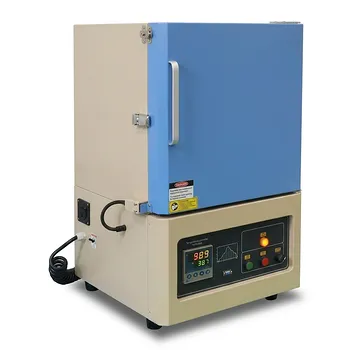
1200°C High Temperature Muffle Furnace 19L Chamber with 50 Segment Programmable Controller
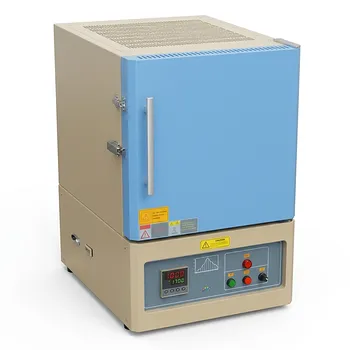
Large Bench Top 1700C High Temperature Muffle Furnace with 19L Chamber for Advanced Material Sintering and Annealing
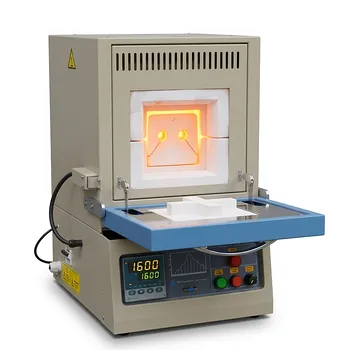
High Temperature Compact Muffle Furnace 1700 C with 30 Segment Programmable Controller and 1.7L Cubic Chamber
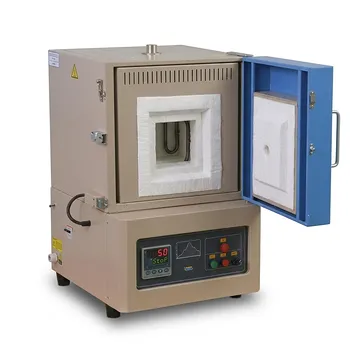
1800°C Bench Top Ultra High Temperature Muffle Furnace with Sapphire Observation Window and Top Feeding Port for Materials Research and Thermal Processing
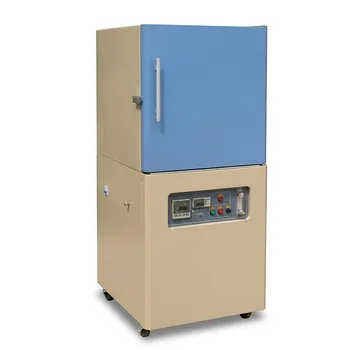
High Temperature Muffle Furnace with Dual Controllers and 36L Large Chamber 1700C Max
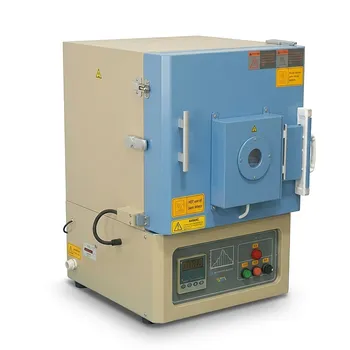
High Temperature Benchtop Muffle Furnace 1500C with 3.6L Chamber and Quartz Observation Window
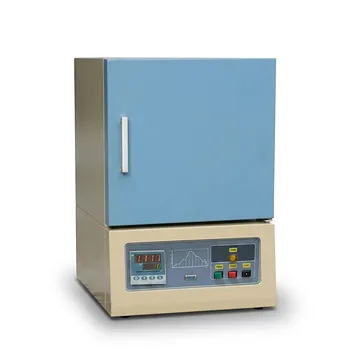
Ultra High Temperature Bench Top Muffle Furnace 1750C Sintering System with Kanthal Super Heating Elements and Precision Digital Control
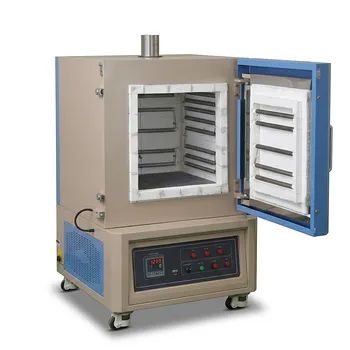
1200C High Temperature 125L Muffle Furnace 5 Side Heating for Large Batch Sintering with Optional Alloy Debinding Chamber
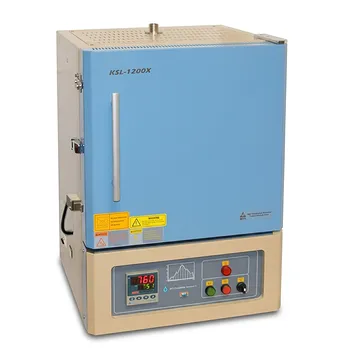
High Temperature 1200C Muffle Furnace 27L Volume 12x12x12 Chamber with Programmable PID Controller for Laboratory Material Science
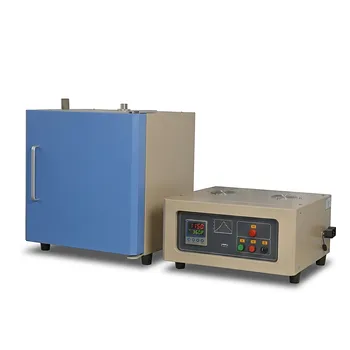
High Temperature Muffle Furnace with Alloy Chamber for Debinding and Sintering Applications
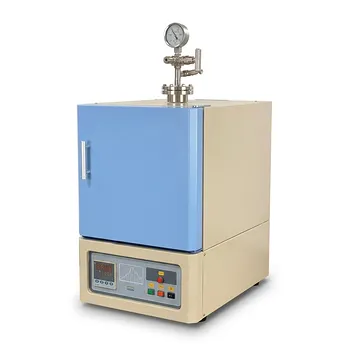
Hybrid High Temperature Muffle and Tube Furnace with 1500C Capability and Vacuum Flange Assembly
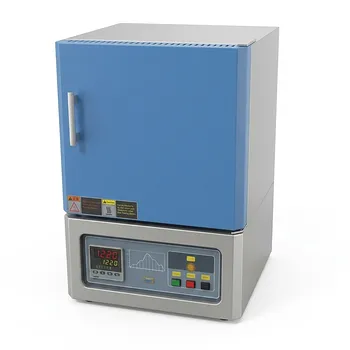
High Temperature Benchtop Muffle Furnace 1700C 10L Chamber Alumina Fiber Insulation MoSi2 Heating Elements
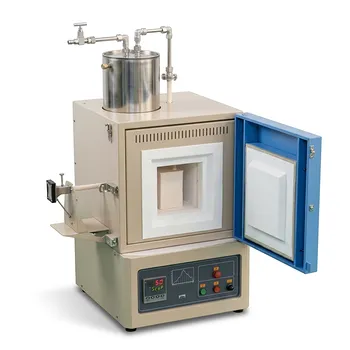
High Temperature Bench Top Muffle Furnace 1700C with Integrated Evaporating Particle Collection and 8x8x8 Alumina Fiber Chamber
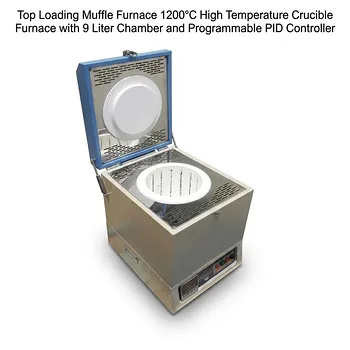
Top Loading Muffle Furnace 1200°C High Temperature Crucible Furnace with 9 Liter Chamber and Programmable PID Controller
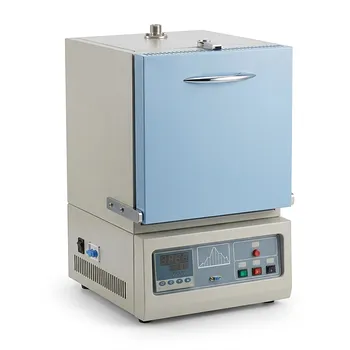
1750C Compact Muffle Furnace 1.7L Ultra High Temperature Laboratory Sintering System for Advanced Ceramics and Material Science Research
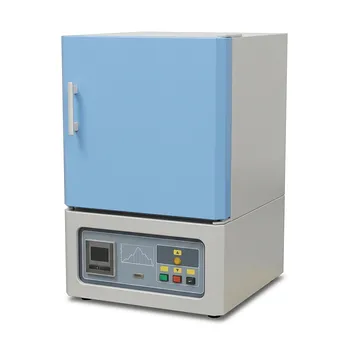
1800C Bench Top Muffle Furnace with Kanthal Super 1900 Heating Elements and 3.6L Alumina Fiber Chamber