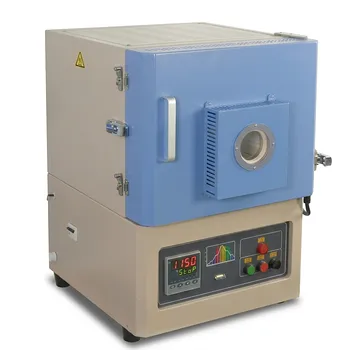
What is the function of a high-temperature muffle furnace in the preparation of biomass-based silica (bio-SiO2) platforms?
Updated 6 months ago
In the preparation of bio-SiO2 platforms, the high-temperature muffle furnace acts as the primary tool for controlled calcination. It provides a stable thermal environment necessary to oxidize and remove organic components from acid-treated biomass, such as rice husks, typically at temperatures around 550°C. This precise heating process ensures the complete elimination of the carbon matrix while preserving the intricate, multi-layered silica framework required for a functional porous carrier.
The muffle furnace is the critical equipment used to transform raw biomass into a high-purity silica platform by facilitating the selective oxidative decomposition of organic matter. This process reveals a stable, macroporous skeletal structure that serves as a foundation for catalysts and other technical applications.
The Role of Controlled Calcination
Complete Removal of Organic Matter
The primary function of the muffle furnace is to provide the heat necessary for the combustion of lignin, cellulose, and hemicellulose. By maintaining a stable temperature (often 550°C to 600°C), the furnace ensures that all residual organic components are oxidized into volatile gases.
Preservation of the Silica Framework
Unlike uncontrolled combustion, the furnace allows for a steady thermal environment that prevents the collapse of the biomass's natural architecture. This results in a bio-SiO2 platform that retains its multi-layered skeletal structure, which is vital for maintaining high surface area.
Achieving High Chemical Purity
Through precise temperature control, the muffle furnace converts acid-treated precursors into a white powdered ash primarily composed of silica. This level of purity is essential for subsequent applications where carbon impurities might interfere with chemical reactions or physical characterization.
Impact on Material Properties
Development of Porous Architectures
The furnace facilitates the removal of surfactants or organic binders, which is essential for releasing highly ordered structures. In specific synthesis processes, such as MCM-41, the furnace's programmed temperature rise (e.g., 2°C/min) ensures the surfactant is removed without damaging the mesoporous channels.
Phase Transformation and Crystallinity
The temperature setting of the muffle furnace determines whether the resulting silica is amorphous or crystalline. While 550°C generally preserves an amorphous state, higher temperatures (up to 800°C) can transform the silica into high-crystallinity phases like quartz, depending on the desired end-use.
Enhancement of Surface Characteristics
By facilitating the thermochemical decomposition of organic matter, the furnace promotes the rearrangement of the remaining structure. This results in a silica carrier with high specific surface area and defined macroporous properties, making it an ideal platform for photocatalysts.
Understanding the Trade-offs
Temperature vs. Surface Area
Higher temperatures in the muffle furnace ensure faster organic removal but increase the risk of sintering. Sintering can cause the pores to collapse, significantly reducing the surface area and the effectiveness of the bio-SiO2 platform.
Heating Rate vs. Structural Integrity
A rapid heating rate may lead to the rapid escape of gases, which can create internal pressure and crack the silica skeleton. Conversely, an overly slow ramp rate increases energy consumption and production time without necessarily improving the quality of the final carrier.
Atmosphere and Carbon Residue
The atmosphere inside the muffle furnace—whether oxygen-rich or oxygen-limited—drastically changes the result. An oxygen-limited environment may lead to biochar production rather than pure silica, leaving carbon residues that may be undesirable for high-purity silica applications.
How to Apply This to Your Project
When utilizing a muffle furnace for bio-SiO2 preparation, your settings should align with your specific material requirements and the desired purity of the final platform.
- If your primary focus is high-purity amorphous silica: Maintain a stable calcination temperature between 550°C and 600°C to ensure organic removal without inducing crystallization.
- If your primary focus is preserving a delicate mesoporous structure: Utilize a slow, programmed temperature rise (e.g., 2°C per minute) to gradually remove organic templates and prevent structural collapse.
- If your primary focus is creating a high-crystallinity quartz carrier: Increase the furnace temperature to 800°C or higher to facilitate the phase transformation of the silica ash.
- If your primary focus is biomass torrefaction or energy density: Operate the furnace at lower temperatures (around 290°C) under oxygen-limited conditions to modify the biomass without full combustion.
The precision of the high-temperature muffle furnace is what ultimately dictates the structural and chemical viability of the resulting biomass-based silica platform.
Summary Table:
| Key Function | Benefit for Bio-SiO2 Platforms | Ideal Process Parameters |
|---|---|---|
| Organic Removal | Eliminates lignin/cellulose for high chemical purity | 550°C - 600°C Calcination |
| Structural Retention | Preserves the intricate, macroporous silica skeleton | Slow Ramp Rate (e.g., 2°C/min) |
| Phase Control | Determines amorphous vs. crystalline (quartz) state | 550°C (Amorphous) to 800°C+ |
| Surface Engineering | Enhances specific surface area for catalyst support | Precise atmosphere control |
Precision Thermal Solutions for Bio-Material R&D
Achieving the perfect bio-SiO2 structure requires more than just heat—it requires absolute precision and reliability. THERMUNITS is a leading manufacturer of high-performance laboratory equipment, providing the specialized thermal processing solutions necessary for advanced material science and industrial R&D.
From high-purity biomass calcination to complex sintering, we offer a comprehensive range of equipment, including:
- Muffle & Atmosphere Furnaces (Ideal for controlled calcination)
- Vacuum & Tube Furnaces (For sensitive atmosphere-controlled tasks)
- Rotary Kilns & CVD/PECVD Systems (For continuous and thin-film synthesis)
- Vacuum Induction Melting (VIM) & Hot Press Furnaces
Ready to optimize your heat treatment process?
Contact THERMUNITS today to consult with our experts. Let us help you select the ideal equipment to ensure the structural integrity and high chemical purity of your materials.
References
- Bin Chen, Guowu Zhan. Catalytic pyrolysis of biomass to aromatics over bifunctional Ni/ZSM-5 catalysts assembled on rice husk-derived silica platform. DOI: 10.1016/j.checat.2024.100958
Mentioned Products
- 1200C High Temperature Muffle Furnace with Motorized Door and Automated PC Control for Industrial Sintering and Material Processing 27 Liter
- High Temperature 1700C Bench Top Muffle Furnace with Alumina Fiber Insulation and 3.6L Chamber Capacity for Precision Sintering and Heat Treatment
- High Temperature 1500C Benchtop Muffle Furnace 3.6L Alumina Fiber Chamber Programmable Controller Sintering Annealing Carbonization Thermal Processing System
- 1200°C High Temperature Muffle Furnace 19L Chamber with 50 Segment Programmable Controller
- Large Bench Top 1700C High Temperature Muffle Furnace with 19L Chamber for Advanced Material Sintering and Annealing
People Also Ask
- What is the role of a High-Temperature Muffle Furnace in the synthesis of bulk graphitic carbon nitride (CN)? Expert Guide
- What is the purpose of preheating charcoal in a high-temperature muffle furnace? Ensure Accuracy in Zinc Reduction.
- What safety features are standard in high-temperature muffle furnaces? Essential Guide to Laboratory Equipment Safety
- How is a high-temperature muffle furnace utilized to convert composite materials into PCC@Co3O4? Precision Thermal Guide
- What role does a high-temperature muffle furnace play in ash content analysis? Ensure Purity & Adsorption Efficiency

Tech Team · ThermUnits
Last updated on Apr 14, 2026
Related Products
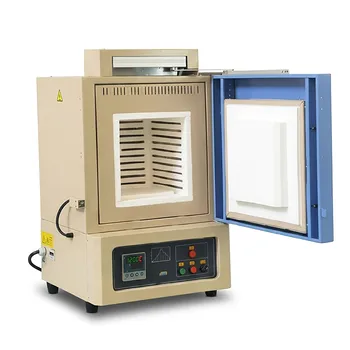
1200C High Temperature Muffle Furnace with Motorized Door and Automated PC Control for Industrial Sintering and Material Processing 27 Liter
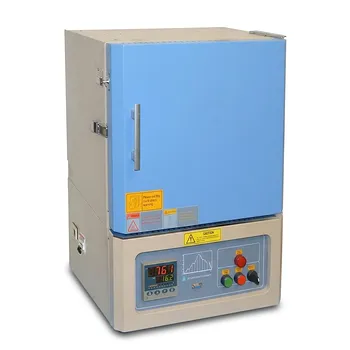
High Temperature 1700C Bench Top Muffle Furnace with Alumina Fiber Insulation and 3.6L Chamber Capacity for Precision Sintering and Heat Treatment
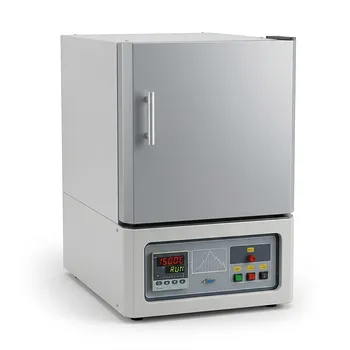
High Temperature 1500C Benchtop Muffle Furnace 3.6L Alumina Fiber Chamber Programmable Controller Sintering Annealing Carbonization Thermal Processing System
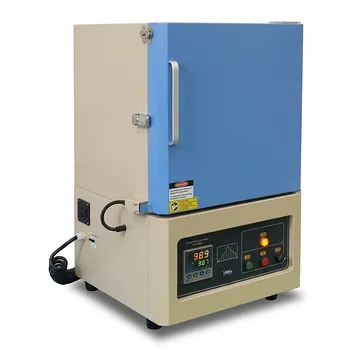
1200°C High Temperature Muffle Furnace 19L Chamber with 50 Segment Programmable Controller
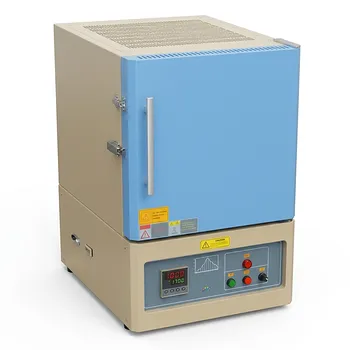
Large Bench Top 1700C High Temperature Muffle Furnace with 19L Chamber for Advanced Material Sintering and Annealing
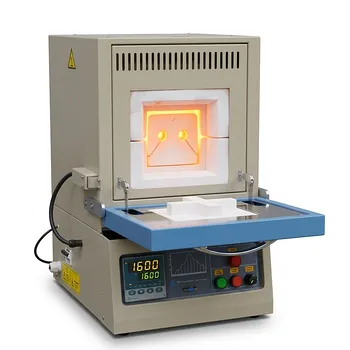
High Temperature Compact Muffle Furnace 1700 C with 30 Segment Programmable Controller and 1.7L Cubic Chamber
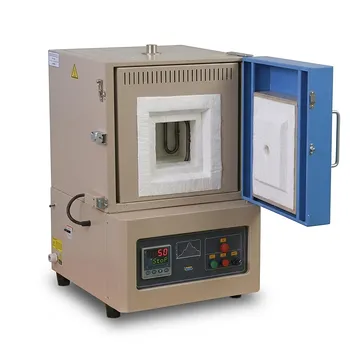
1800°C Bench Top Ultra High Temperature Muffle Furnace with Sapphire Observation Window and Top Feeding Port for Materials Research and Thermal Processing
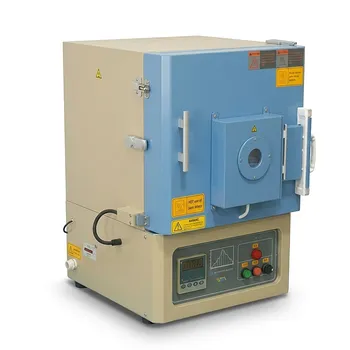
High Temperature Benchtop Muffle Furnace 1500C with 3.6L Chamber and Quartz Observation Window
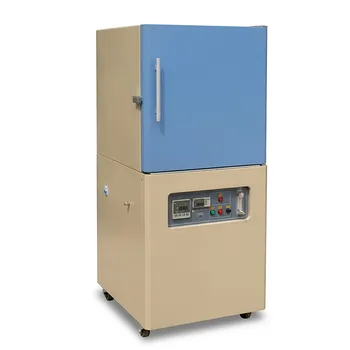
High Temperature Muffle Furnace with Dual Controllers and 36L Large Chamber 1700C Max
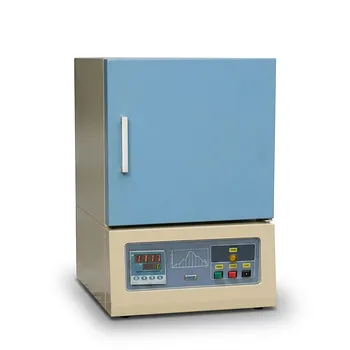
Ultra High Temperature Bench Top Muffle Furnace 1750C Sintering System with Kanthal Super Heating Elements and Precision Digital Control
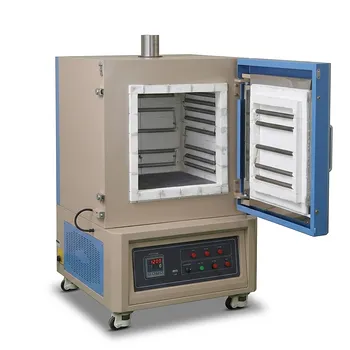
1200C High Temperature 125L Muffle Furnace 5 Side Heating for Large Batch Sintering with Optional Alloy Debinding Chamber
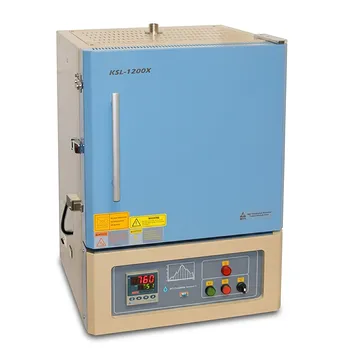
High Temperature 1200C Muffle Furnace 27L Volume 12x12x12 Chamber with Programmable PID Controller for Laboratory Material Science
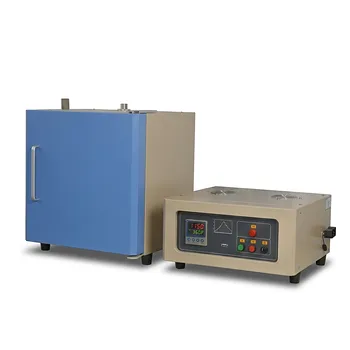
High Temperature Muffle Furnace with Alloy Chamber for Debinding and Sintering Applications
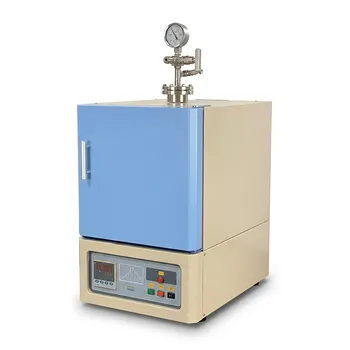
Hybrid High Temperature Muffle and Tube Furnace with 1500C Capability and Vacuum Flange Assembly
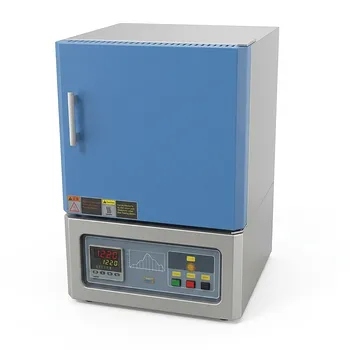
High Temperature Benchtop Muffle Furnace 1700C 10L Chamber Alumina Fiber Insulation MoSi2 Heating Elements
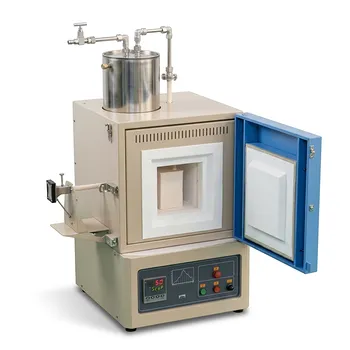
High Temperature Bench Top Muffle Furnace 1700C with Integrated Evaporating Particle Collection and 8x8x8 Alumina Fiber Chamber
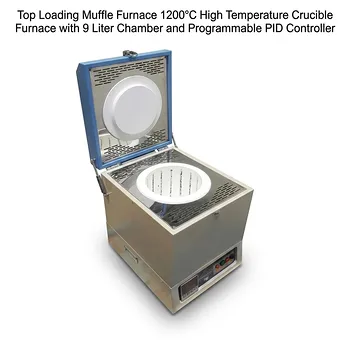
Top Loading Muffle Furnace 1200°C High Temperature Crucible Furnace with 9 Liter Chamber and Programmable PID Controller
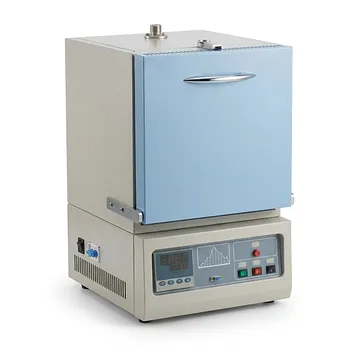
1750C Compact Muffle Furnace 1.7L Ultra High Temperature Laboratory Sintering System for Advanced Ceramics and Material Science Research
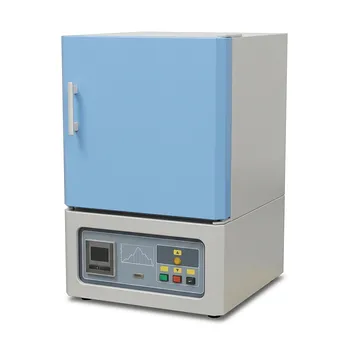
1800C Bench Top Muffle Furnace with Kanthal Super 1900 Heating Elements and 3.6L Alumina Fiber Chamber