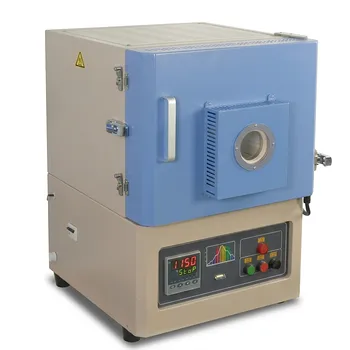
What is the role of a High-Temperature Muffle Furnace in the synthesis of bulk graphitic carbon nitride (CN)? Expert Guide
Updated 3 months ago
The High-Temperature Muffle Furnace is the primary reactor for the thermal polycondensation of nitrogen-rich precursors. It provides the stable, high-temperature environment (typically around 550°C) required to trigger the chemical transformation of materials like urea or melamine into a solid, layered graphitic structure. By precisely controlling heating rates and dwell times, the furnace ensures the complete deamination and polymerization necessary to form the bulk graphitic carbon nitride (g-C3N4) framework.
Core Takeaway: The muffle furnace acts as a controlled thermal catalyst that facilitates the transition from small organic molecules to a stable, heptazine-based semiconductor through high-heat polycondensation.
The Mechanism of Thermal Polycondensation
Activation of Chemical Precursors
The synthesis begins by placing nitrogen-rich precursors—such as urea, melamine, or dicyandiamide (DCDA)—within the furnace chamber. As the temperature rises, these molecules undergo thermal decomposition, breaking down their initial chemical bonds to prepare for restructuring.
The Transition to a Graphitic Structure
As the furnace reaches its target temperature, a process called deamination occurs, where small molecules like ammonia are released. This allows the remaining fragments to polymerize into a heptazine-based framework, forming the characteristic layered structure of bulk g-C3N4.
Ensuring Chemical Consistency
The furnace’s ability to maintain excellent temperature uniformity is critical for the material's quality. Uniform heating ensures that the resulting bulk powder has a consistent chemical composition and high reactivity, which is vital for its use in photocatalysis.
Crucial Process Parameters
Precision Temperature Management
While 550°C is the standard benchmark, different precursors may require specific adjustments between 500°C and 600°C. The muffle furnace allows for programmed temperature control, enabling researchers to set specific heating rates that prevent flash-evaporation of the precursors.
Controlled Insulation and Dwell Time
The "insulation time" or dwell time—usually lasting between 3 to 4 hours—is the period where the furnace maintains a constant peak temperature. This duration is essential for ensuring the exothermic polymerization is fully completed, resulting in a stable, solid material rather than an intermediate polymer.
The Role of the Air Atmosphere
Most bulk g-C3N4 synthesis occurs in an air atmosphere within the furnace. The oxygen present can influence the final surface properties of the carbon nitride, while the furnace's containment ensures that the resulting gases are managed during the polycondensation process.
Understanding the Trade-offs and Pitfalls
Material Yield and Sublimation
One major challenge in using a muffle furnace for this process is low product yield. Many precursors, particularly urea, undergo significant mass loss during heating, often resulting in a final product weight that is only a small fraction of the starting material.
Risk of Incomplete Polymerization
If the furnace temperature is too low or the dwell time is too short, the precursor may only partially transform. This results in intermediate products that lack the stable electronic properties and crystalline structure required for high-efficiency semiconductor applications.
Equipment Oxidation and Wear
Repeated exposure to the ammonia and corrosive gases released during deamination can degrade the furnace heating elements over time. Without proper ventilation or specialized crucible lids, these byproduct gases can also lead to inconsistent doping or surface defects in the g-C3N4.
How to Optimize Your Synthesis Goal
The following recommendations will help you tailor the furnace environment to your specific research or production requirements:
- If your primary focus is High Photocatalytic Activity: Maintain a precise temperature of 550°C to 580°C to ensure the formation of a well-crystallized heptazine framework.
- If your primary focus is Maximum Material Yield: Use melamine or dicyandiamide instead of urea, as these precursors exhibit lower mass loss during the heating cycle.
- If your primary focus is Nanosheet Pre-conditioning: Extend the dwell time to 4 hours to ensure the bulk structure is sufficiently stable for subsequent liquid or thermal exfoliation.
By treating the muffle furnace as a precision chemical reactor rather than a simple heating tool, you can achieve the structural integrity necessary for advanced carbon nitride applications.
Summary Table:
| Synthesis Parameter | Optimal Range/Requirement | Impact on g-C3N4 Quality |
|---|---|---|
| Peak Temperature | 500°C – 600°C (Standard: 550°C) | Determines crystallinity and heptazine framework formation |
| Dwell (Insulation) Time | 3 – 4 Hours | Ensures complete polymerization and structural stability |
| Heating Rate | Precise Programmed Control | Prevents precursor flash-evaporation and mass loss |
| Environment | Air Atmosphere | Influences oxygen-doping and surface reactivity |
| Common Precursors | Urea, Melamine, DCDA | Affects final material yield and chemical consistency |
Elevate Your Material Research with THERMUNITS
Precise thermal control is the difference between an intermediate polymer and a high-performance graphitic carbon nitride (g-C3N4) semiconductor. At THERMUNITS, we understand the rigors of high-temperature R&D and the corrosive challenges posed by deamination gases like ammonia.
As a leading manufacturer of high-temperature laboratory equipment, we offer specialized solutions designed for durability and precision, including:
- High-Performance Muffle & Atmosphere Furnaces with advanced ventilation.
- Vacuum, Tube, and Rotary Furnaces for diverse synthesis needs.
- CVD/PECVD Systems and Hot Press Furnaces for advanced material engineering.
- Vacuum Induction Melting (VIM) and Dental Furnaces for specialized industrial applications.
Whether you are focusing on maximizing photocatalytic activity or improving material yield, our equipment provides the uniform heating and programmed control your research demands.
Ready to optimize your thermal processing? Contact our engineering team today to find the perfect furnace solution for your laboratory.
References
- Chenyong Jiang, Guofeng Guan. One-Dimensional Tubular Carbon Nitride Embedded in Ni2P for Enhanced Photocatalytic Activity of H2 Evolution. DOI: 10.3390/catal14040243
Mentioned Products
- 1200C High Temperature Muffle Furnace with Motorized Door and Automated PC Control for Industrial Sintering and Material Processing 27 Liter
- High Temperature 1700C Bench Top Muffle Furnace with Alumina Fiber Insulation and 3.6L Chamber Capacity for Precision Sintering and Heat Treatment
- High Temperature 1500C Benchtop Muffle Furnace 3.6L Alumina Fiber Chamber Programmable Controller Sintering Annealing Carbonization Thermal Processing System
- 1200°C High Temperature Muffle Furnace 19L Chamber with 50 Segment Programmable Controller
- Large Bench Top 1700C High Temperature Muffle Furnace with 19L Chamber for Advanced Material Sintering and Annealing
People Also Ask
- What safety features are standard in high-temperature muffle furnaces? Essential Guide to Laboratory Equipment Safety
- What is the purpose of preheating charcoal in a high-temperature muffle furnace? Ensure Accuracy in Zinc Reduction.
- What is the role of a high-temperature muffle furnace or tube furnace in the preparation of Na2WO4/SiO2 catalysts?
- What role does a high-temperature muffle furnace play in ash content analysis? Ensure Purity & Adsorption Efficiency
- What role does a High-Temperature Muffle Furnace play in NiMoO4 synthesis? Achieve Precise Thermal Precursor Conversion

Tech Team · ThermUnits
Last updated on Jun 03, 2026
Related Products
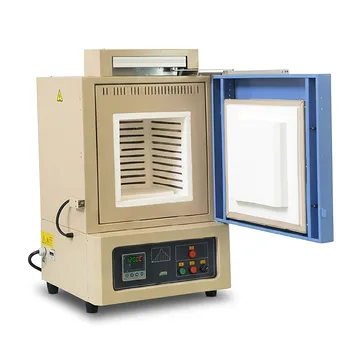
1200C High Temperature Muffle Furnace with Motorized Door and Automated PC Control for Industrial Sintering and Material Processing 27 Liter
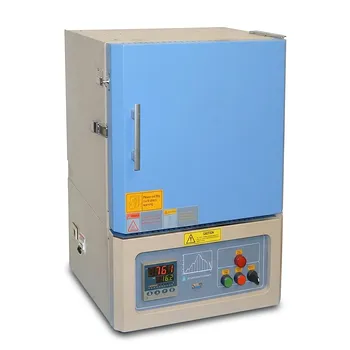
High Temperature 1700C Bench Top Muffle Furnace with Alumina Fiber Insulation and 3.6L Chamber Capacity for Precision Sintering and Heat Treatment

High Temperature 1500C Benchtop Muffle Furnace 3.6L Alumina Fiber Chamber Programmable Controller Sintering Annealing Carbonization Thermal Processing System
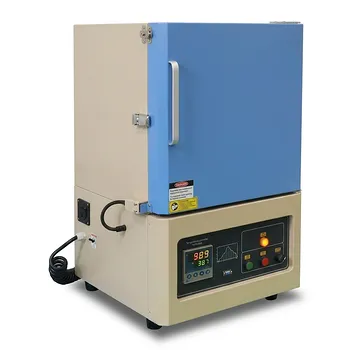
1200°C High Temperature Muffle Furnace 19L Chamber with 50 Segment Programmable Controller
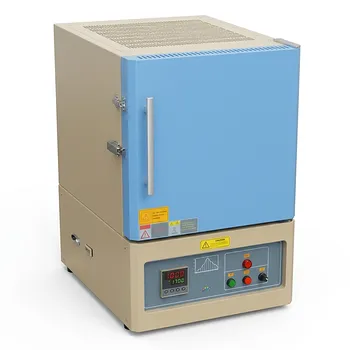
Large Bench Top 1700C High Temperature Muffle Furnace with 19L Chamber for Advanced Material Sintering and Annealing
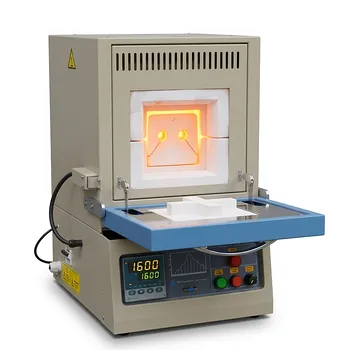
High Temperature Compact Muffle Furnace 1700 C with 30 Segment Programmable Controller and 1.7L Cubic Chamber
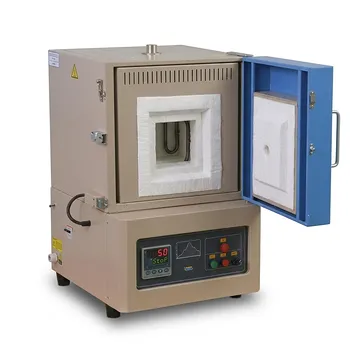
1800°C Bench Top Ultra High Temperature Muffle Furnace with Sapphire Observation Window and Top Feeding Port for Materials Research and Thermal Processing
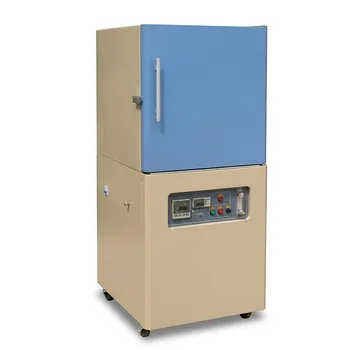
High Temperature Muffle Furnace with Dual Controllers and 36L Large Chamber 1700C Max
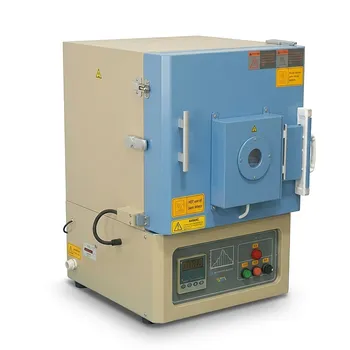
High Temperature Benchtop Muffle Furnace 1500C with 3.6L Chamber and Quartz Observation Window
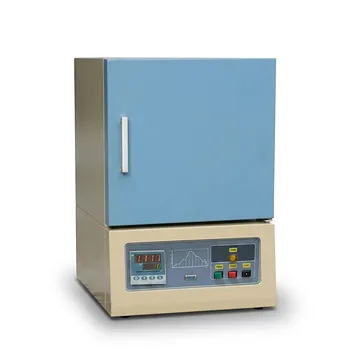
Ultra High Temperature Bench Top Muffle Furnace 1750C Sintering System with Kanthal Super Heating Elements and Precision Digital Control
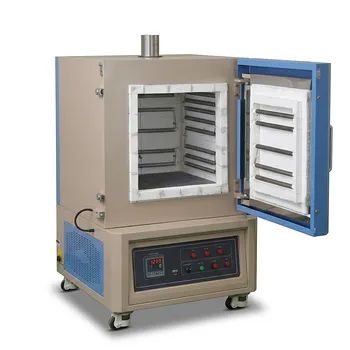
1200C High Temperature 125L Muffle Furnace 5 Side Heating for Large Batch Sintering with Optional Alloy Debinding Chamber
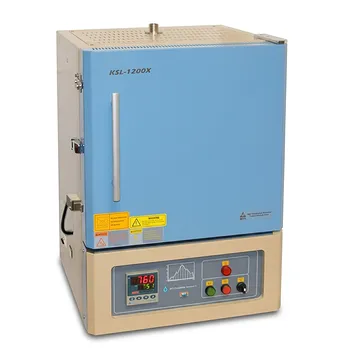
High Temperature 1200C Muffle Furnace 27L Volume 12x12x12 Chamber with Programmable PID Controller for Laboratory Material Science
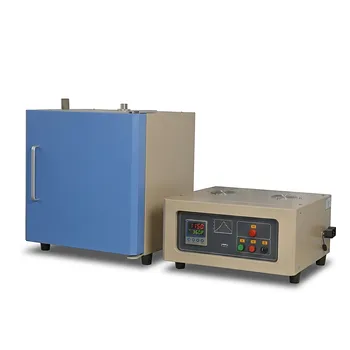
High Temperature Muffle Furnace with Alloy Chamber for Debinding and Sintering Applications
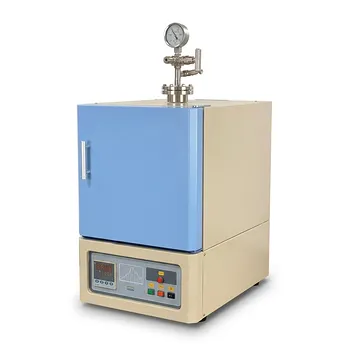
Hybrid High Temperature Muffle and Tube Furnace with 1500C Capability and Vacuum Flange Assembly
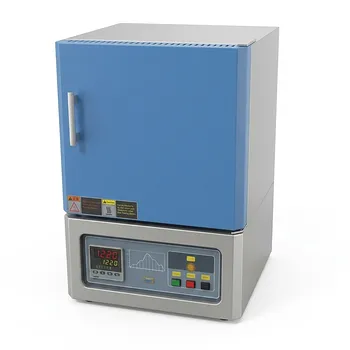
High Temperature Benchtop Muffle Furnace 1700C 10L Chamber Alumina Fiber Insulation MoSi2 Heating Elements
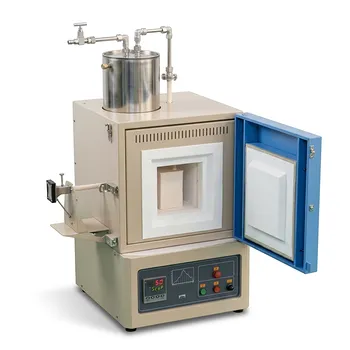
High Temperature Bench Top Muffle Furnace 1700C with Integrated Evaporating Particle Collection and 8x8x8 Alumina Fiber Chamber
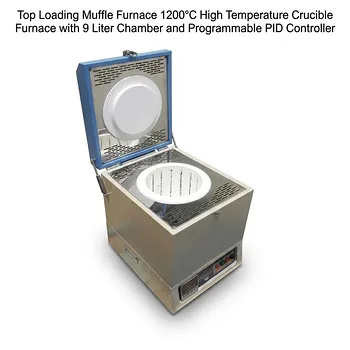
Top Loading Muffle Furnace 1200°C High Temperature Crucible Furnace with 9 Liter Chamber and Programmable PID Controller
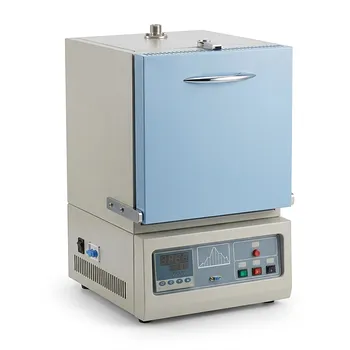
1750C Compact Muffle Furnace 1.7L Ultra High Temperature Laboratory Sintering System for Advanced Ceramics and Material Science Research
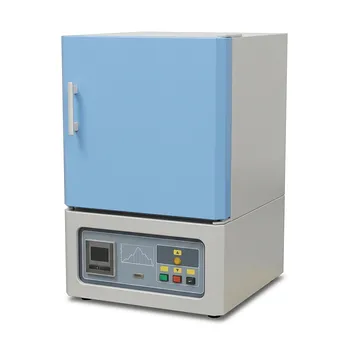
1800C Bench Top Muffle Furnace with Kanthal Super 1900 Heating Elements and 3.6L Alumina Fiber Chamber