What is the role of rotary kilns in metallurgical ore processing and direct reduction iron (DRI) production? Expert Guide
Updated 5 months ago
Rotary kilns are the primary high-temperature reactors used in metallurgy for roasting, calcination, and the production of Direct Reduced Iron (DRI). These systems heat materials—ranging from sulfide ores to iron pellets—to temperatures between 600 and 1500 degrees Celsius. By utilizing a rotating cylindrical design, they ensure constant material movement and intimate gas-solid contact, which is essential for the chemical transformations required in modern ore processing.
The rotary kiln acts as a continuous thermal processing unit that solves the challenge of achieving uniform chemical reactions across large volumes of solid material. Its ability to maintain precise temperature zones while tumbling feedstock makes it indispensable for large-scale metallurgical reduction and oxidation.
The Mechanics of Metallurgical Processing
Gas-Solid Contact and Thermal Uniformity
The core advantage of a rotary kiln is the constant tumbling of the furnace charge. As the kiln rotates, the material moves in a bed-over-bed fashion, ensuring every particle is exposed to the thermal atmosphere.
This dynamic heating method prevents local overheating or uneven sintering, which are common risks in static reactors. It provides a superior level of uniformity, making it highly effective for the large-scale calcination of powder materials.
Versatility in Feedstock Management
Rotary kilns are prized for their ability to handle wide variations in feedstock chemistry. They can accommodate various particle sizes, typically managing materials smaller than 20 mm.
This flexibility allows operators to process diverse ores without requiring extreme pre-processing. The continuous operation of the kiln ensures a steady output, which is vital for downstream melting or refining stages.
Specific Applications in Iron and Ore Treatment
Direct Reduced Iron (DRI) Production
In DRI production, the rotary kiln facilitates the chemical reduction of iron ore pellets into metallic iron. This process occurs in a solid state, where oxygen is removed from the ore through interaction with reducing gases or carbon.
The kiln's ability to maintain temperatures up to 1500 degrees Celsius is critical here. This high-heat environment supports the efficient reduction of iron oxides while maintaining the structural integrity of the pellets.
Roasting and Calcination
For non-ferrous metallurgy, kilns are used for ore roasting, particularly for sulfide ores. This process uses oxidation to remove impurities like sulfur, preparing the ore for further refining.
Calcination involves heating materials like limestone or carbonates to prompt thermal decomposition. In these instances, the kiln operates as a pyroprocessing unit, driving off volatile components to create a more concentrated or reactive solid product.
Energy Efficiency and Slag Recycling
Waste Heat Utilization
Modern metallurgical operations often integrate rotary kilns with waste heat recovery systems. For example, hot gases from a melting reactor can be used to preheat the kiln's furnace charge to approximately 900°C.
This preheating is essential for maintaining the energy balance of the entire facility. By raising the temperature of the charge before it reaches the primary reactor, operators significantly reduce overall fuel consumption.
Ensuring System Continuity
Preheating also ensures a continuous supply of high-temperature feed for subsequent processing phases. This prevents thermal shocks in the system and maintains a steady state for chemical reactions, which improves the quality of the final metal or slag product.
Understanding the Trade-offs
The Risk of Accidental Sintering
While the tumbling motion prevents most uneven heating, precise temperature control is mandatory to avoid accidental sintering. If the material becomes too tacky and fuses to the kiln walls, it creates "rings" that obstruct flow and reduce efficiency.
Feedstock Size Limitations
The efficiency of a rotary kiln is highly dependent on particle size distribution. While it can handle materials up to 20 mm, excessive "fines" (extremely small particles) can be carried away by the gas stream, leading to material loss and environmental concerns.
Thermal Inertia and Response Times
Rotary kilns have high thermal inertia, meaning they take a long time to heat up or cool down. This makes them less suitable for "batch" operations or processes that require frequent, rapid changes in temperature settings.
How to Apply This to Your Project
When integrating a rotary kiln into a metallurgical workflow, your primary objective will dictate the kiln's configuration and temperature profile.
- If your primary focus is Direct Reduced Iron (DRI) quality: Prioritize precise control of the reducing atmosphere and maintain temperatures at the higher end of the 1500°C range to ensure complete oxygen removal.
- If your primary focus is energy cost reduction: Implement a waste heat recovery system to preheat the furnace charge to 900°C, utilizing gases from other reactor stages.
- If your primary focus is processing fine powders: Opt for a kiln design that maximizes gas-solid contact time while employing dust collection systems to recapture material carried by the exhaust.
The rotary kiln remains the definitive solution for high-volume ore processing due to its unmatched ability to combine mechanical agitation with extreme thermal control.
Summary Table:
| Application | Operating Temperature | Primary Role/Mechanism |
|---|---|---|
| DRI Production | Up to 1500°C | Chemical reduction of iron ore pellets into metallic iron in a solid state. |
| Ore Roasting | 600°C - 1000°C+ | Oxidation of sulfide ores to remove impurities like sulfur. |
| Calcination | Variable | Thermal decomposition of limestone or carbonates to drive off volatiles. |
| Energy Recovery | ~900°C (Preheating) | Utilizing waste heat to preheat feedstock and maintain energy balance. |
Elevate Your Metallurgical R&D with THERMUNITS
As a global leader in high-temperature laboratory equipment, THERMUNITS provides the precision and reliability required for advanced material science and industrial research. Our high-performance Rotary Kilns and Furnaces are engineered to handle complex roasting, calcination, and reduction processes with unmatched thermal uniformity.
From Direct Reduced Iron (DRI) optimization to specialized heat treatments, we offer a comprehensive suite of solutions, including:
- Rotary, Tube, and Muffle Furnaces
- Vacuum & Atmosphere Systems
- CVD/PECVD & Hot Press Furnaces
- Vacuum Induction Melting (VIM) Furnaces
Ready to optimize your thermal processing? Contact our experts at THERMUNITS today to find the perfect equipment for your laboratory or pilot plant needs.
Mentioned Products
- Electric Rotary Kiln Continuous Working Small Rotary Furnace Heating Pyrolysis Plant
- Electric Rotary Kiln Small Rotary Furnace for Activated Carbon Regeneration
- Electric Rotary Kiln Small Rotary Furnace Biomass Pyrolysis Plant
- 900°C Max Rotary Tube Furnace with 8 Inch 310S Alloy Tube and Optional Multi Zone Heating for Industrial Material Calcination
- Three Zone Rotary Tube Furnace for High Temperature Powder Processing and Material Research
People Also Ask
- What thermal efficiency can be expected from an electric rotary kiln compared to fuel-fired alternatives? Gain 95% efficiency.
- How does the use of an electric rotary kiln facilitate CO2 capture in cement and lime production? Achieve High-Purity CCUS
- What are the maintenance and service life advantages of an electric rotary kiln? 25+ Year Longevity & Low Maintenance
- How does the electric rotary kiln support environmental compliance and sustainability? Achieve Zero-Emission Production
- What are the primary components and heating mechanisms of an electric rotary kiln? Optimize High-Purity Heat Treatment

Tech Team · ThermUnits
Last updated on Apr 14, 2026
Related Products
Electric Rotary Kiln Continuous Working Small Rotary Furnace Heating Pyrolysis Plant
Electric Rotary Kiln Small Rotary Furnace for Activated Carbon Regeneration
Electric Rotary Kiln Small Rotary Furnace Biomass Pyrolysis Plant
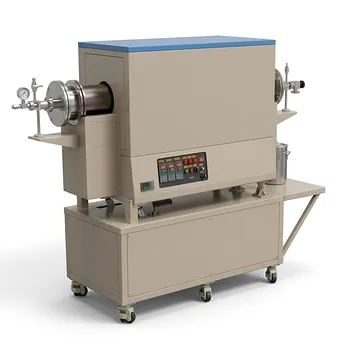
900°C Max Rotary Tube Furnace with 8 Inch 310S Alloy Tube and Optional Multi Zone Heating for Industrial Material Calcination
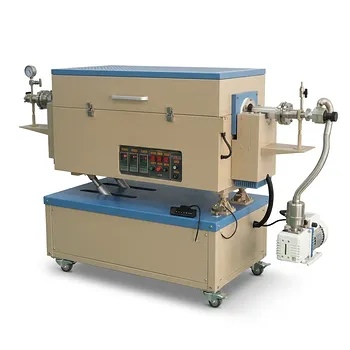
Three Zone Rotary Tube Furnace for High Temperature Powder Processing and Material Research
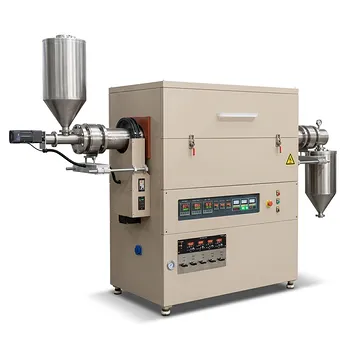
High Temperature Tilting Rotary Tube Furnace with Integrated Mass Flow Control and Multi Zone Heating
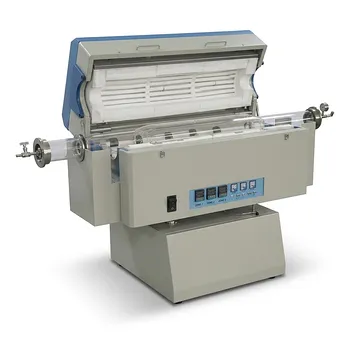
Large Three Temperature Zone Rotating Tube Furnace for High Uniformity Material Sintering
1500C 3-Zone Rotary Tube Furnace 60mm with Automatic Powder Feeding and Receiving System for Continuous Material Synthesis
Mini Rotary Tubular Furnaces for Precision Powder Heat Treatment and Thermogravimetric Analysis
High Temperature 1700C Dual Zone Rotary Tube Furnace with 60mm Alumina Tube and Precision Rotation Control
Continuous Feeding Rotary Tube Furnace for Industrial Powder Heat Treatment and Material Research
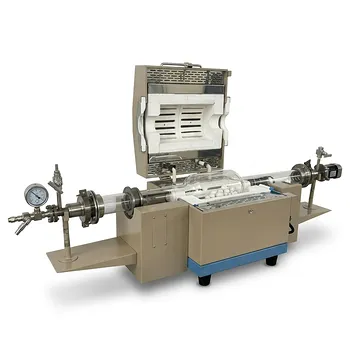
High Temperature Rotary Tube Furnace with Integrated Ball Milling and Gas Flow Function for Powder Nitriding
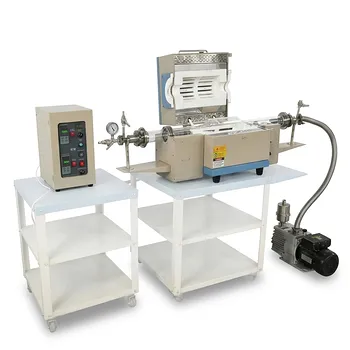
Two Zone Rotary Tube Furnace for Powder CVD Coating and Core Shell Material Synthesis 1100C
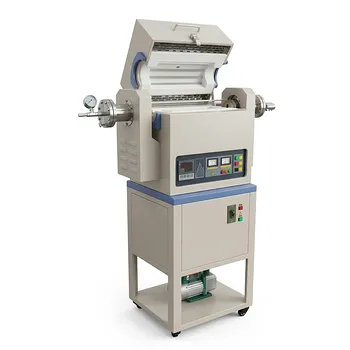
High Temperature Rotary Tilt Tubular Furnaces for Advanced Powder Sintering and Material Processing
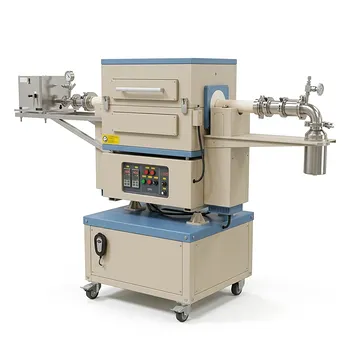
1500C Max Dual Zone Rotary Tube Furnace with 60 mm OD Alumina Tube for High Temperature Material Synthesis
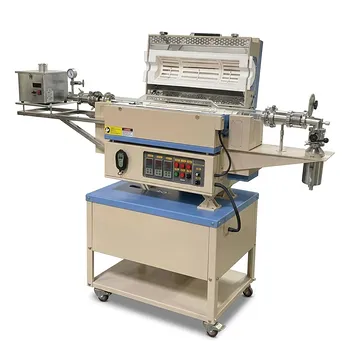
5 Inch Rotary Tube Furnace with Automatic Feeding and Receiving System 1200C Three Zone CVD Powder Processing
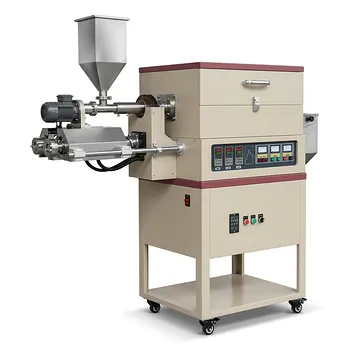
Laboratory Tilting Rotary Tubular Furnaces for Material Science and Industrial Heat Treatment
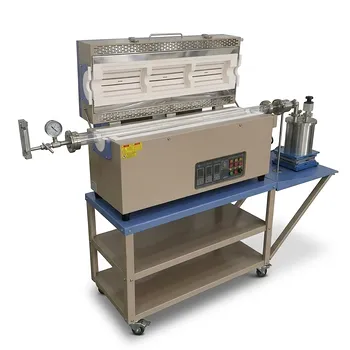
5 Inch Two Zone Rotary Tube Furnace 1100C for Powder CVD and Material Synthesis
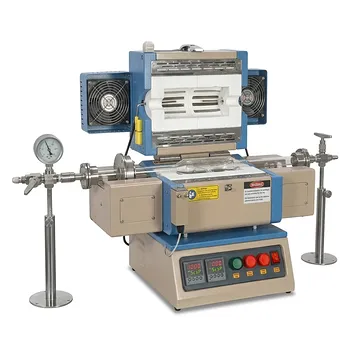
Dual Zone Rotary Tube Furnace for Uniform Powder Calcination 1000C 2 Inch Quartz Tube