What is the role of the high-frequency induction melting furnace in Mg-Zn-Y alloy production? Ensure Superior Purity
Updated 3 months ago
The high-frequency induction melting furnace is the critical catalyst for achieving the atomic-level homogeneity required for high-performance magnesium alloys. By utilizing electromagnetic induction, this equipment rapidly heats magnesium, zinc, and yttrium to their melting points while simultaneously employing electromagnetic stirring to ensure a perfectly uniform distribution of elements. This precise control over the melt is essential for creating casting blanks with the specific microstructures necessary to maximize thermal conductivity.
Core Takeaway: The high-frequency induction furnace solves the dual challenge of element segregation and high chemical reactivity. It ensures that Mg-Zn-Y alloys achieve the precise chemical composition and high purity required for superior thermal and structural performance.
Ensuring Atomic-Level Uniformity
The primary role of the furnace is to transition raw metallic components into a single, cohesive alloy phase.
The Power of Electromagnetic Stirring
Unlike traditional heating methods, induction melting creates a natural electromagnetic stirring effect within the high-temperature melt. This motion forces magnesium, zinc, and yttrium to mix thoroughly at the atomic level, preventing the heavier rare-earth elements from settling at the bottom.
Rapid and Uniform Heating
High-frequency currents generate eddy currents directly within the raw materials, leading to exceptionally fast heating cycles. This speed minimizes the time the metal spends in a molten state, reducing the window for potential contamination and ensuring a uniform microstructure throughout the casting.
Managing High Reactivity and Purity
Magnesium and yttrium are highly chemically active and will react violently with oxygen if not managed correctly.
Prevention of Oxidation and Combustion
Because magnesium alloys are prone to oxidation and combustion at high temperatures, the furnace often operates within a vacuum or controlled atmosphere. By removing oxygen and introducing inert gases like high-purity argon or nitrogen, the furnace prevents the degradation of the raw materials.
Maintaining Chemical Integrity
The ability to strictly control the processing environment ensures that the atomic percentage composition remains exactly as designed. This is vital for Mg-Zn-Y alloys, where even minor deviations in yttrium or zinc content can significantly degrade the material's thermal conductivity or hydrogen storage properties.
Understanding Technical Trade-offs
While induction melting is superior for alloy quality, it requires careful operational management to avoid specific pitfalls.
Equipment Complexity and Cost
Vacuum induction melting (VIM) systems are significantly more expensive and complex to maintain than open-air resistance furnaces. The requirement for vacuum-tight seals and sophisticated cooling systems increases the initial capital expenditure and the level of operator expertise required.
Risk of Melt Splashing
The same electromagnetic forces that provide beneficial stirring can, if not controlled, cause melt splashing. This can lead to material loss or inconsistencies in the final ingot weight, requiring precise tuning of the induction frequency and power output.
How to Apply This to Your Project
Selecting the right furnace parameters depends on your specific performance requirements for the Mg-Zn-Y alloy.
- If your primary focus is Maximum Thermal Conductivity: Prioritize furnaces with strong electromagnetic stirring capabilities to ensure a completely uniform distribution of yttrium throughout the magnesium matrix.
- If your primary focus is High Material Purity: Utilize a Vacuum Induction Melting (VIM) setup to eliminate gas contamination and prevent the formation of brittle oxide inclusions.
- If your primary focus is Rapid Prototyping: Leverage the rapid heating cycles of high-frequency induction to quickly produce small batches of experimental alloy compositions with minimal lead time.
By mastering the induction melting process, manufacturers can reliably produce magnesium alloys that meet the rigorous thermal demands of modern aerospace and electronic applications.
Summary Table:
| Feature | Mechanism | Impact on Mg-Zn-Y Alloys |
|---|---|---|
| Homogenization | Electromagnetic Stirring | Ensures atomic-level distribution of Yttrium and Zinc. |
| Purity Control | Vacuum/Inert Atmosphere | Prevents oxidation and combustion of reactive Magnesium. |
| Thermal Precision | Rapid Eddy Current Heating | Minimizes melt time and ensures a uniform microstructure. |
| Composition | Precise Power Control | Maintains exact chemical integrity for thermal conductivity. |
Optimize Your Alloy Research with THERMUNITS Advanced Thermal Solutions
Achieving the perfect atomic balance in Mg-Zn-Y alloys requires more than just heat; it requires precision control. THERMUNITS is a leading manufacturer of high-performance laboratory equipment, specializing in Vacuum Induction Melting (VIM) furnaces designed specifically for sensitive materials science and industrial R&D.
Whether you are developing next-generation aerospace components or high-conductivity electronic materials, our comprehensive range of equipment—including Vacuum, Atmosphere, and Tube furnaces, as well as CVD/PECVD systems—provides the reliability you need to eliminate oxidation and ensure element homogeneity.
Why choose THERMUNITS?
- Expert Engineering: Our VIM systems offer superior electromagnetic stirring for flawless alloy mixing.
- Versatile Solutions: From Rotary and Dental furnaces to Hot Press systems, we cover every heat treatment need.
- Unmatched Purity: Advanced vacuum technology protects your reactive alloys from contamination.
Ready to elevate your material performance? Contact our technical team today to discuss your specific thermal processing requirements!
References
- Yunsheng Wang, Yoshihito Kawamura. Mg-1.88Zn-0.75Y Cast Alloys with High Thermal Conductivity of 141 Wm<sup>−1</sup>K<sup>−1</sup>. DOI: 10.2320/matertrans.mt-l2024015
Mentioned Products
- Induction Melting Casting Furnace 1750C Vacuum High Frequency Metal Processing Unit
- High Throughput Induction Melting and Casting Furnace for Superalloy Research 1700C Atmosphere Controlled Multi Sample System
- 1900C Maximum High Temperature 7KW Vacuum Induction Melting System with 60mm Quartz Tube and Manual Temperature Control for Metallic Alloy Research
- High Temperature Induction Melting System with Multi Cavity Crucible and 15KW Precision Digital Temperature Control
- Atmosphere Controlled Induction Melting Granulating Casting Furnace 1500C 5kg Capacity
People Also Ask
- What are the key structural components that make up a Vacuum Induction Melting (VIM) furnace system? Full Guide
- What is the primary role of a Vacuum Induction Melting furnace in the smelting of Fe-Cr-N alloys? Ensuring High Purity
- How does a Vacuum Induction Melting furnace heat materials while preventing atmospheric contamination? Achieve High Purity
- What technical advantages does Vacuum Induction Melting offer regarding alloy homogeneity and purity? Enhance Performance
- How does the skin effect influence VIM frequency selection? Optimize Heat Penetration & Stirring Efficiency

Tech Team · ThermUnits
Last updated on Jun 02, 2026
Related Products
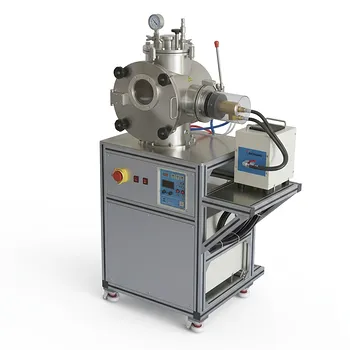
Induction Melting Casting Furnace 1750C Vacuum High Frequency Metal Processing Unit
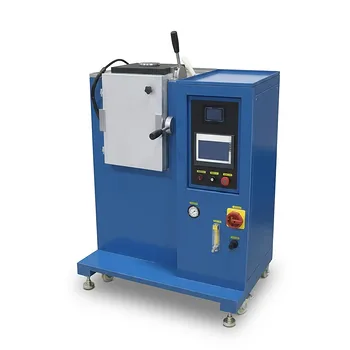
High Throughput Induction Melting and Casting Furnace for Superalloy Research 1700C Atmosphere Controlled Multi Sample System
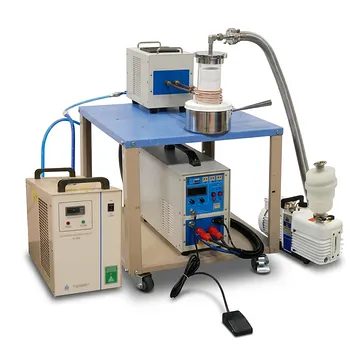
1900C Maximum High Temperature 7KW Vacuum Induction Melting System with 60mm Quartz Tube and Manual Temperature Control for Metallic Alloy Research
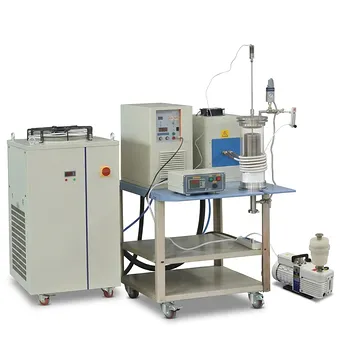
High Temperature Induction Melting System with Multi Cavity Crucible and 15KW Precision Digital Temperature Control
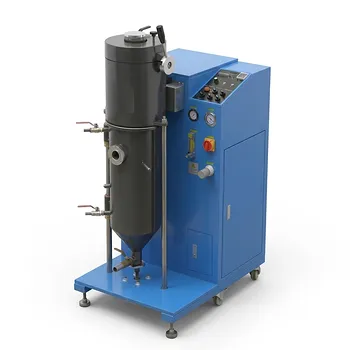
Atmosphere Controlled Induction Melting Granulating Casting Furnace 1500C 5kg Capacity
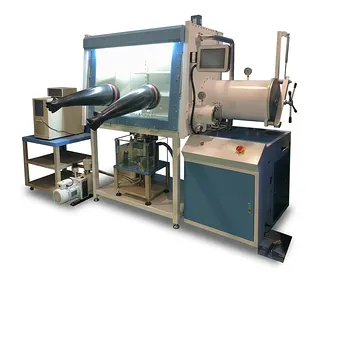
High Temperature Induction Melting System with Integrated Ultra High Purity Glove Box for Metallic Alloy Processing
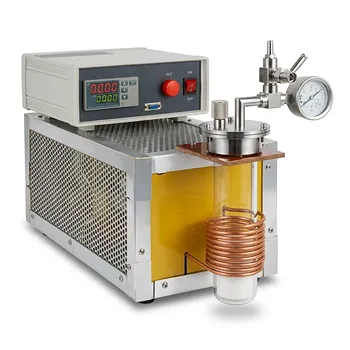
High Temperature Mini Induction Heating Furnace 1600C Laboratory Material Melting System
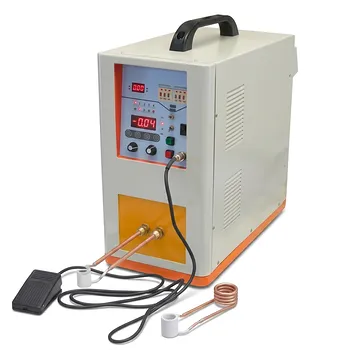
Desktop High Frequency Induction Heater for Precision Metal Melting and Laboratory Thermal Processing 0.6 to 1.1MHz
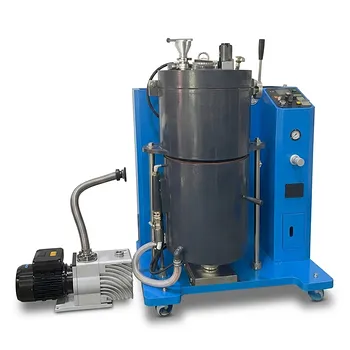
Atmosphere Controlled Induction Melting Casting System 1600C 10L Capacity
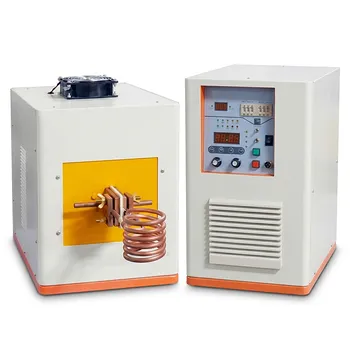
30KW High Frequency Induction Heater for Metal Melting and Industrial Heat Treatment 80-200kHz
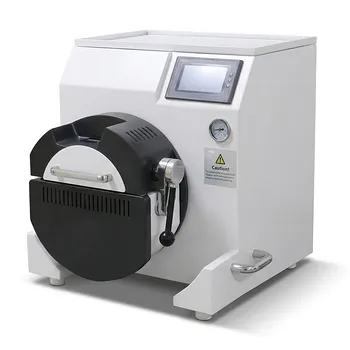
Desktop Induction Melting Furnace with Automatic Rotary Casting Function up to 1700C for Advanced Metal Alloy Research
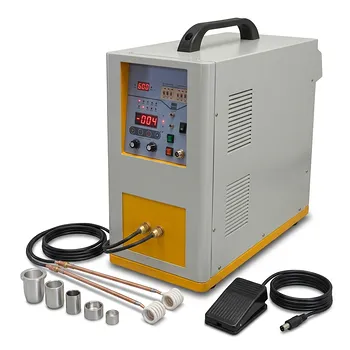
Desktop High Frequency Induction Heater 6KW 100-500kHz for Precision Metal Melting and Heat Treatment
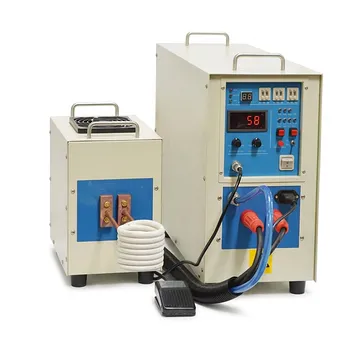
High Frequency Desktop Induction Heater 15 KVA Induction Heating System with Automatic Timer Control for Material Research and Metal Melting
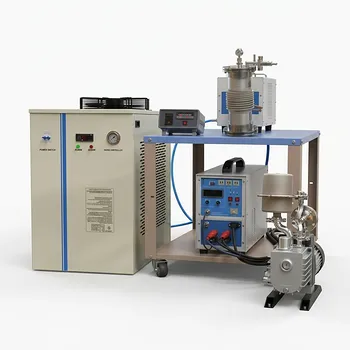
Induction Heating System with Temperature Control for High Temperature Vacuum Sintering and Melting
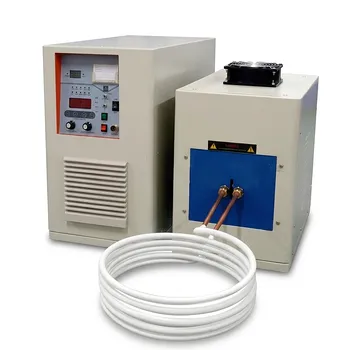
High Power 25KW Induction Heating System with Precision Timer Control and 80kHz Frequency for Metal Melting and Heat Treatment
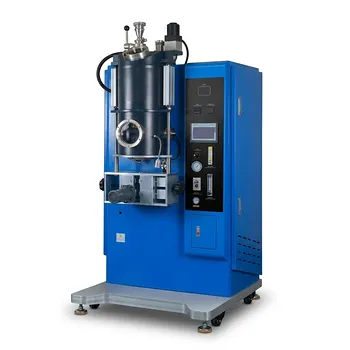
Atmosphere Controlled Continuous Casting Furnace with Secondary Charge Function for Induction Melting and Metal Alloy Wire Production
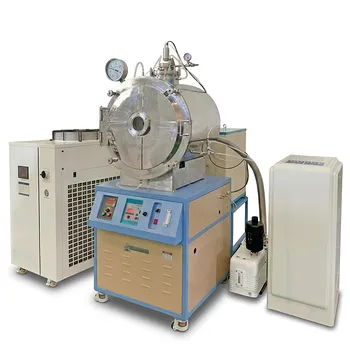
Ultra High Temperature Induction Heated Vacuum Furnace with Molten Salt Electrolysis Capability and 3000 Degree Precision Control
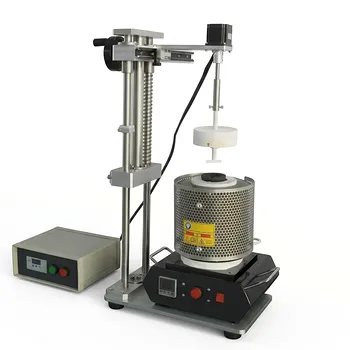
1100C Crucible Melting Furnace with Stirring Function for Glovebox and Air Sensitive Alloy Research
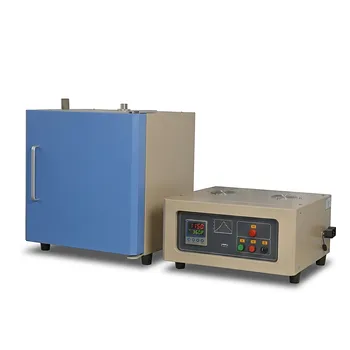
High Temperature Muffle Furnace with Alloy Chamber for Debinding and Sintering Applications