What role does Vacuum Induction Melting play in medical implants? Ensure High-Purity Alloys for Superior Performance
Updated 5 months ago
Vacuum Induction Melting (VIM) is the primary process for manufacturing ultra-high-purity biocompatible alloys used in life-critical medical implants. By melting metals like titanium, cobalt-chromium, and Nitinol in a pressurized vacuum, VIM eliminates atmospheric contaminants that would otherwise compromise the implant's structural integrity or cause toxic biological reactions. This process ensures the material possesses the extreme corrosion resistance and fatigue strength necessary to survive decades inside the human body.
VIM serves as a controlled metallurgical shield, removing dissolved gases and impurities to create alloys with the precise chemical composition required for medical safety. It is the essential first step in ensuring that orthopedic and cardiovascular devices are both biologically compatible and mechanically reliable.
Achieving Absolute Material Purity
Elimination of Atmospheric Gases
The vacuum environment is critical for removing dissolved gases such as oxygen, nitrogen, and hydrogen from the melt. This prevents the formation of non-metallic inclusions and oxides that can act as "crack initiators," leading to premature implant failure.
Preventing Oxidation of Reactive Metals
Reactive metals like titanium have a high affinity for oxygen and will become brittle if exposed to air while molten. VIM provides an oxygen-free atmosphere that maintains the metal's ductility and strength, ensuring the final device is not prone to shattering under stress.
Precise Compositional Control
Using electromagnetic induction allows for thorough stirring of the molten metal, ensuring a uniform distribution of alloying elements. This consistency is vital for materials like Nitinol, where even a slight deviation in chemistry can alter the temperature at which the metal "remembers" its shape.
Enhancing Biocompatibility and Clinical Outcomes
Maximizing Corrosion Resistance
Implants are constantly exposed to corrosive bodily fluids; VIM-produced alloys lack the surface impurities that typically trigger electrochemical breakdown. High purity ensures that the implant remains chemically inert, preventing the release of metallic ions into the patient's bloodstream.
Improving Osseointegration
By producing contamination-free parts with no unwanted oxide layers, VIM-processed materials promote better osseointegration. This means the patient's bone can bond more effectively to the implant surface, leading to faster recovery times and more stable joint replacements.
Reducing Infection and Adverse Reactions
The removal of volatile impurities during the vacuum process reduces the risk of the body rejecting the material. Ultra-pure surfaces are less likely to harbor biological contaminants, significantly lowering the long-term risk of chronic inflammation or localized infection.
Ensuring Mechanical Performance and Durability
Superior Fatigue Resistance
Load-bearing implants, such as hip and knee joints, must withstand millions of cycles of mechanical stress. VIM creates a dense microstructure free of internal voids, providing the exceptional fatigue performance required for these high-stress applications.
Consistent Phase Stability
The controlled cooling and high purity of VIM alloys ensure consistent phase stability, meaning the metal's crystal structure remains predictable. This stability is essential for maintaining the mechanical properties of the implant over the course of the patient's life.
Enabling Advanced Manufacturing
VIM is the core method for producing the pre-alloyed powders used in 3D printing (additive manufacturing) of custom medical implants. It ensures that every particle of powder has the exact same chemical makeup, preventing "weak spots" in the final printed structure.
Understanding the Trade-offs
High Operational Complexity
Operating a VIM furnace requires sophisticated vacuum systems and precise control over electromagnetic fields, making it significantly more expensive and slower than traditional air melting. The high cost of the equipment and energy consumption is reflected in the final price of medical-grade alloys.
Volatilization of Essential Elements
The high-vacuum environment that removes impurities can also cause the unintended evaporation of beneficial elements with low boiling points. Metallurgists must carefully compensate for these losses during the melting process to maintain the alloy's specific mechanical properties.
How to Leverage VIM for Medical Projects
Selecting the Right Process for Your Goal
- If your primary focus is orthopedic load-bearing (Hips/Knees): Prioritize VIM for its ability to maximize fatigue life and ensure the metal does not suffer from brittle fracture.
- If your primary focus is cardiovascular stents (Nitinol): Utilize VIM to achieve the extreme compositional precision required for shape-memory performance and smooth surface finishing.
- If your primary focus is custom 3D-printed implants: Source VIM-produced pre-alloyed powders to guarantee chemical uniformity and prevent printing defects across complex geometries.
Vacuum Induction Melting is the indispensable standard for producing the high-performance alloys that make modern, long-lasting medical interventions possible.
Summary Table:
| VIM Feature | Functional Benefit | Clinical Impact |
|---|---|---|
| Gas Removal | Eliminates oxygen/nitrogen | Prevents crack initiation and brittle failure |
| Oxidation Control | Protects reactive metals | Maintains high ductility and material strength |
| Magnetic Stirring | Precise chemical uniformity | Ensures predictable shape-memory/mechanical properties |
| Surface Purity | Maximum corrosion resistance | Prevents metal ion release and allergic reactions |
| Void Elimination | Dense microstructure | Increases fatigue life for load-bearing joints |
Elevate Your Medical Material Research with THERMUNITS
Are you developing the next generation of life-critical medical implants? THERMUNITS is a leading manufacturer of high-temperature laboratory equipment for material science and industrial R&D. We provide the precision tools necessary to achieve absolute material purity and mechanical reliability.
Our comprehensive range of thermal processing solutions includes:
- Advanced Furnaces: Vacuum Induction Melting (VIM), Muffle, Vacuum, Atmosphere, Tube, and Rotary furnaces.
- Specialized Systems: CVD/PECVD systems, Hot Press furnaces, and Dental furnaces for precise medical applications.
- Industrial Equipment: Electric rotary kilns and high-performance thermal elements.
Whether you are refining Nitinol for stents or producing powders for 3D-printed orthopedic joints, our equipment ensures your materials meet the highest biocompatibility standards. Contact us today to discuss your heat treatment requirements!
Mentioned Products
- 1900C Maximum High Temperature 7KW Vacuum Induction Melting System with 60mm Quartz Tube and Manual Temperature Control for Metallic Alloy Research
- Induction Melting Casting Furnace 1750C Vacuum High Frequency Metal Processing Unit
- High Temperature Induction Melting System with Integrated Ultra High Purity Glove Box for Metallic Alloy Processing
- Atmosphere Controlled Induction Melting Granulating Casting Furnace 1500C 5kg Capacity
- Atmosphere Controlled Induction Melting Casting System 1600C 10L Capacity
People Also Ask
- What is the primary role of a Vacuum Induction Melting furnace in the smelting of Fe-Cr-N alloys? Ensuring High Purity
- How does a Vacuum Induction Melting furnace heat materials while preventing atmospheric contamination? Achieve High Purity
- What are the key structural components that make up a Vacuum Induction Melting (VIM) furnace system? Full Guide
- How does the skin effect influence VIM frequency selection? Optimize Heat Penetration & Stirring Efficiency
- What technical advantages does Vacuum Induction Melting offer regarding alloy homogeneity and purity? Enhance Performance

Tech Team · ThermUnits
Last updated on Apr 14, 2026
Related Products
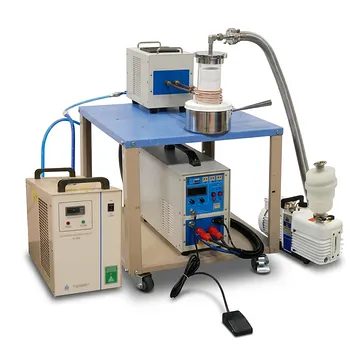
1900C Maximum High Temperature 7KW Vacuum Induction Melting System with 60mm Quartz Tube and Manual Temperature Control for Metallic Alloy Research
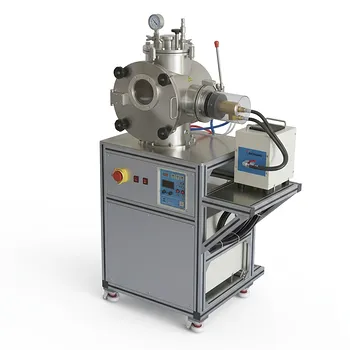
Induction Melting Casting Furnace 1750C Vacuum High Frequency Metal Processing Unit
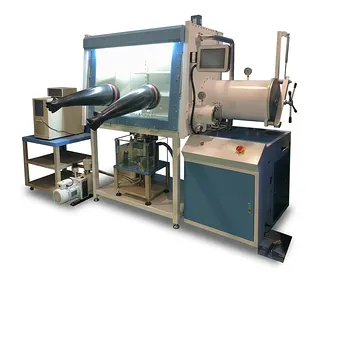
High Temperature Induction Melting System with Integrated Ultra High Purity Glove Box for Metallic Alloy Processing
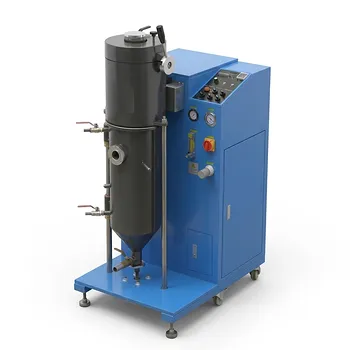
Atmosphere Controlled Induction Melting Granulating Casting Furnace 1500C 5kg Capacity
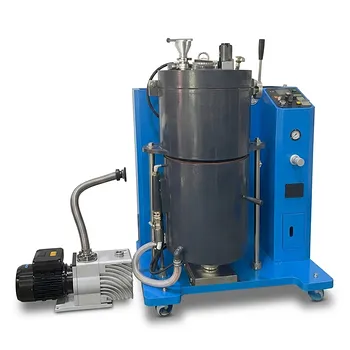
Atmosphere Controlled Induction Melting Casting System 1600C 10L Capacity
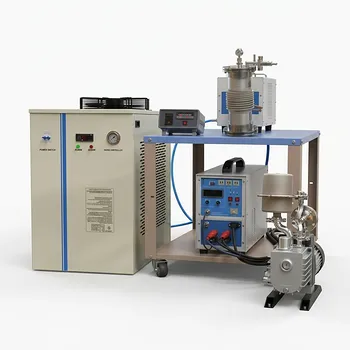
Induction Heating System with Temperature Control for High Temperature Vacuum Sintering and Melting
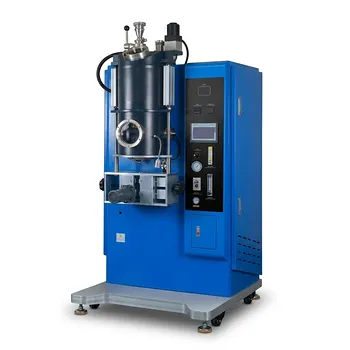
Atmosphere Controlled Continuous Casting Furnace with Secondary Charge Function for Induction Melting and Metal Alloy Wire Production
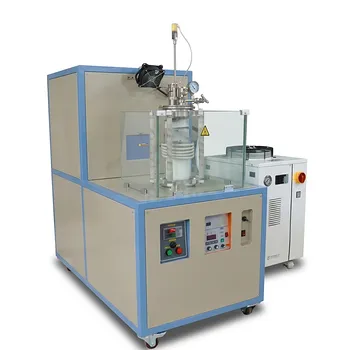
15KW Induction Melting System with Top Suction Casting for Thin Rod Production Up to 1200°C
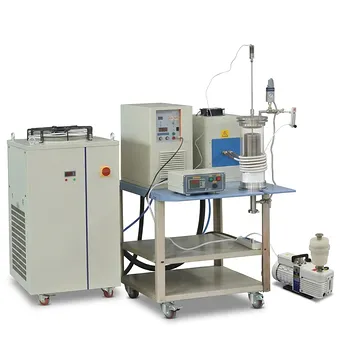
High Temperature Induction Melting System with Multi Cavity Crucible and 15KW Precision Digital Temperature Control
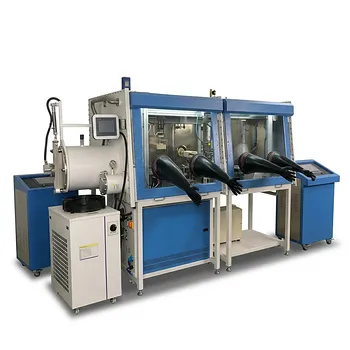
Automatic 10 Crucible Induction Melting and Casting System with Stirring Function and Glovebox Integration 2000C
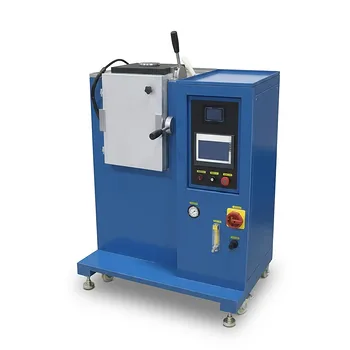
High Throughput Induction Melting and Casting Furnace for Superalloy Research 1700C Atmosphere Controlled Multi Sample System
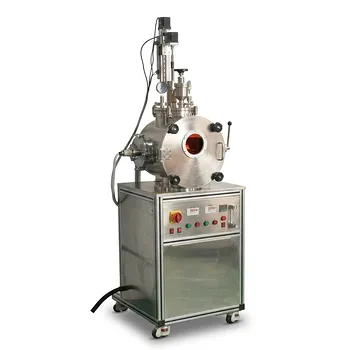
High Vacuum Melting Casting Furnace with Mechanical Stirring and Secondary Charge for Metallic Alloy Research
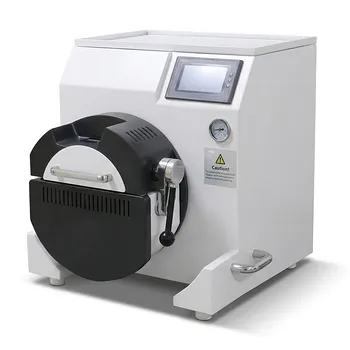
Desktop Induction Melting Furnace with Automatic Rotary Casting Function up to 1700C for Advanced Metal Alloy Research
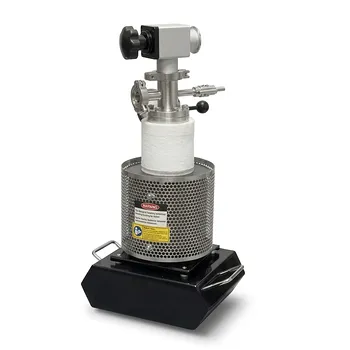
High Temperature 1100C Compact Top Loading Vertical Vacuum Tube Furnace for High Vacuum Noble Metal Melting and Material Research
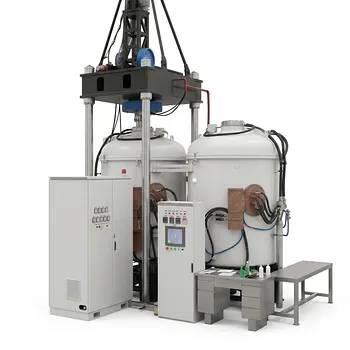
High Pressure 600T Vacuum Induction Hot Press Furnace for Advanced Material Heat Treatment and Sintering
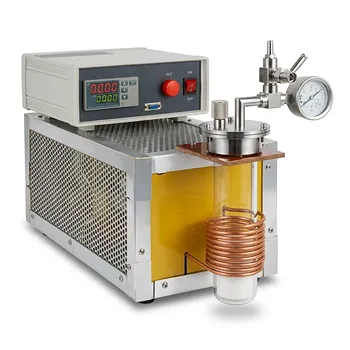
High Temperature Mini Induction Heating Furnace 1600C Laboratory Material Melting System
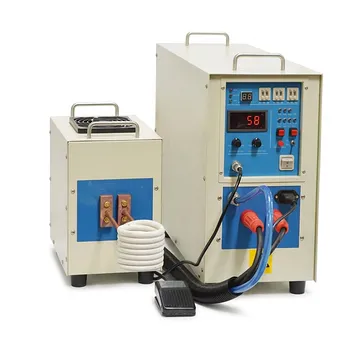
High Frequency Desktop Induction Heater 15 KVA Induction Heating System with Automatic Timer Control for Material Research and Metal Melting
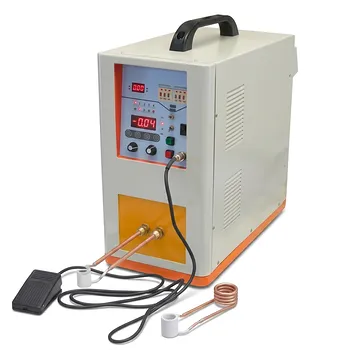
Desktop High Frequency Induction Heater for Precision Metal Melting and Laboratory Thermal Processing 0.6 to 1.1MHz
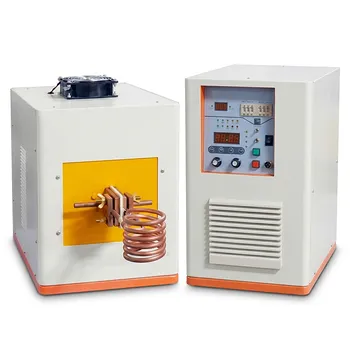
30KW High Frequency Induction Heater for Metal Melting and Industrial Heat Treatment 80-200kHz